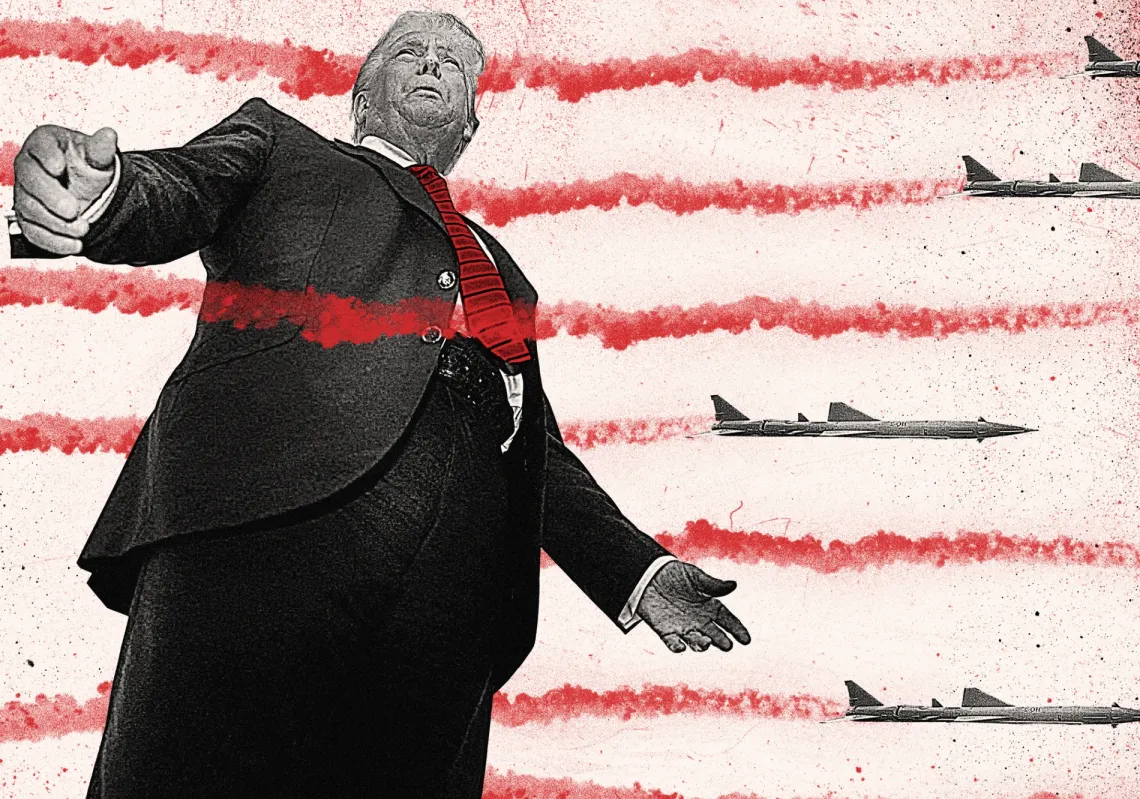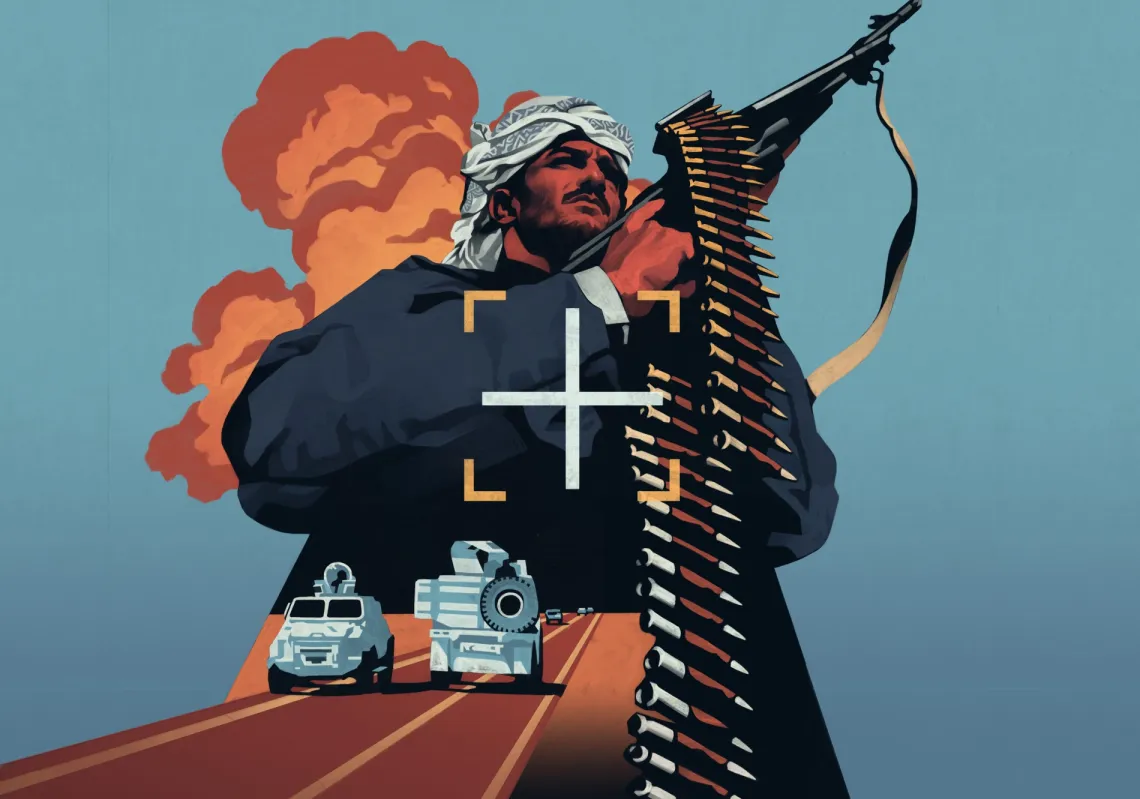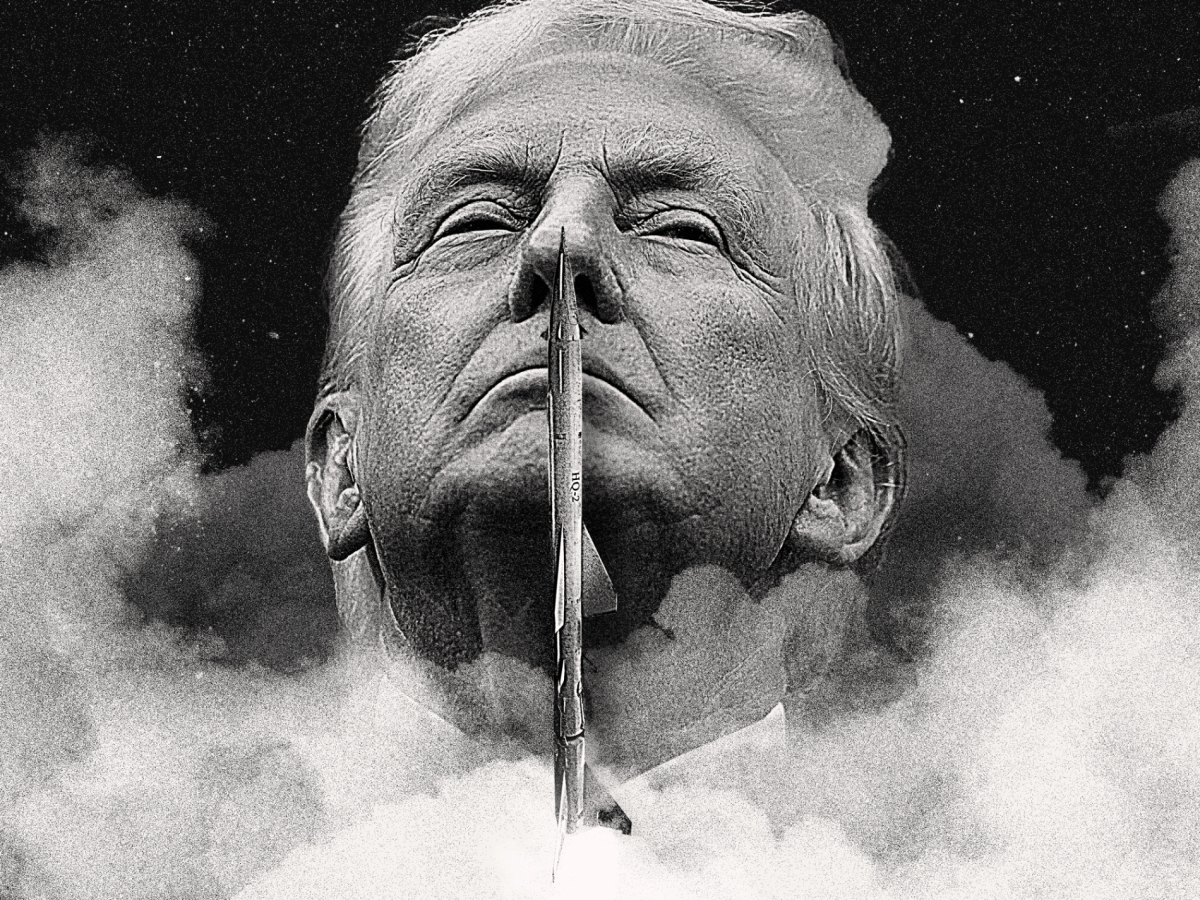

There are two Donald Trumps staring at Iran, and neither the Islamic Republic nor Israel knows which one will ultimately prevail. The first is the “Peace President"—the man nominated for a Nobel Prize after the 2025 ceasefire, who desperately wants to secure his legacy as the ultimate dealmaker.
The second is the “F... Around and Find Out” (FAFO) President, who has a track record of resorting to military action when he deems it necessary. The man who ordered a daring raid to seize Venezuelan President Nicolás Maduro as the Venezuelan regime refused to compromise, sent B-2 bombers to bomb Iran’s nuclear facilities last year in the midst of nuclear talks, and who assassinated Iranian Quds Force Commander Qasem Soleimani in his first term. These two personas coexist and could be a part of his negotiating strategy.
Competing interests
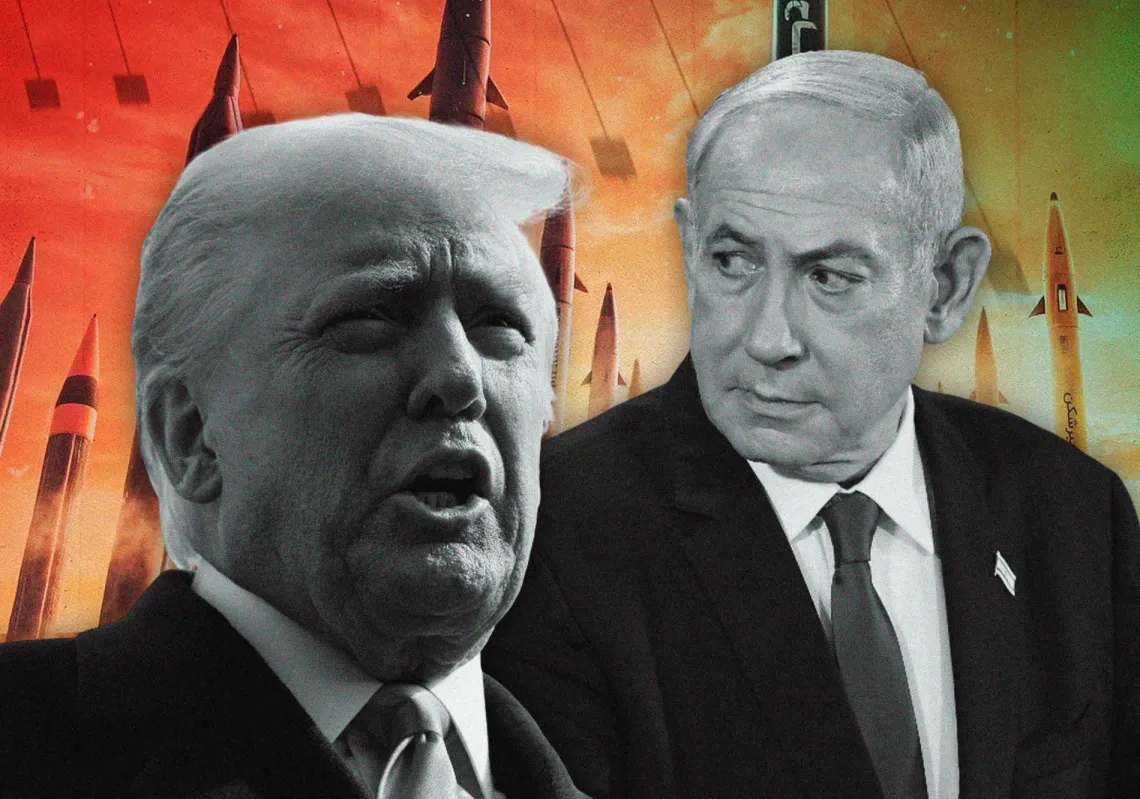
But apart from his negotiating tactics, there are very real forces pulling Trump in both directions. On the international front, Trump faces pressure from Israel to strike Iran. Just last week, Prime Minister Benjamin Netanyahu rushed to Washington a week ahead of a planned visit to set up clear red lines that would likely make difficult negotiations impossible. Yet at the same time, a set of regional allies, from the Gulf to Egypt and Türkiye, are pressing Trump to avoid a military confrontation that could set the region alight.
On the domestic front, the MAGA coalition is fracturing over the prospect of another Middle Eastern entanglement, warning that a war with Iran would be a betrayal of the America First promise. Conservative heavyweightsTucker Carlson, Steve Bannon and Marjorie Taylor Greene, who argue that another military confrontation would betray Trump's promise to end “forever wars” and distract from top priorities at home—mass deportations of illegal immigrants and a growing cost-of-living crisis.
For their part, hawks are pushing Trump to make good on his initial promise to the Iranian people that “help is on the way”. Figures like Ted Cruz, Tom Cotton and Lindsey Graham want Trump to strike now, at a time when Iran has been significantly weakened by war and protests. They argue that Trump has a historic opportunity to “finish the job” against Iran—an opportunity that should not be traded for concessions, whatever those may be.
But MAGA polling is clear: voters prefer deterrence and dealmaking over war, and Trump understands that if an Iran confrontation spirals into a protracted war like what happened in Iraq—especially if US troops begin coming home in body bags—his base could very well turn on him.
The second constraint is economic. Energy analysts have repeatedly warned that even a partial disruption in the Strait of Hormuz—the route for roughly 20-25% of the world’s oil—could send crude prices from around $70 to over $100, which would raise US inflation by up to half a percentage point and complicate the Federal Reserve’s path to rate cuts. Goldman Sachs has modelled scenarios in which a severe disruption could push prices to $110 a barrel, prolonging elevated fuel and consumer prices into late 2025.
Further complicating matters is that Republicans are heading into midterm elections in November with fragile majorities, sagging approval ratings, and voters already angry about inflation and tariffs. Party strategists warn that another oil shock would make it even more likely that Democrats retake the House of Representatives. A war that produces $7 gasoline and a recession is not just bad geopolitics for Trump; it is potentially fatal to his domestic position.
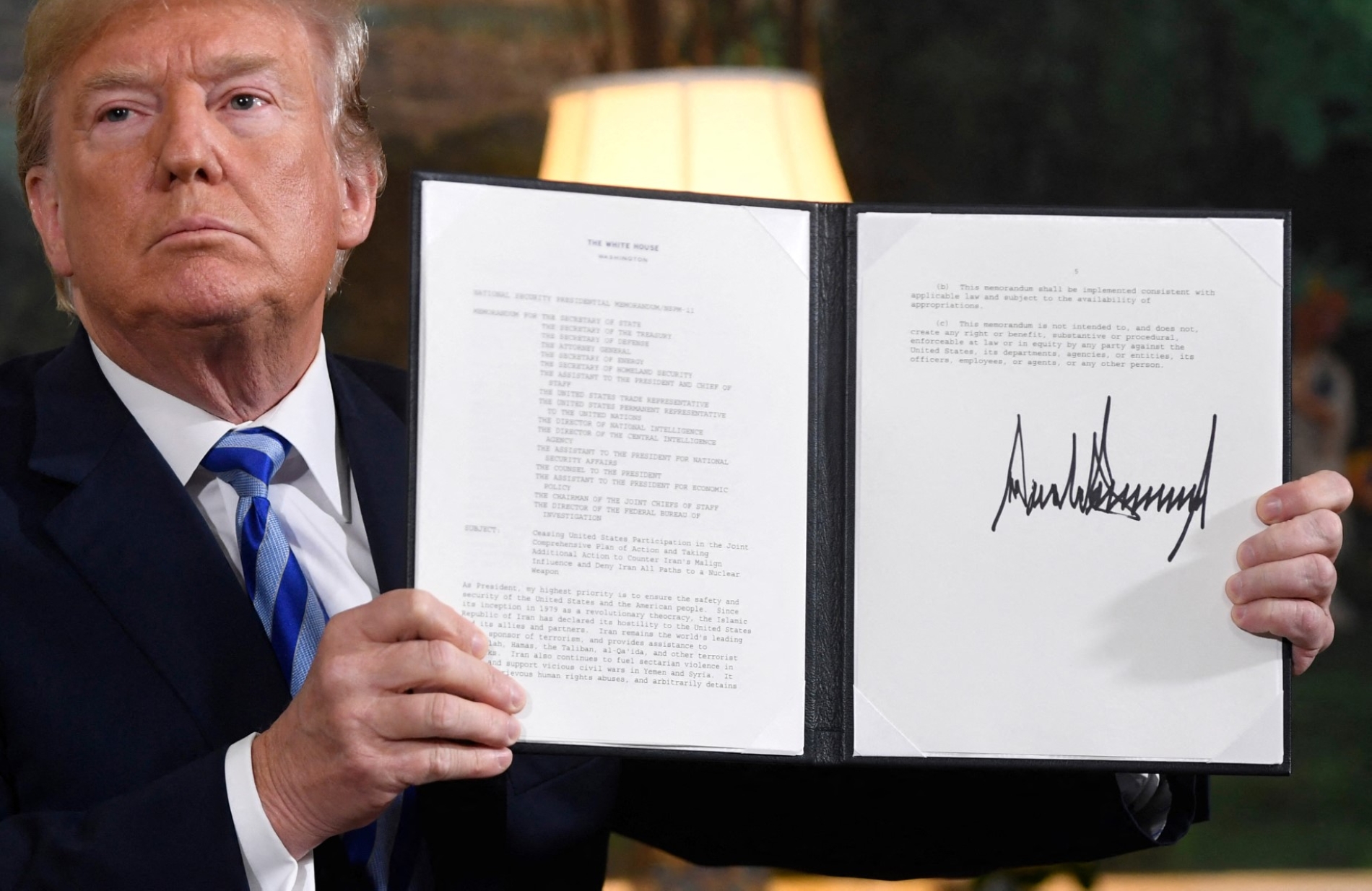
Then comes the last layer of complication. If Trump sidesteps a military confrontation and instead opts for a deal, there is a risk that he reaches an agreement similar to the JCPOA, which was clinched by the Obama administration and which Trump himself fiercely criticised and ripped up when he first came into office.
Best-case scenarios
There are only two "good" scenarios for Trump if he manages to secure either one. The first is a deal with Iran that he can sell as a "win" to his base. The other is a decisive military operation that can bring about change in Iran without sucking the US into a forever war and doing great harm to the global economy.
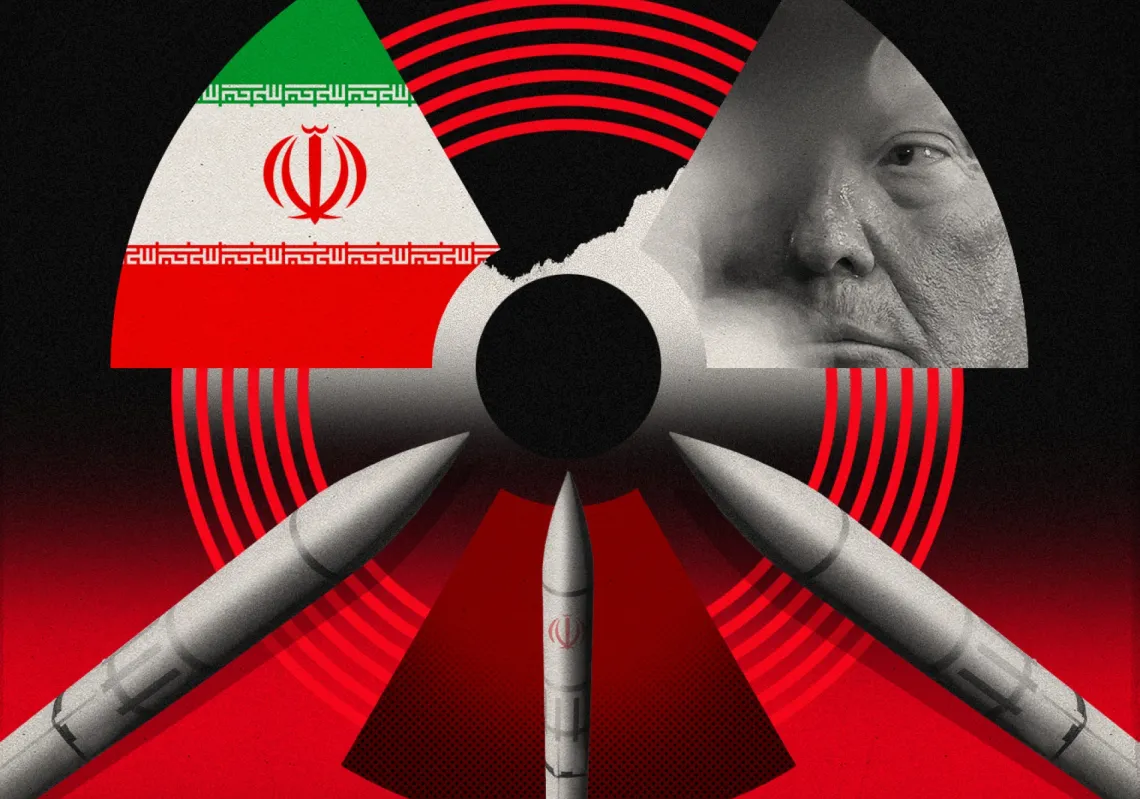
But achieving either one of these best-case scenarios will not be easy. On the diplomatic side, a “good deal” would entail a resolution on the nuclear issue. US envoy Steve Witkoff has repeatedly signalled that Washington’s formal red line is “zero enrichment,” language that plays well among American and Israeli hawks and lets Trump claim he is demanding more than the 2015 nuclear deal ever did.
Here, there might be some space for an agreement that gives Iran a distant “right to enrich” (in the future, for instance) but narrows its ability to do so now. But in return, Iran will seek the lifting of sanctions, which would be a tough sell for Israel as well as hawks in his administration. Furthermore, it's not just the nuclear issue that Israel wants "resolved". It also wants to shut down or severely curtail Iran's ballistic missile programme and force Tehran to cut off support to its regional proxies.
On the military side, an intervention would need to do two things: (1) drastically diminish Iran’s retaliatory capabilities to ensure Tehran is defanged before it can respond, and (2) dramatically change the regime’s calculus when it comes to negotiations (or lead to regime-change). Those are particularly difficult objectives to secure, particularly as Trump likely wants a compressed window of actions—days of fighting rather than weeks or months.
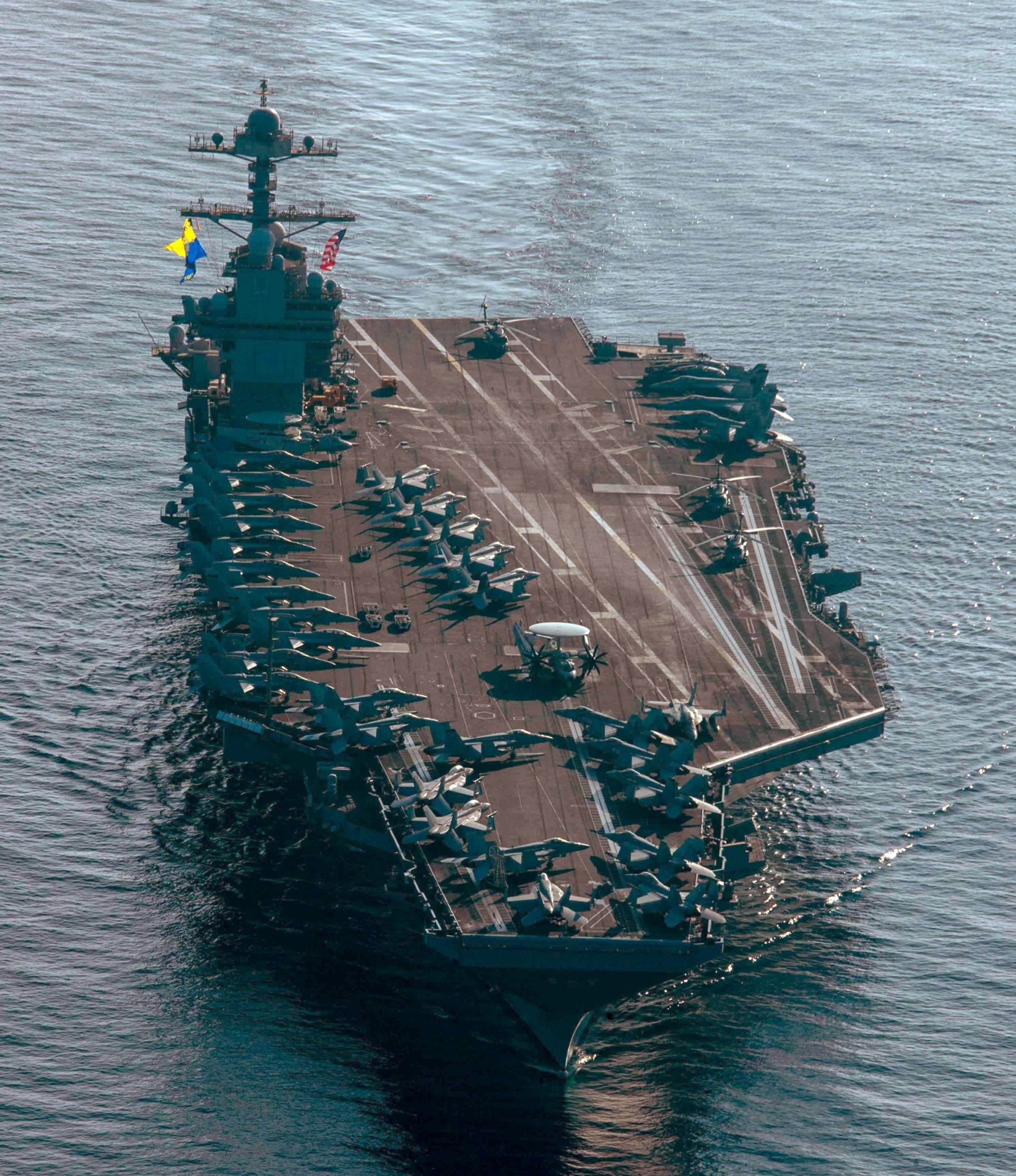
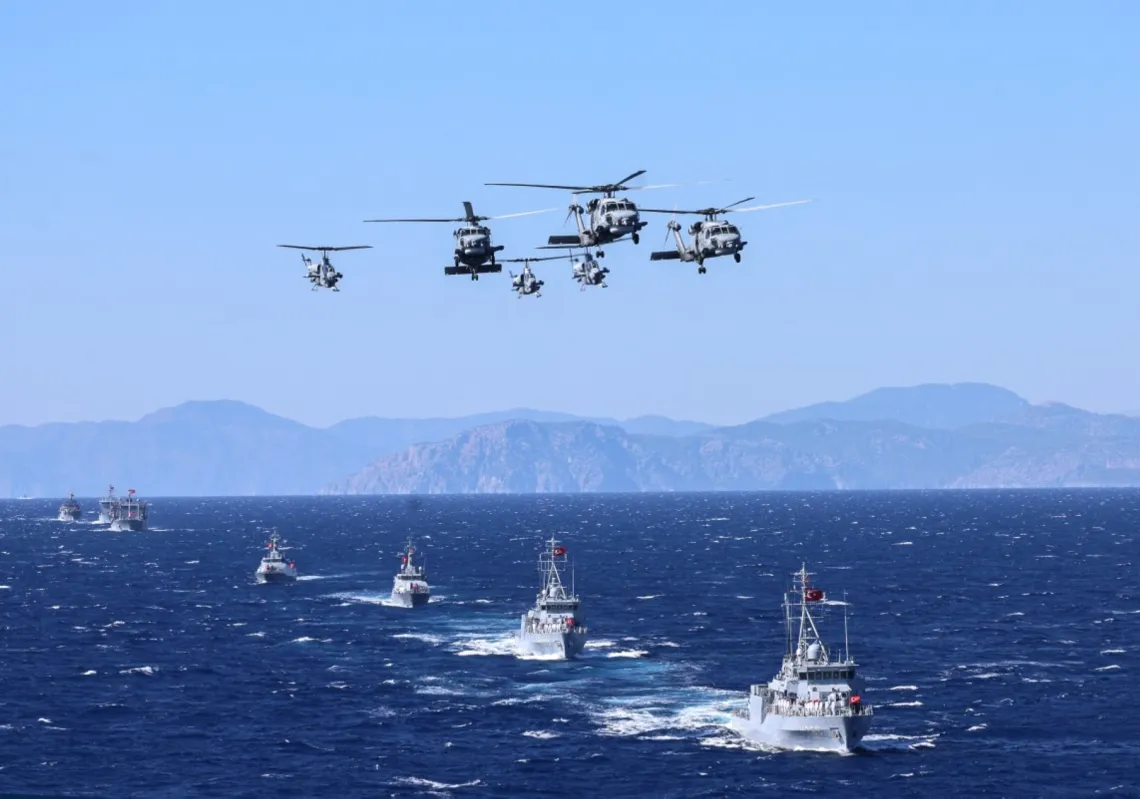
This could be why Trump ordered a second aircraft carrier group to the region. If the US is to unleash the “find out” part of the FAFO equation, it will have to be a dramatic “shock and awe” display of force that does massive damage to Iran’s command structure, missile arsenal, and naval capabilities in a matter of a few hours or days. Iran has rehearsed this exact scenario for years, betting on asymmetric capabilities (drones, ballistic missiles, deeply-buried depots, mines and fast attack craft) that are by essence easier to hide and harder to take out in one swift blow.
What’s more, the second objective, namely to change the regime calculus, would require removing Iran’s Supreme Leader, Ayatollah Ali Khamenei, his potential successor(s), and a set of Khamenei loyalists who have been appointed by the Iranian leader as extensions of himself.
This is not an impossible feat—after all, Israel showed it could decimate Iran’s leadership in a matter of hours—but would need to be an even bigger and more complex operation that collapses the military and political structure of the Islamic Republic. And even then, it will be difficult to predict the type of leadership that would replace it, and whether it would be more or less likely to agree to a deal.