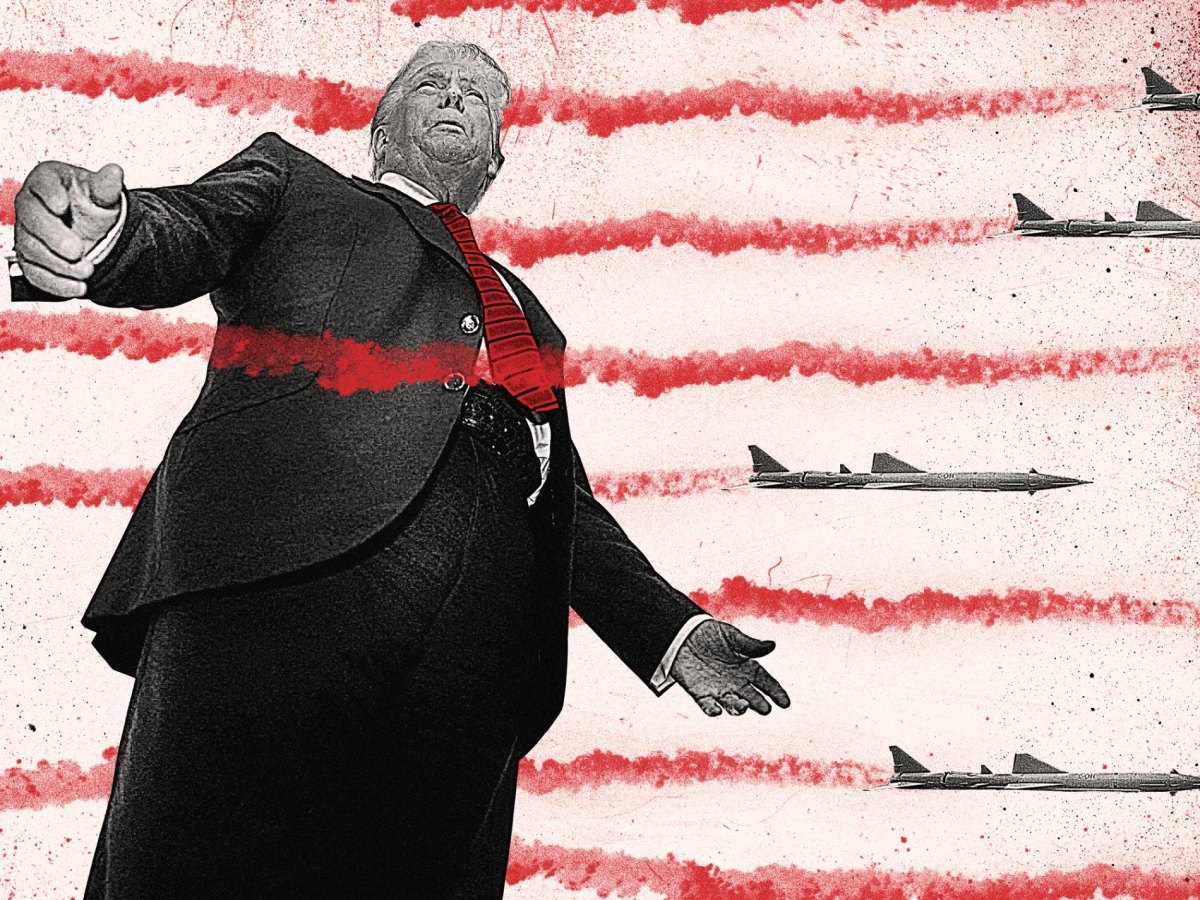
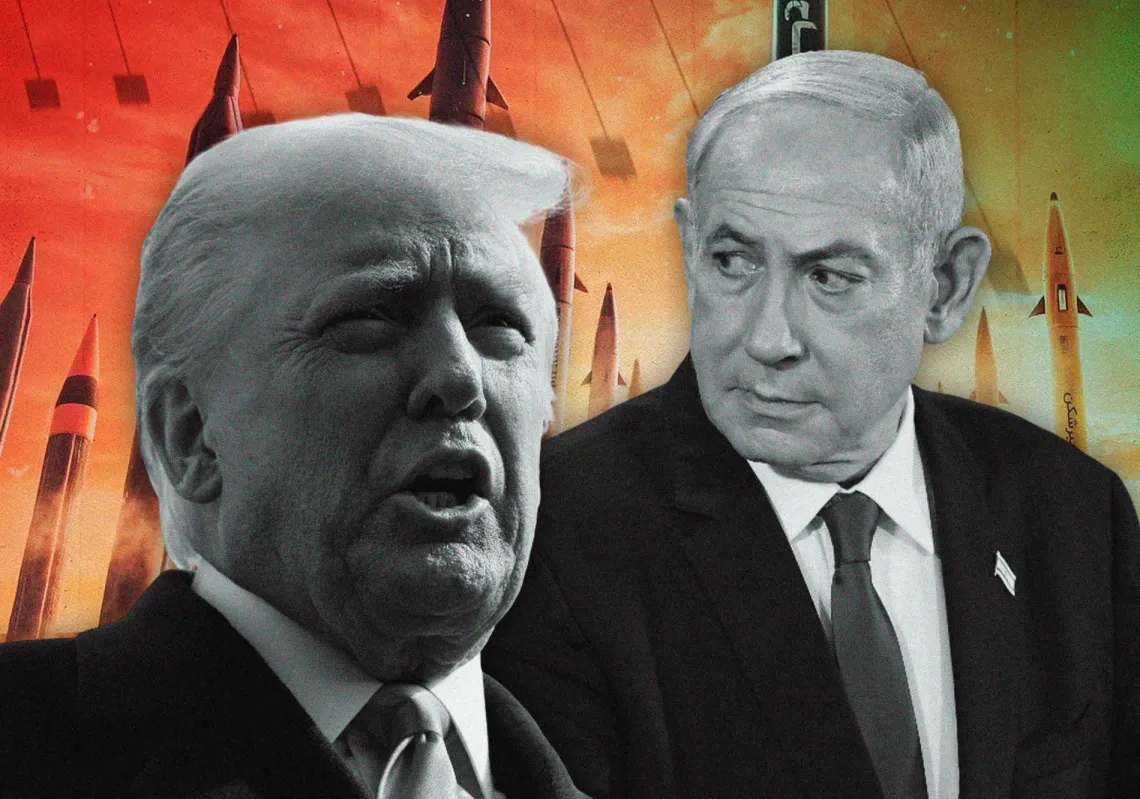
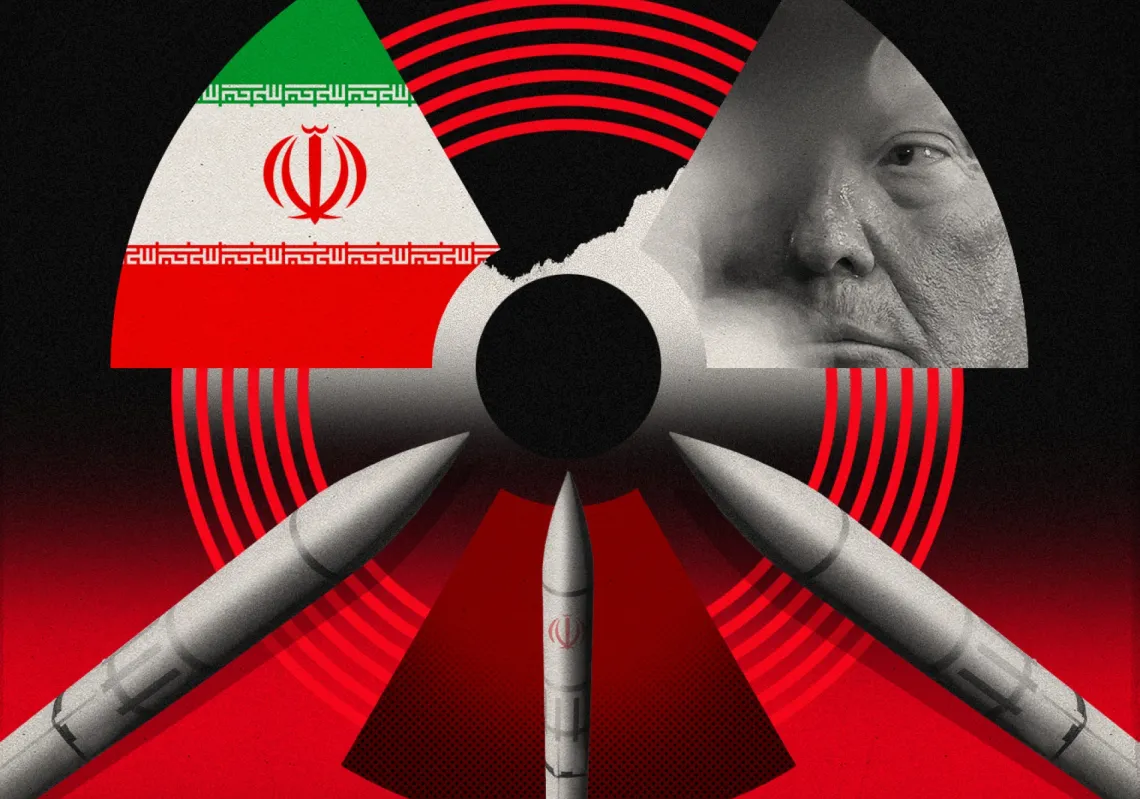
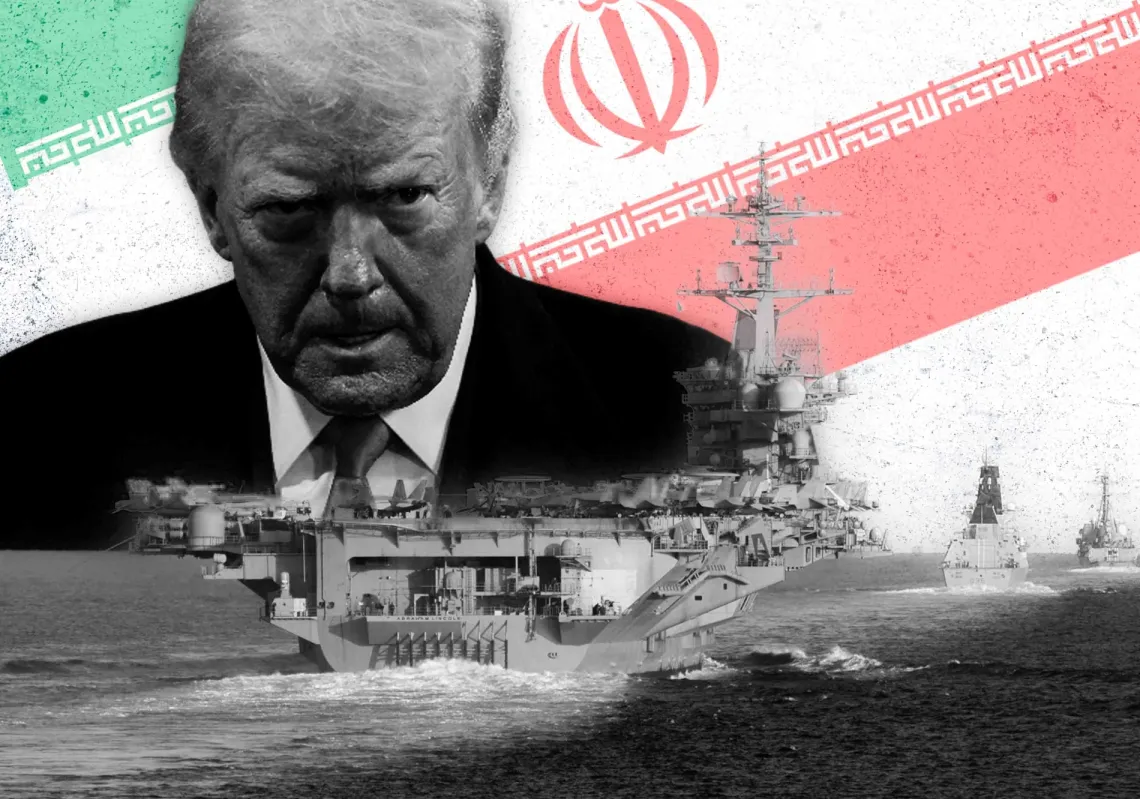
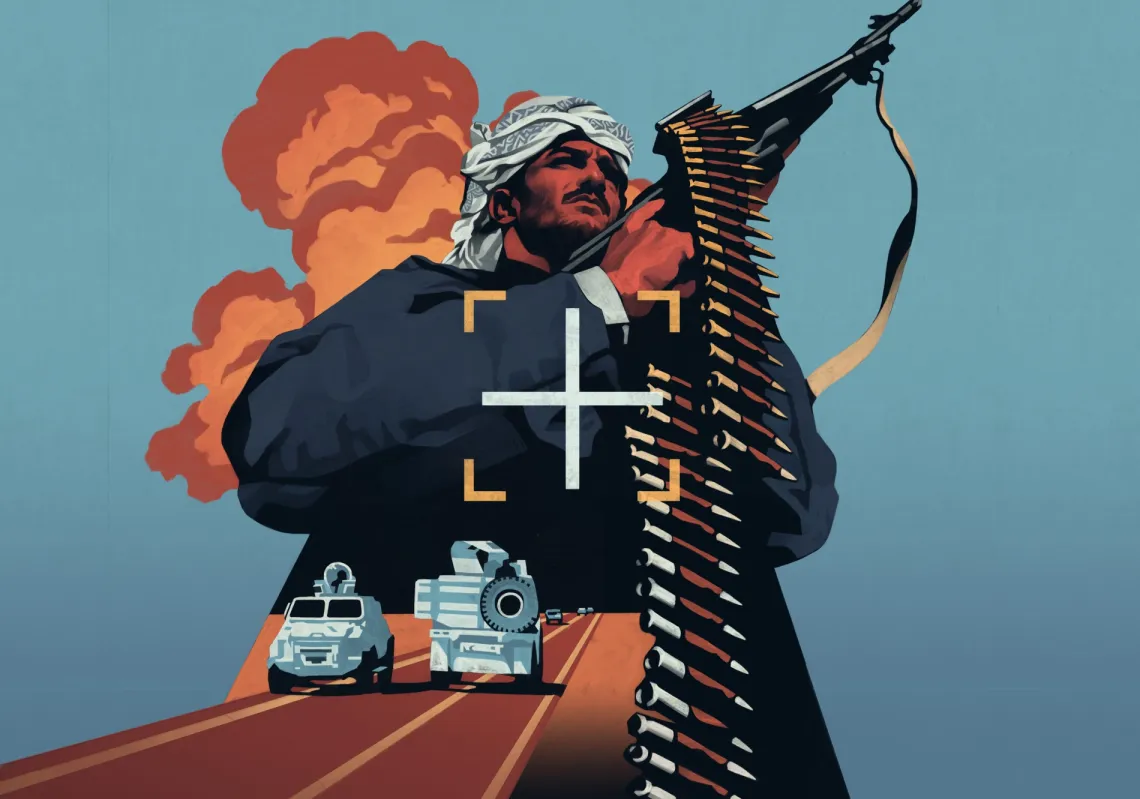
Washington and Tehran may be closer to military confrontation than at any point in memory, but they are not on the brink of war in any conventional sense. The most plausible outcome of the current standoff is not a US invasion of Iran or a full-scale regional war. It is a limited, carefully calibrated strike designed to reshape bargaining dynamics rather than end them.
In recent weeks, the paradox has become impossible to ignore. The United States has dramatically reinforced its military posture in the Middle East, while Iranian officials insist that they will not capitulate under pressure. Yet both sides continue to speak, often simultaneously, about negotiations. This apparent contradiction is not a sign of confusion. It reflects a familiar logic in international politics: war, or the threat of it, as an instrument of bargaining.
Under the bargaining model of war, military force is not simply about defeating an adversary. It is about altering perceptions of costs, resolve, and future intentions when diplomacy alone cannot produce credible commitments. What we are witnessing today is not a collapse of diplomacy but its militarisation.
Notably, this dynamic is unfolding alongside quiet but ongoing negotiations in Oman, where Iranian and US interlocutors are attempting to probe each other’s red lines and willingness to compromise. These talks do not contradict the escalation underway; they are part of it. In bargaining logic, diplomacy and military pressure often advance in parallel, not sequentially.
From Washington’s perspective, Iran appears weaker today than at any point in the past decade. Over the last two years, Tehran’s regional deterrence architecture, once framed around the so-called Axis of Resistance, has eroded significantly: Hezbollah has been under sustained pressure. Hamas has been largely dismantled as a military force. The Assad regime in Syria has collapsed. Even Iran’s own airspace was exposed during the 12-day war with Israel last year, shattering long-held assumptions about its defensive immunity.
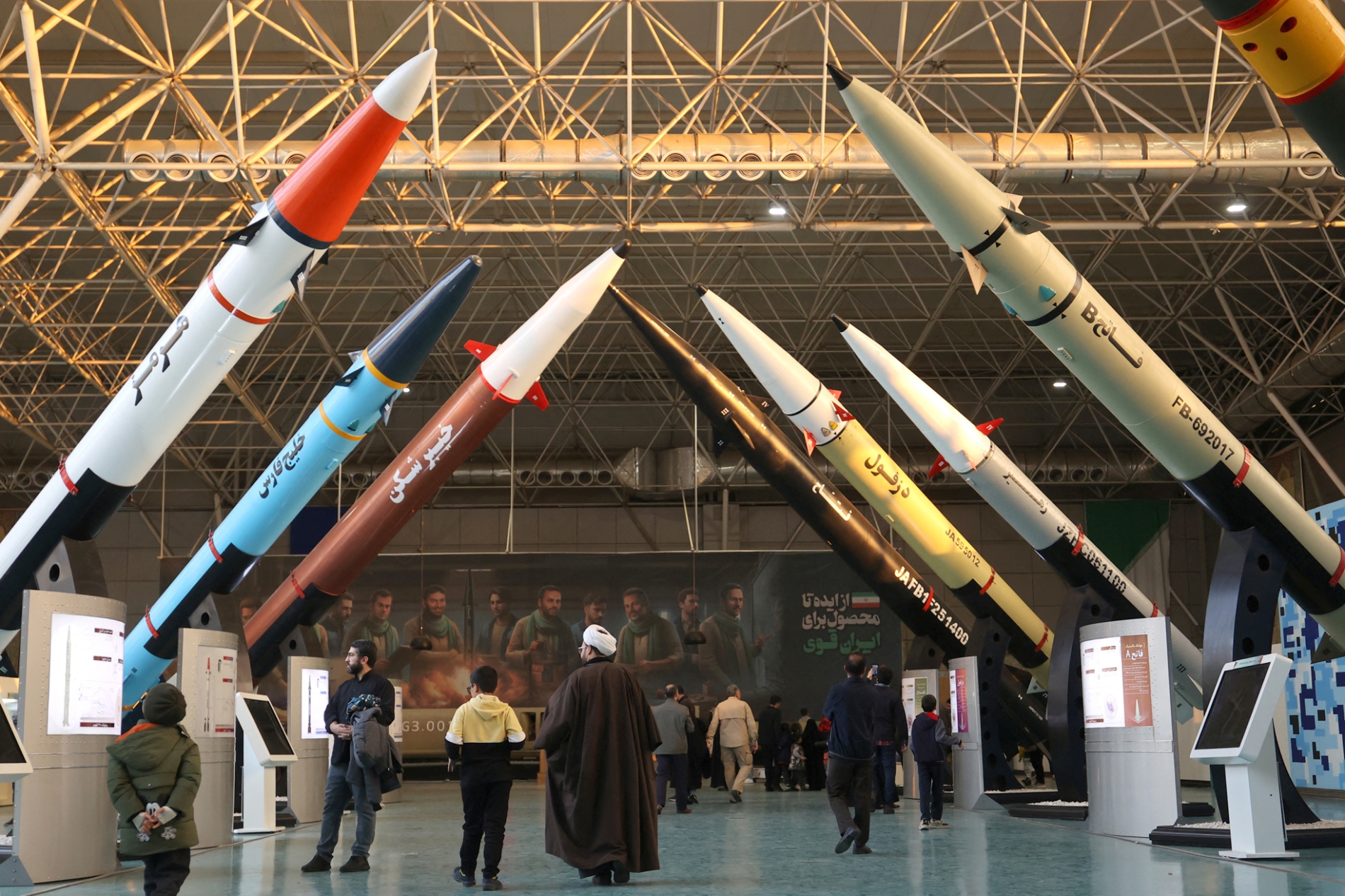
Missiles on display at the Aerospace Force Museum of the Islamic Revolutionary Guard Corps in Tehran, on 15 November 2024.
Iran still possesses substantial missile and drone capabilities, and it may even have expanded parts of its arsenal. More significantly, Iranian missiles partially broke through Israeli Iron Dome during the recent war. But deterrence is not merely about hardware. It is about credibility. And that credibility, particularly Iran’s ability to impose unacceptable costs on its adversaries across multiple theatres, has weakened.
This perception has fuelled an intense debate inside Washington about how to capitalise on the moment.
One camp argues that this is precisely the moment to escalate pressure. Iran, in their view, is strategically cornered and unusually flexible. Negotiations, therefore, should be used not to stabilise the status quo but to extract maximal concessions on the nuclear programme, on missiles, and on regional proxies.
Iran and the US are closer to military confrontation than at any point in memory, but they are not on the brink of war in any conventional sense
Some voices within this camp go further, openly advocating regime change as an attainable goal if sufficient force is applied. The logic is blunt: Iran's deterrence has declined, its allies are weakened, and its leadership is vulnerable. The advocate of this view asks why the United States should throw a lifeline while the Islamic Republic is drowning. Why settle for limited gains when the balance of power appears favourable?
The second camp offers a different reading. Yes, Iran is under pressure, but that is precisely why negotiations may succeed. This group emphasises that US President Donald Trump has consistently opposed large-scale military interventions and "endless wars." From this perspective, the current moment offers Trump an opportunity to claim victory without plunging the United States into another Middle Eastern conflict. A deal achieved under pressure would allow Washington to constrain Iran while reinforcing Trump's long-standing narrative: that strength, not war, produces results.
Yet Trump faces a dilemma of his own making. By repeatedly pledging support for Iranian protesters and framing Iran's leadership as illegitimate, he has raised expectations, both domestically and internationally, that go beyond nuclear diplomacy. These commitments narrow his room for manoeuvre. Doing nothing risks appearing weak. Launching a full-scale war contradicts his core political brand.
This is where Trump's correction strategy comes into play: "peace through strength." In this logic, military force is not an end in itself but a tool to compel negotiation on favourable terms. Limited, decisive action is meant to deter adversaries, reassure allies, and demonstrate resolve, without dragging the United States into prolonged conflict.
These dynamics explain why US policymakers see a limited strike rather than an invasion as the most attractive option. A calibrated strike fits this framework far better than either restraint alone or invasion. It signals resolve, satisfies domestic hawks, preserves Trump's anti-forever-war credentials, and, critically, reshapes the bargaining environment ahead of more serious negotiations. A limited strike becomes likely if Iran withholds the kind of concessions Trump needs to claim victory.
The most plausible outcome of the current standoff is a carefully calibrated US strike on Iran designed to reshape bargaining dynamics rather than end them
The US operation in Venezuela also reinforced the plausibility of this model. The Venezuela case offers a revealing, though imperfect, analogue: It normalised the idea of striking a sovereign leader, weakening a long-standing international taboo. But its sequencing differs sharply from what a similar scenario would look like in Iran.
In Venezuela, Washington pursued quiet, pre-strike talks with regime insiders before capturing Venezuelan President Nicolás Maduro. In Iran, the sequence could be reversed: public negotiations first, a leadership strike second, and renewed bargaining afterwards with successor figures.
A photo posted by US President Donald Trump shows Venezuelan President Nicolas Maduro aboard the USS Iwo Jima aircraft carrier after the US military seized him on 3 January 2026.
The Venezuelan precedent nonetheless resonated deeply in Tehran. It signalled that directly targeting the apex of a state's command structure is no longer unthinkable or prohibitively costly—a lesson that now shapes Iran's threat perceptions.
An invasion of Iran would be strategically irrational. The costs would be enormous, the regional consequences uncontrollable, and domestic support deeply uncertain. The United States does not lack the capacity to invade Iran; it lacks the political and strategic justification to do so. The shadow of Iraq still looms large, and few in Washington believe they could manage Iran's size, population, and internal complexity without triggering prolonged instability.
Beyond the immediate military and political costs, a US invasion of Iran would also represent a strategic self-inflicted wound in the context of great-power competition. A prolonged ground war in Iran would inevitably divert US military, financial, and political resources away from Washington's primary strategic focus: competition with China. An attritional conflict in the Middle East would raise global energy prices, fuel domestic inflation, strain US alliances, and reduce Washington's capacity to project power in the Indo-Pacific.
From Beijing's perspective, such a war would function as a strategic diversion, tying down US attention while China consolidates its position on Taiwan, the South China Sea, and critical technology supply chains. Even a successful initial invasion would not guarantee regime collapse, given Iran's networked and resilient political structure, but it would almost certainly entangle the United States in a costly stabilization effort with diminishing strategic returns. For US policymakers increasingly focused on avoiding strategic overstretch, this makes invasion not merely undesirable but fundamentally incompatible with the United States' long-term global priorities.
Military planners understand this. So do political leaders. That is why the debate has shifted away from invasion toward more surgical uses of force. In the scenario being discussed in Washington, the most plausible option is not occupation but decapitation. Such a strike would target a narrow set of objectives: the supreme leader, senior military and political figures, selected nuclear facilities, missile infrastructure, and command-and-control nodes.
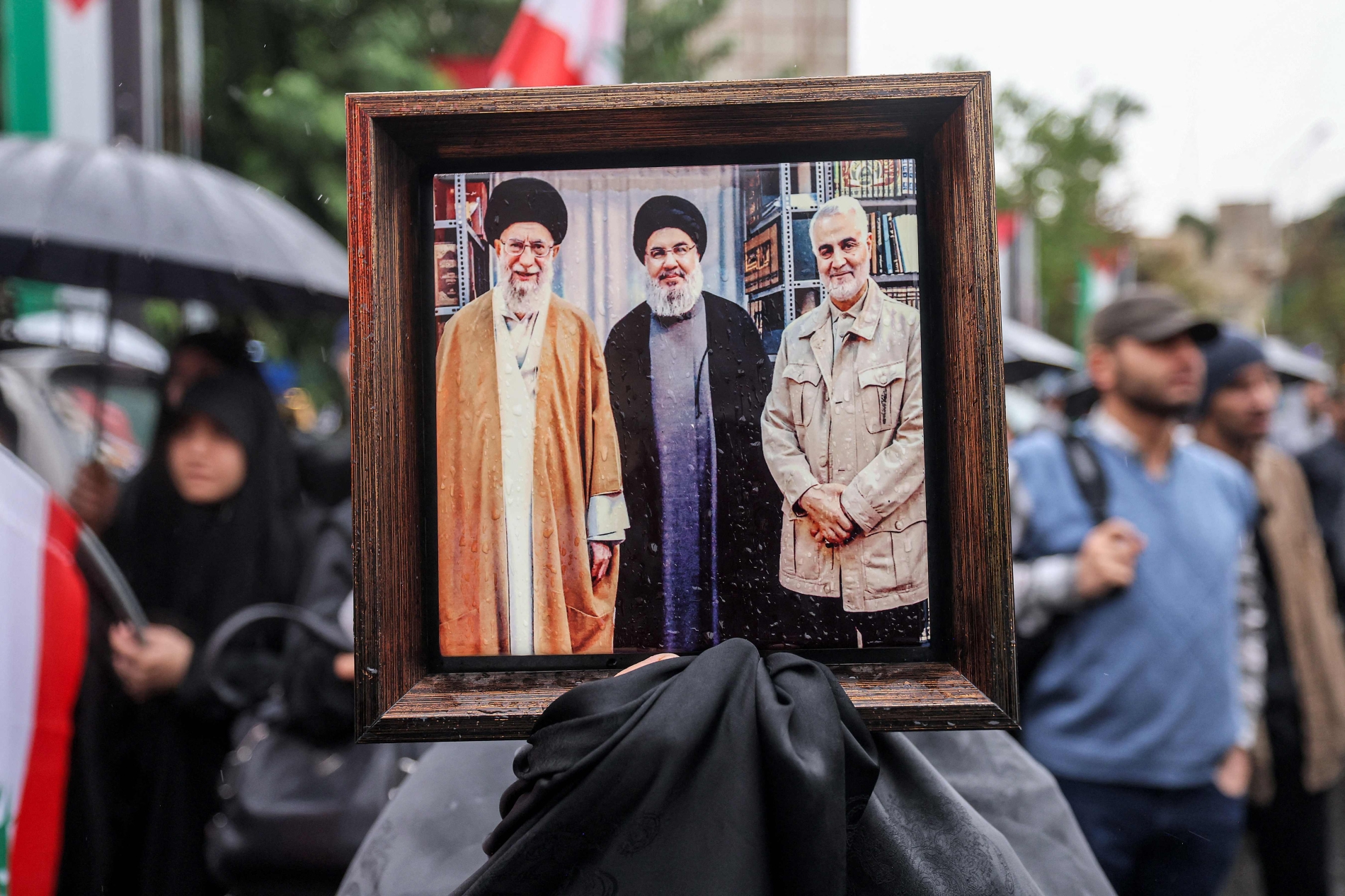
An Iranian holds a picture of Supreme Leader Ali Khamenei; Hezbollah leader Hassan Nasrallah, killed by an Israeli air strike on September 27, 2024; and Iran Quds Force Commander Qasem Soleimani, killed by the US in January 2020.
This would likely be followed by a US strategy of escalation dominance, similar to the approach that Washington adopted after its assassination of Iranian military leader Qasem Soleimani in 2020, aimed at deterring Iran's vowed retaliation from escalating into all-out war. The objective would not be to destroy Iran's capabilities entirely, an impossible task, but to demonstrate overwhelming escalation dominance.
In this anticipated scenario, the message would be unmistakable: The United States can strike at the heart of the Iranian system, absorb limited retaliation, and still control the ladder of escalation.
Crucially, this would be followed by restraint. The strike would be designed to end quickly, signalling that Washington seeks leverage, not war.
From a bargaining perspective, this is the point. A decapitation-style strike reshapes the perceived balance of resolve. It raises the costs of defiance while reopening the door to negotiations; this time on altered terms.
Iran's response, however, remains the biggest unknown. Tehran could choose a limited, symbolic retaliation, calibrated to preserve deterrence and domestic credibility without inviting uncontrolled escalation. Such a response might involve indirect action through regional partners or carefully bounded missile or drone strikes designed to signal resolve while avoiding a direct clash with US forces. This path would align with Iran's long-standing preference for ambiguity and graduated retaliation.
Alternatively, Iran could reject the logic of US escalation dominance altogether. In this scenario, Tehran might conclude that restraint only invites further pressure, responding instead in ways that deliberately widen the conflict and challenge Washington's ability to control the pace and scope of escalation. This could include targeting US assets across multiple regional theatres, threatening maritime chokepoints, or accelerating nuclear activities to alter the strategic calculus.
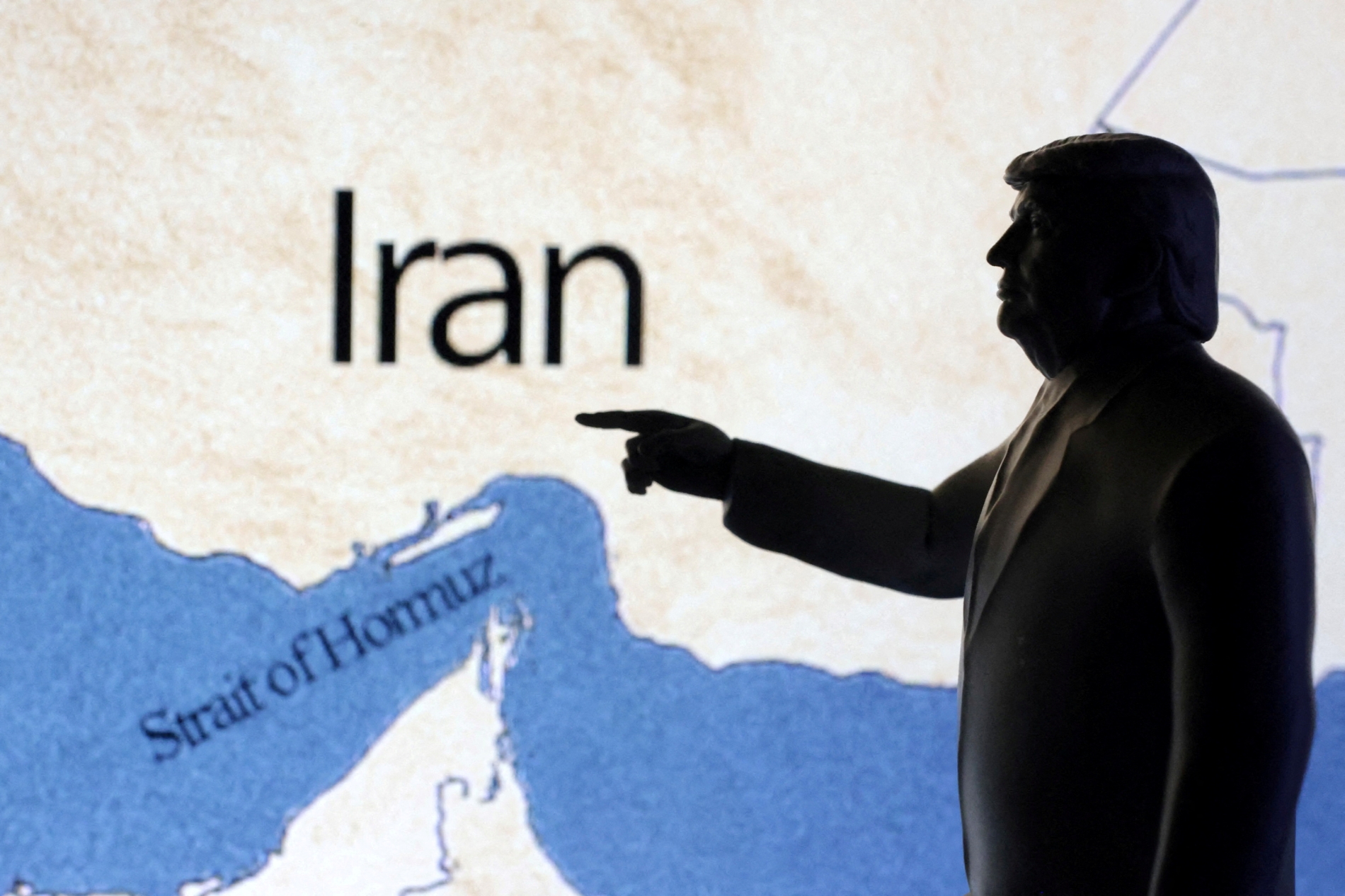
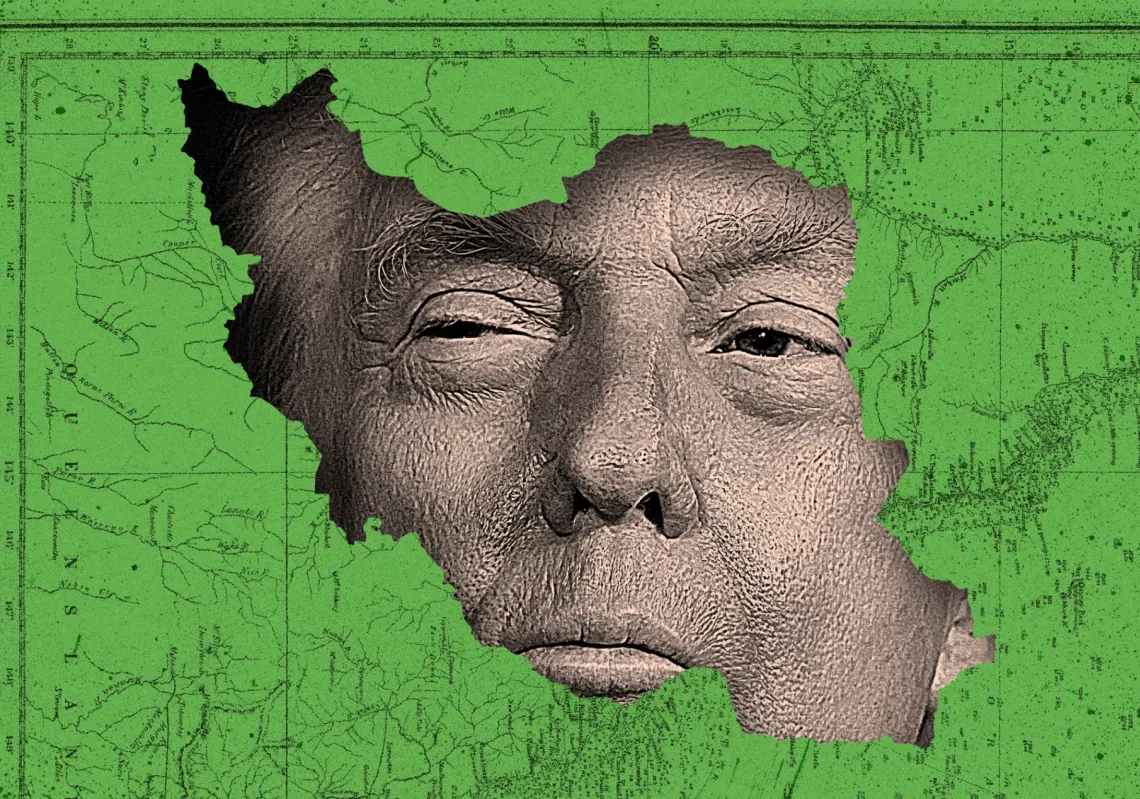
Illustration shows map showing the Strait of Hormuz, Iran and 3D printed miniature of US President Donald Trump
The danger lies precisely here. Bargaining through force is inherently unstable. Even when both sides seek to avoid full-scale war, miscalculation, misreading of resolve, or domestic pressures can push them beyond intended limits. Once violence becomes the medium of communication, signals are easily distorted, and actions meant to deter can instead provoke. In such an environment, the line between controlled escalation and runaway conflict is thin and often visible only in hindsight.
This is why the current moment is so volatile. The likely sequence is not negotiation followed by force, but force followed by negotiation: A strike occurs. The United States threatens for the escalation dominance. Iran responds. And only then do serious talks begin, once both sides believe the bargaining space has been reset.
In this sense, a strike would not mark the failure of diplomacy. It would be its grim precondition. And the question may no longer be whether force will be used, but whether it can be used without unleashing a conflict that neither side truly intends, yet both would struggle to contain.
This is the paradox of bargaining through force: it is used to avoid war, yet it brings war closer. Iran and the United States are now operating in a narrow corridor where every signal matters, every misstep counts, and the margin for error is vanishingly small.