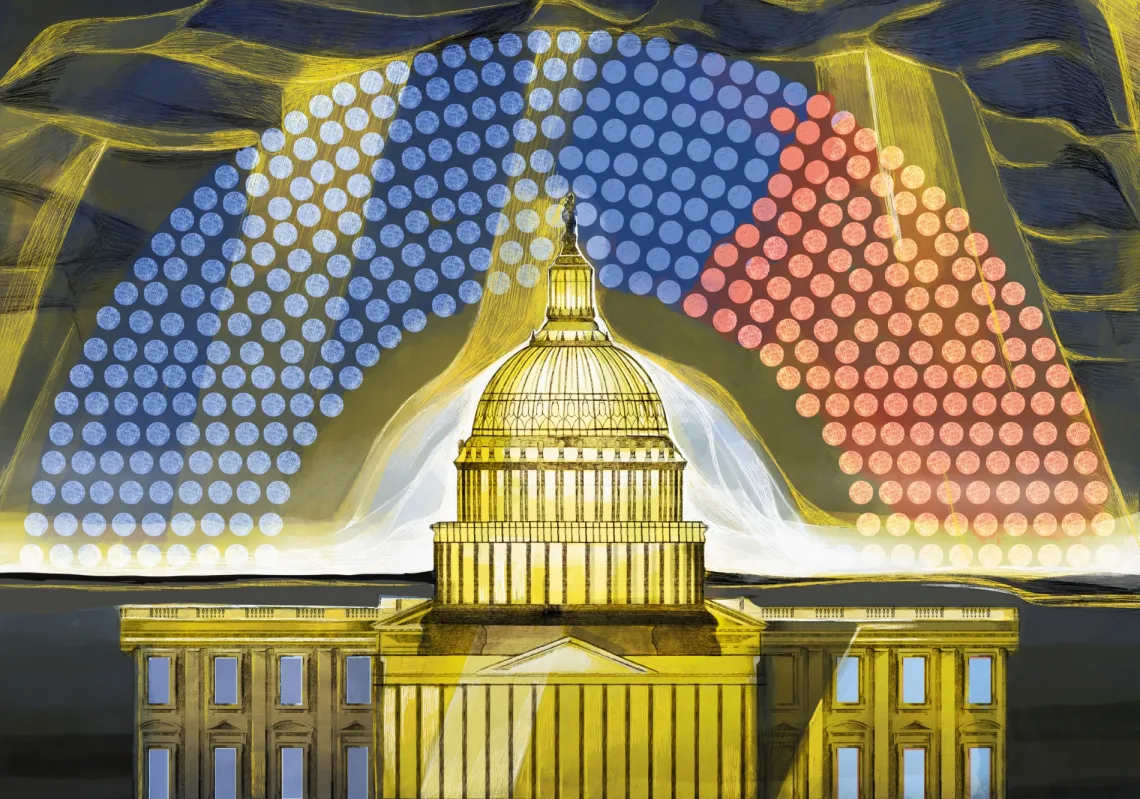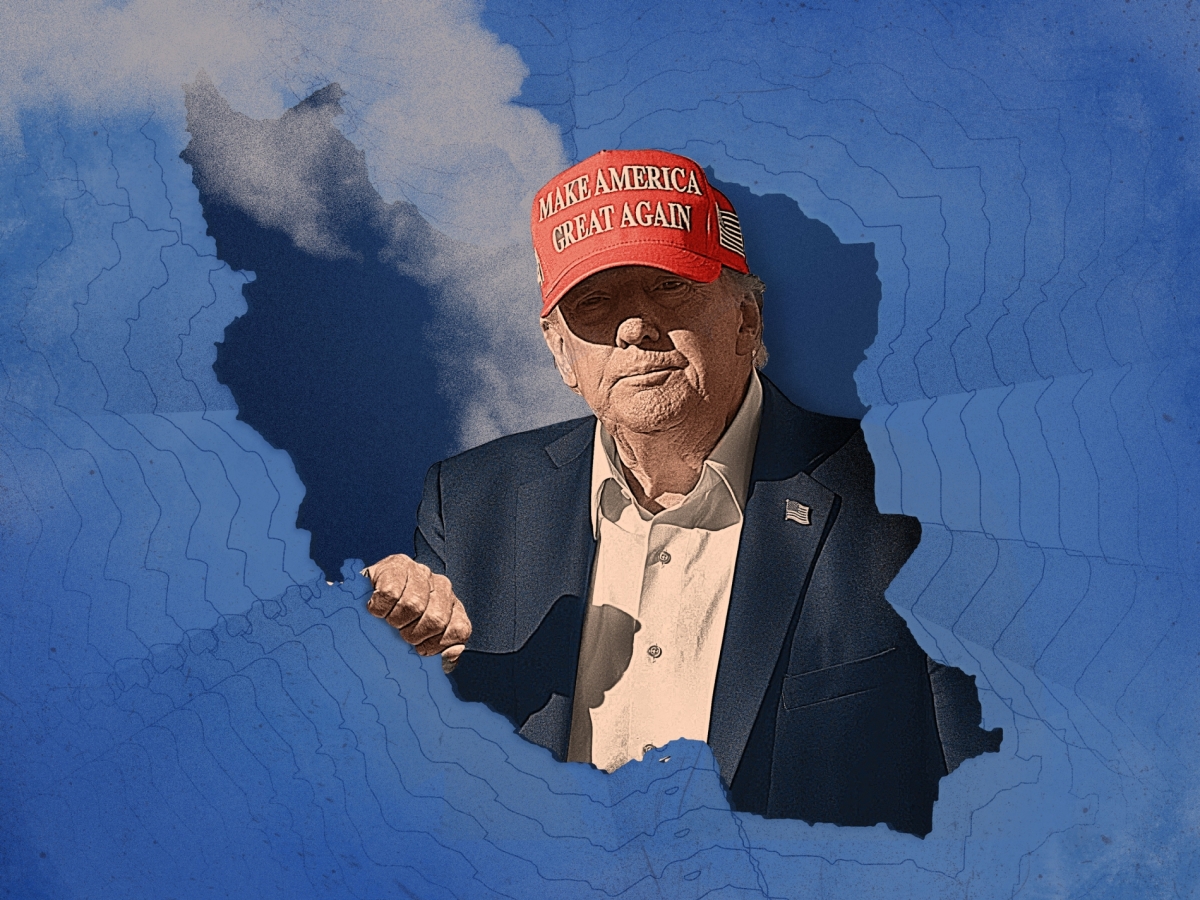

After Democrats swept the US midterm elections—winning seats held by Republicans for years, sometimes decades—US Donald Trump acknowledged defeat, congratulated the victors, and admitted—publicly—that the war with Iran had cost his party votes.
He said he was willing to work with the Democrats, but also made clear he would veto anything he disliked. Both parties now have reason to deal. Each needs something to show its supporters before 2028, and the temptation to score points at the other's expense carries its own electoral risk.
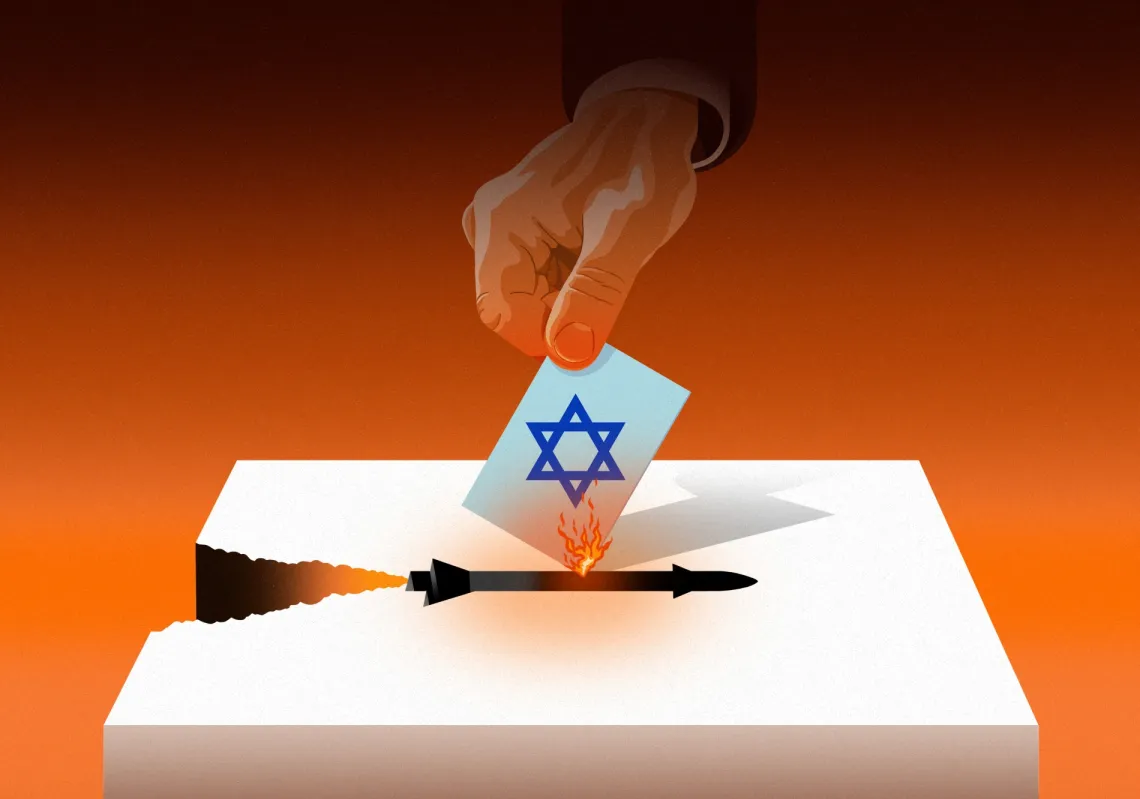
Abroad, the president retains wide latitude, and the Democrats have few means of constraining him. They will scrutinise, criticise, and demand an end to the war with Iran—a conflict they have already turned to political advantage, and which they will now contest from a position of congressional power rather than minority complaint.
However, there is little sign that Trump intends to change course. He appears determined to press on until he can claim a decisive victory, whether by diplomacy, force, or a combination of the two. His remarks after the defeat made that plain. He conceded that the war had cost him votes, but insisted his actions toward Iran were right and necessary for America's long-term interests—a line he had repeated throughout the campaign.
In recent weeks, Trump's rhetoric has increasingly hinted that a settlement may be near, brokered through Qatar. Through that channel, Iran has reportedly offered concessions, including a willingness to set aside the Strait of Hormuz and move directly to talks on its nuclear programme.
Whether Tehran's offers are real, and whether they would be enough to bring Trump to a deal soon, remains unclear. Iranian statements have been contradictory. General Mohsen Rezaei, secretary-general of Iran's Supreme National Security Council, has insisted that seven conditions must be met before negotiations can begin.
Trump, however, has little time to wait for Iranian concessions—or to embark on another long round of direct talks that may yield only modest, fragile results. The exhausted negotiations that produced last April's memorandum of understanding are a warning. That agreement was short-lived and delivered nothing. Events have now overtaken it entirely.
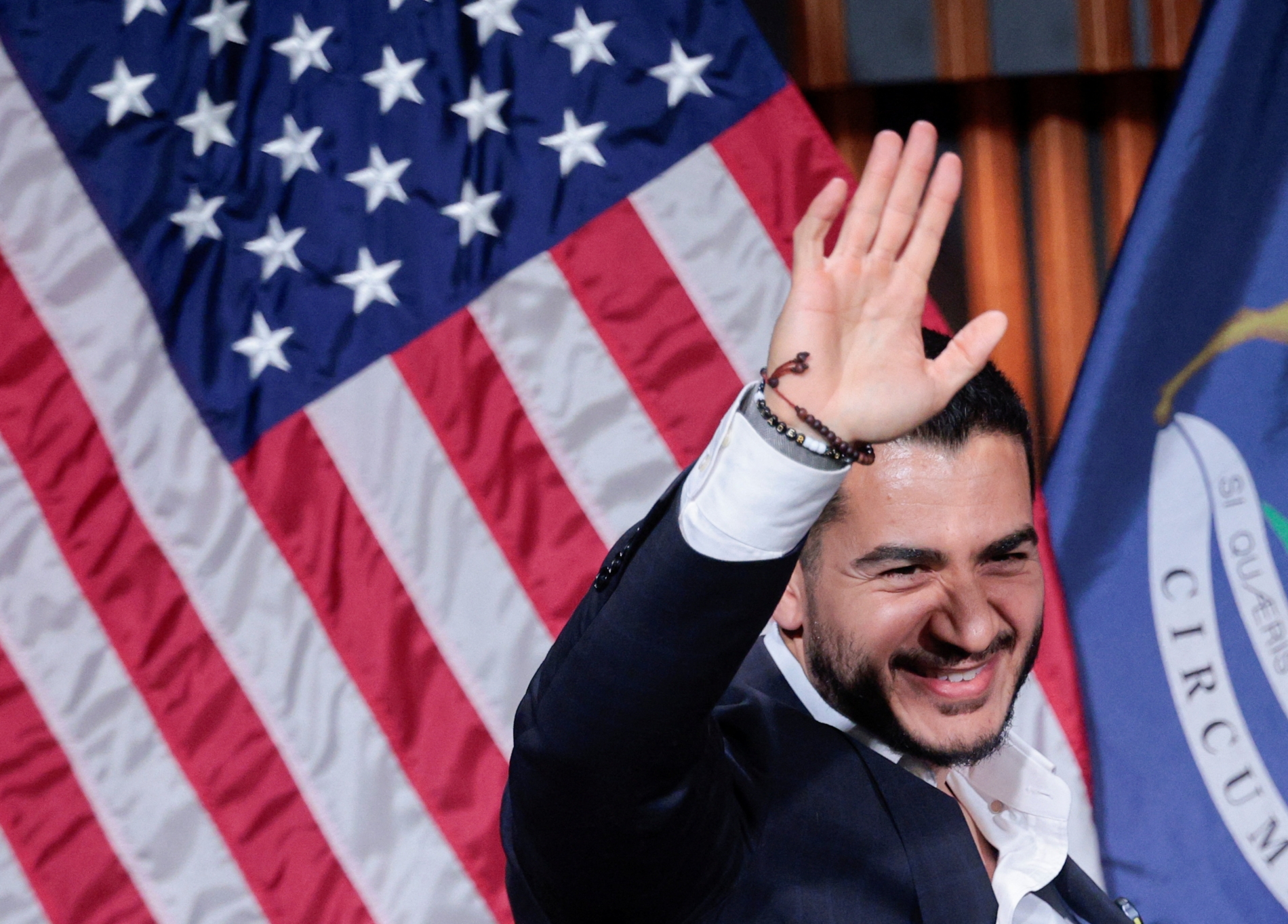
Read more: Abdul El-Sayed: the progressive Michigander who beat the pro-Israel lobby
Constraints vs ambitions
The Democratic victory has sharpened Trump's predicament. He has no wish to give the incoming Congress a chance to expose his mismanagement of the war or its uncertain economic consequences. His administration is equally determined to preserve what remains of its rapidly diminishing political capital rather than spend it on a conflict with little popular support.
Yet the war is central to the legacy he hopes to leave. He has repeatedly said he will not pass the Iranian problem to a successor, as he believes his predecessors passed it to him—a grievance he has often aired when criticising earlier administrations. Together, these pressures are pushing him toward a swift conclusion. For now, his calculations appear to rest on the Qatari initiative, with a readiness to use force if talks fail to produce quick results.