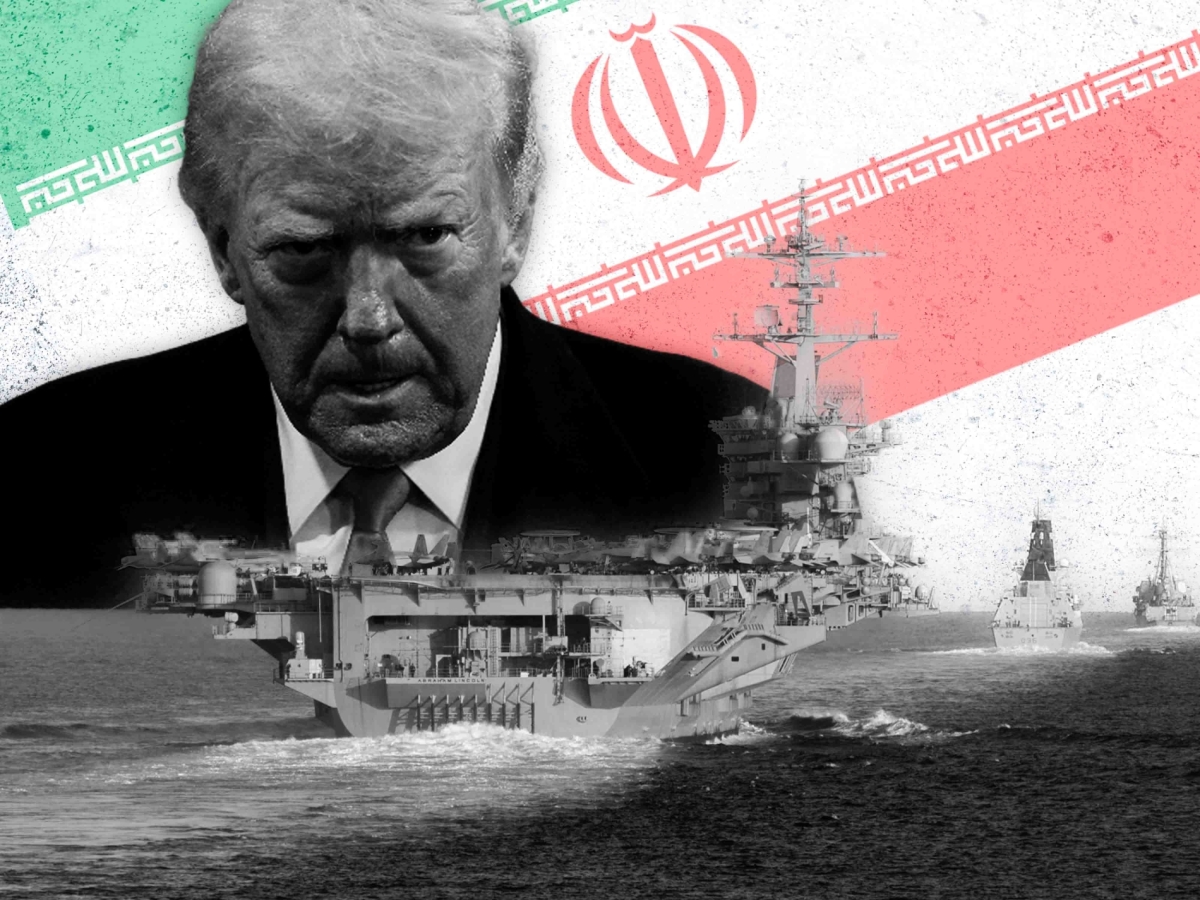

Last year, the Trump administration said the pretence of striking Iran was its nuclear programme. After Israel attacked Iran in June in what became known as the 12-day war, the US bombed several Iranian nuclear sites, then quickly declared the “war was over”.
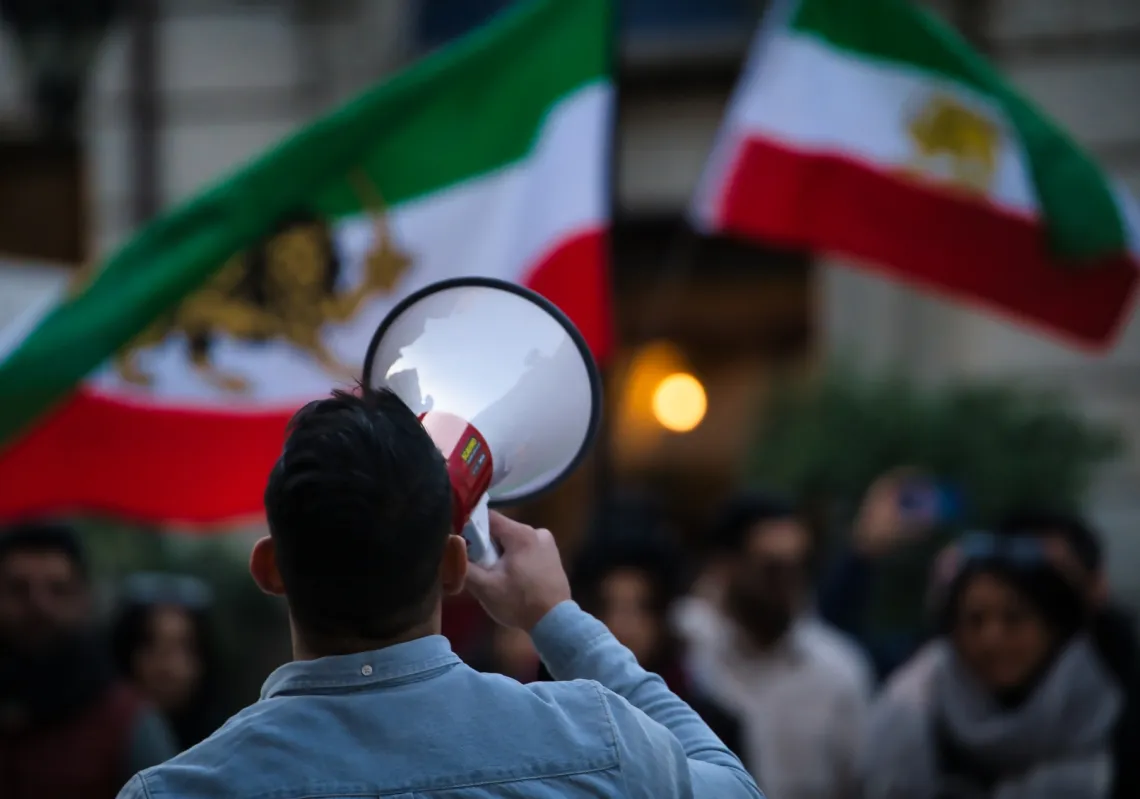
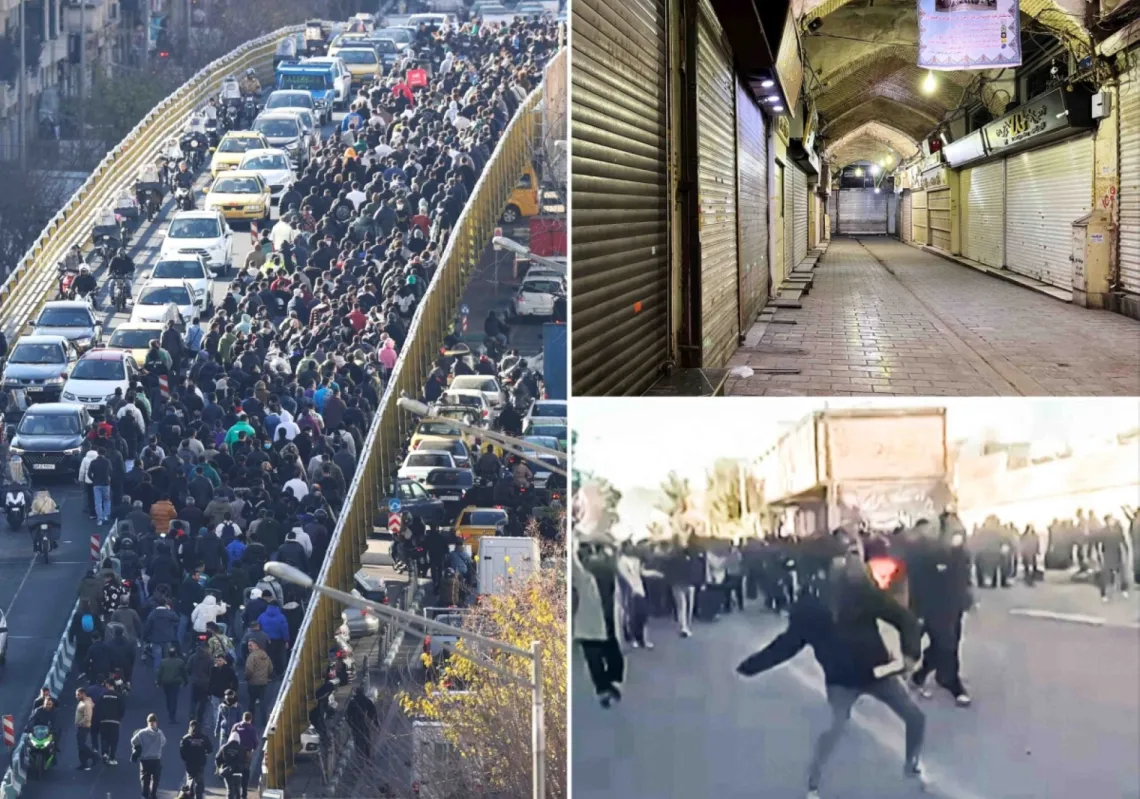
This time around, the focus seems to be regime change, as telegraphed earlier this month when Trump urged Iranian protesters to “take over state institutions”, promising “help is on the way”. That help never came, leading to speculation that a strike was not called off, but paused, to better prepare for what could follow. What happens next is anyone’s guess, but the region is on pins and needles as it awaits Trump's next move.
All signs point to an imminent strike. Numerous international flights to Iran and Israel have been suspended. The USS Abraham Lincoln carrier strike group is already in the vicinity. Israel has placed all its defence systems on maximum alert, and unconfirmed reports have suggested Iran's Supreme Leader Ali Khamenei has taken refuge in an underground bunker. And while Trump remains tight-lipped over his next move, Iran’s Islamic Revolutionary Guard Corps (IRGC) commander has warned it is "more prepared than ever before, with fingers on the trigger”.
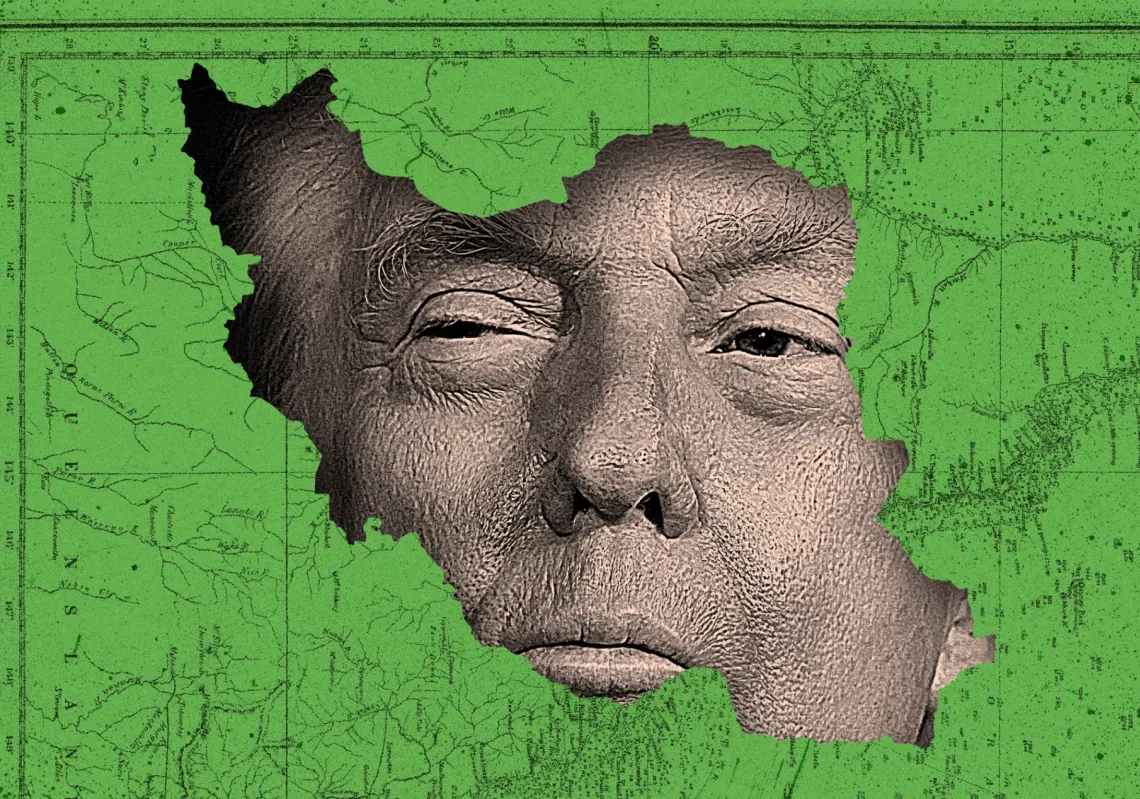
Everything seems locked and loaded. But what exactly is Trump's game plan? And is regime change actually achievable through external military force? History provides a chequered answer.
1. Iran is not Iraq or Libya
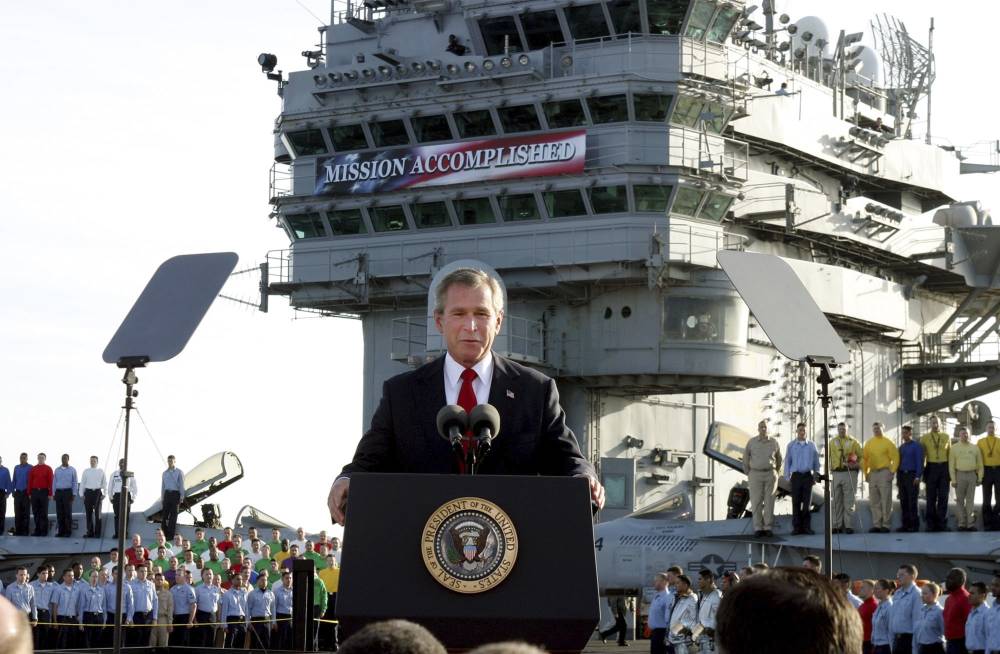
A US-led coalition did succeed in toppling the regime of Saddam Hussein in Iraq in 2003, but it spawned two decades of chaos and sectarian conflict. The 2011 Libya intervention collapsed the Gaddafi regime but transformed the nation itself into a failed state.
But if regime change is indeed the American goal this time around, the US may come to learn that it will be a far more difficult task than Iraq and Libya. Iran is a regional powerhouse of 92 million people, with a Persian identity, language and culture that stretches back millennia.
2. Iran can and will retaliate hard
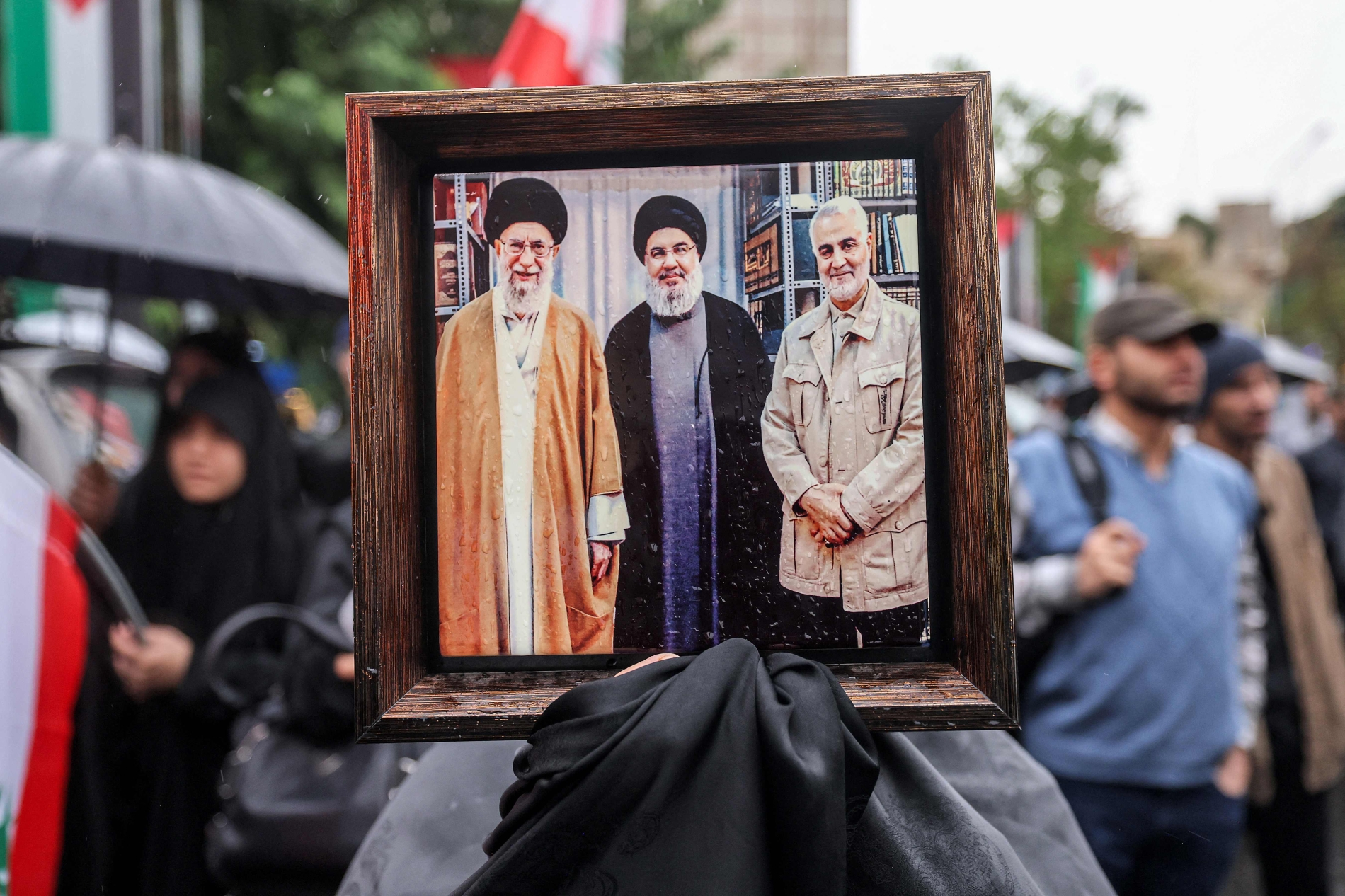
For its part, the IRGC, which forms the core of the Islamic Republic, is not just a military organisation but an entity that permeates all spheres of Iran's economy, society, and politics. While US airstrikes could destroy nuclear facilities and missile bases, and decapitate portions of the regime leadership, including Khamenei and IRGC commanders, this would not necessarily be enough to collapse the regime. The 12-day war last June clearly demonstrated that air power alone isn’t enough to topple the regime.
Furthermore, if an air strike campaign results in significant civilian casualties, this could backfire on the US and actually rally people around their government instead of turning them against it.
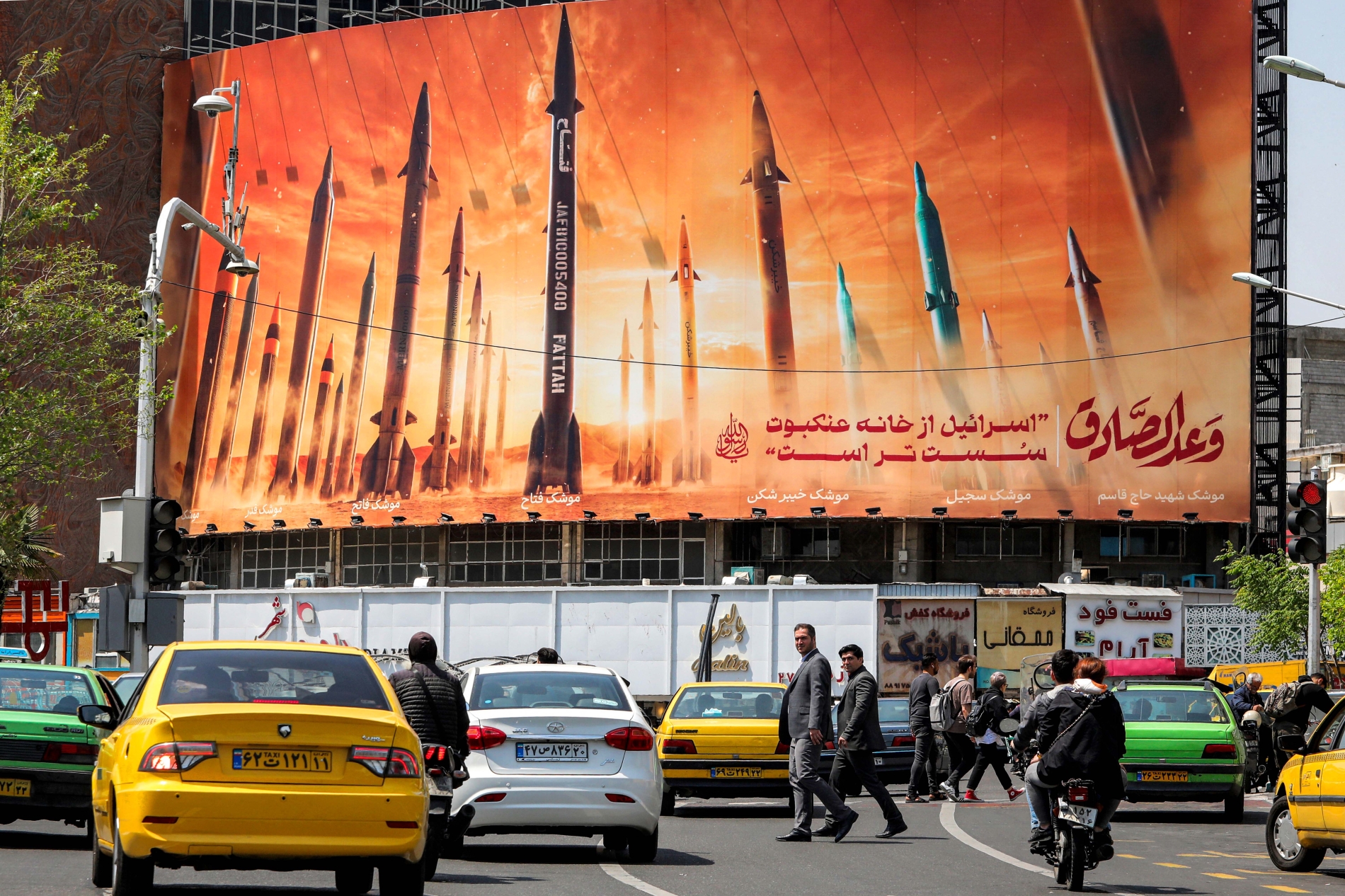
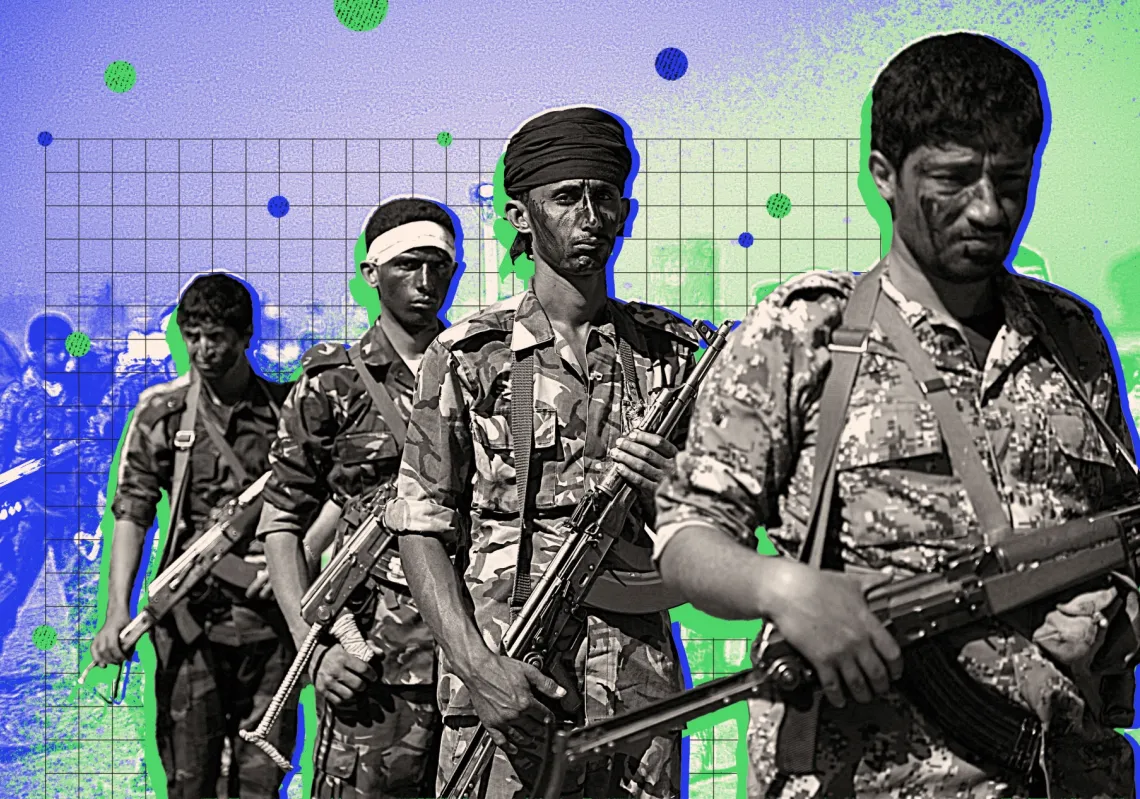
Iran’s retaliatory capabilities cannot and should not be underestimated. The IRGC has a wide range of options at its disposal, from attacking American military bases throughout the Middle East, missile attacks on Israel, a blockade of the Strait of Hormuz, cyber-attacks, and asymmetric warfare through regional proxies. If it delivers on its promise to "hit back hard," things could escalate into an uncontrollable regional war.
Depletion over decapitation
While US military force may not achieve regime change, it could wear it down over time, gradually eroding it rather than suddenly collapsing it. A more plausible scenario is that the collapse of the regime will be a result of slow suffocation through sustained internal and external pressure rather than sudden military force.
Read more: Iran's regime may not be falling, but it is fading