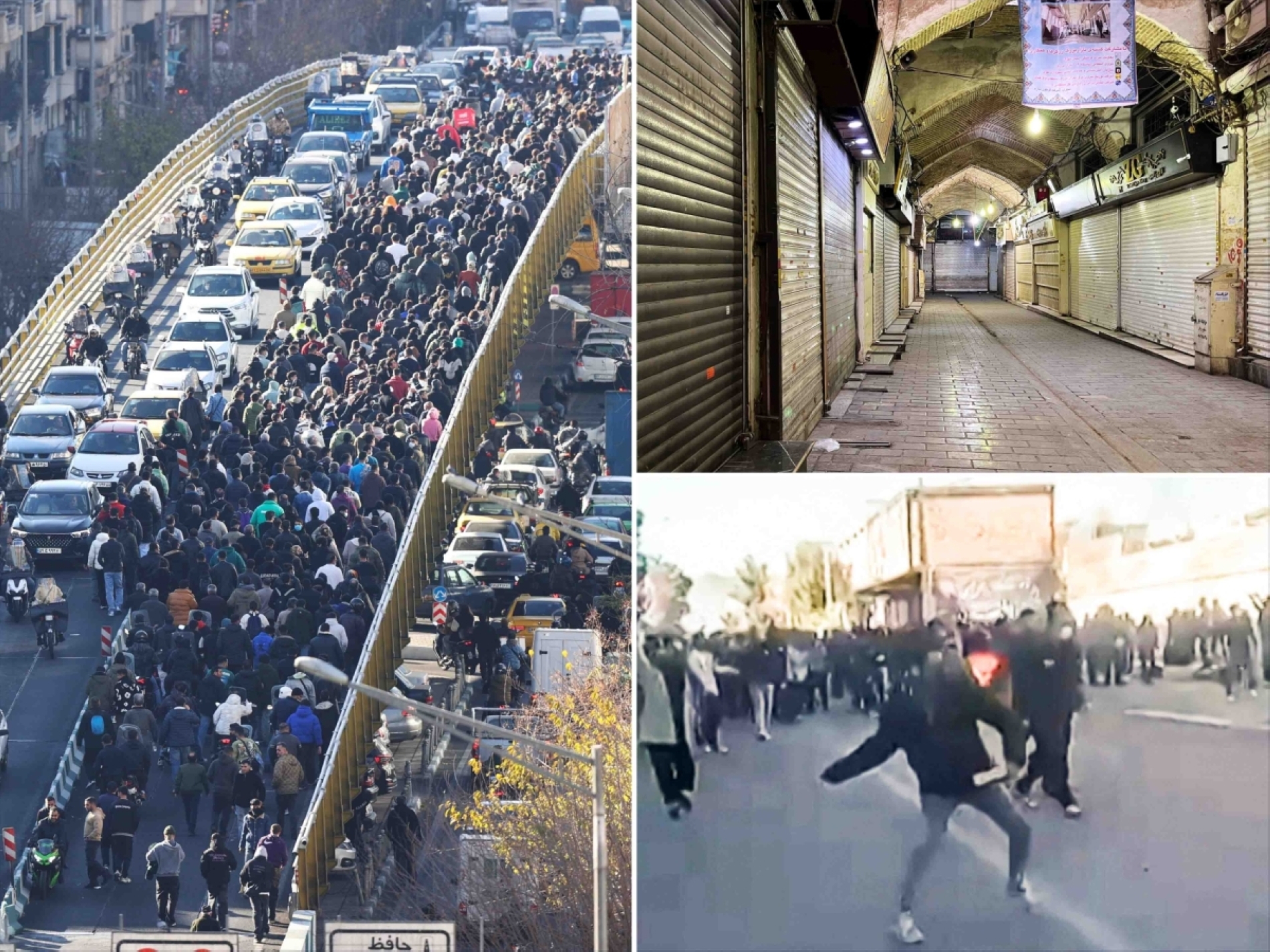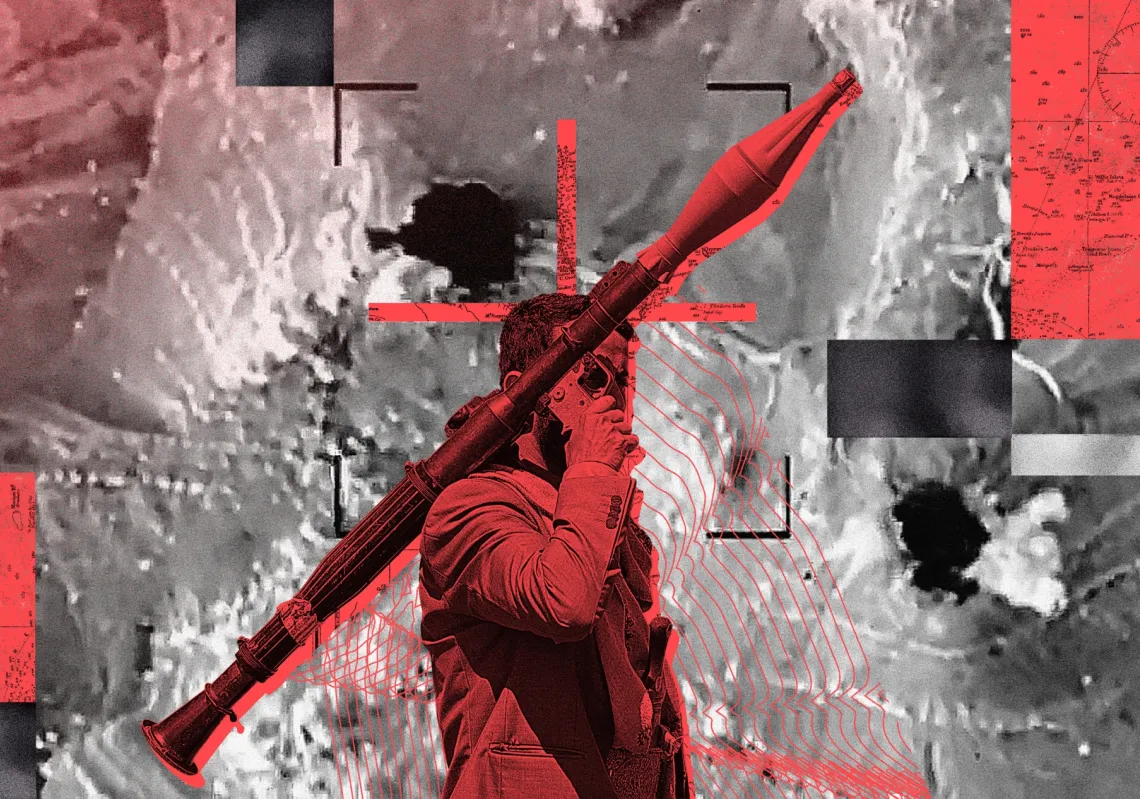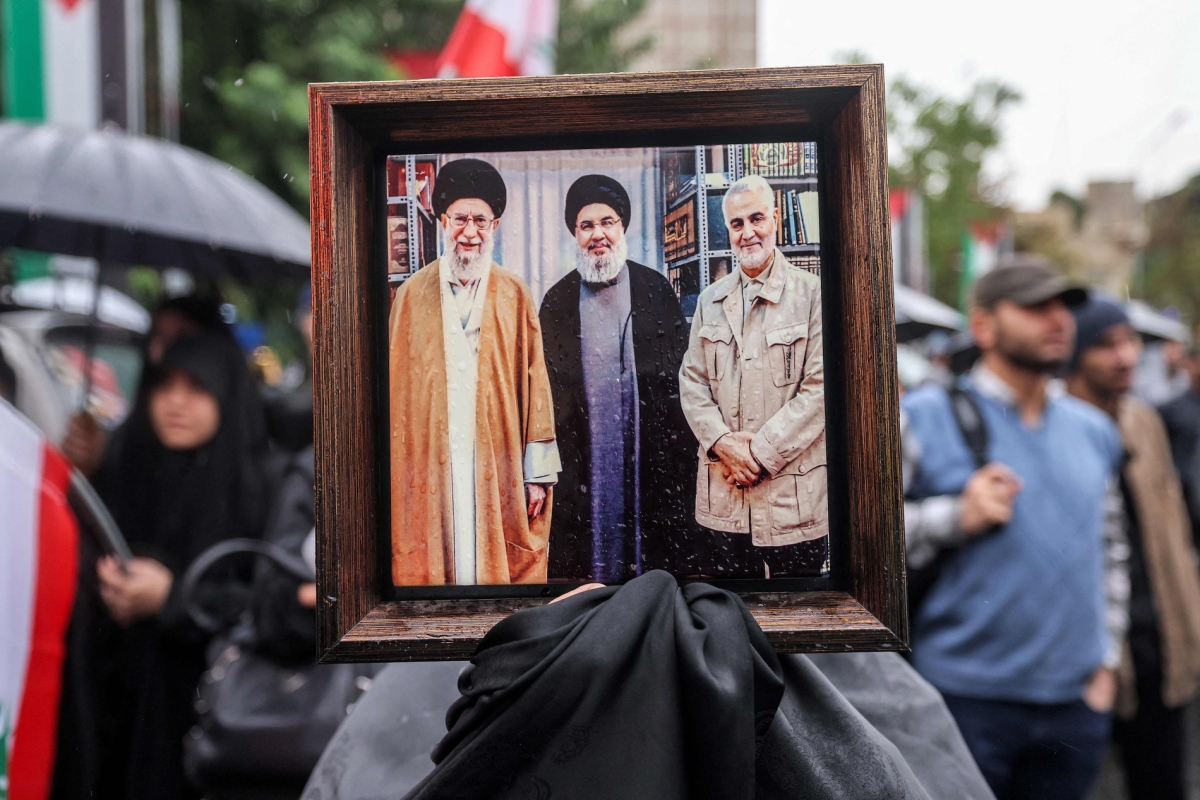

As Iran convulses in yet another wave of protests, Israel and the United States are watching from the sidelines. What began with Tehran’s bazaar merchants protesting the collapse of the rial has spread to at least 220 locations across 26 provinces, with demonstrations escalating significantly during the night of 8 January.
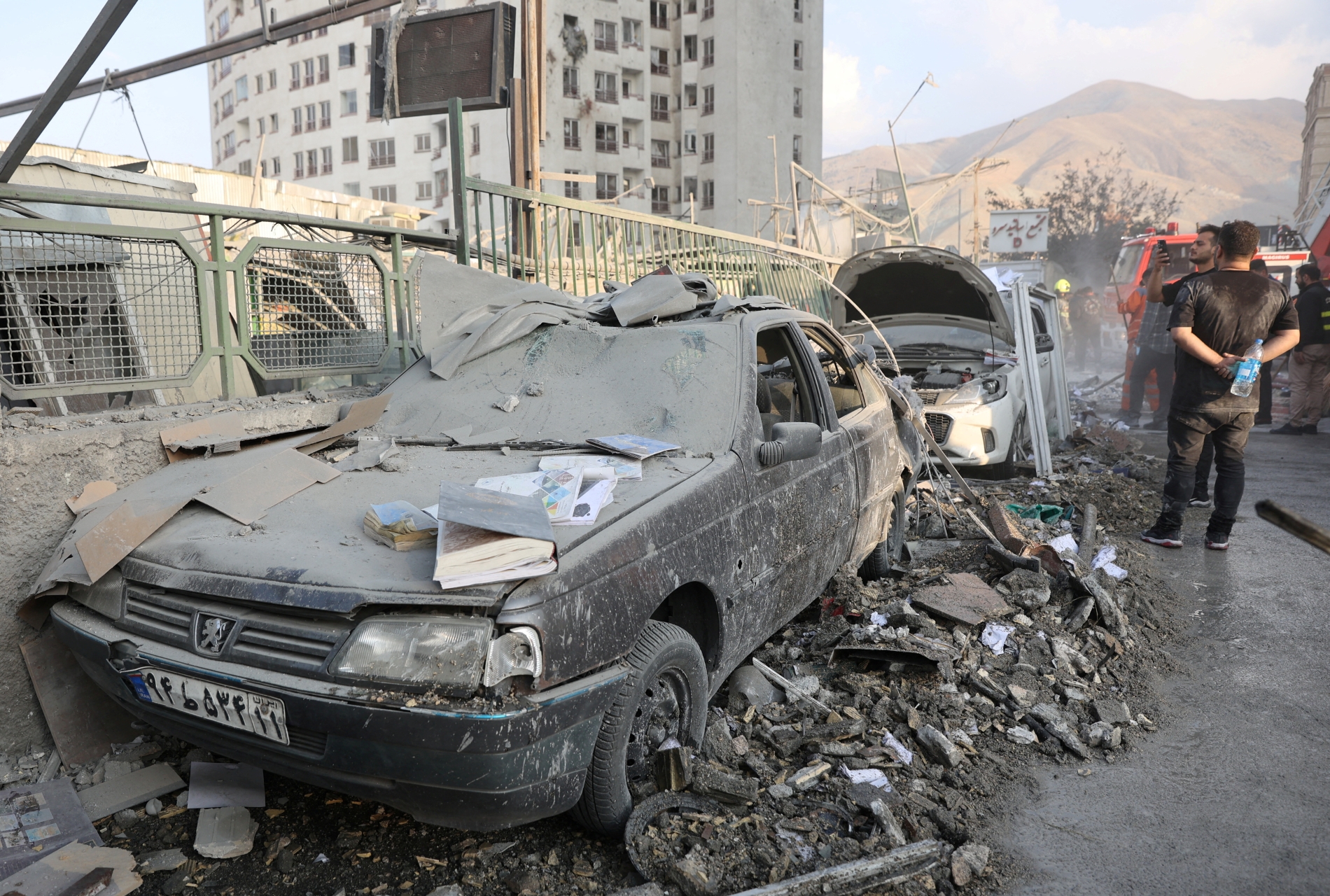
Yet what makes this moment significant is not just the scale of unrest—Iran has seen larger and more sustained uprisings—but the strategic environment surrounding it. The Islamic Republic now confronts a radically altered landscape. Its “forward defence,” the Axis of Resistance, has been battered into irrelevance. Iran’s air defences were destroyed during the 12-day war with Israel. More troubling still, President Trump has demonstrated a willingness to confront Tehran directly by bombing Iranian nuclear sites last year, while also showing he “means business” by snatching Nicolás Maduro (an Iranian ally) from his bed in Caracas.
These pressures are compounded by a profound shift in Israel’s own strategic thinking. Since October 7, Israel has abandoned the logic of conflict management and the “war between the wars"— a doctrine built on containment and calibrated escalation. Wars have already been fought. In Israel’s mind, the country’s defensive perimeter no longer runs along its borders, but inside its enemies’ territory.
Israel is no longer satisfied with tactical gains— destroying a weapons depot here, assassinating a nuclear scientist there. Instead, it is pursuing a far more ambitious objective—the remaking of the regional order through the collapse of the Islamic Republic itself. Israel is betting that an Iranian regime weakened by economic collapse, military humiliation, and regional isolation can be pushed over the edge, provided pressure is applied with precision, and at exactly the right moment.
A different backdrop
The protests sweeping Iran today differ from previous rounds of unrest in one crucial respect: they occur against the backdrop of demonstrated regime vulnerability. In 2009, 2018, and 2022-23, protesters faced a regime that still commanded regional respect and projected an aura of strength. As mentioned above, this is not the case today. This changes the calculus of both protesters and security forces.
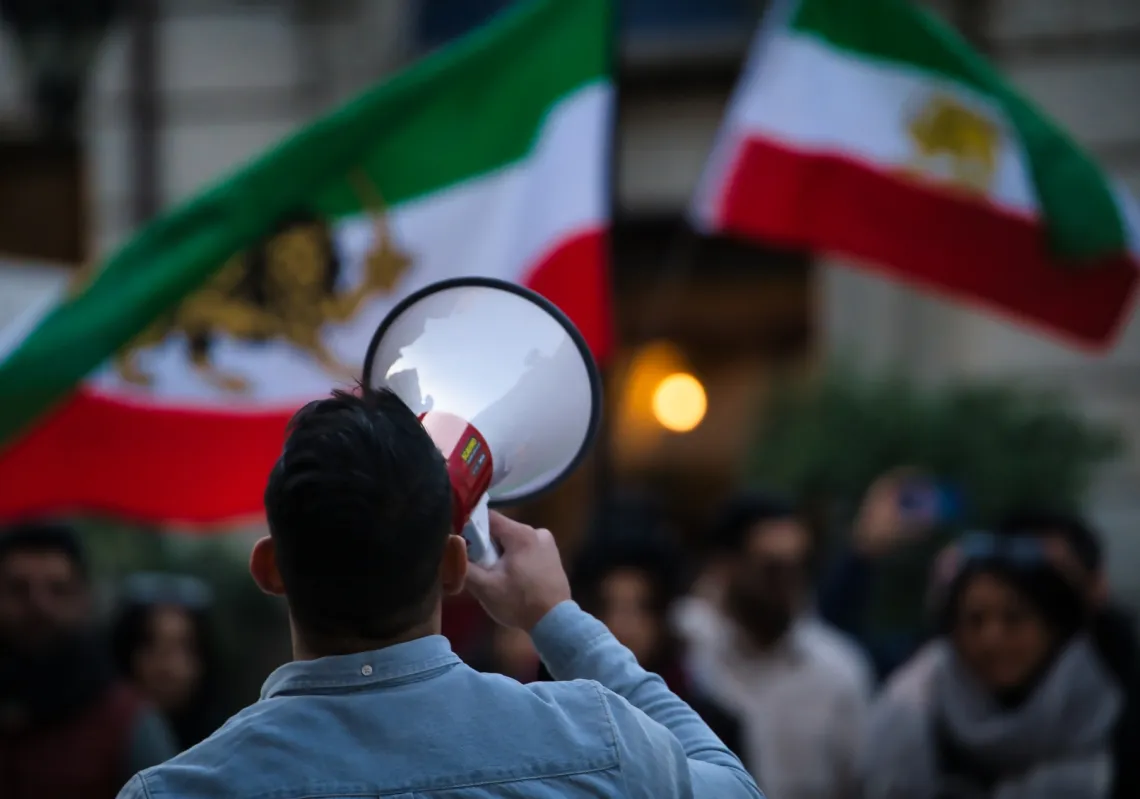
Yet the question remains: has the unrest reached the critical mass necessary to topple the regime? When protests started in late December, the answer was likely no: videos showed only hundreds, and at most a few thousand, protesters at a time. However, this changed dramatically on 8 January, after a call by Reza Pahlavi, the son of Iran’s Shah, to demonstrate.
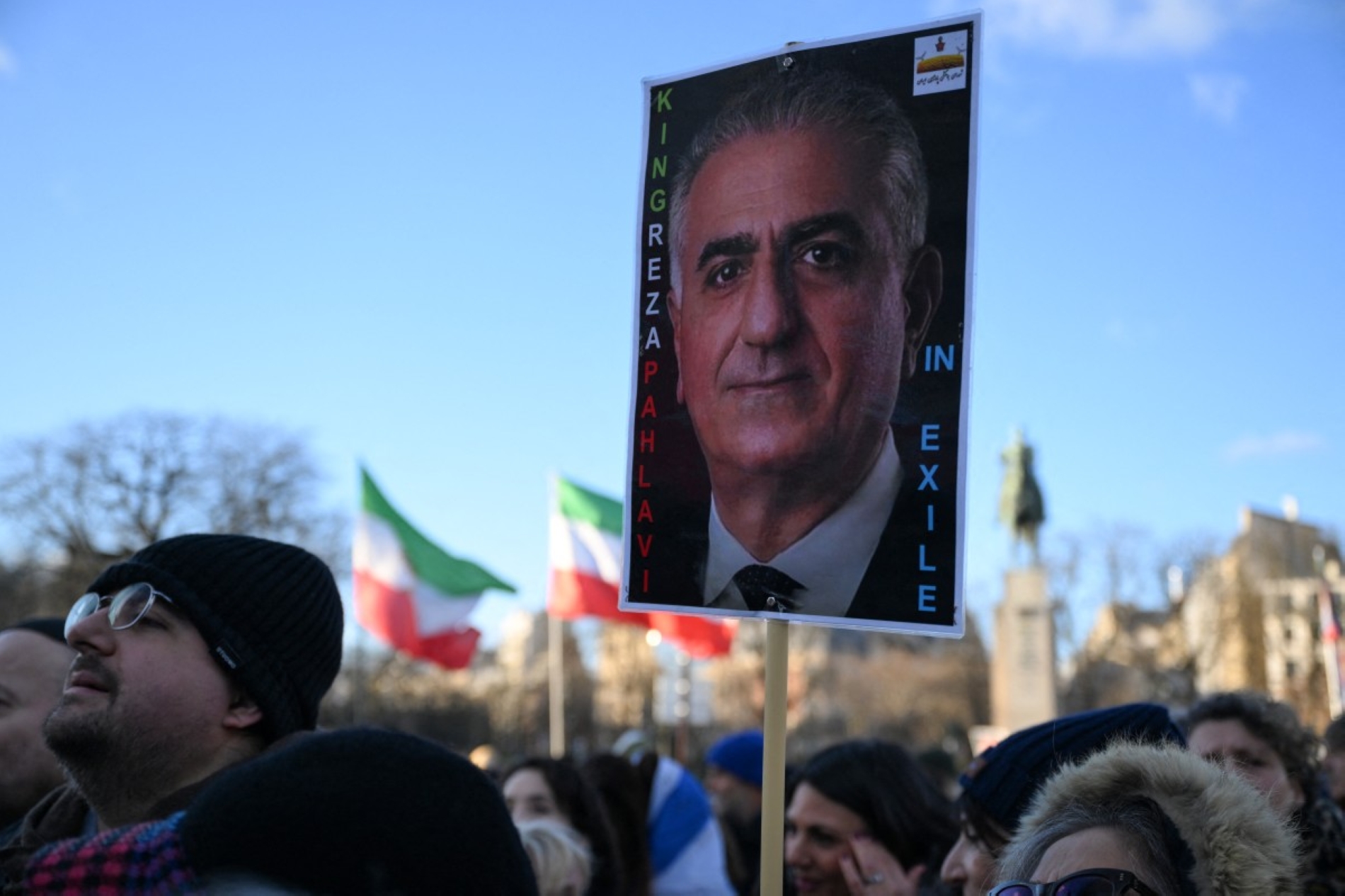
That night, dozens of thousands of protesters were seen streaming out of major urban centres, including Tehran and Mashhad—a sight not seen since 2022, if not 2009, during the Green Movement protests that mobilised millions. The movement is clearly morphing into something that could prove lethal to the regime.
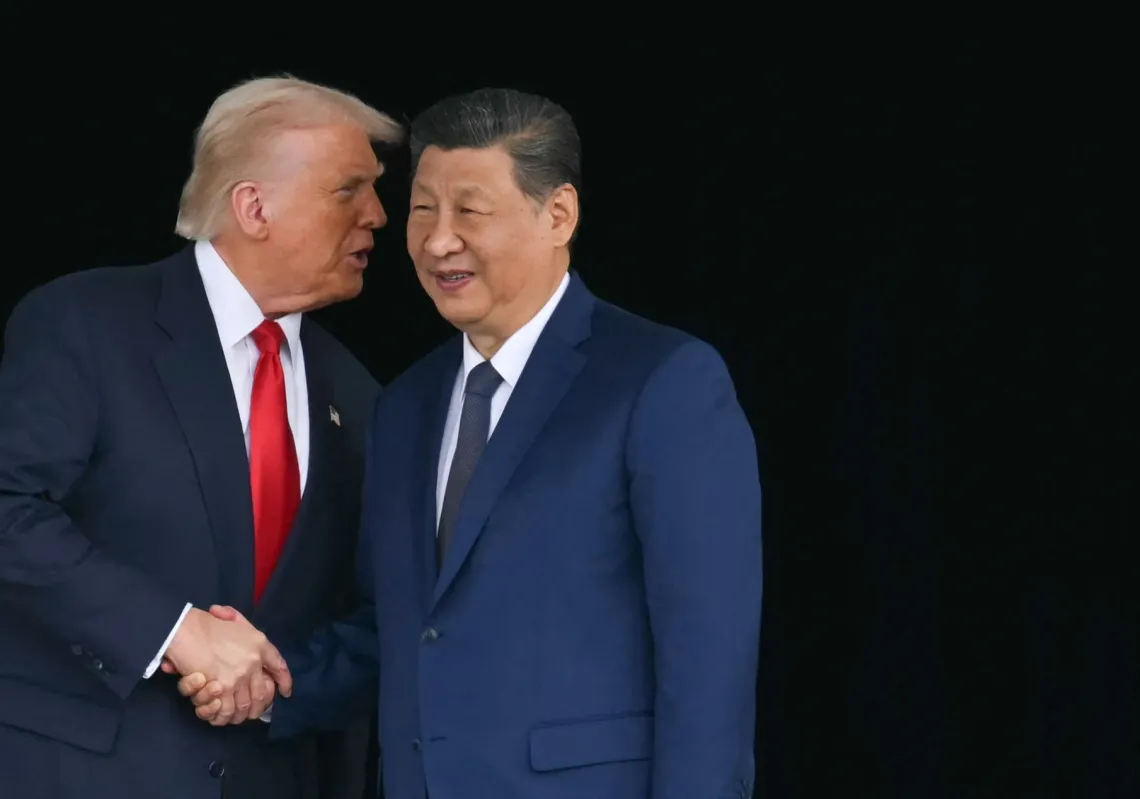
The Trump Factor
It is possible that Pahlavi’s call was one of the main triggers in mobilising decades of pent-up anger against the Islamic Republic. But one should also not discount the effect of another key actor: President Trump. His decision to publicly threaten Iran likely delayed a forceful response and gave protesters hope that Washington wouldn’t stand on the sidelines. The threat is real: If anything, President Trump has proven he was willing to back his words with action.