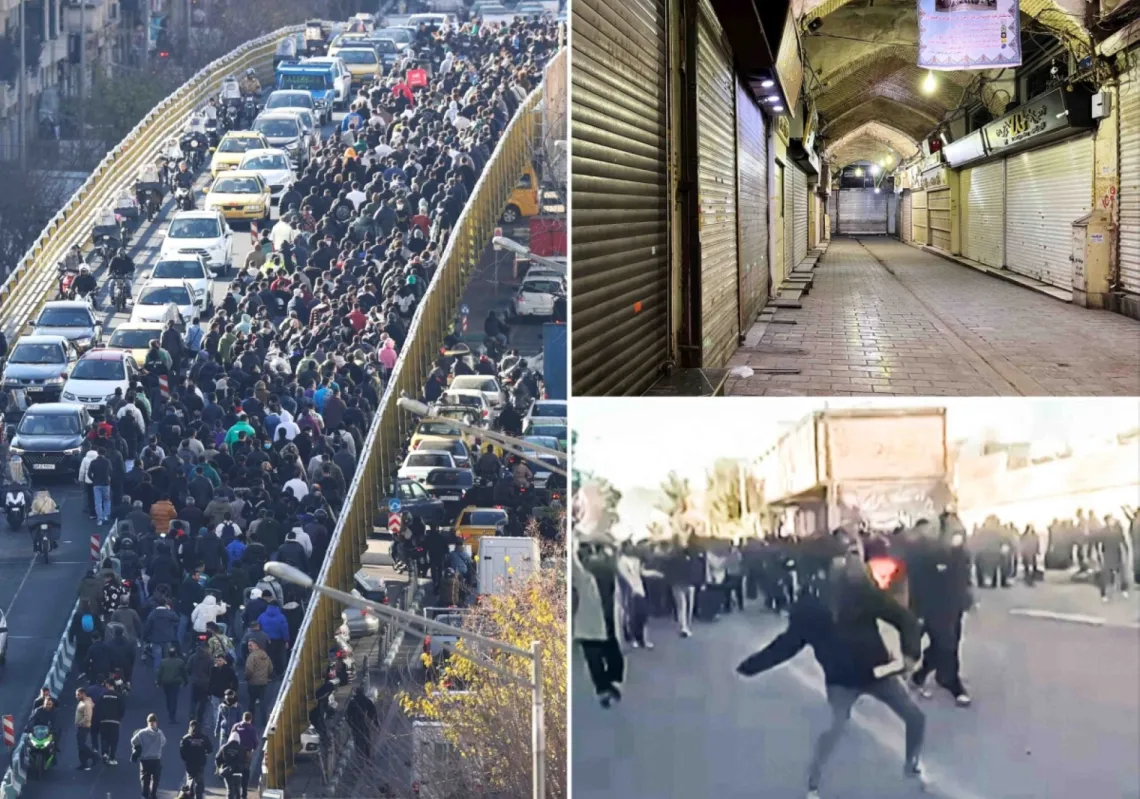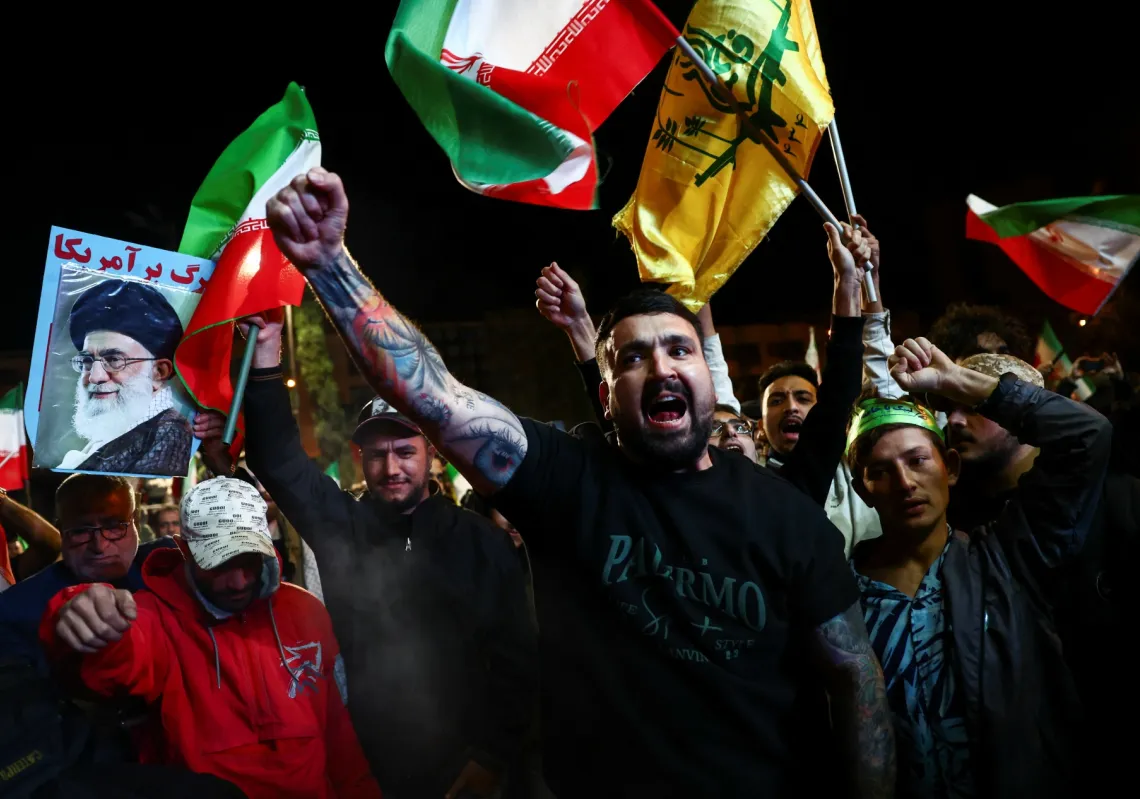

A new wave of anti-government protests in Iran, which broke out on 28 December, entered a dramatic new phase on 8 January. Throngs of people filled the streets all over Iran, including in the country’s largest cities such as Tehran, Mashhad and Isfahan. The regime responded with a total internet shutdown, which made it harder to assess the crowd sizes, but all evidence points to some of the largest protests in recent Iranian history.
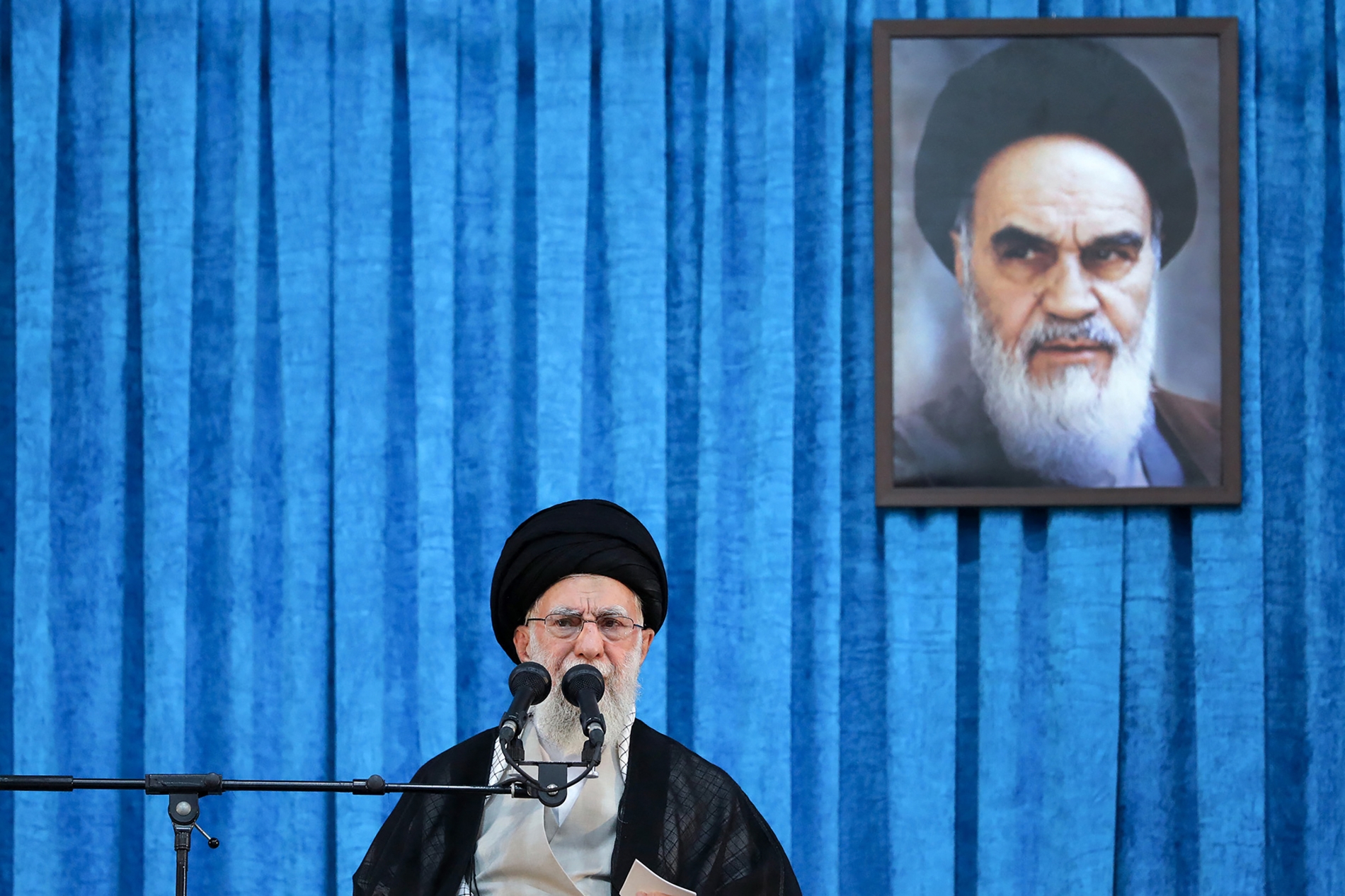
The spark of the initial protests was the fall in the value of Iranian currency, but they quickly became political. This is because it has become clear to all serious observers that the country’s economic problems are entangled with a myriad of unaccountable institutions that make up the Islamic Republic, all headed by the 86-year-old Supreme Leader Ayatollah Ali Khamenei.
As they had in previous protest waves in 2017-18, 2019-20 and 2022-2023, Iranians now chanted "Death to Dictator" and other slogans directly targeting the top echelon. Another popular one was "Khamenei is a Murderer, His Leadership is Annulled". The ferocity and intensity of the protests were evident in dramatic actions, including an attack on a local governor’s office in Shazand and on the provincial state broadcaster's headquarters in Isfahan.
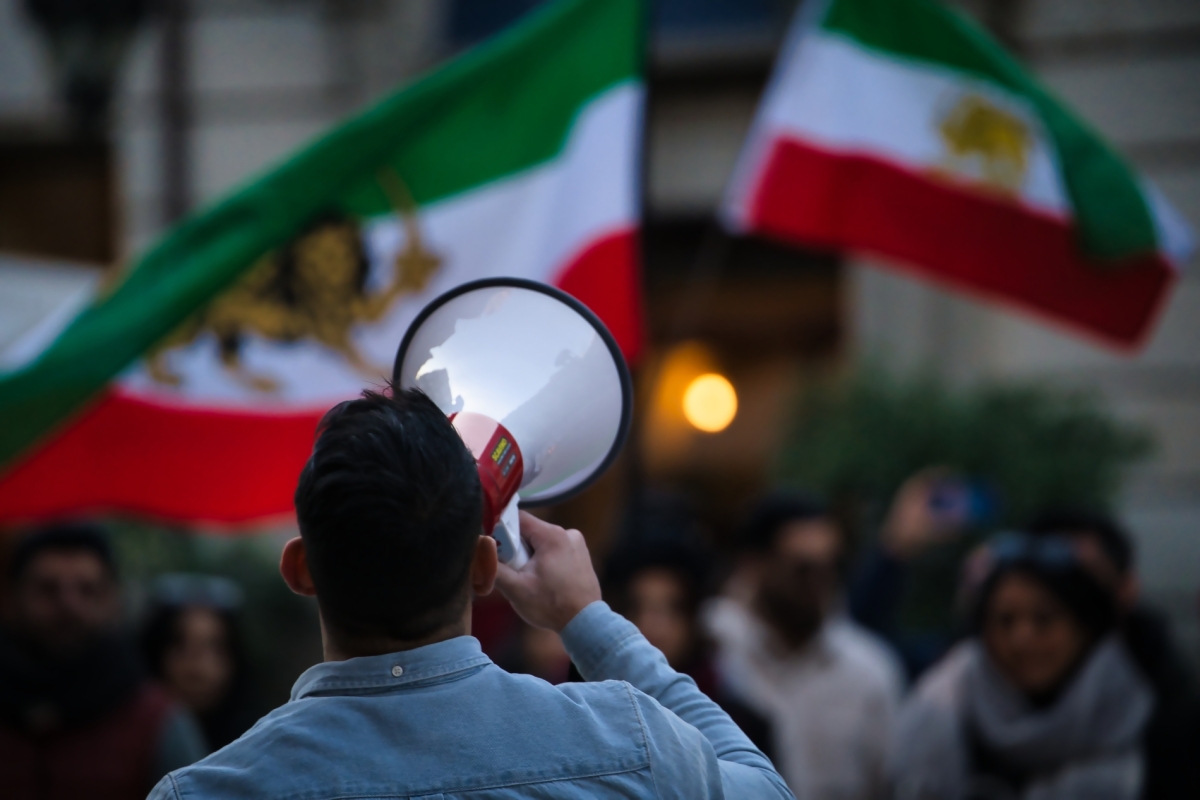
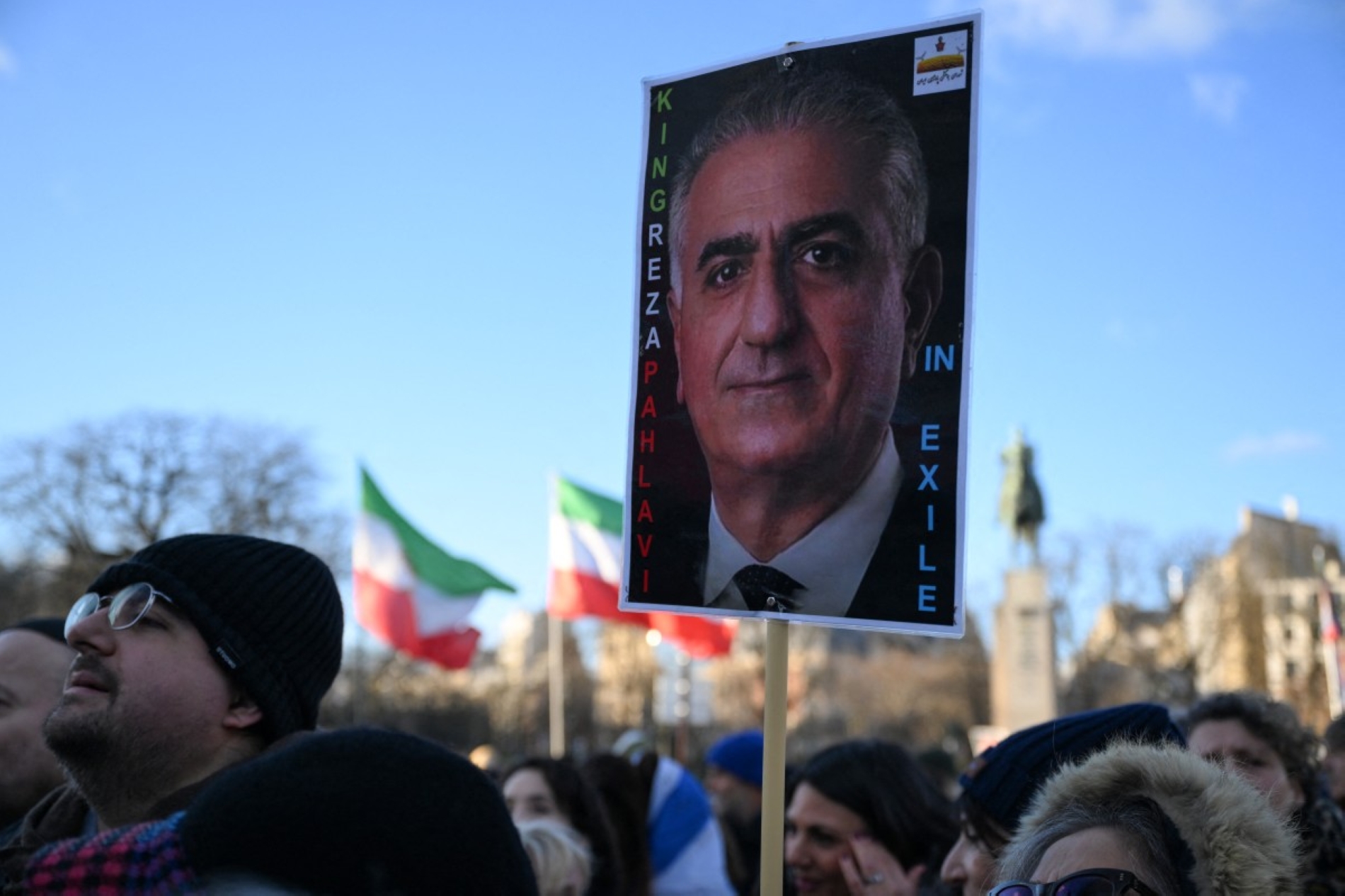
A considerable number of protesters, in cities all over Iran, chanted slogans in favour of Reza Pahlavi, son of the last Shah of Iran, who has posed himself as an opposition leader from his American exile. In fact, Pahlavi had called for slogans to be chanted at 8 pm on 8 and 9 January, adding that, based on the response to this initial call, he’d issue further calls to action. The massive show of force so far has added to his clout. Issuing a message after the Thursday protests, he asked more people to join and pledged: “Be sure that victory belongs to you.”
Divisive figure
Pahlavi remains a divisive, not a unifying figure. The movement around him has practised an ultra-nationalist, right-wing politics, often characterised by noxious speech, which has repelled many Iranians. All of this means that his camp has done little to assure others of their democratic credentials. But his supporters have seemingly increased.
The evidence for this is not just the street chants, but that most Iranians now know several people around them who support Pahlavi. This support is not always for the restoration of the monarchy or Pahlavi’s politics as a whole. Many simply see him as a necessary figurehead to challenge the Islamic Republic.