Diversification and growth: how Gulf economies fared in 2025https://en.majalla.com/node/328867/business-economy/diversification-and-growth-how-gulf-economies-fared-2025
Diversification and growth: how Gulf economies fared in 2025
Economic and technological dynamism characterised 2025, with ambitious initiatives aimed at accelerating non-oil growth, diversifying national economies, and ushering in regional integration
AFP-Eduardo Ramon
Diversification and growth: how Gulf economies fared in 2025
The Gulf states navigated a challenging economic landscape in 2025 while pressing ahead with diversification efforts. Although they continued to rely on oil revenues as the main source of sovereign income, declining prices and limited responsiveness from oil markets were a defining feature of the year. Ongoing regional security crises and OPEC+ production cuts also led some traditional producers to lose market share.
Nevertheless, Saudi Arabia, the UAE, and, to a certain extent, Oman succeeded in boosting their non-oil exports. Kuwait, Qatar, and Bahrain also continued to support non-oil sectors, reinforcing diversification and advancing structural reforms.
Those same states remained pivotal players in Arab economies, extending their support to Egypt and seeking to assist Syria following the ousting of the Assad regime in December 2024. They also closely monitored Lebanon’s efforts to restore political stability and security, the country’s economic restructuring, and initiatives to free the banking sector from a legacy of political mismanagement. These steps were viewed as essential for restoring investor confidence and improving economic conditions.
One of the most notable indicators of Gulf economic performance was the strength of the GCC’s banking sector. The Gulf’s 53 publicly listed banks reported net profits of $47.9bn during the first nine months of the year, representing a 9.9% increase compared with the same period last year. This growth reflected a more favourable credit environment for banks, suggesting improved conditions across economic sectors and increased corporate activity, which drove higher borrowing to support expansion. Banks in the UAE reported earnings of $18.2bn, followed by Saudi Arabia ($17.4bn), Qatar ($6.4bn), Kuwait ($4.2bn), Oman ($1bn), and Bahrain ($724mn).
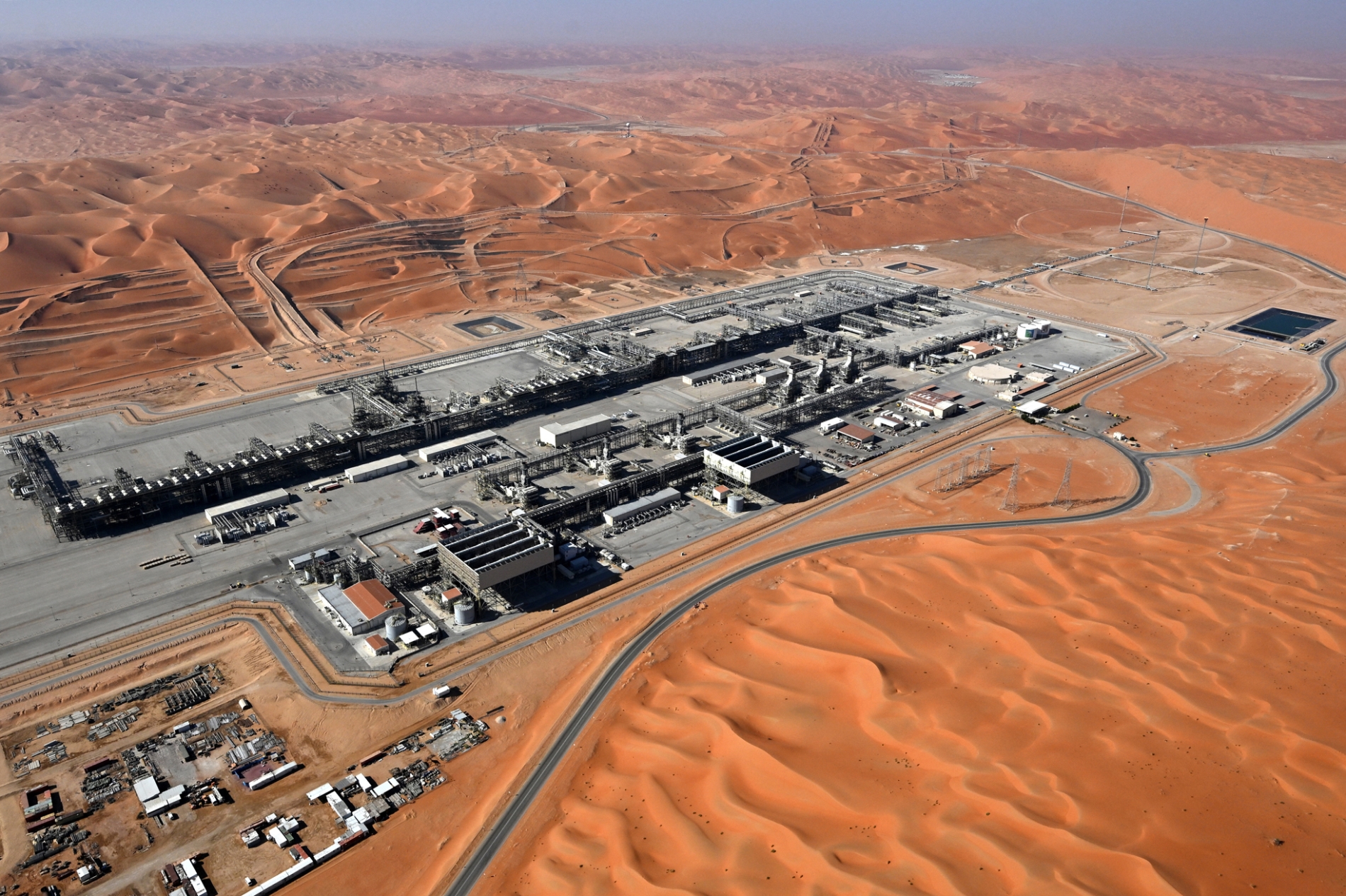
An oil refinery in Aramco's Shaybah field, January 12, 2024.
Oil trajectories amid price declines
The Gulf states are among the world’s leading exporters of oil and natural gas, with their economies relying on revenue from these resources to finance public budgets and support both operating and capital expenditures. In 2025, oil markets witnessed several price declines before stabilising at around $65 per barrel. This level proved insufficient to sustain national budgets amid rising expenditure, underscoring that continued reliance on oil income alone risks leading to fiscal deficits.
Oil production across the Gulf declined as a result of decisions by OPEC and OPEC+ aimed at supporting prices. However, these measures reduced output quotas for some producers, creating opportunities for countries outside the alliance to supply consumer markets. Meanwhile, tensions over security, the war in Ukraine, the conflict in Gaza, and sanctions on Iranian exports did not push oil prices higher. Russian oil, despite sanctions restrictions, continued to reach markets, including China and India.
The GCC's GDP expanded by approximately 3.8% in 2025, with non-oil activity spanning manufacturing, tourism services, and infrastructure
IMF
Gulf oil production averaged around 17 million barrels per day in 2025, with Saudi Arabia leading the region and potentially reaching up to 11 million barrels per day under its designated quota. However, the current oil market is increasingly shaped by global demand rather than the policies of producing organisations. It is now regarded as a buyer's market, given the economic difficulties experienced by major consumer countries such as China, Japan, India, and South Korea.
Furthermore, fossil fuels, including oil, gas, and coal, face mounting environmental challenges, driven by the UN's sustainability targets, national goals to reduce carbon emissions, initiatives to promote decarbonisation, and the shift towards alternative, environmentally friendly energy sources.
Despite these efforts, 2025 once again underscored the central role of oil and gas in the global energy economy. They continue to supply a significant share of heating and industrial requirements, while around 71% of global oil consumption remains linked to the transport sector through the use of petrol and diesel.
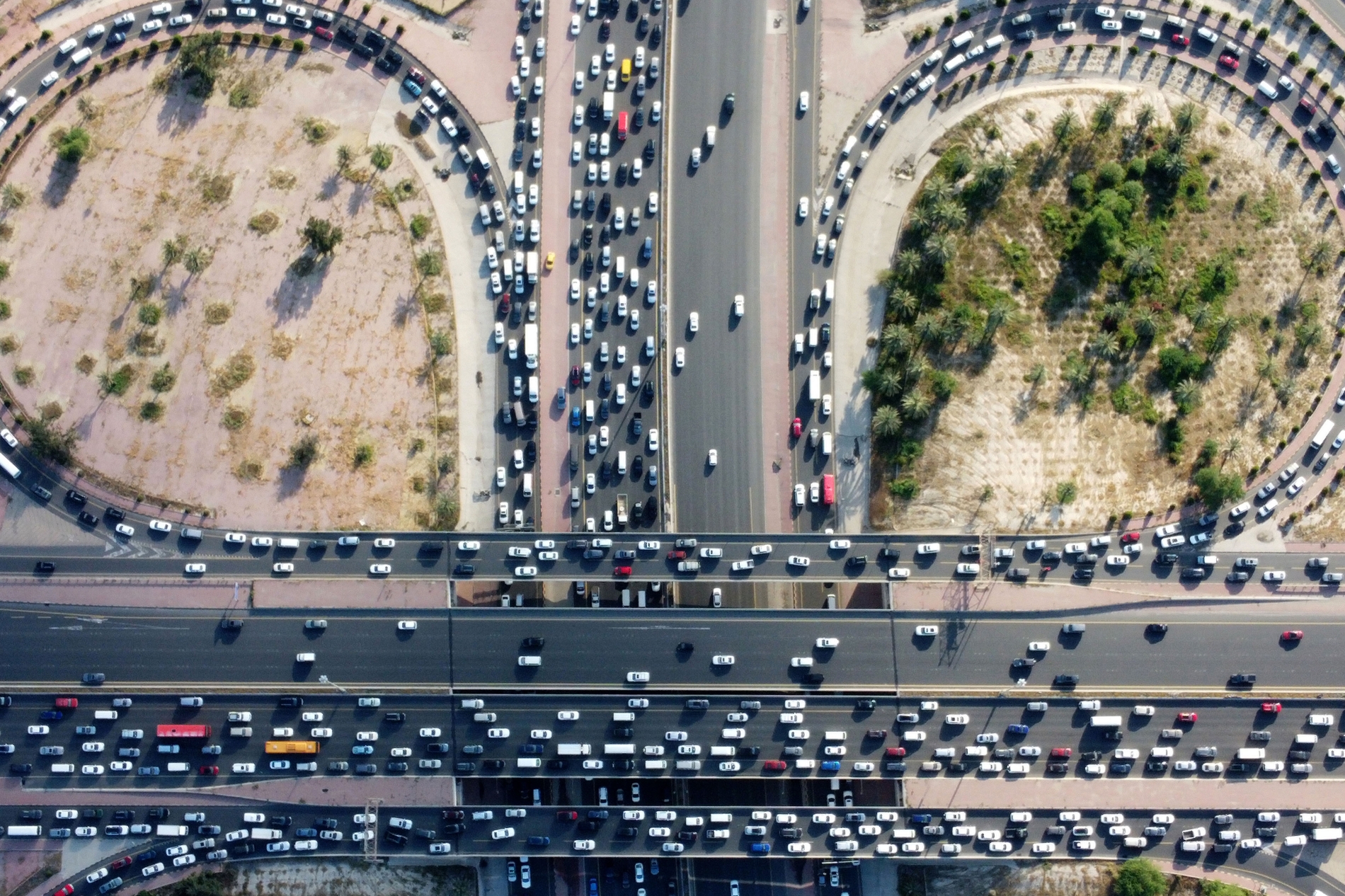
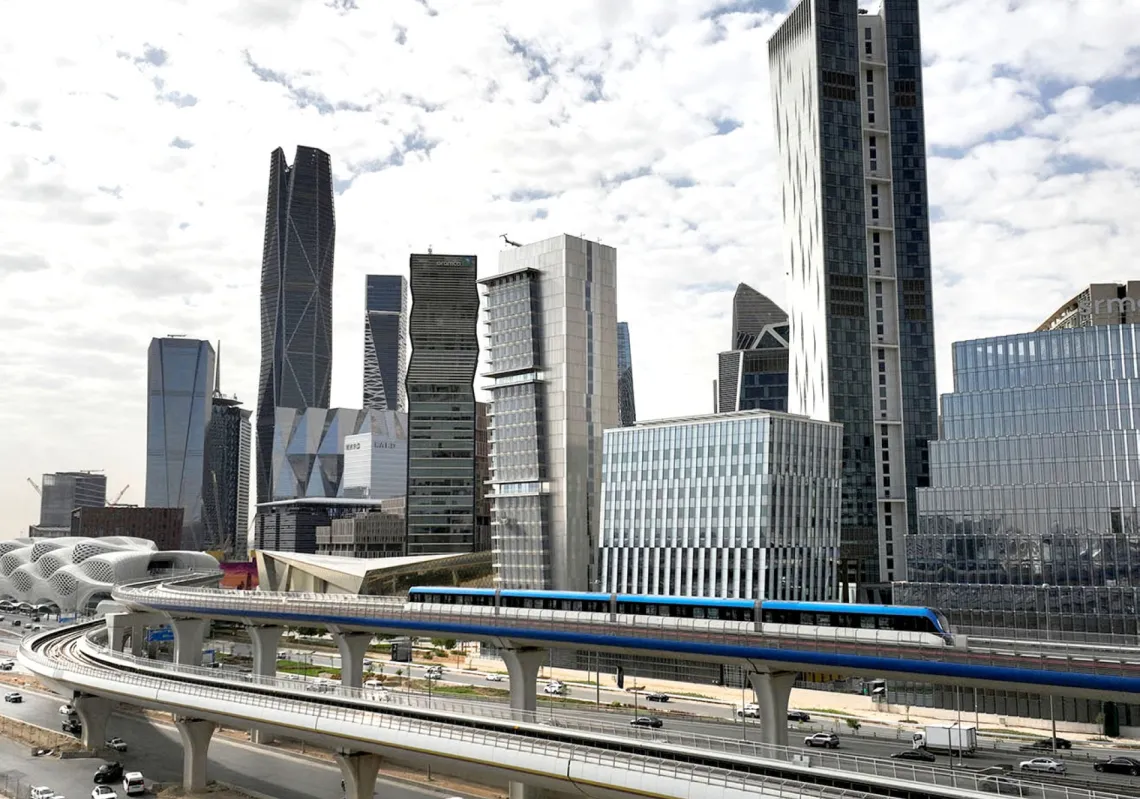
An aerial picture shows heavy traffic on two main highways in Kuwait City on March 27, 2023.
Diversification and foreign investment
Gulf states continued to diversify their economies and develop alternative sources of income. Throughout the year, significant progress was made in strengthening key sectors, boosting both the volume and value of non-oil exports. Official data points to steady growth in this area, with the value of non-oil exports increasing over the past few years.
According to the International Monetary Fund, the GCC's GDP expanded by approximately 3.8% in 2025, with non-oil activity spanning manufacturing, tourism services, and infrastructure. These results reflected a concerted effort by regional governments to broaden the economic base and increase the contribution of non-oil sectors to GDP. Such sectors are critical for job creation and for equipping citizens with skills tailored to shifting market demands.
The year witnessed increased activity around direct investment, with Saudi Arabia hosting several key events. In October, it held the EISAR Conference in Riyadh under the patronage of Minister of Commerce Majid bin Abdullah Al-Qasabi, followed by the ninth edition of the Future Investment Initiative. The latter, themed 'The Key to Prosperity', brought together over 7,500 global decision-makers, investors, and innovators.
Despite these events, foreign direct investment (FDI) inflows into the Gulf declined in 2025 due to regional instability and falling oil prices. Nevertheless, the total value of FDI in the region is expected to surpass $1tn by the end of the year, up from approximately $894bn at the end of 2024. The central question remains whether FDI will play a decisive role in diversifying the region's economic base.
Gulf economic policymakers view FDI—alongside private sector employment—as a key instrument for enhancing efficiency and improving the overall business environment. Several laws have been amended to enhance the region's investment appeal, most notably Saudi Arabia's investment law, which has expanded property ownership rights for non-Saudis, including residential and commercial ownership in certain areas of the country.
The year represented a turning point in government efforts to strengthen non-oil sectors, simplify company registration, and facilitate capital deployment. However, disparities remain in the attractiveness of Gulf economies, with some states outperforming others based on investment standards and international confidence in the effectiveness of existing laws and regulations.
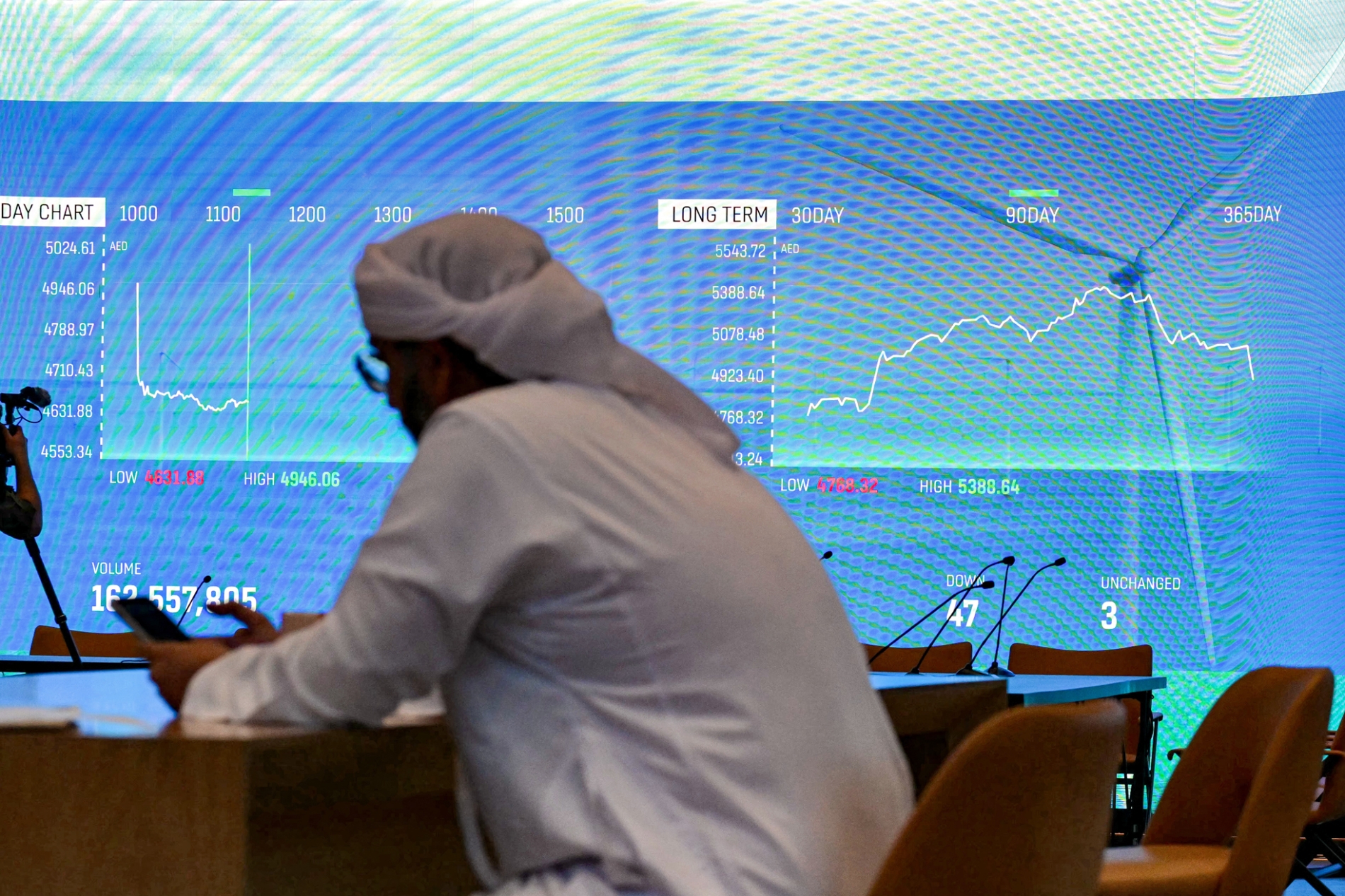
A trader monitors stock market indicators in Dubai, in line with customs tariffs on 7 April 2025.
Macroeconomics and sovereign wealth
A World Bank report published in early December confirmed that economic growth across the Gulf remained positive. The UAE recorded the highest growth rate at 4.8%, followed by Saudi Arabia at 3.8%, Bahrain at 3.5%, Oman at 3.1%, Qatar at 2.8%, and Kuwait at 2.7%. The region's total GDP is estimated at around $2.37tn, placing it 10th globally, with Saudi Arabia alone contributing 53% of total output.
The Gulf remains the primary driver of the Arab economy. The total GDP of Arab countries is expected to reach approximately $3.8tn in 2025, with Gulf states accounting for around 62% of this total. While the oil sector remains a dominant factor, Gulf policymakers have fostered economic growth through adaptability and openness. Their backing of the private sector and investment in key sectors highlights the success of ongoing diversification efforts and the enhancement of productive capacity across the region.
The total assets of Gulf sovereign wealth funds neared $5tn in 2025, with projections suggesting they could rise to around $7tn by 2030. These assets are strategically important, providing a vehicle for economic diversification through investments across a broad range of instruments. These include equity shares, various forms of bonds, real estate, and companies operating in key sectors such as renewable energy, artificial intelligence, and services.
These investments are distributed across several countries, most notably the US, Japan, and European nations, with renewed interest in Chinese markets emerging in 2025. The returns generated from these investments enhance the Gulf's ability to manage volatility in global energy markets, particularly short-term declines in oil and gas prices.
Effective management of sovereign wealth funds requires careful monitoring of political and economic developments in host countries, as well as adaptability to local legislation and awareness of potential international disputes. This is particularly relevant in the context of ongoing tensions over tariffs between the US, China, and the European Union.
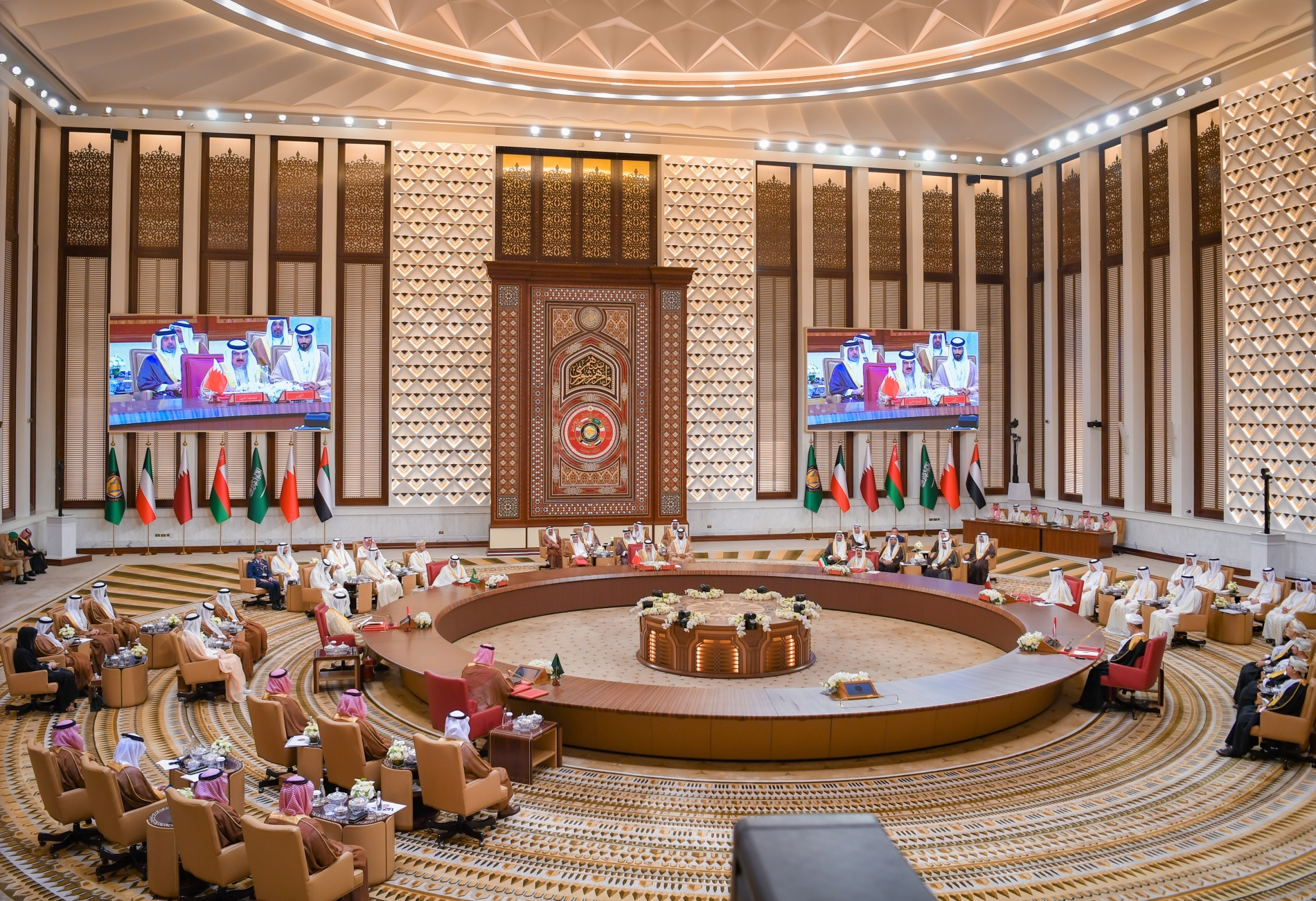
Against this backdrop, the Gulf Summit held in Sakhir, Bahrain, on 3 December reaffirmed key political, security, and economic priorities, indicating a shifting approach to both regional and international engagement.
The opening session of the 46th Gulf Cooperation Council summit in Bahrain
Activating the customs union framework
The Gulf Summit placed significant emphasis on economic priorities, particularly the need to activate the mechanisms of the Gulf customs union. It also underlined the importance of regulating cross-border trade in services. The final communiqué called for the development of manufacturing industries within the GCC states and the establishment of clear rules governing property ownership.
On the infrastructure front, the statement highlighted the urgency of completing projects overseen by the Gulf Civil Aviation Authority, based in the UAE, and of advancing the GCC Railway Project to strengthen regional connectivity.
The summit's communiqué reflected the Gulf leadership's commitment to advancing structural economic integration and refining the legal and regulatory frameworks that govern business activity. Public expectations across the region remain high. However, if the goals outlined in the communiqué are achieved within a reasonable timeframe, the Gulf states will have made significant progress in strengthening the foundations of economic unity by 2025.