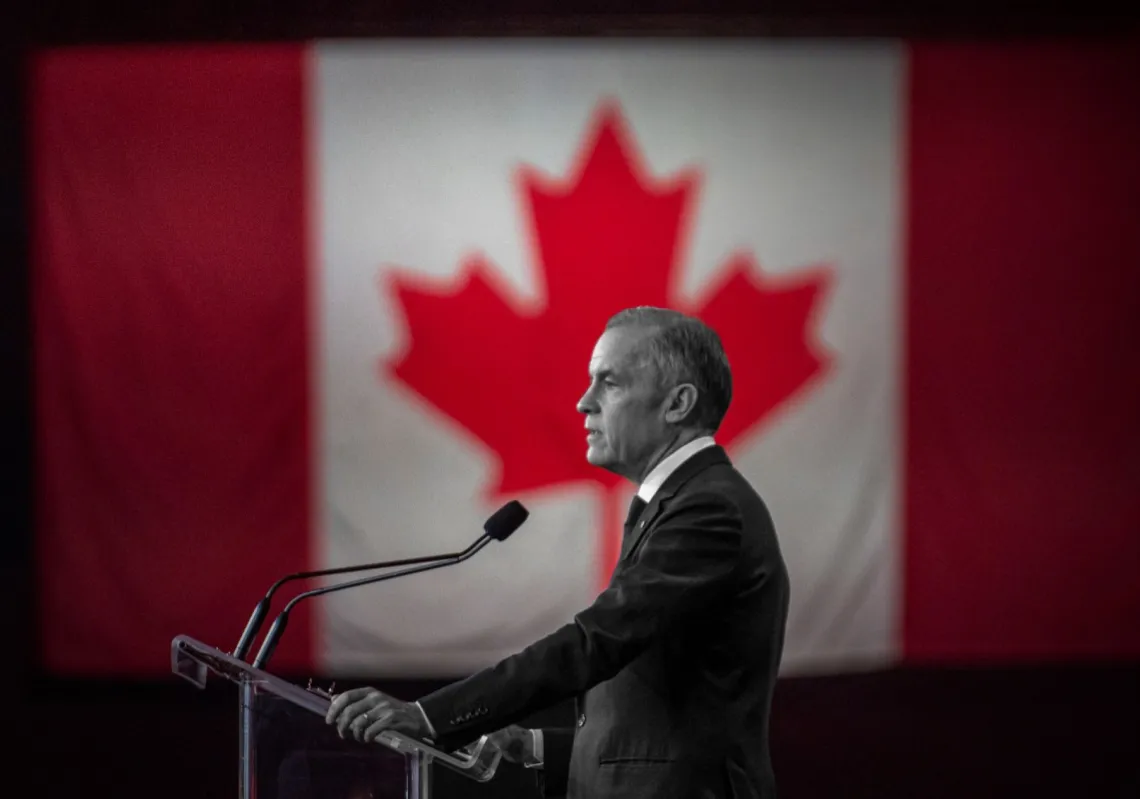
Faced with tariffs and geopolitical instability, Canada's prime minister has responded with state-backed investment, energy pragmatism, and a push for economic independence
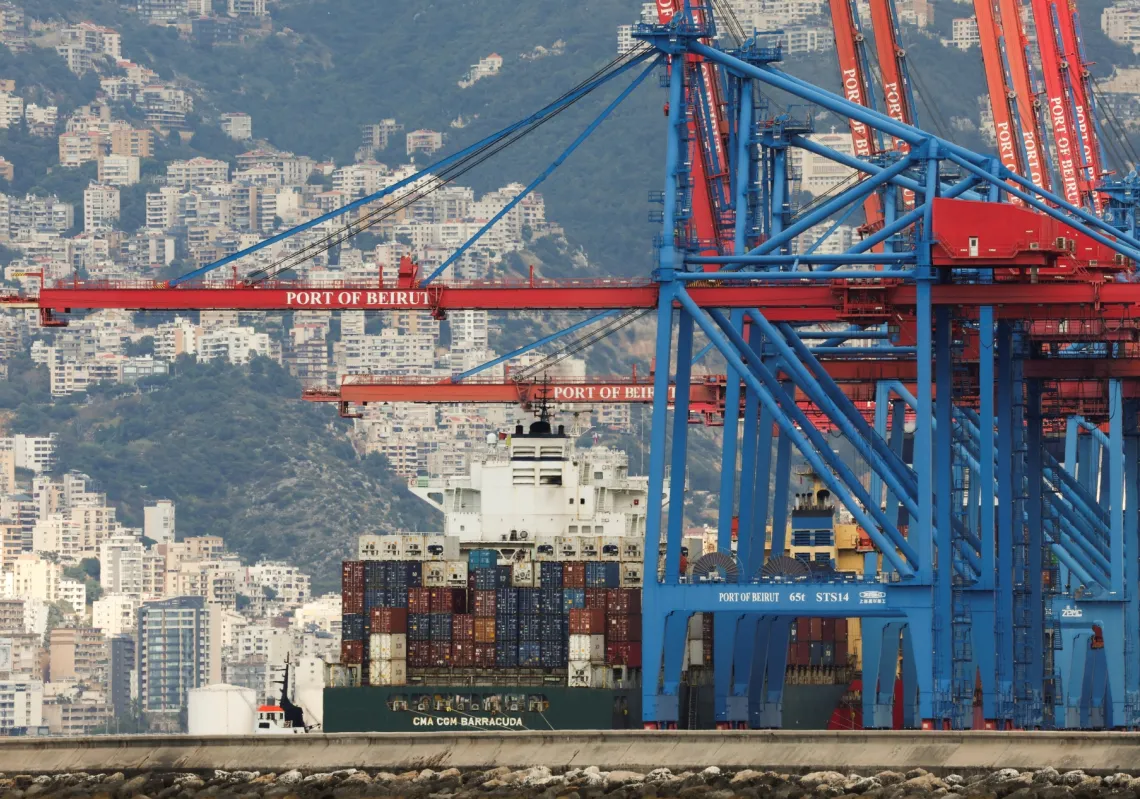
Proponents of a peace deal argue that by reducing security risks with Israel, Lebanon can move from a volatile frontier market into a regional hub much like the UAE.
There are common themes between those states experiencing growth and those facing crisis and instability. It pays to look at the success stories and to think bigger, including on a regional level.
Balanced fiscal management, targeted deficit reduction, and strategic growth initiatives underpin this year's budget, with a strong emphasis on citizen partnership
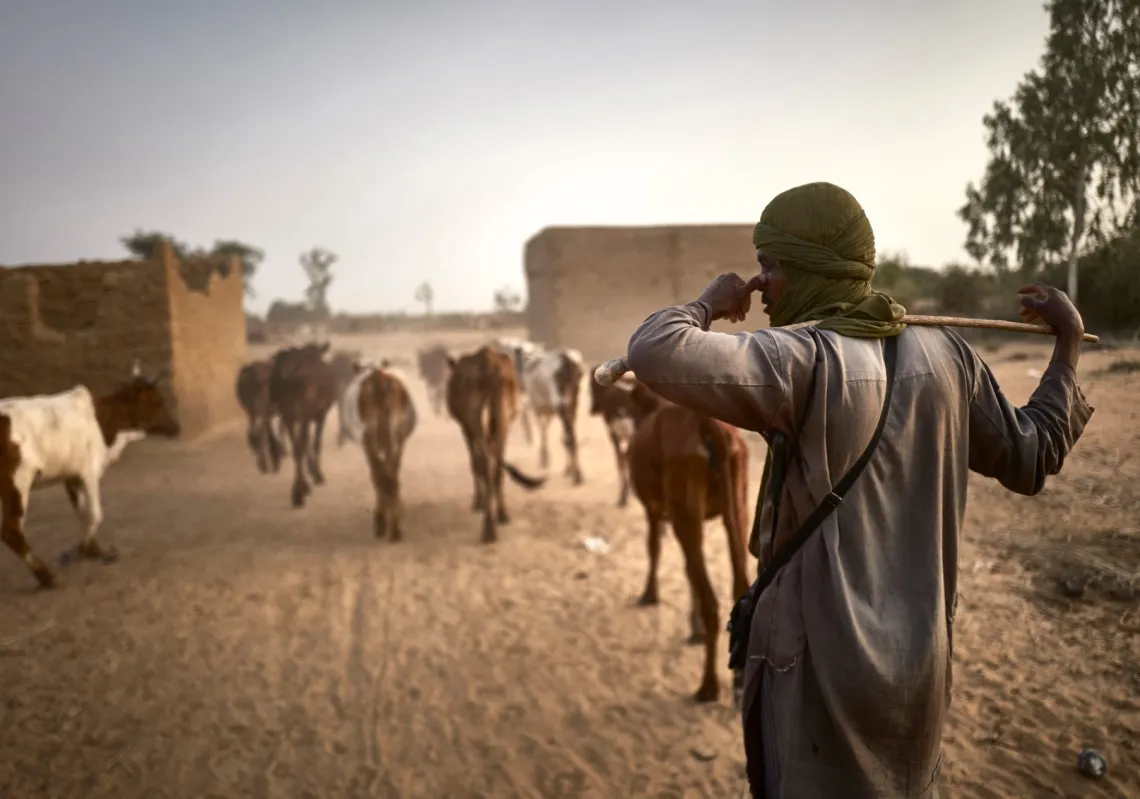
In several corners of the continent, informal sectors have arisen to plug the gaps left by state weakness or absence, providing both a lifeline and a headache
Countries under the most pressure include key BRICS members, but even some allies like Canada have been hit hard. Those in the 10% club seem to have gotten the best deal. Who are they?
Damascus is getting help from abroad, but it needs to set its economic stall out with a plan to rebuild its economy. An organised and disciplined fiscal and monetary policy will keep bankruptcy at bay
After less than two weeks, the estimated cost of warfare between these two sworn enemies is easily into the billions of dollars. How are they placed to weather the economic storm?
The American CIA director's visit looks to be a desperate attempt by the Trump administration to avert a doomsday scenario in which NATO is pulled into a larger war with Russia
Al Majalla looks at the former army general's career, political positions, possible paths to victory, and what a change in leadership could mean for Israel and the region after three years of war
As social media transforms how people seek medical advice, figures such as Barbara O'Neill offer something conventional medicine rarely can: absolute certainty
The Iran war exposed the risks of being too closely tied to US military posture, which is why some Gulf states are repositioning themselves not merely as consumers of security but as architects of it