Saudi Arabia's 2026 budget carefully boosts spending
Balanced fiscal management, targeted deficit reduction, and strategic growth initiatives underpin this year's budget, with a strong emphasis on citizen partnership
Al Majalla
Saudi Arabia's 2026 budget carefully boosts spending
Saudi Arabia’s 2026 budget puts citizens at the centre of national priorities. This shift in focus coincides with an accelerated transition towards a diversified, productive economy less dependent on oil. Such a fiscal direction places greater emphasis on the private sector, local industries, and the digital economy.
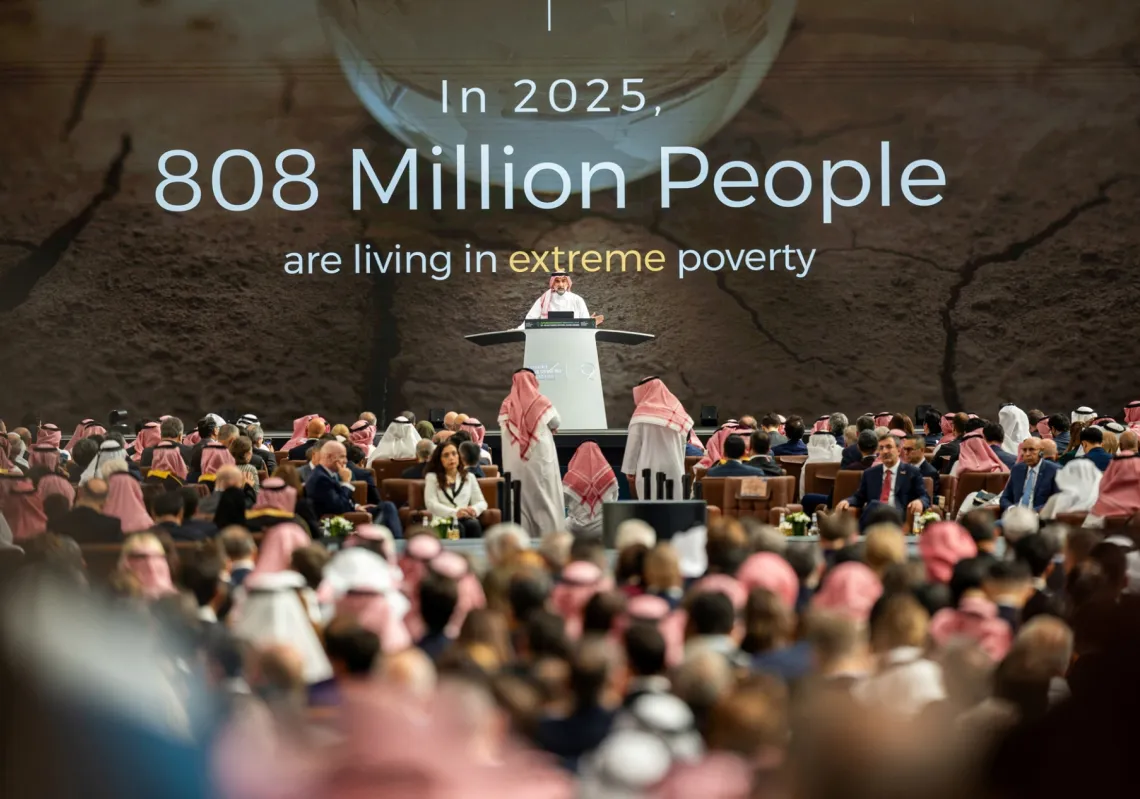
Only hours separated the Cabinet’s approval of the budget on 2 December from the 2026 Budget Forum held in Riyadh the following day. These few hours conveyed clear social and economic messages: spending is being carefully channelled towards health, education, and public services, while laying the foundations for a non-oil productive base capable of generating employment and withstanding global shocks.
Saudi Crown Prince Mohammed bin Salman underscored the central theme of this shift in focus, stating that “the welfare of the citizen is at the top of the government’s priorities.” He linked the budget’s approval to the structural transformation of the Saudi economy since the launch of Vision 2030. He also highlighted improved growth rates in non-oil sectors, inflation containment, the development of a business-friendly environment, and the strengthening of the private sector’s role as a key partner in national development.
The budget reflects the government’s determination to strengthen the local economy's resilience and adaptability, the Crown Prince affirmed, enabling it to withstand global economic fluctuations and maintain the momentum of long-term development. This will be achieved through “flexible and disciplined” fiscal, economic, and social policies, rooted in long-term planning and the strategic use of sovereign financing tools in line with a medium-term debt strategy.
The Crown Prince also confirmed that the Public Investment Fund (PIF) will continue to support the goals of Vision 2030 and the development of strategic, high-potential sectors, in parallel with the National Development Fund and its subsidiaries. The latter plays a complementary role, driving growth and economic diversification.
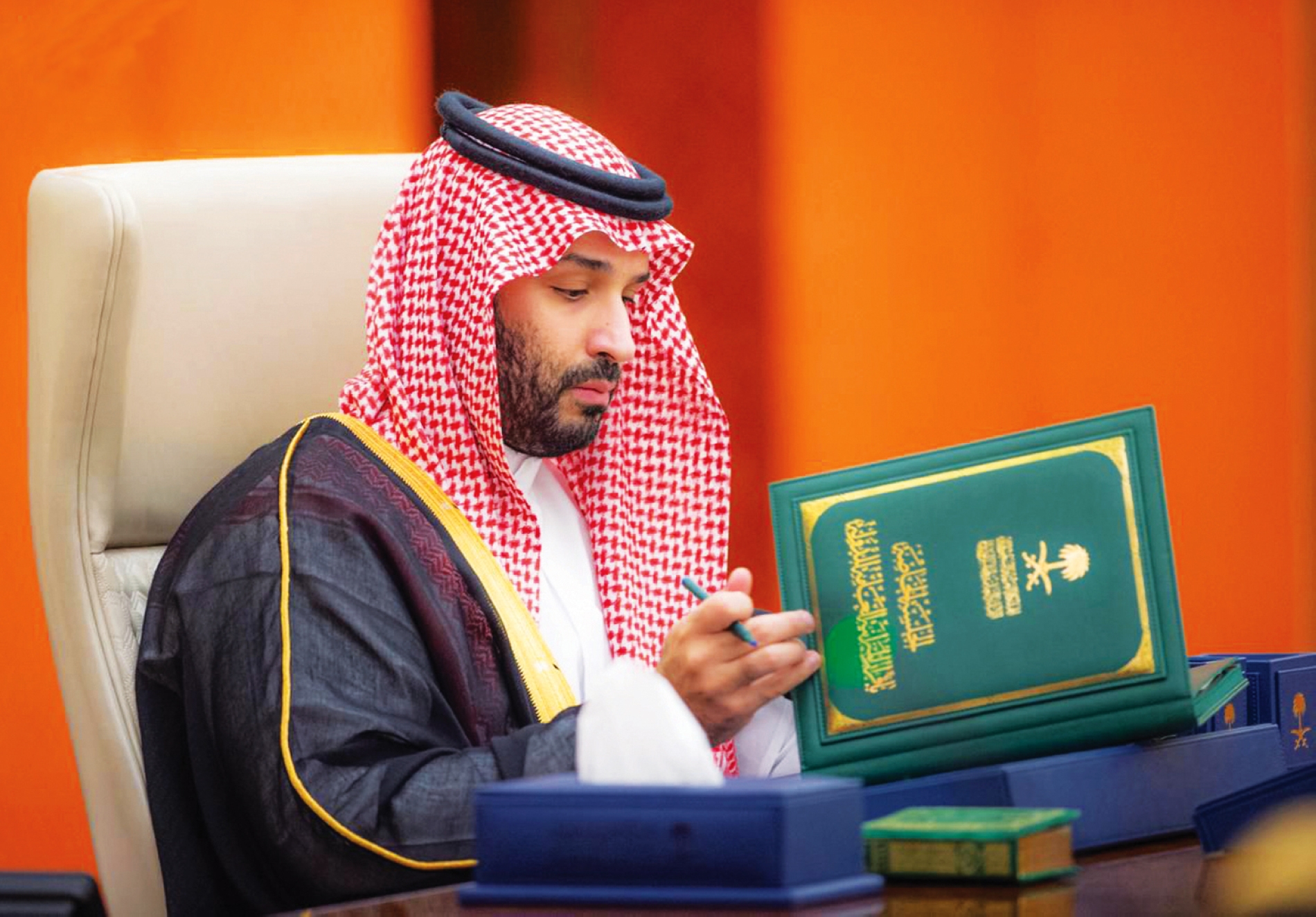
Saudi Crown Prince and Prime Minister Prince Mohammed bin Salman, during the Cabinet session dedicated to approving the 2026 budget.
There was no change in the core figures outlined in the Ministry of Finance’s preliminary statement issued in September. Total revenues for 2026 are projected to reach approximately $305.87bn, up 5.2% from 2025. This growth is attributed to the successful implementation of initiatives to diversify non-oil revenue, which has become a cornerstone of the national budget.
To sustain economic momentum, spending remains elevated, with total expenditures forecast at $350.13bn. As a consequence, the budget deficit for 2026 is expected to narrow, falling from a projected $65bn, or 5.3% of GDP, in 2025, to $44bn in 2026. This reduced deficit is projected to represent 3.3% of GDP.
Saudi Arabia's 2026 budget is another step towards a productive economy built on human capabilities, where oil serves as a tool for development
Careful expansion
During the 2026 Budget Forum, Finance Minister Mohammed Al-Jadaan said the government has acted "deliberately to move counter to the economic cycle." He explained that a long-standing challenge was the tight correlation between government spending and oil prices, with spending rising during high oil prices and contracting when the sector declined, thereby hindering long-term planning. "Today, spending is increasing in a measured way," he said, noting that it is raised during periods of slowed growth to support the economy and scaled back during times of high inflation to maintain stability.
The finance minister also noted the oil sector's negative growth between 2016 and the end of 2024, averaging -0.5%. Had the previous spending model remained in place, the country would not have achieved an average 5% growth in non-oil activities during this period. The key, he explained, lies in directing expenditure towards economic sectors and essential services that directly affect citizens, stimulating investment and consumption.
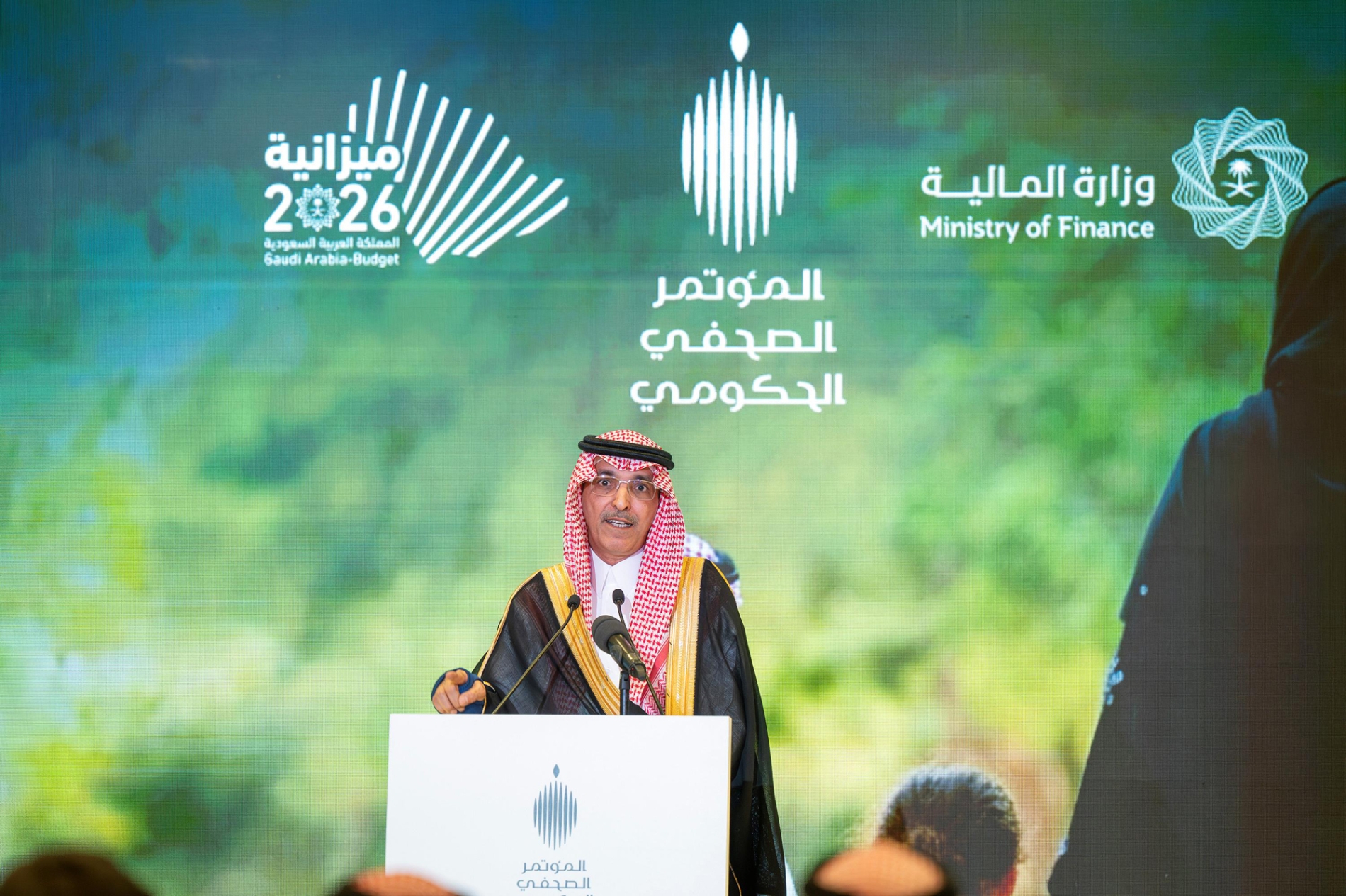
Saudi Finance Minister Mohammed Al-Jadaan, during a press conference on the Saudi budget in Riyadh on 2 December 2025.
He also affirmed that the budget will continue strategic spending on development projects aligned with Vision 2030, while preserving the nation's robust fiscal position, sustainable public debt levels, and healthy financial reserves.
"The government's objective is not to raise taxes, but to expand the economy," said Al-Jadaan, adding that he was not concerned with the level of debt, "so long as the returns outweigh the costs." He also highlighted the fact that the number of small and medium-sized enterprises had surged by 294% between 2016 and mid-2025, rising from 500,000 to 1.65 million citizen-owned businesses—a trend that has driven employment, income growth, and local investment.
'Oil a tool for development'
Faisal Al-Ibrahim, the minister of economy and planning, presented the broader context of Saudi Arabia's economic transformation, affirming that cumulative non-oil economic growth had exceeded 30% since 2016, surpassing the average growth of advanced economies, which expanded by less than 20% over the same period.
According to Al-Ibrahim, 74 economic activities recorded annual growth rates above 5% over the past five years, with 37 of them exceeding 10%. In his view, these figures reflect "the substantial real returns of Vision 2030."
He also noted that the economy's dependence on oil has declined from 90% to 68%, clarifying that "we are not only referring to revenues, but to sources of growth." This transition resulted in non-oil activities accounting for 56% of real GDP last year.
Al-Ibrahim described the 2026 budget as "a milestone in a long-term journey to strengthen the structure of the economy." He projected that the non-oil sector will grow at a rate of between 4.5% and 6% in the coming period. He characterised oil as "a tool for sustainable development in Saudi Arabia," one that is now being employed most effectively, but no longer as the sole engine of growth.
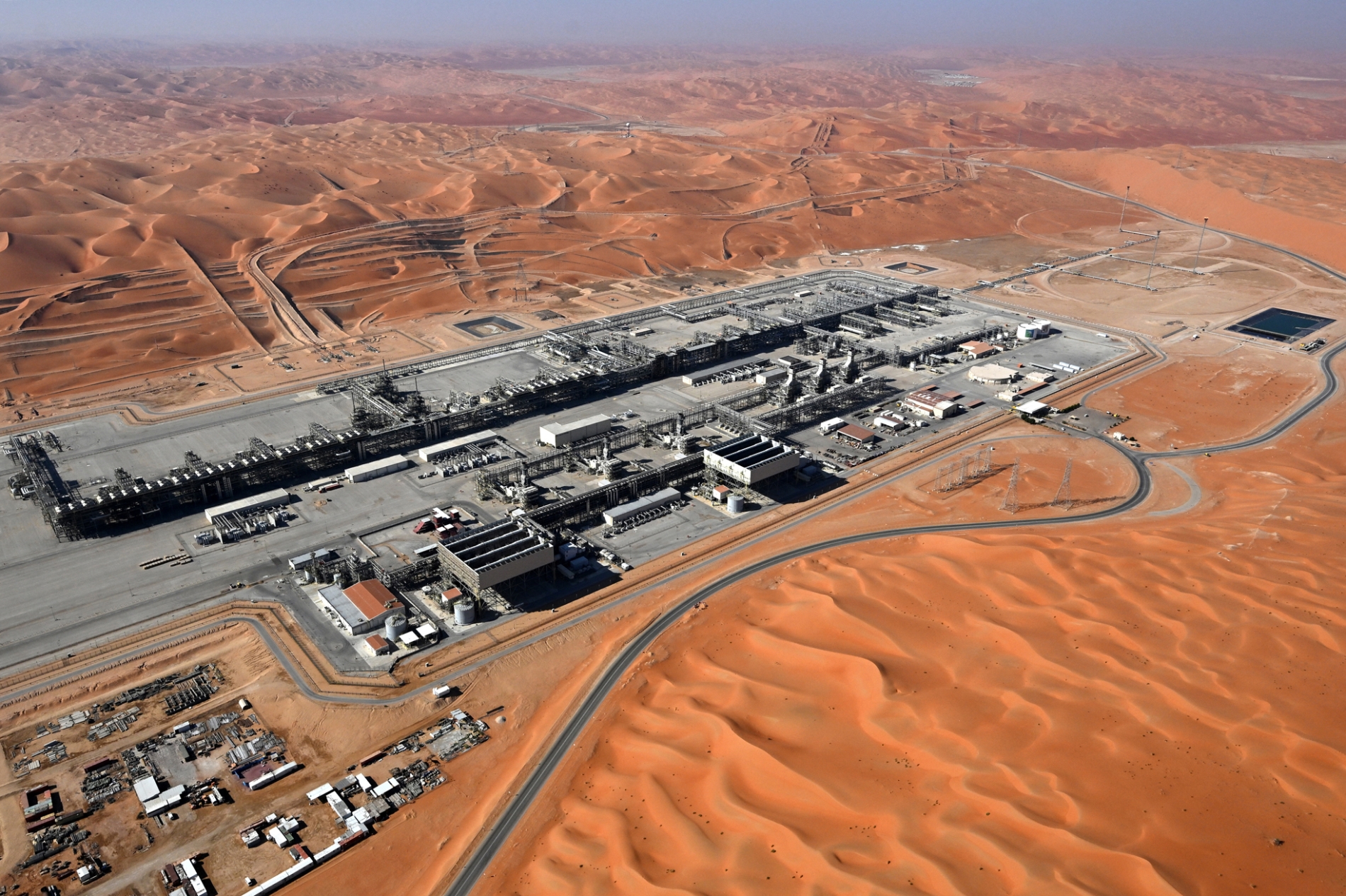
An oil refinery in Aramco's Shaybah field, January 12, 2024.
A new military ecosystem
The Governor of the General Authority for Military Industries, Engineer Ahmed Al-Ohali, revealed that 344 Saudi companies are now active in military industries; a clear sign of the emergence of a new high-tech sector.
Speaking at the forum, Al-Ohali outlined the success of initiatives to localise military industries, noting that local content now accounts for 40% of Saudi Arabia's military spending. This progress has been driven by the development of 140 industrial capabilities, as well as incentives and supply chain frameworks designed to attract both domestic and international investment in the sector.
He also highlighted a 4% rise in spending on military industries during 2024 and urged investors to seize opportunities to strengthen the budget's role in establishing specialised industries, advancing technology transfer, and opening new career paths for young Saudis in advanced engineering and technical fields.
Ahmed Al-Rajhi, the minister of human resources and social development, highlighted key transformations in the Saudi labour market. The number of Saudis employed in the private sector has increased to 2.5 million, he said, up from approximately 1.7 million in 2020, with nationals now representing 53% of the private sector workforce.
There has also been a notable rise in Saudi women's participation in the labour force, reaching 35.4%. This is a significant social and economic shift that underscores the impact of reforms aimed at empowering women and expanding their opportunities across both the public and private sectors.
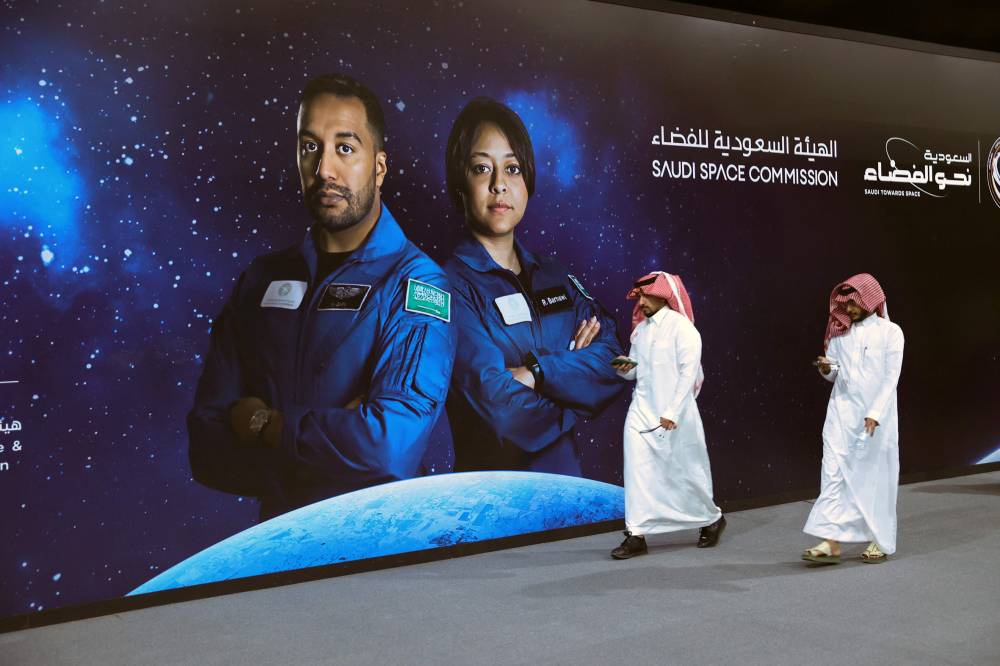
Two Saudi astronauts, including the first Saudi woman, are featured on a billboard in Riyadh.
Health first: reducing road fatalities
Saudi Health Minister Fahd Al-Jalajel stressed, "Our primary goal since the launch of Vision 2030 has been the Saudi citizen." He announced initiatives to strengthen the healthcare sector and regional health clusters, and highlighted a 60% reduction in road traffic fatalities compared with 2016.
Under the 2026 budget, plans for the health sector include the establishment of six new hospitals with a combined capacity of 1,100 beds, including in Hail and Khamis Mushait. The budget also provides for the operation and maintenance of 750 modern dialysis machines, broadening access to specialised services and alleviating the burden of illness for citizens across the country.
Elsewhere, Saudi Deputy Minister of Tourism Princess Haifa bint Mohammed Al Saud, stated that the bar for attracting tourists has been raised, with the new target set at 150 million visitors by 2030, a sharp increase from the 116 million domestic and international tourists recorded in 2024. Speaking at the Budget Forum, Princess Haifa said tourism spending has exceeded $73bn, underscoring the sector's success within the country's broader economic diversification strategy.
In the world of sport, Badr Al-Qadhi, vice minister of sports, reported that 70% of sporting events in Saudi Arabia are now delivered through local companies. The Formula 1 races in Jeddah alone have created 20,000 jobs, while participation in sport rose to 59% last year, up from just 13% in 2015. Al-Qadhi also noted a 140% increase in the number of tennis clubs, from 72 in 2019 to more than 170 today.
From housing to the digital economy
The 2026 budget forecasts a fiscal deficit of $44bn, approximately 3.3% of GDP, down from the estimated $65bn for the current year. Expenditure exceeded budgeted levels by around 4%. The budget statement and accompanying documentation also outlined a broad portfolio of projects aimed at directly enhancing the quality of life.
These projects include the delivery of 80,000 housing units and serviced plots in partnership with local and international developers; the planting of 7.5 million trees; the implementation of the first phase of Riyadh Metro's seventh line; 500 kilometres of new roads; a 7% rise in natural gas production capacity; and three new industrial cities, bringing the total to 42, and generating over 11,000 jobs.
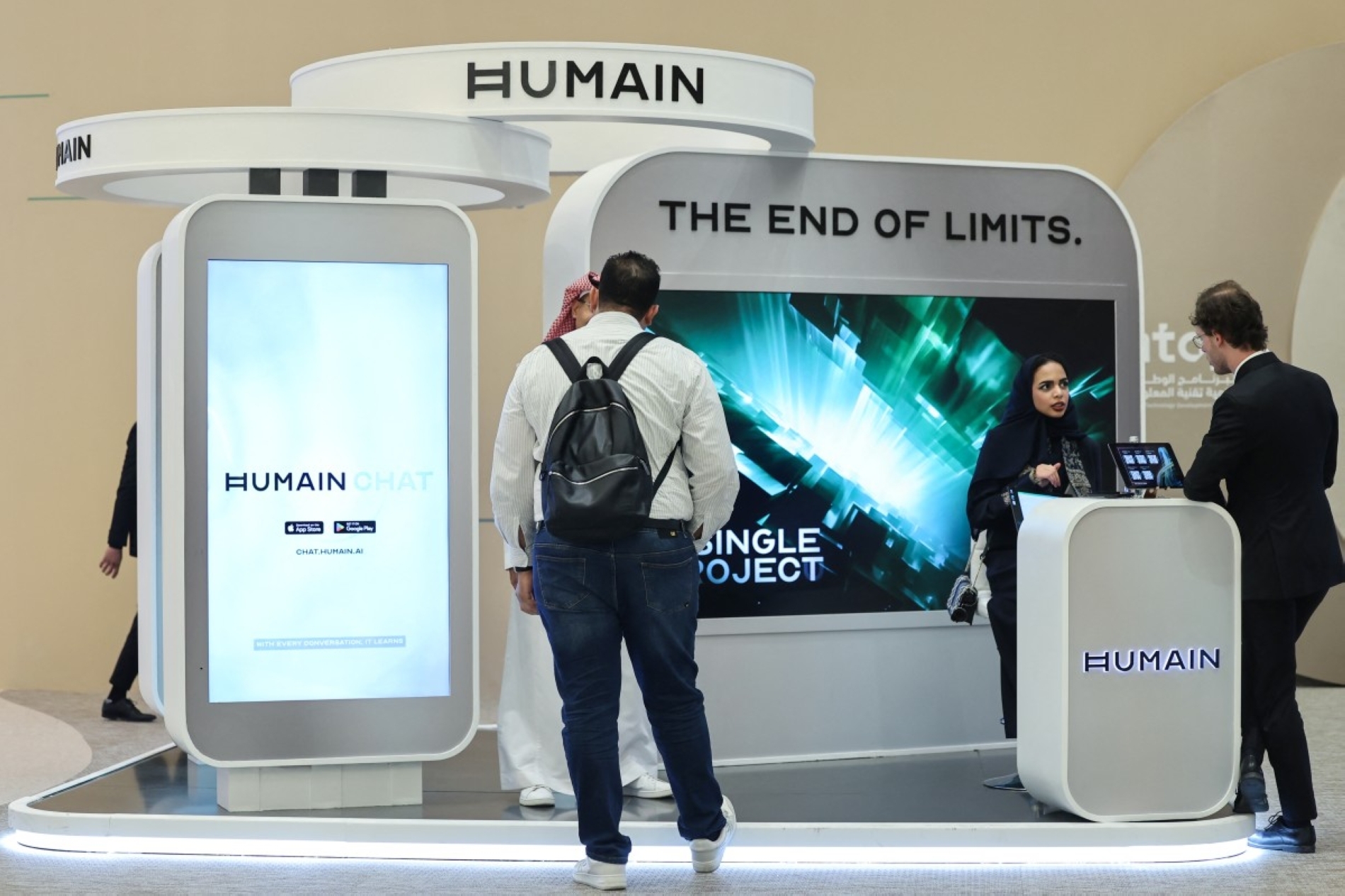
Guests at the booth of the Saudi artificial intelligence company Humain during the "Future Investment Initiative" conference in Riyadh, on 28 October 2025.
Saudi Arabia also aims to rank among the world's top 17 countries in data and AI, training 20,000 experts in data science and artificial intelligence. Tourism spending is projected to reach $93.5bn in 2026, with the number of Saudi employees in the sector expected to rise to 110,000. The country also plans to host more than 13 major international sporting events, and will continue to develop stadia for the FIFA World Cup 2030.
The target is to welcome over 20 million international Umrah pilgrims in 2026. As part of this effort, the 'Nusuk' card will be launched as a unified identity for pilgrims, alongside upgrades to stations and crowd management systems to reduce delays at key intersections in Makkah.
Between the lines of the budget emerges a clear formula designed to empower and protect the citizen within a more diverse and resilient Saudi economy. Spending is no longer tethered to the oil cycle. Employment is no longer restricted to the public sector. Industry is no longer limited to oil and petrochemicals; it now extends to military manufacturing, the digital economy, tourism, and advanced services.
The 2026 budget stands as another milestone in the country's long journey towards a productive economy built on human capabilities, where oil serves as a tool for development. It is a budget with a distinctly human focus, aiming to ensure that citizens feel the tangible benefits of large-scale figures through enhanced services, greater opportunities, and lasting security and stability in their daily lives.