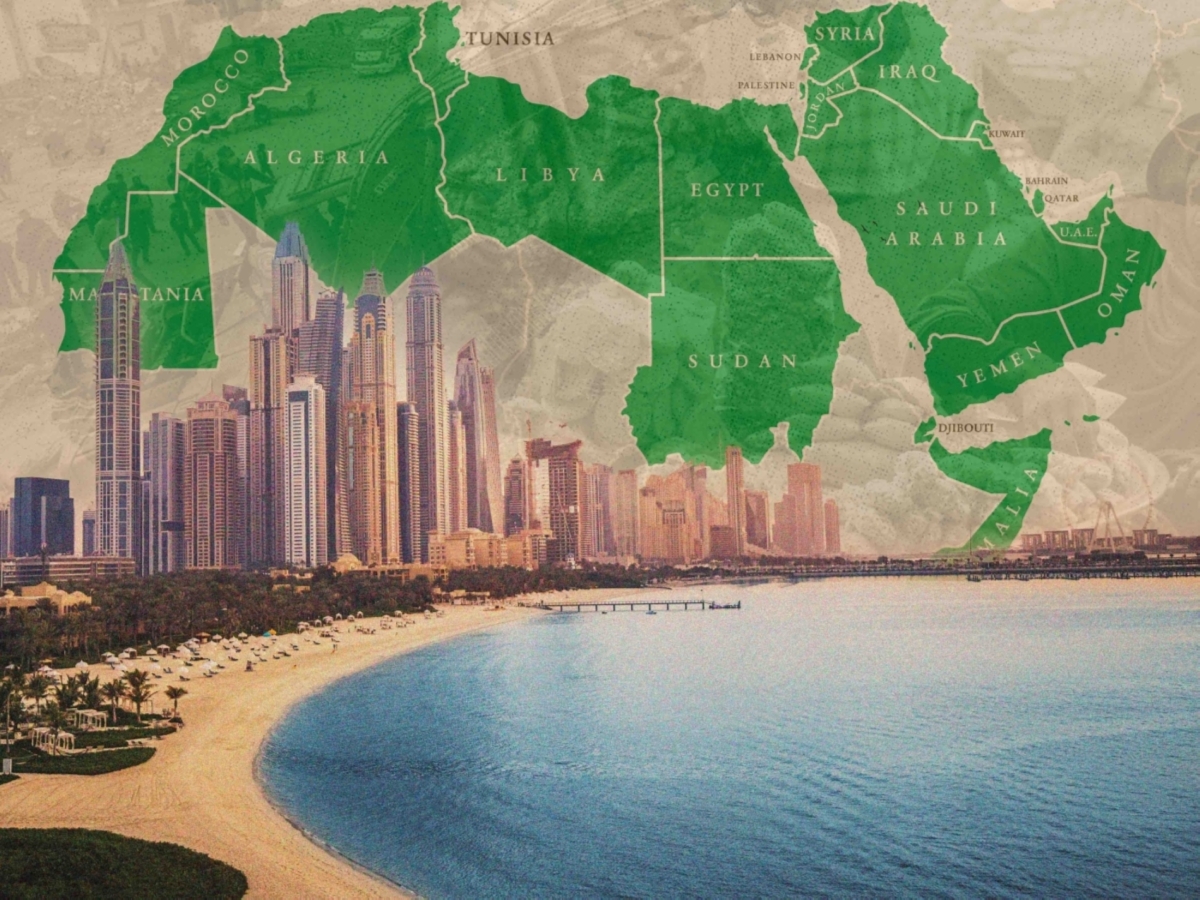

Reflecting on the year that was, the Arab world’s economic landscape offered a complex and somewhat contradictory picture shaped by shifting geopolitical dynamics and uneven natural resource endowments. While some countries recorded growth driven by structural reforms and economic diversification, others found that their financial and social stability was eroding.
International reports, including from the International Monetary Fund (IMF) and the World Bank, projected an average regional growth rate of 3.2% for the Middle East and North Africa in 2025, but this figure conceals stark disparities between countries, with some making remarkable progress, while others were mired in crisis.
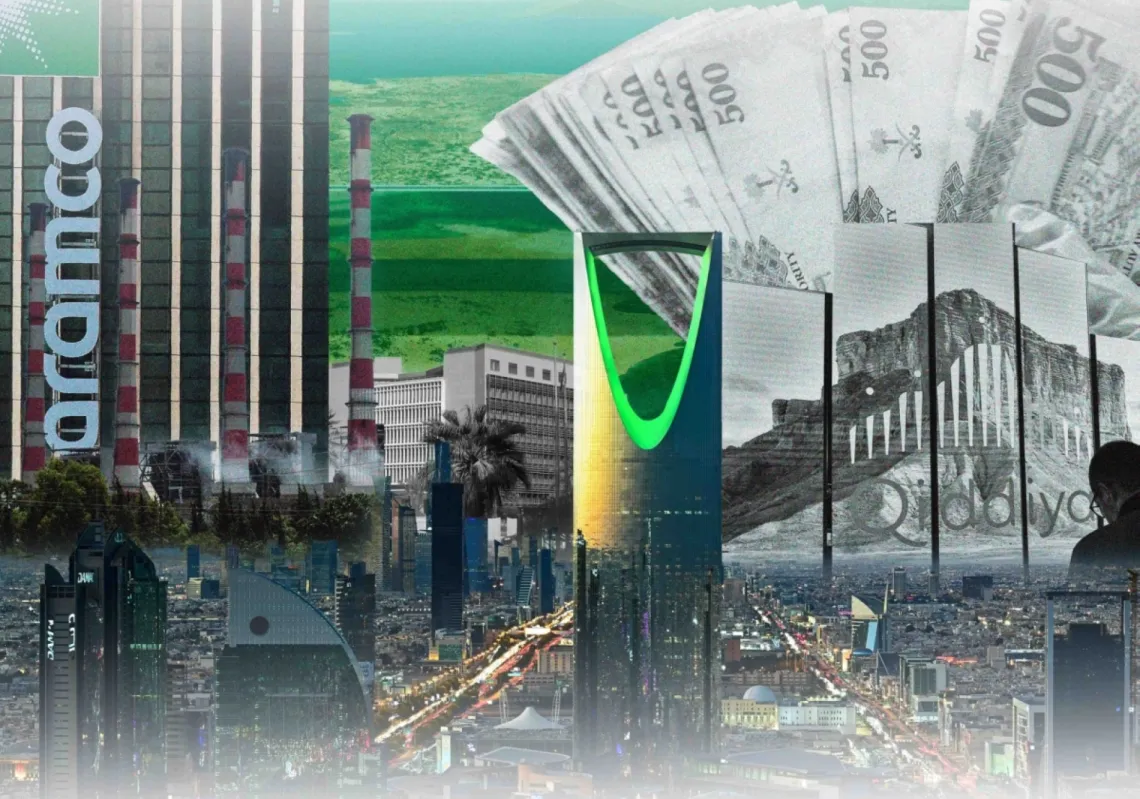
Cautious optimism emerged from GCC countries, which capitalised on the energy price surge of previous years to strengthen their development agendas and recover from the 2024 slowdown. Growth remained anchored in the oil sector, but progress in non-oil industries was supported by bold fiscal and legislative reforms, rapid diversification efforts, and substantial investment in technology, artificial intelligence (AI), and tourism.
Gulf states diversify
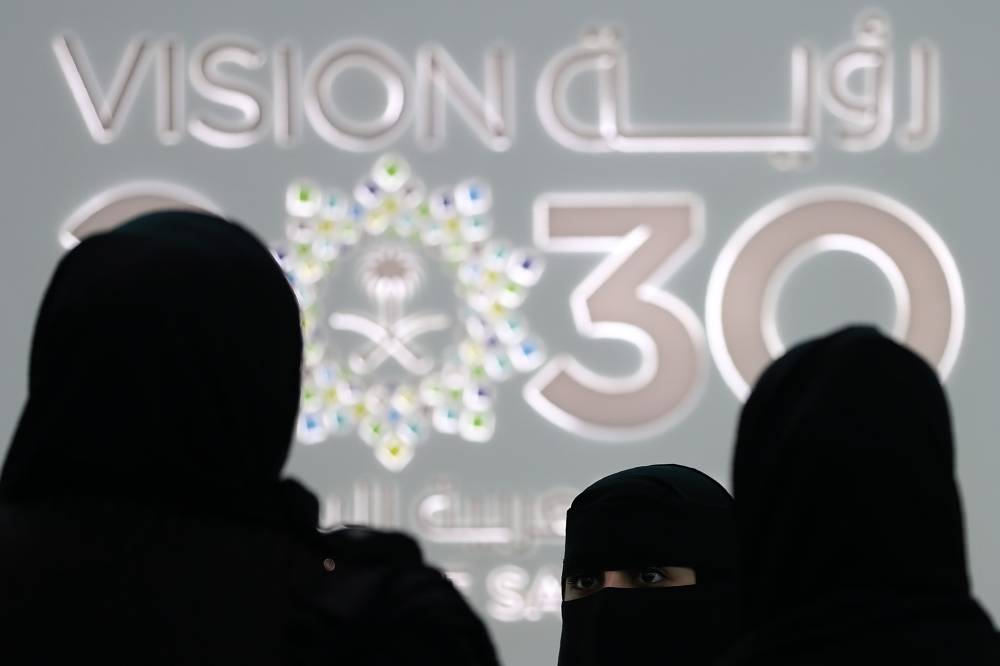
Notably, the Gulf states did not rely solely on their natural resources. Rather, they placed growing emphasis on developing knowledge-based economies, becoming safe havens for global capital amid ongoing geopolitical tensions. Saudi Arabia’s Finance Minister Mohammed Al-Jadaan said 85% of the country’s Vision 2030 projects were either complete or nearing completion.
The Saudi sovereign wealth fund’s assets under management approached $1tn in a diversified portfolio. Saudi non-oil growth exceeded expectations, and the country welcomed 100 million domestic and international tourists, seven years ahead of its Vision 2030 schedule (it has since raised its target to 150 million visitors by 2030). Tourism revenues reached $41bn in 2024, surpassing the combined tourism income of Egypt, Tunisia, and Jordan (Saudi tourism jobs for Egyptians, Syrians, and Lebanese generated $150bn in remittances to their home countries).
Increased oil production, alongside a 4.5% expansion in the non-oil sector, meant that the United Arab Emirates (UAE) also recorded GDP (gross domestic product) growth of 4.8%. The Emirates’ ambitious strategy is focused on investment in technology and AI. Dubai remains a prime destination for tech firms, with $45.6bn of foreign direct investment (FDI) into the UAE last year. Free trade agreements with Asian and European countries further bolstered UAE exports.
Raising non-oil revenue
Qatar similarly stood out as a stable economic force, capitalising on its role as a major supplier of liquefied natural gas (LNG) to meet 12-14% of Europe’s demand following the disruption of Russian supplies. The country also hosted the Club World Cup and the Asian Cup, boosting returns on investment and contributing to growth.
Oman presented a quiet model of success. The Sultanate reduced its external debt to 36.1% and recorded a modest budget deficit of 0.5% of GDP, supported by prudent fiscal management and growing investment in renewable energy. Kuwait recorded growth of 2.6%, driven primarily by resumed oil production and an acceleration in non-oil sector activity.