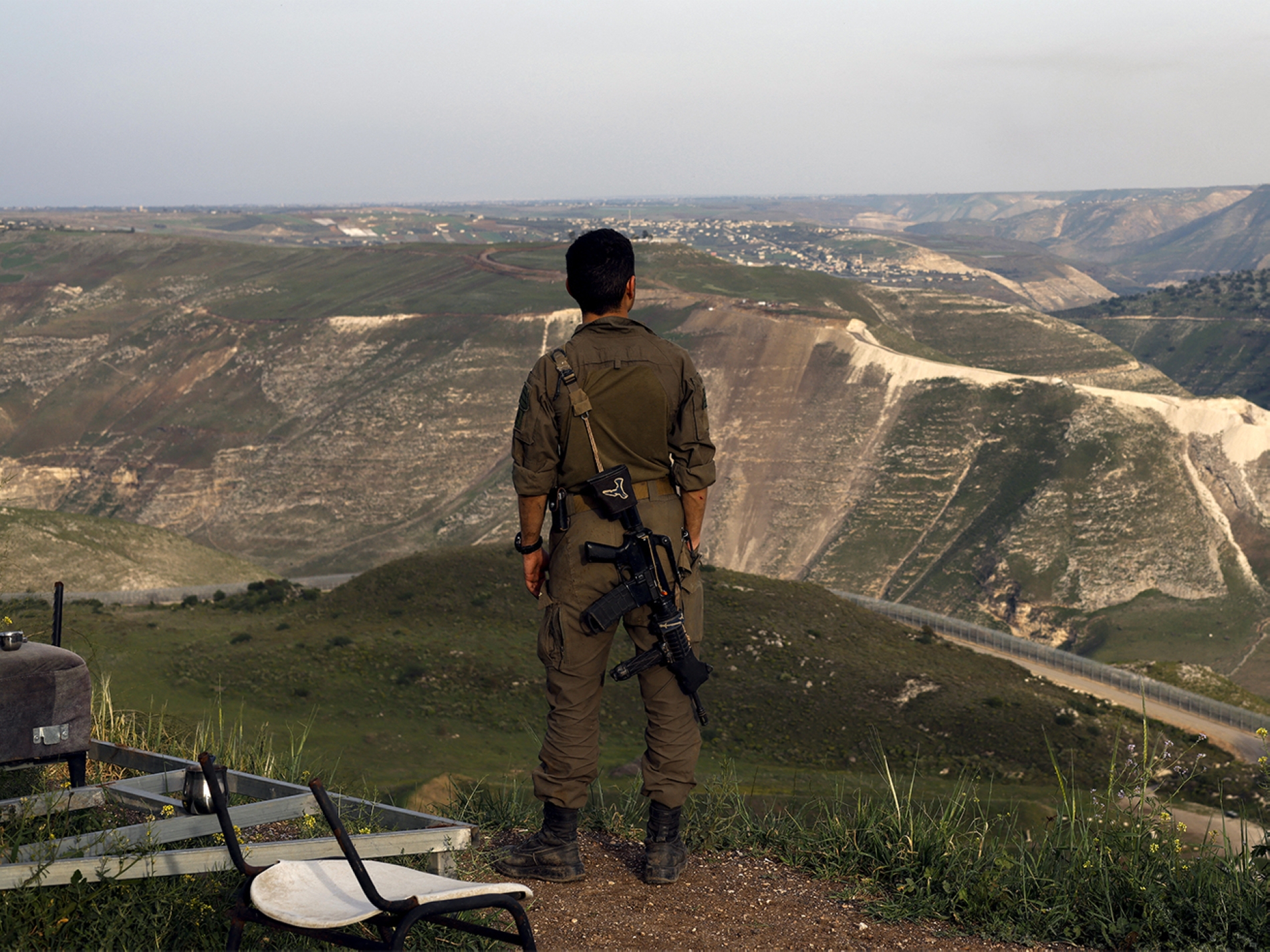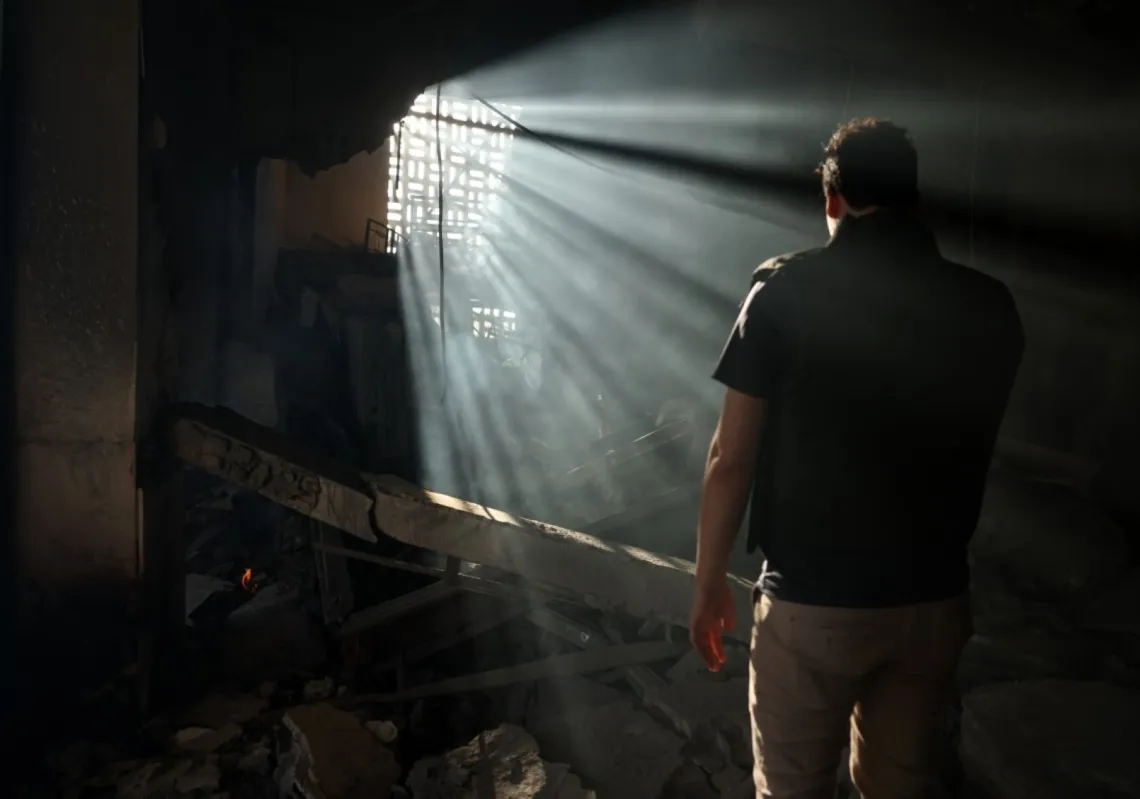

Israel’s dawn raid into Syria’s southern village of Beit Jinn in Rif Dimashq at dawn on 28 November marked a critical and unprecedented turning point in the pattern of Israeli interventions in its northern neighbour since the fall of former president Bashar al-Assad’s regime in December 2024.
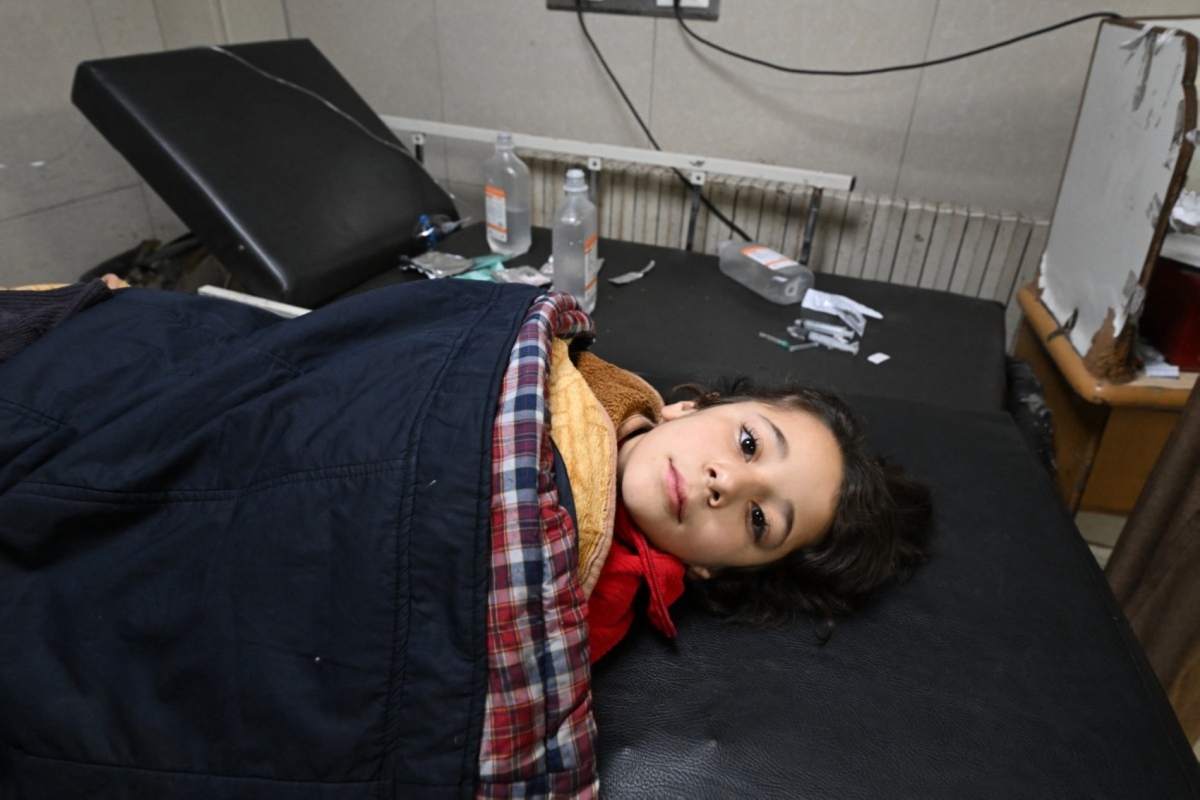
The operation triggered clashes between the Israeli army and local youths, as Israeli forces tried to arrest people allegedly affiliated with an organisation called the Islamic Group. After locals repelled the soldiers and tanks, Israel launched airstrikes that killed 13 people, including women and children, and left 25 others injured.
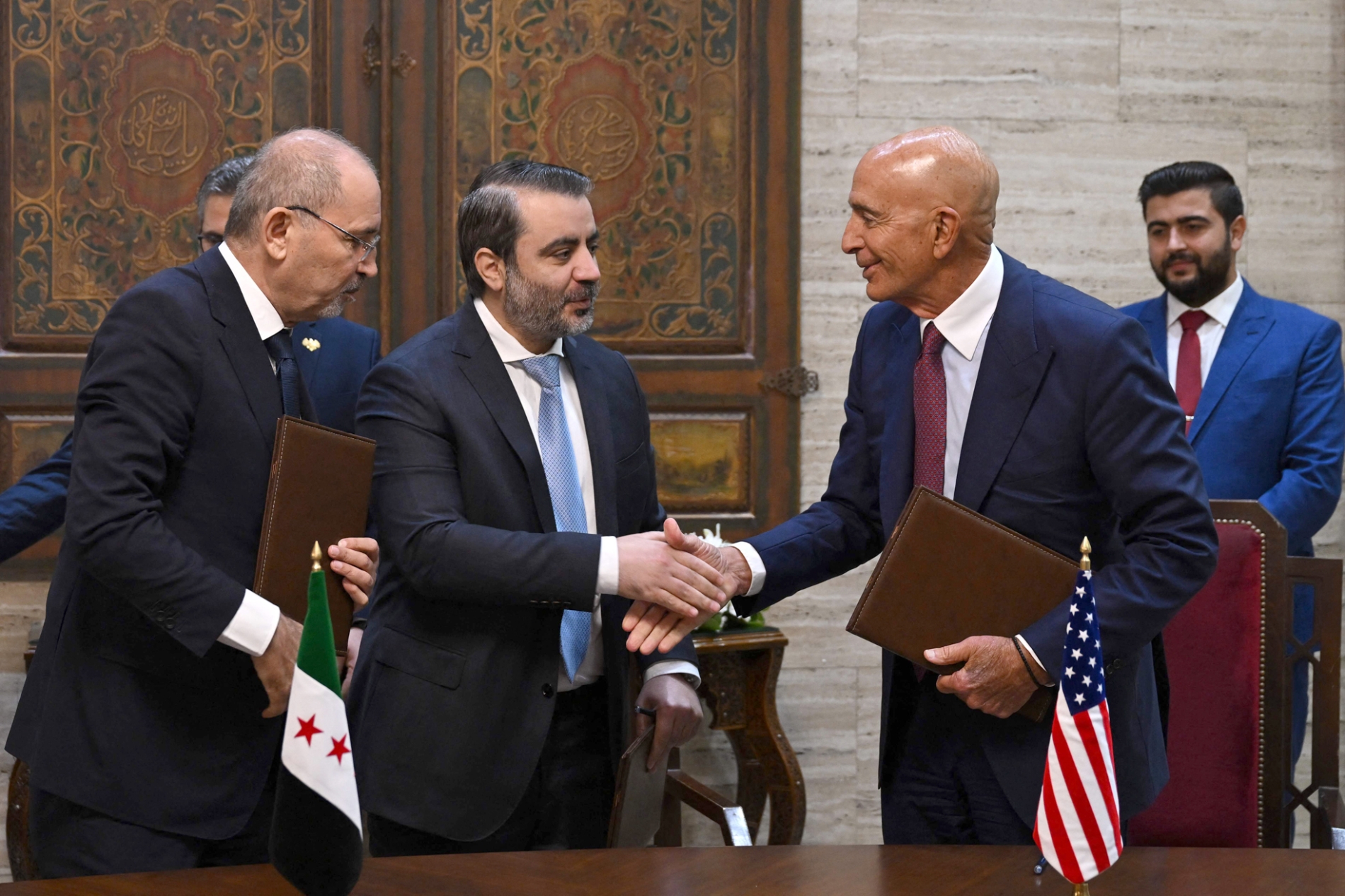
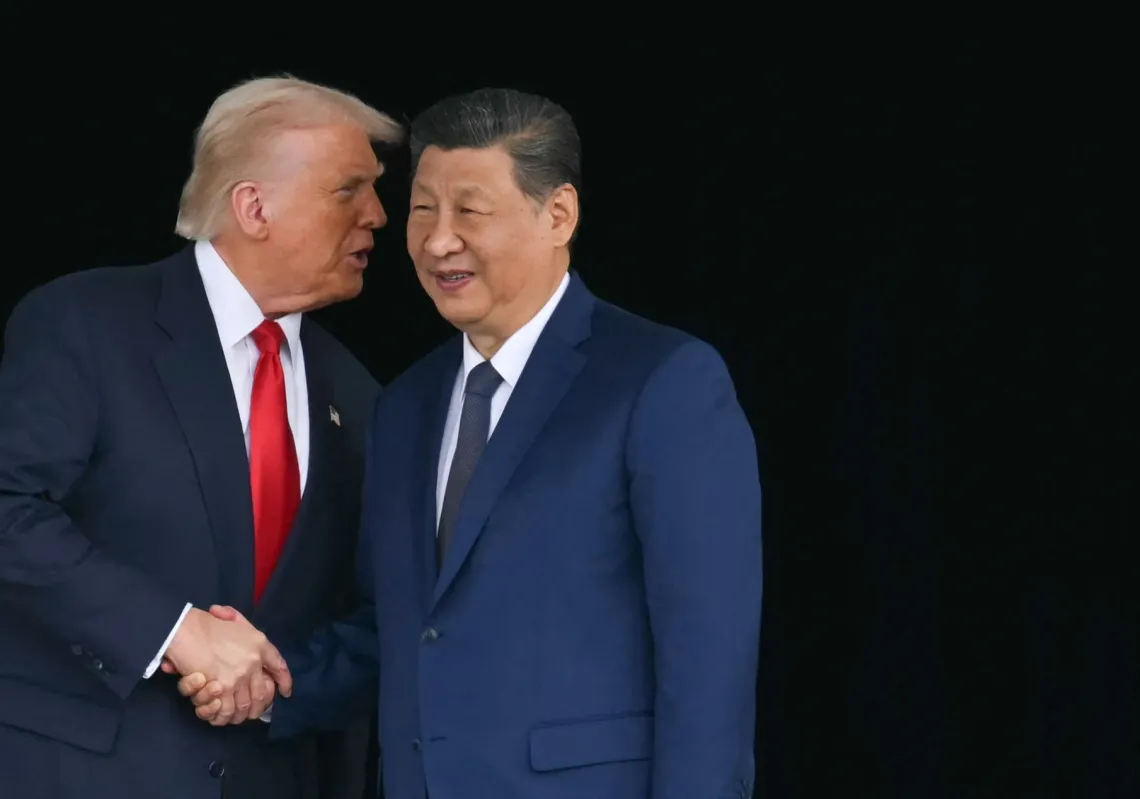
This incident represents a major escalation and reflects mounting public outrage among Syrians at repeated Israeli incursions into their territory. It also prompted Washington to initiate a new round of discussions with both Syria and Israel in recent days. US envoy Tom Barrack flew into Damascus for talks with Syria’s President Ahmed al-Sharaa, while US President Donald Trump called Israeli Prime Minister Benjamin Netanyahu.
Emerging resistance
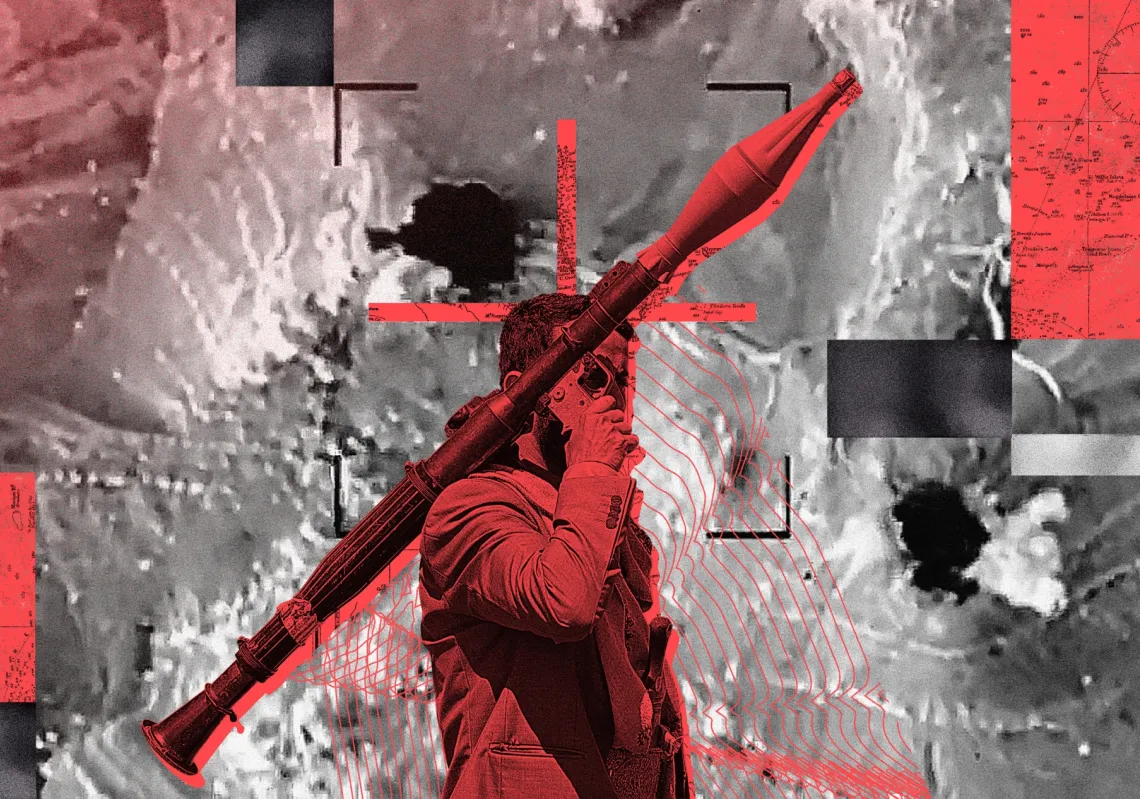
As the domestic, regional, and international complexities surrounding southern Syria deepen, Iran-allied forces have intensified their efforts to exploit the instability with recruitment campaigns and support for a faction known as the Islamic Resistance in Syria, Uli al-Baas, which emerged following the collapse of al-Assad’s regime and established its base and operations in the south.
It began in January 2025, when a new formation—the Southern Liberation Front—was announced with the goal of ‘sustaining the resistance’. In February, Uli al-Baas was formed as a ‘resistance front’ in Syria. Days later, it announced the killing of two of its commanders in southern Syria. By March, it had come to be known as the Islamic Resistance Front in Syria, Uli al-Baas. Media linked to Iranian militias celebrated its emergence.
The Front began demonising the Syrian government and its orientation towards the West. On 11 May, it said: “We reject and condemn in the strongest terms any secret or public talks conducted by a government that claims legitimacy with the usurping Israeli occupation entity.” On 15 May, after al-Sharaa met Trump, it condemned “the dubious deal being promoted by the US administration and its allies, which aims at a partial lifting of the unjust sanctions imposed on our besieged Syrian people in exchange for normalisation with the Zionist occupation entity”.
In July, the Front’s deputy commander Brig. Gen. Mohammed Badran (known as Mohammed Badran Abu Ali) was killed in an Israeli operation in the Nawa area of Daraa. His death appears to have affected the group’s internal structure and operations, prompting it to convene a conference to revise its hierarchy. As of July, the Front’s commander-in-chief was Abu Jihad Rida Al Hussein, its deputy commander was Brig. Gen. Mundher Wannous, its chief of staff, was Brig. Gen. Ahmad Jadallah, its political chief, was Dr Tarek Hammad, and its intelligence chief was Brig. Gen. Abu Mujahid.
Destabilising actions
Together with some pro-Iran media outlets, this faction is using Israel’s intervention in Syria as a pretext to sway public sentiment and attract new recruits. According to sources, Uli al-Baas has significantly expanded its recruitment and weapons acquisition activities in recent months, seeking to attract former members of Iran-backed militias and Palestinian factions supported by Iran or Russia during the Assad era.
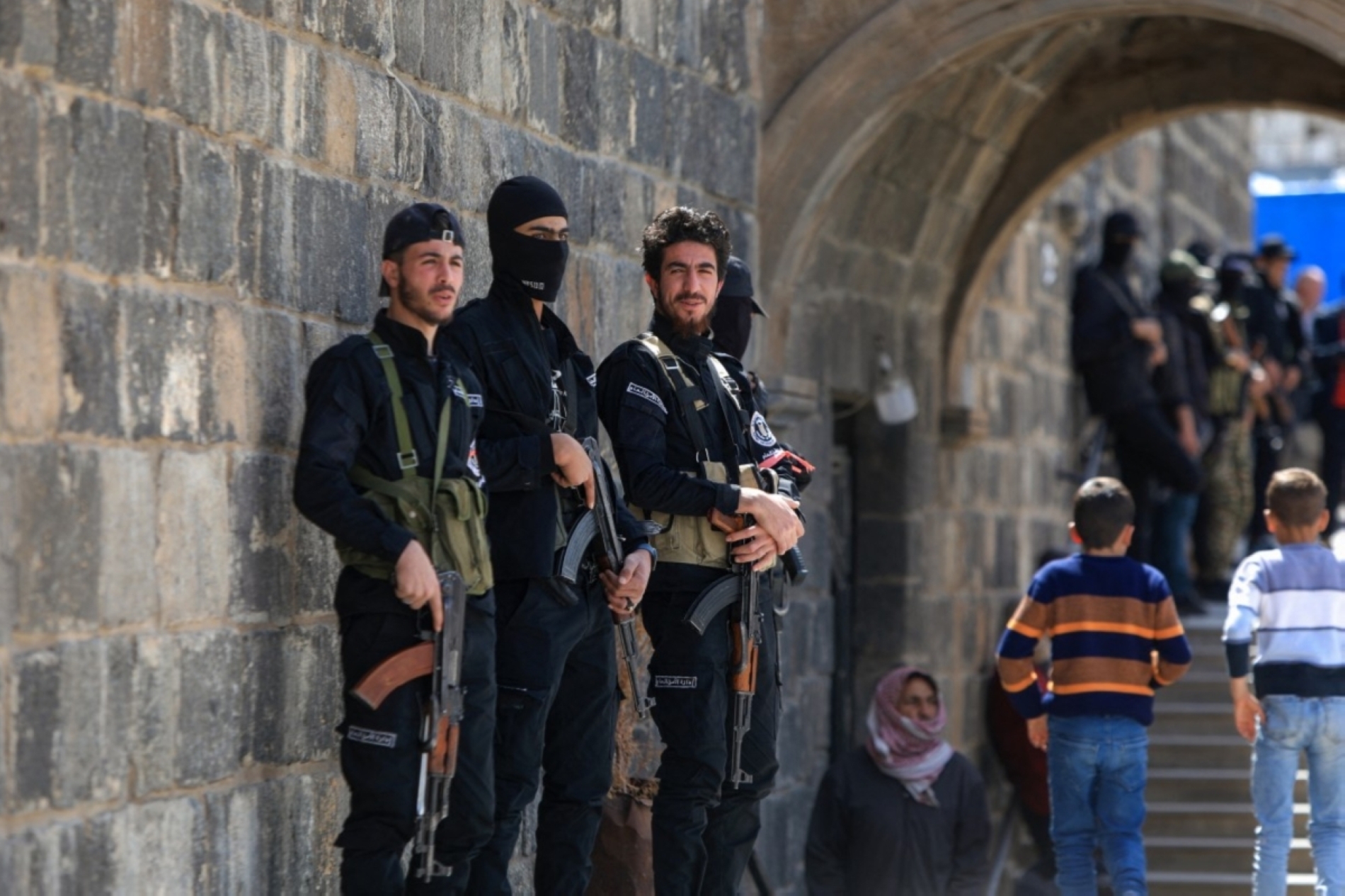
Israel’s actions have also helped destabilise southern Syria, its incursions taking on new and more provocative forms, heightening Syrian resentment—a sentiment reflected in the Beit Jinn clashes and several sporadic shooting incidents across Quneitra province.
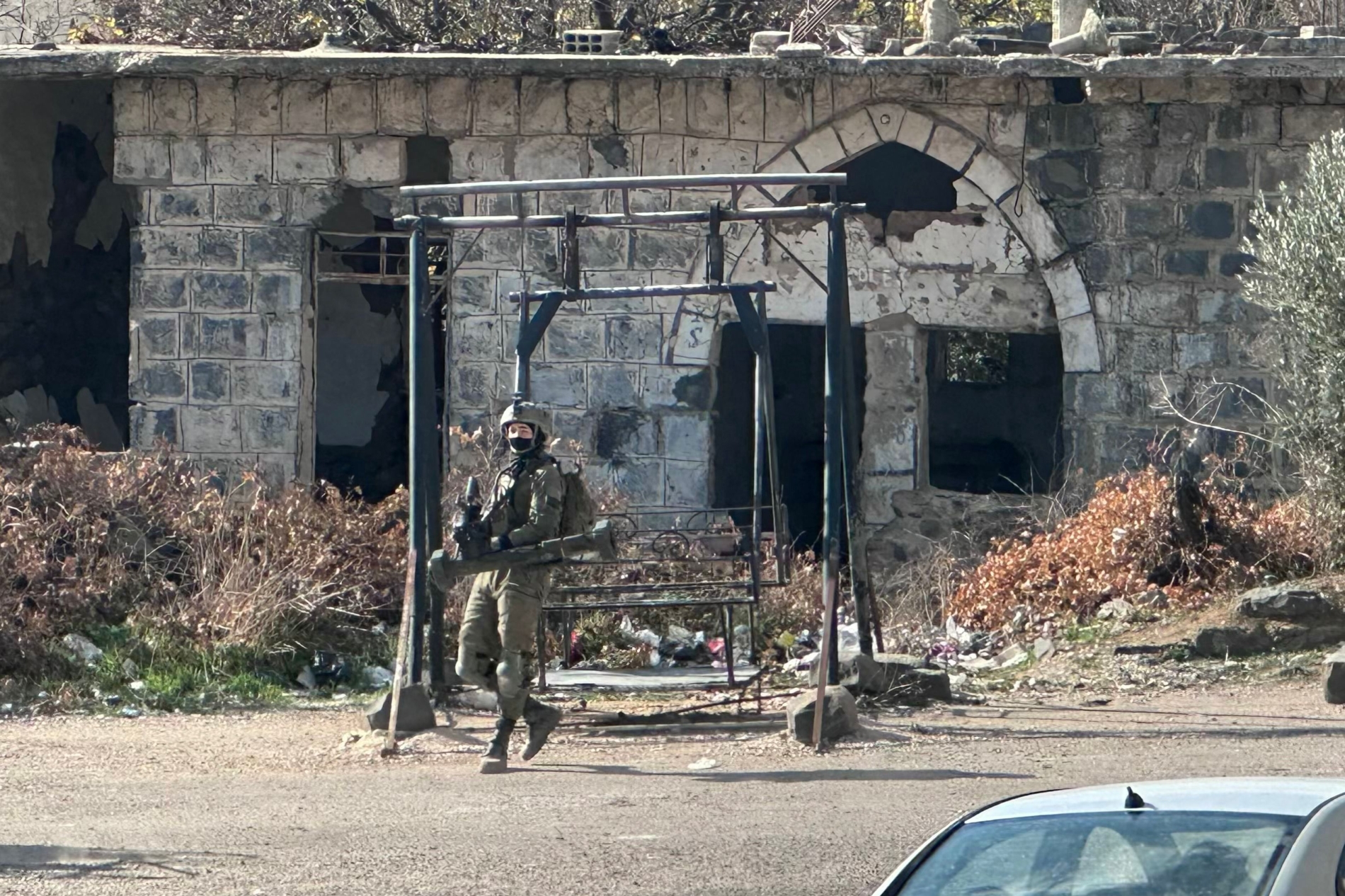
Israel has reportedly set up temporary military checkpoints in some villages, stopping passers-by and demanding identification near Eastern Samdaniyah, the village of Ruwayhina in the Quneitra countryside, the southern village of Maariya, the town of Al-Rafid, and Rasem Al-Qata. Farming areas surrounding the towns of Jamla and Saysoun in the Yarmouk Basin, as well as regions near Tall Ahmar, have been subjected to Israeli artillery shelling. In some cases, Israeli forces have arrested Syrian residents or made unsuccessful attempts to offer aid in exchange for information.
Alongside its military activity, Israel complicates negotiations between Tel Aviv and Damascus by citing the protection of Syria’s Druze population, centred around the southern town of Sweida. At the same time, Israel seeks to secure strategic gains by deepening the crisis. Tel Aviv would like a peace agreement with Syria that includes formal recognition of the Golan Heights as Israeli territory, along with other conditions. Damascus says this would undermine Syria’s sovereignty and territorial integrity.