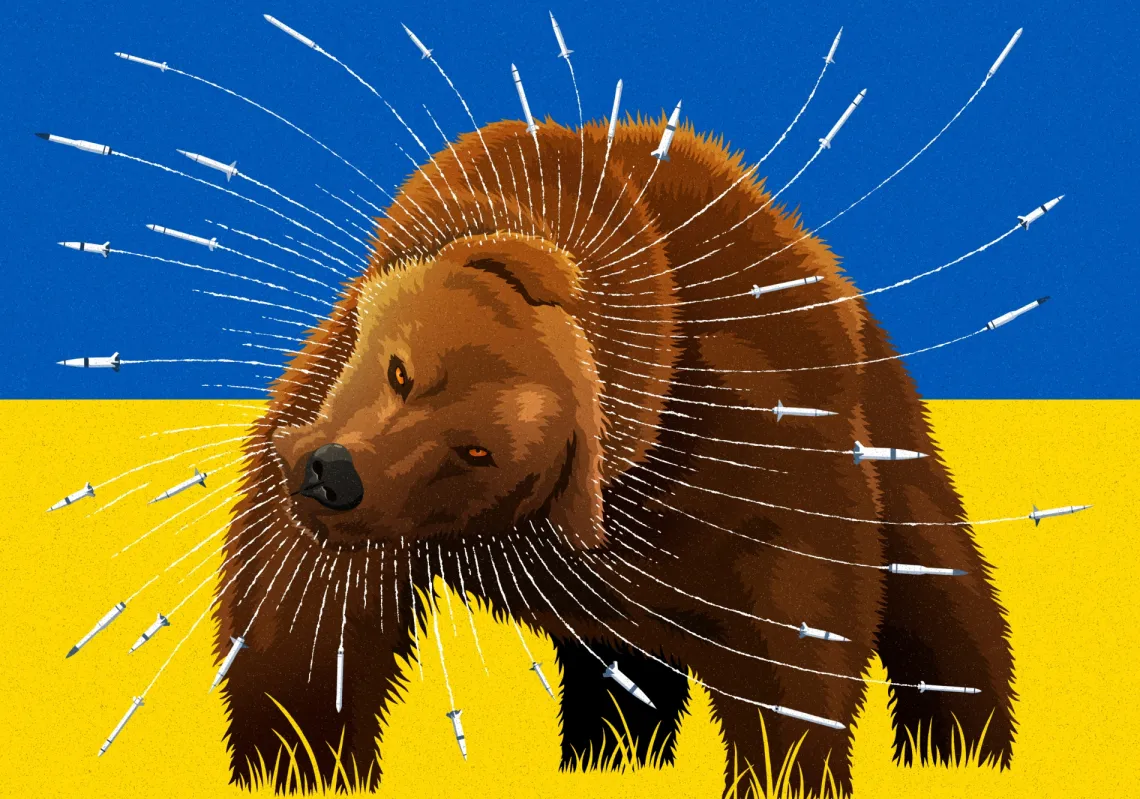
The conflict has forced Russia to scale back its global footprint and NATO to boost its defence spending. Meanwhile, China and Middle powers have emerged as key beneficiaries.
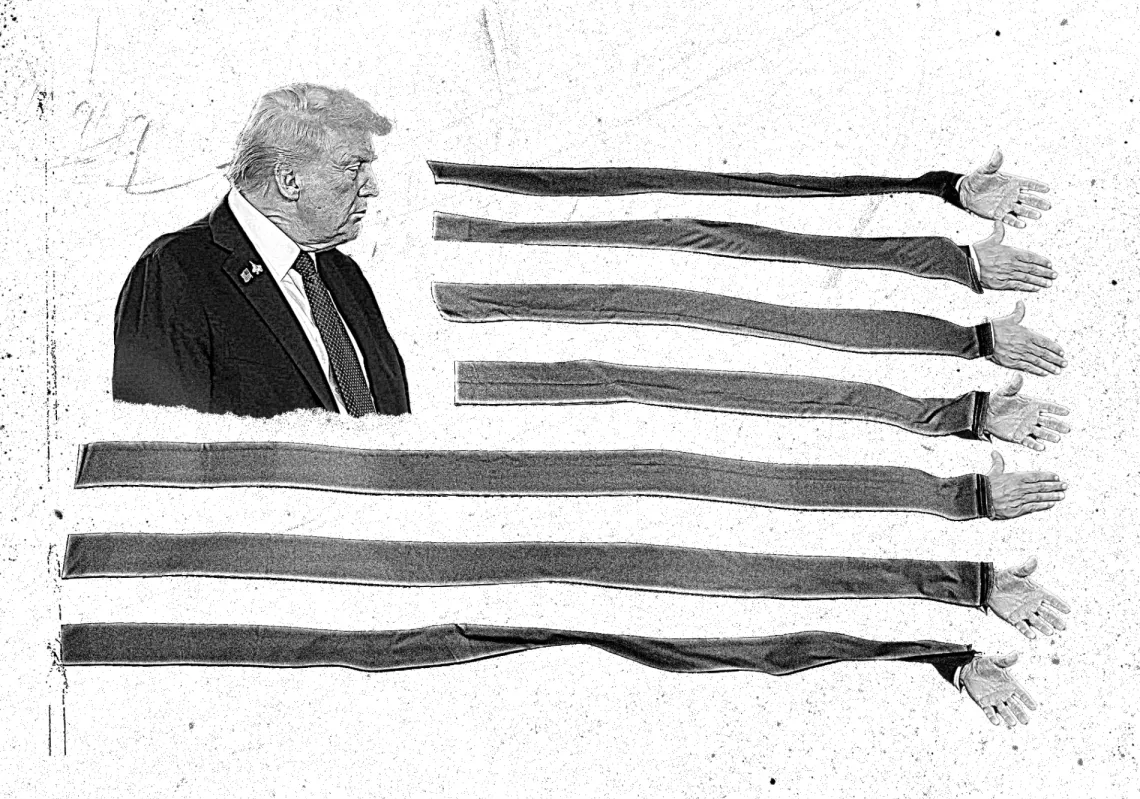
Going forward, the international community needs to reduce dependence on the US without upsetting the world's largest military and economic power. It will be a shaky tightrope to walk.
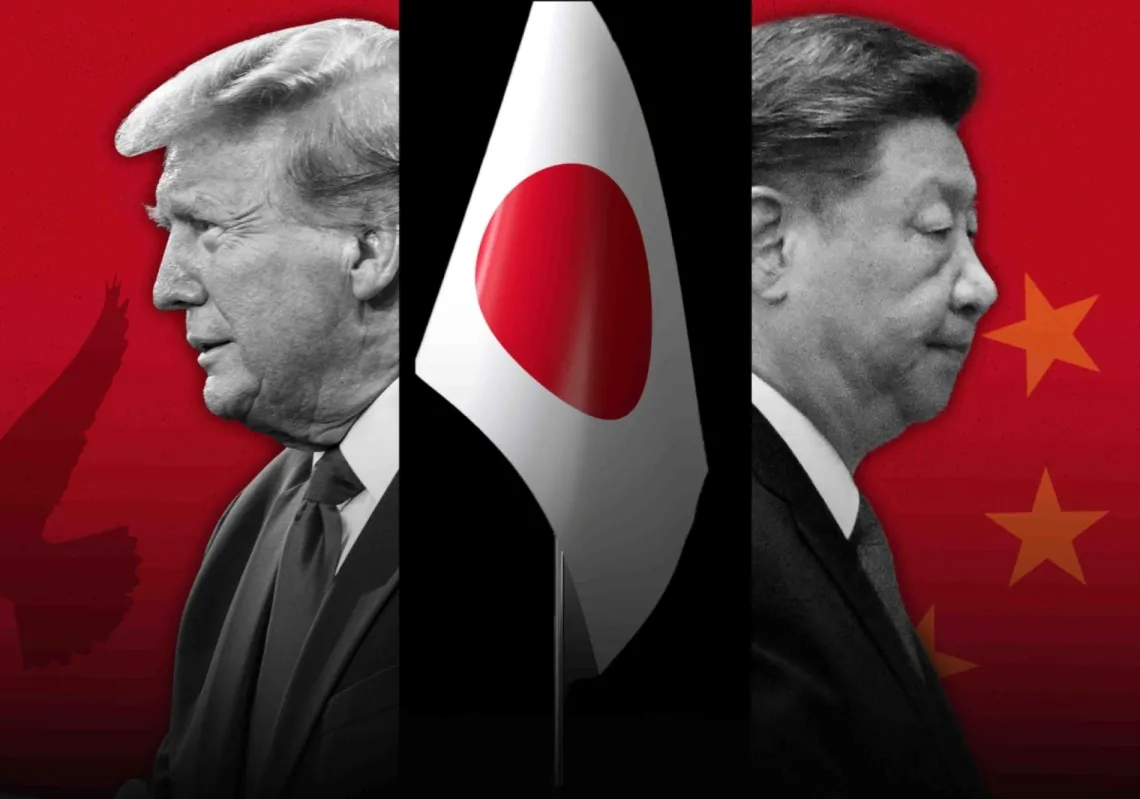
While the world discusses Beijing's ascendancy and the rivalry among great powers, Tokyo forges its own path—one dotted with patience, discipline, and strength
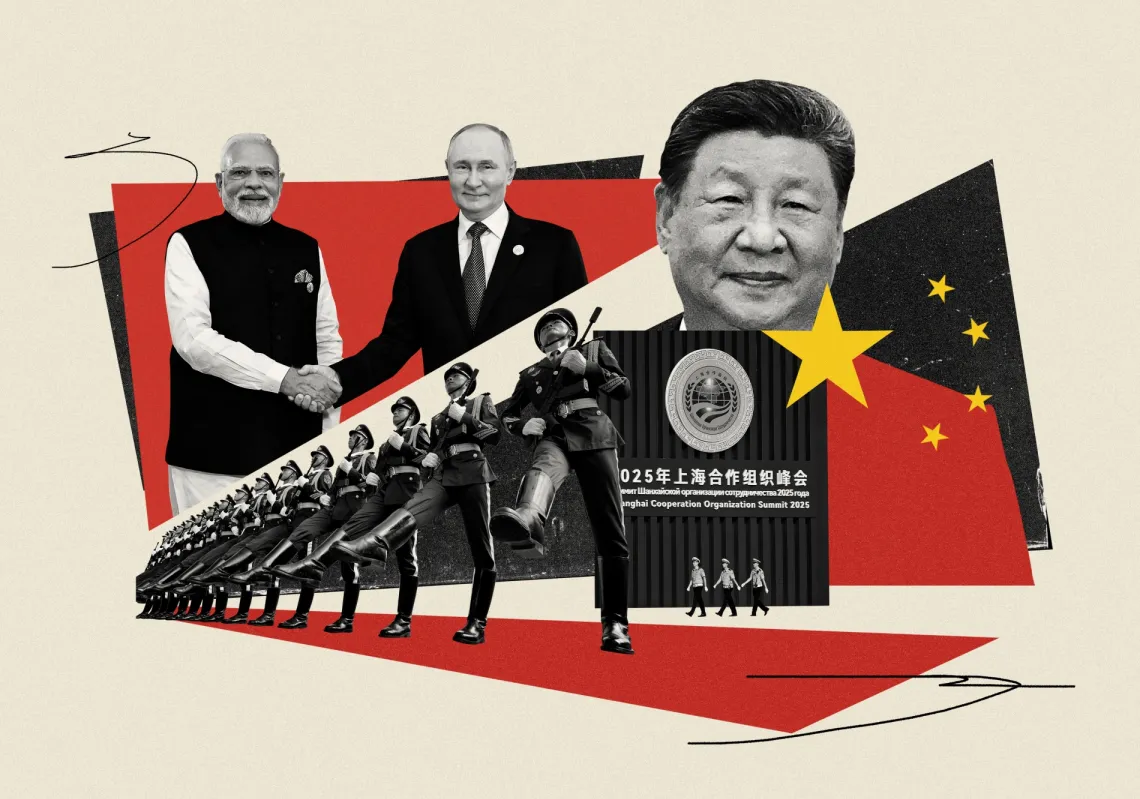
The recent Shanghai Cooperation Organisation (SCO) summit in Tianjin, where Chinese President Xi Jinping, Russian President Vladimir Putin, and Indian Prime Minister Narendra Modi convened, signalled…
Beijing would like the week to mark a historic turning point in which a unipolar world finally gave way to multipolarity. To others, it was just tub-thumping bravura. In reality, it was a bit of both.
Western governments' preoccupation with hard power likely means their soft power will increasingly decline at the expense of other actors in the multipolar world
With "three dozen countries" involved, international diplomacy was key to de-escalation, showing how a multipolar world can offer more levers for peace
Trump thinks that lifting sanctions and reintegrating Russia will weaken Moscow's alliance with Beijing. That is short-sighted. The world Henry Kissinger exploited in 1970 is no longer.
To realise its immense potential as a cohesive pole in this new global order, the Islamic world needs to decide on the best way forward. Inspiration can be found in the Abbasid model
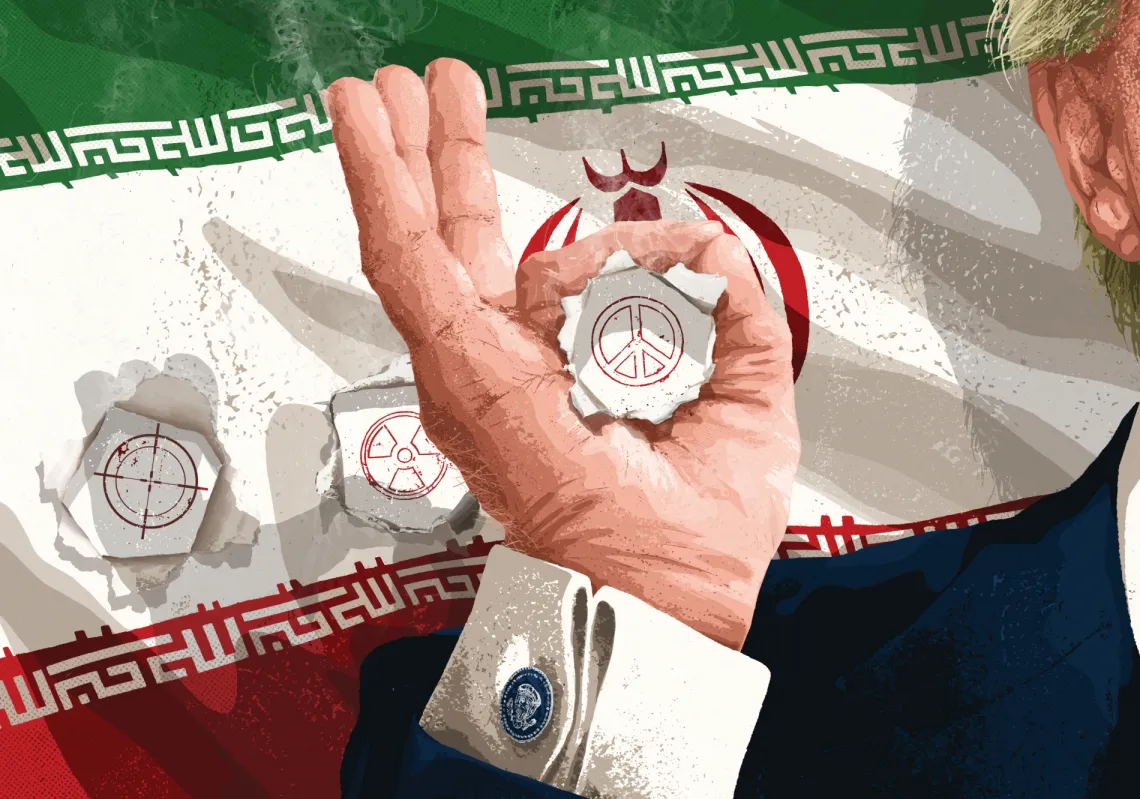
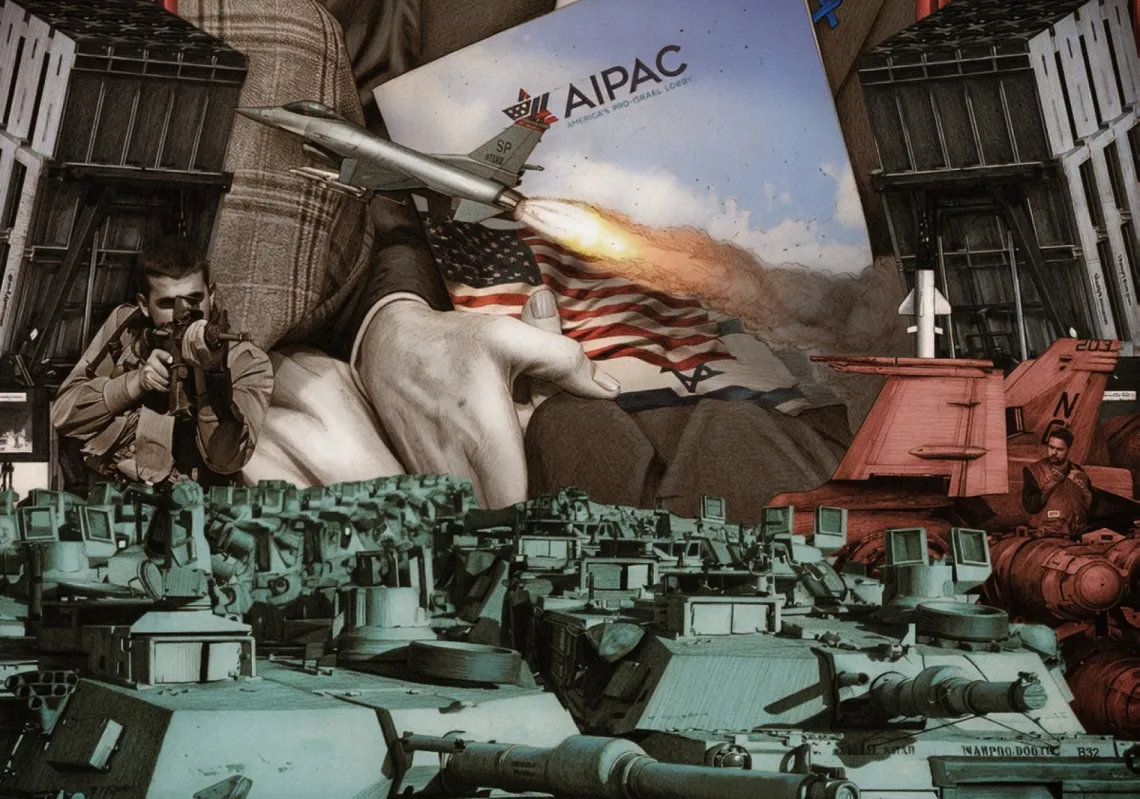
The US and Israel carried out strikes across Iran, and Tehran has retaliated by striking US/Israeli assets across the region. Could this turn into the regional war analysts have been warning about?
Handpicked by Khamenei for several senior manager roles, Arafi consolidated the political role of the pro-regime clergy in Iran and expanded Khomeini's ideological message around the world