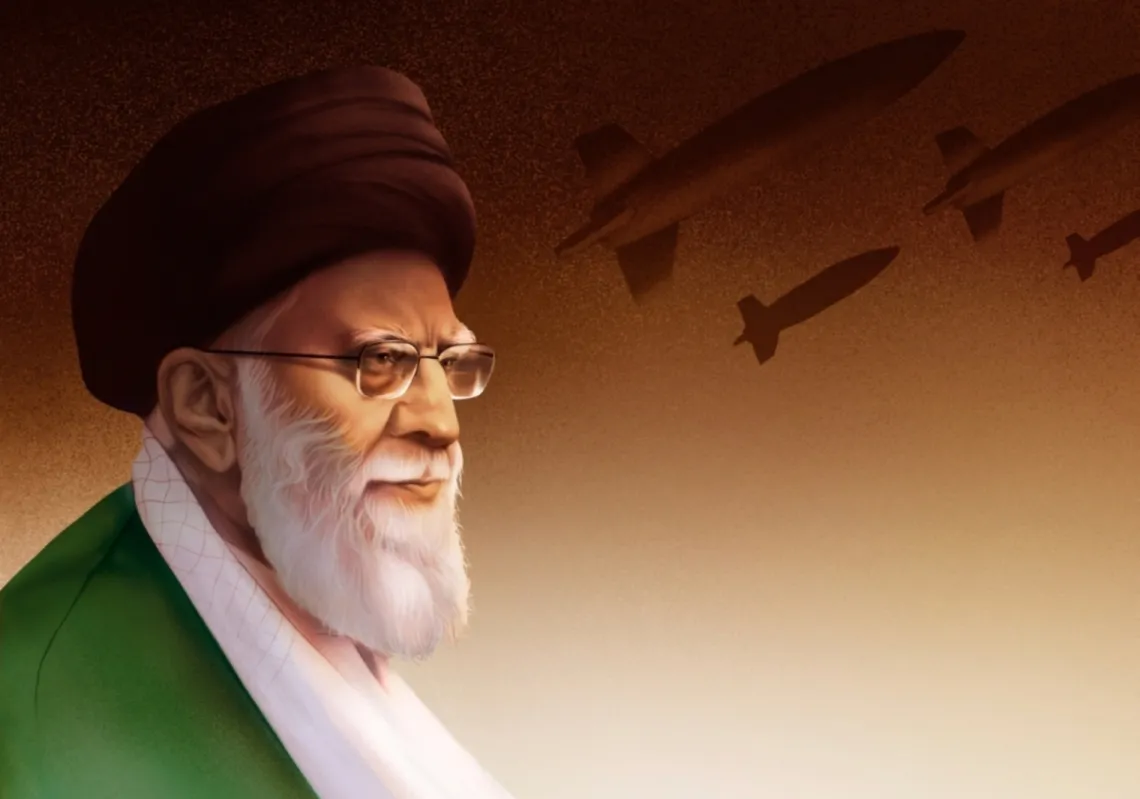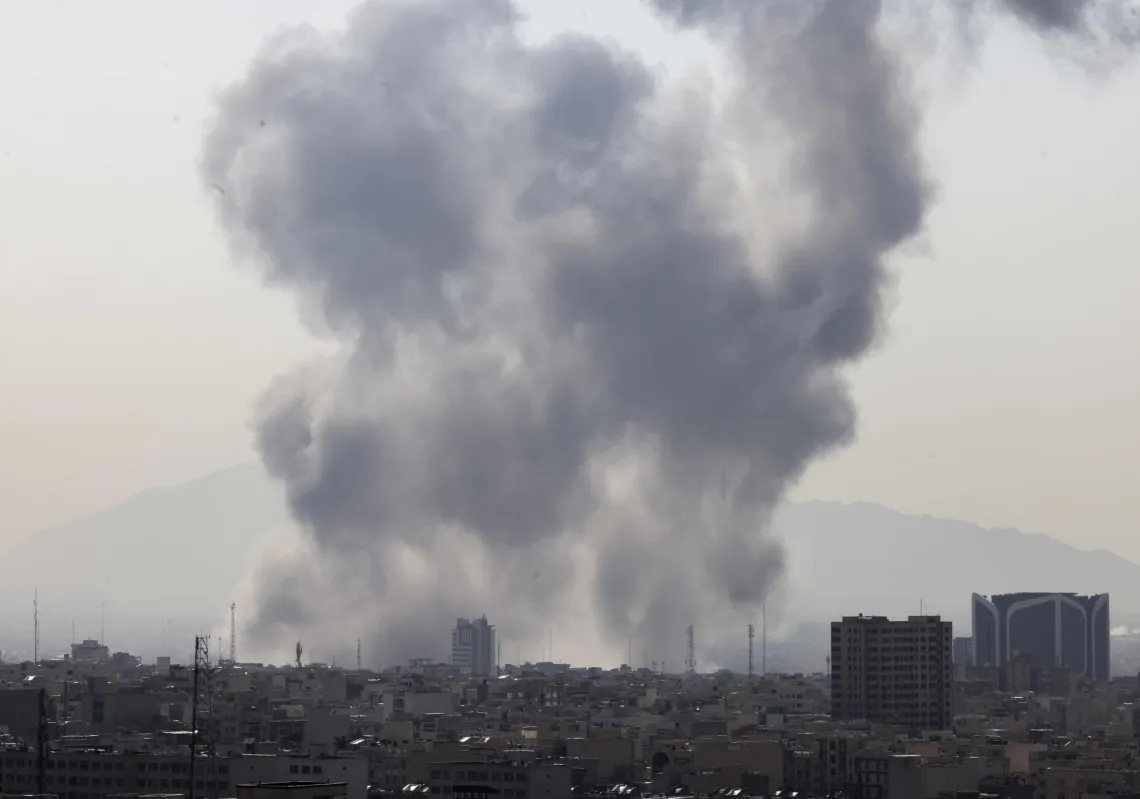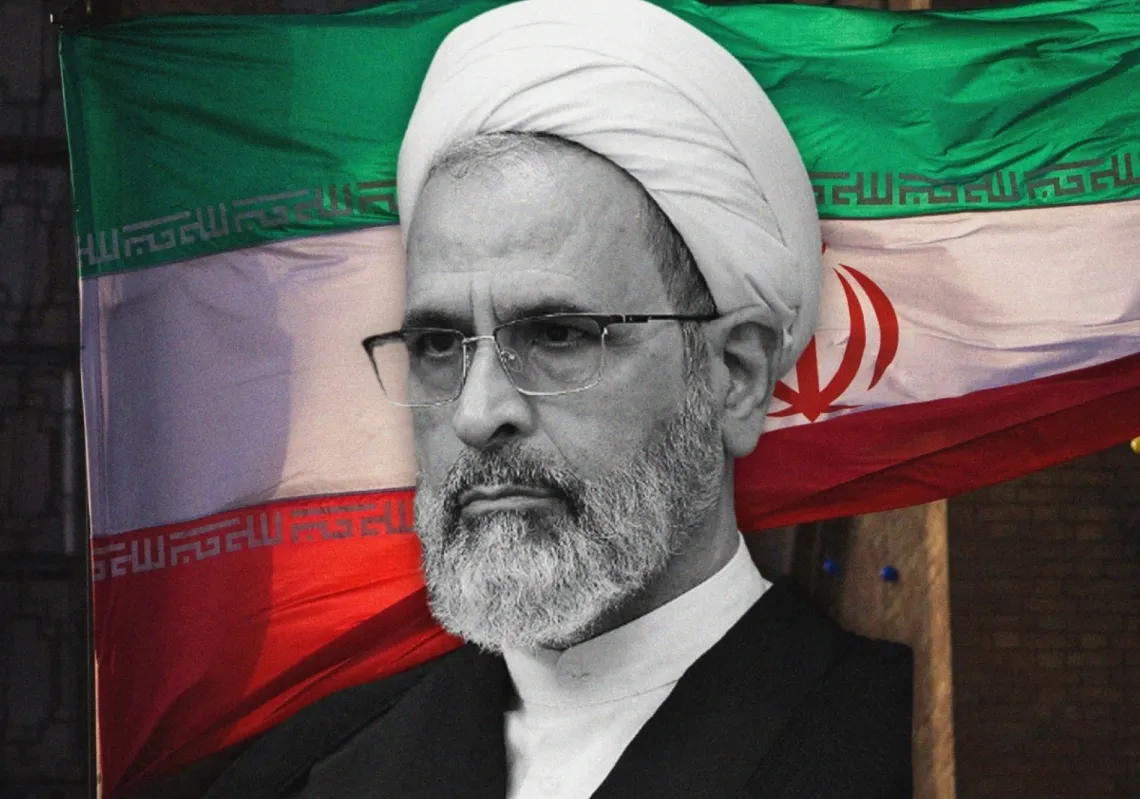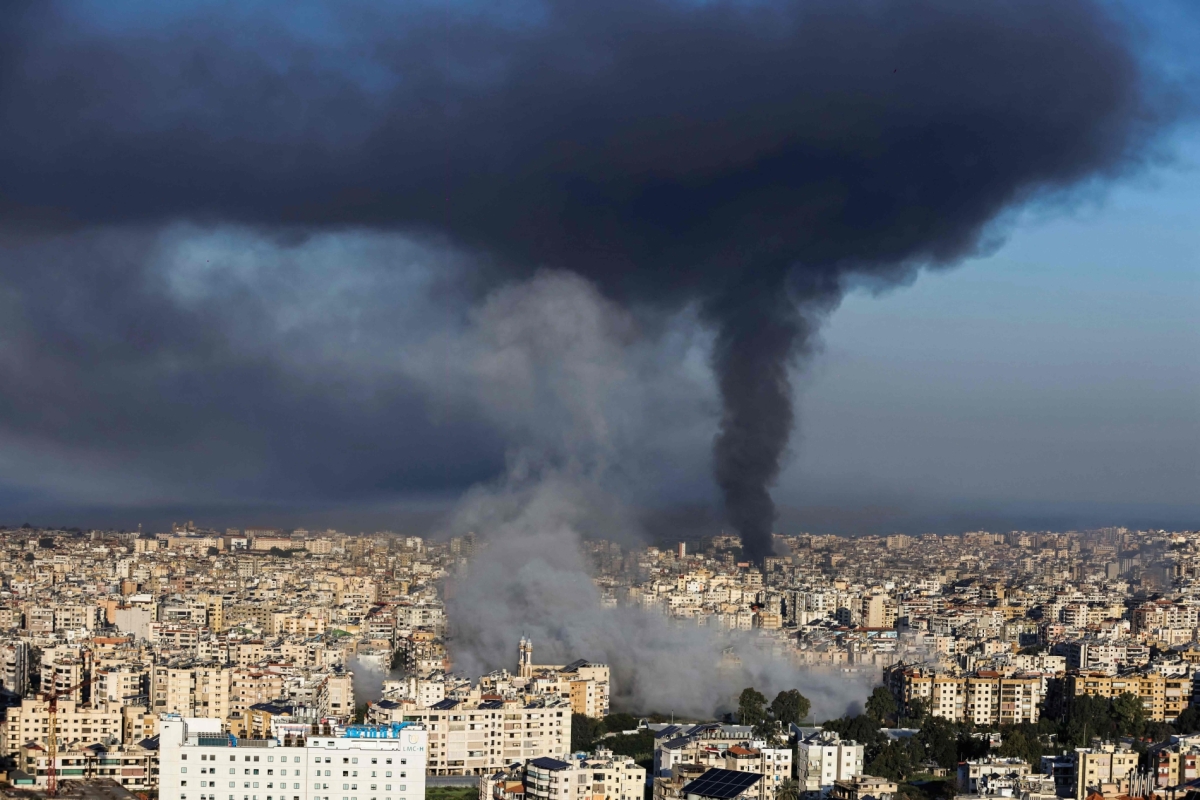

The US-Iran war that began on Saturday, 28 February, when Washington and Tel Aviv launched surprise attacks on Iran, officially expanded to Lebanon on 2 March, when Hezbollah launched six rockets into Israel targeting a missile defence installation south of Haifa in response to the killing of Iranian Supreme Leader Ali Khamenei and several senior Iranian figures.
Almost instantly, Israel began pounding southern Lebanon, southern Beirut and the Bekaa valley, in the middle of the night, issuing evacuation orders for these areas. At the time of publishing, around 52 people had been killed, and dozens more injured, with streams of civilians pouring into safer areas.
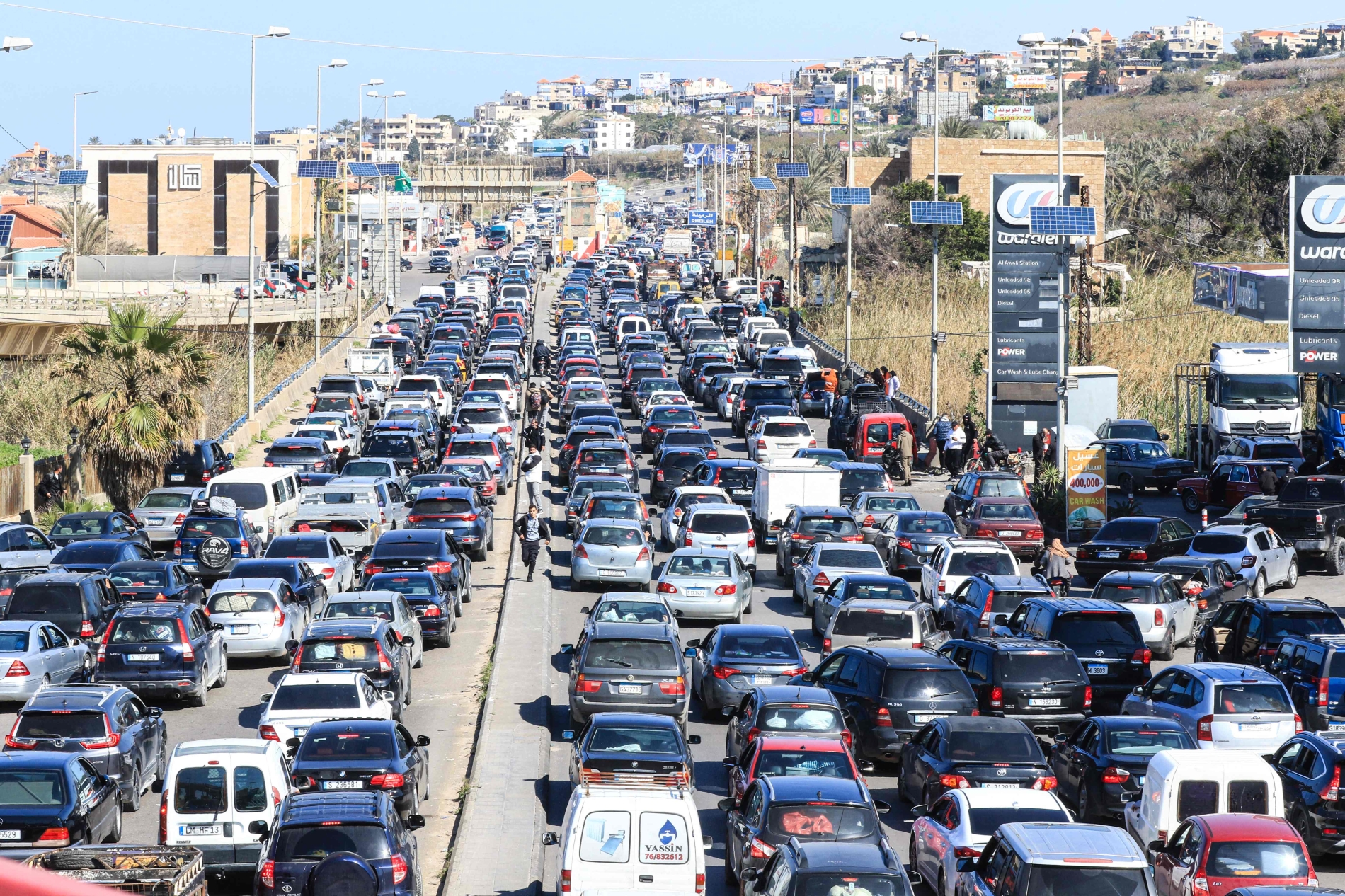
Hezbollah’s strike against Israel marks its first attack on Israel since a ceasefire was declared in November 2024. Despite the supposed truce, Israel has consistently carried out strikes on Lebanon.
Shortly after Hezbollah’s announcement, an Iraqi faction known as Saraya Awliya al Dam launched a swarm of drones at the Victoria military base within Baghdad International Airport. Taken together, these actions appear to be a calculated step by Tehran to widen the arena of conflict in a bid to raise the costs for its adversaries.
In an unprecedented move, Lebanese Prime Minister Nawaf Salam announced a government ban on Hezbollah's military activities. Notably, the two ministers affiliated with Speaker of Parliament Nabih Berri—Hezbollah’s principal ally—didn't object to the decision, despite their longstanding opposition to measures addressing the group’s weapons.