The treaty which gave rise to modern Turkey created a new world order which was outdated from the start. The Kurds ended up getting the shortest end of the stick.
From the 1639 Shirin Palace Agreement to the Lausanne Treaty of 1923, Kurdish self-determination was ignored by the world's dominant powers who were looking out for their economic interests.
Signed on 24 July 1923, the treaty had profound consequences for the Middle East and beyond. On its centennial, an understanding of it rests on an appreciation of the complex factors that led to it.
Airspace closures, rising fuel costs, shifting flight maps and delayed aircraft deliveries have repriced flights around the world, with some travel routes hit worse than others
Veteran Lebanese journalist Nada Abdelsamad transports readers back to the time when Beirut's Jewish quarter, known at the time as Wadi al-Yahud, was thriving
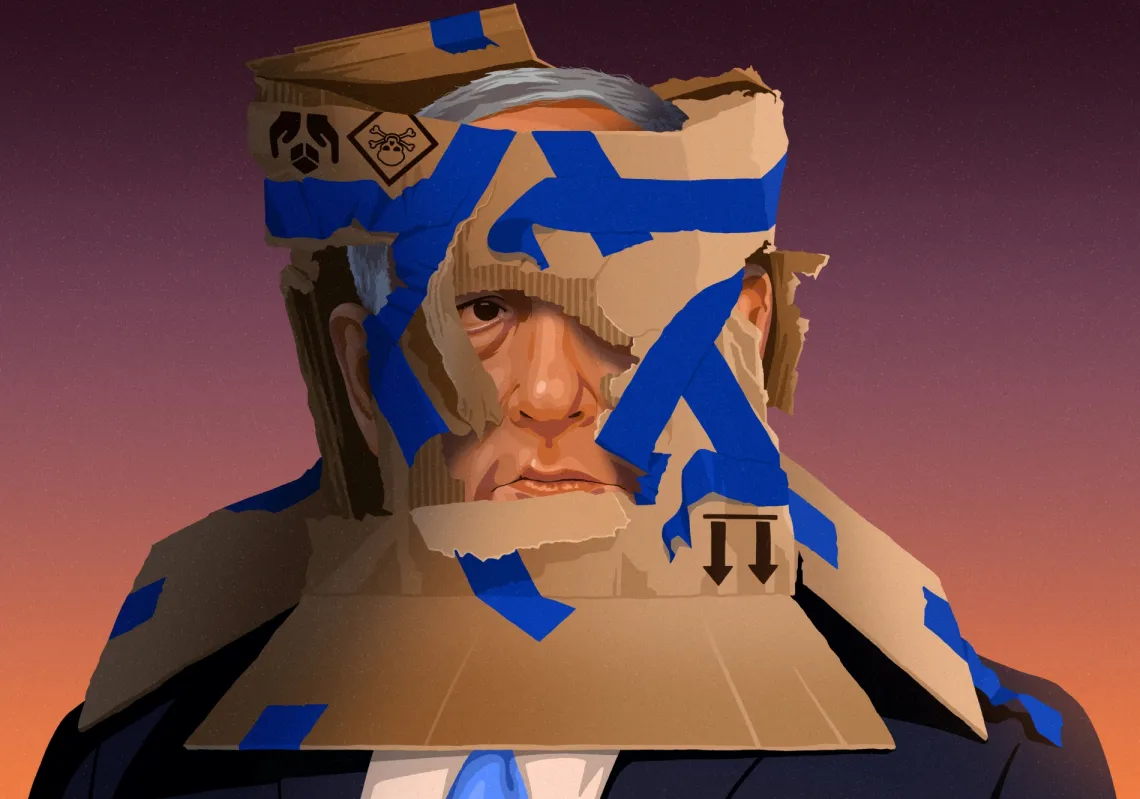
Ankara's national security priority is no longer Kurds or Gülenists, but Israel. Likewise, in Tel Aviv, Türkiye is increasingly seen as a future Israeli adversary. Both are preparing accordingly