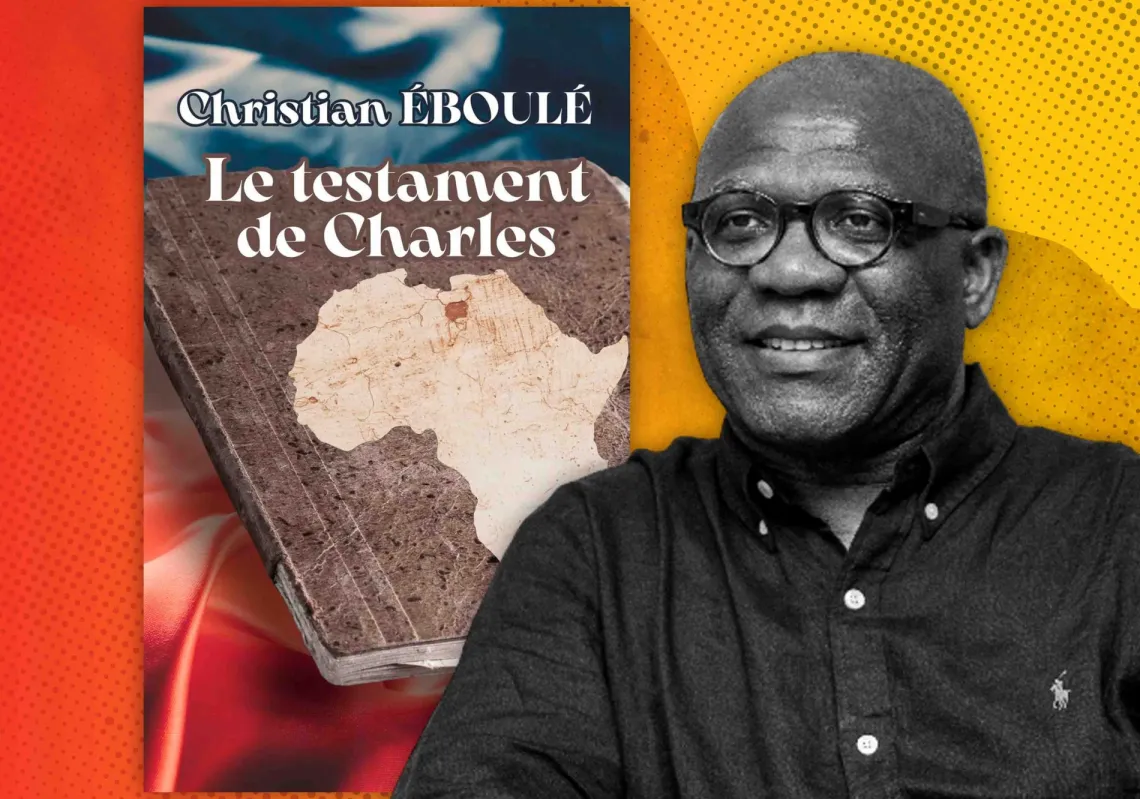
The Cameroonian journalist discusses his debut novel, 'Le Testament de Charles', and how post-independence generations still bear the scars of colonialism
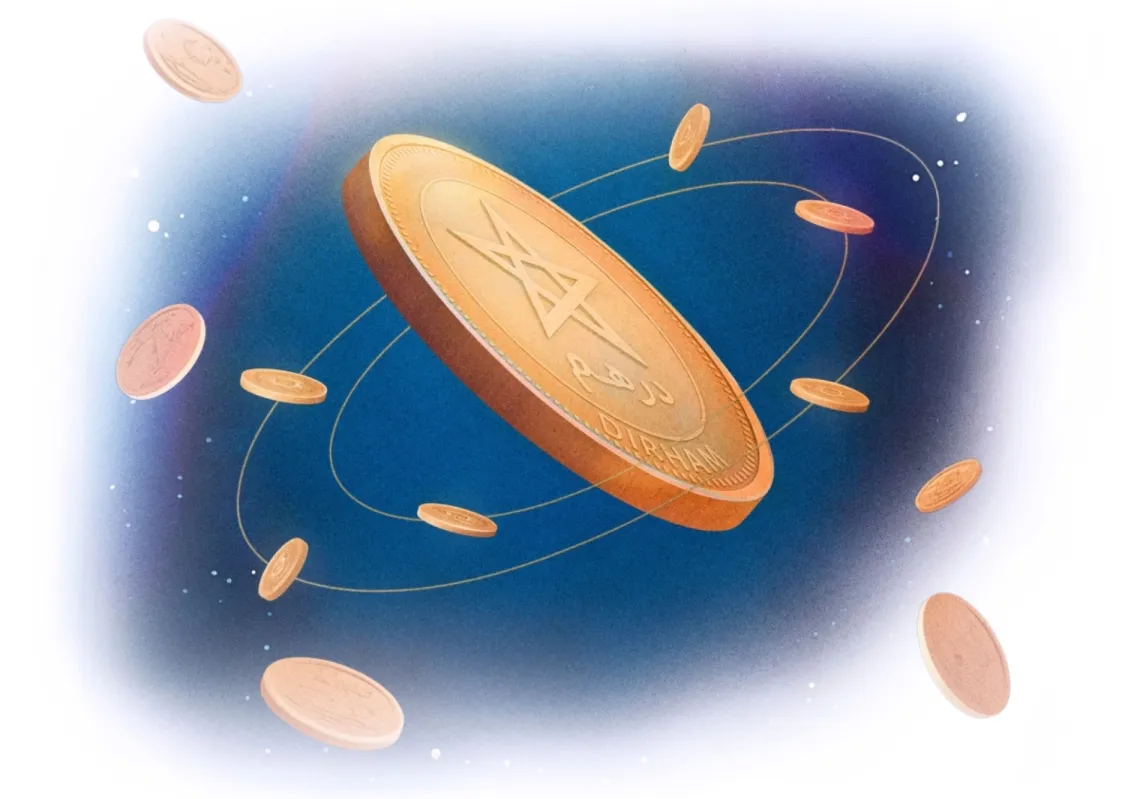
As European banks retreat, debt balloons, and price volatility spooks central banks, Morocco's national currency is increasingly being used in continental trading.
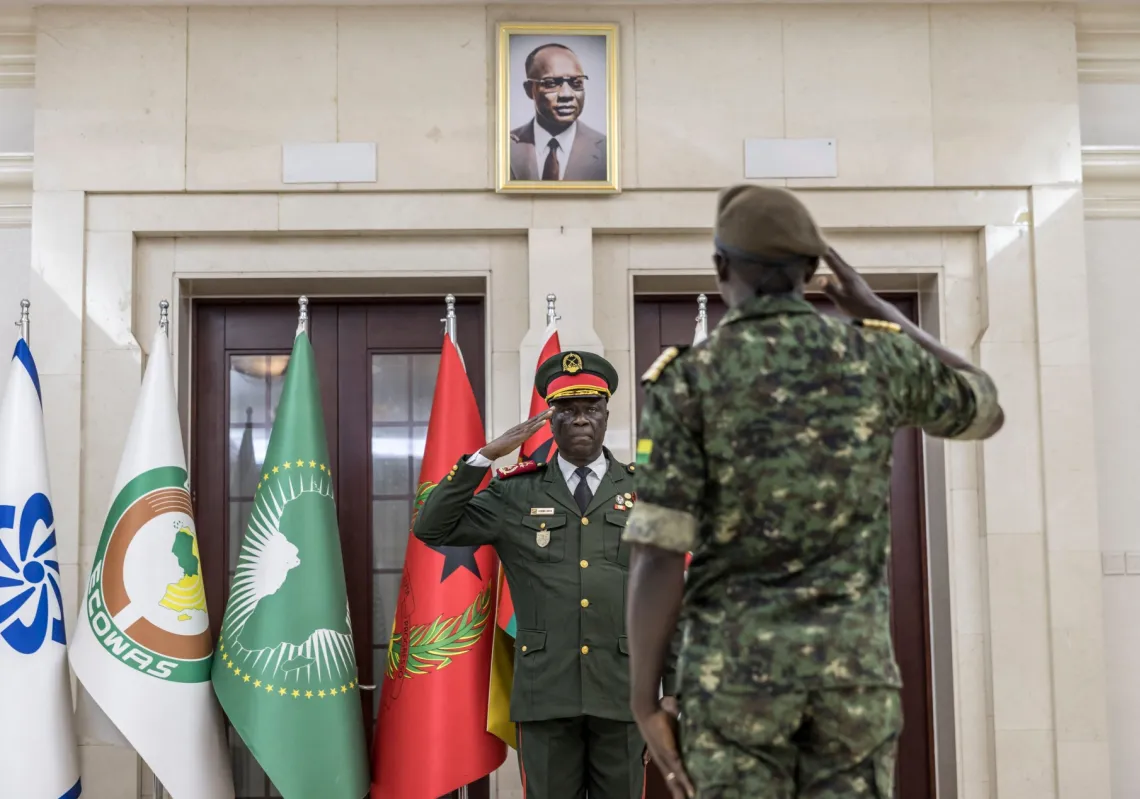
Guinea-Bissau's military coup begs more questions than answers. Some conspiracy theories allege that Embaló orchestrated his own coup after realising that Dias was likely to win the election.
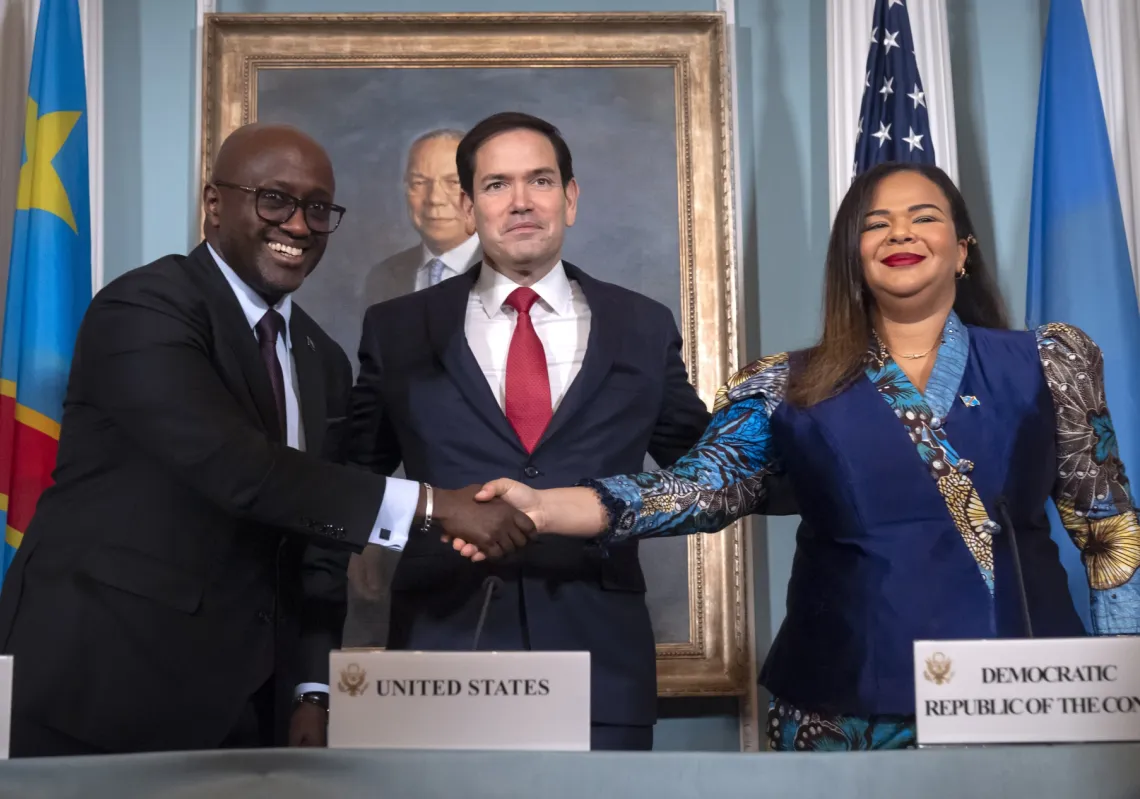
With China, Türkiye, the Gulf states, and Russia offering tangible investment and influence in Africa, the US's reliance on facilitation and hollow declarations has reduced it to a mere observer
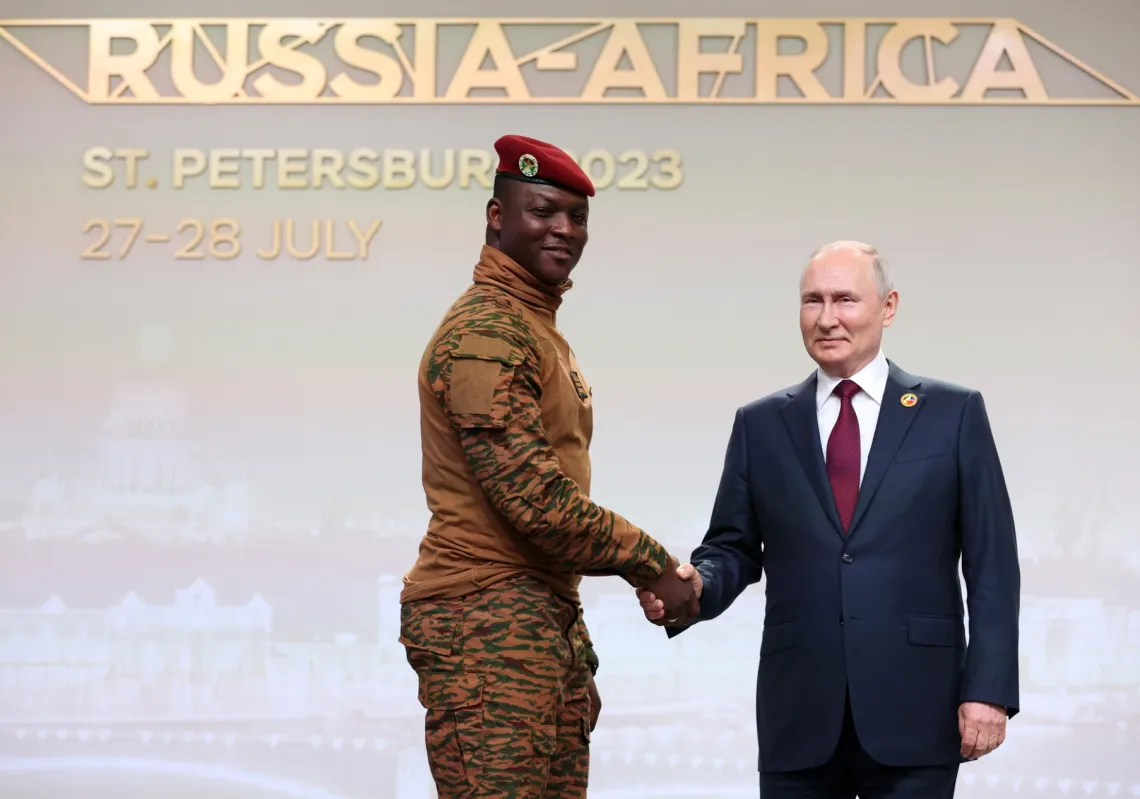
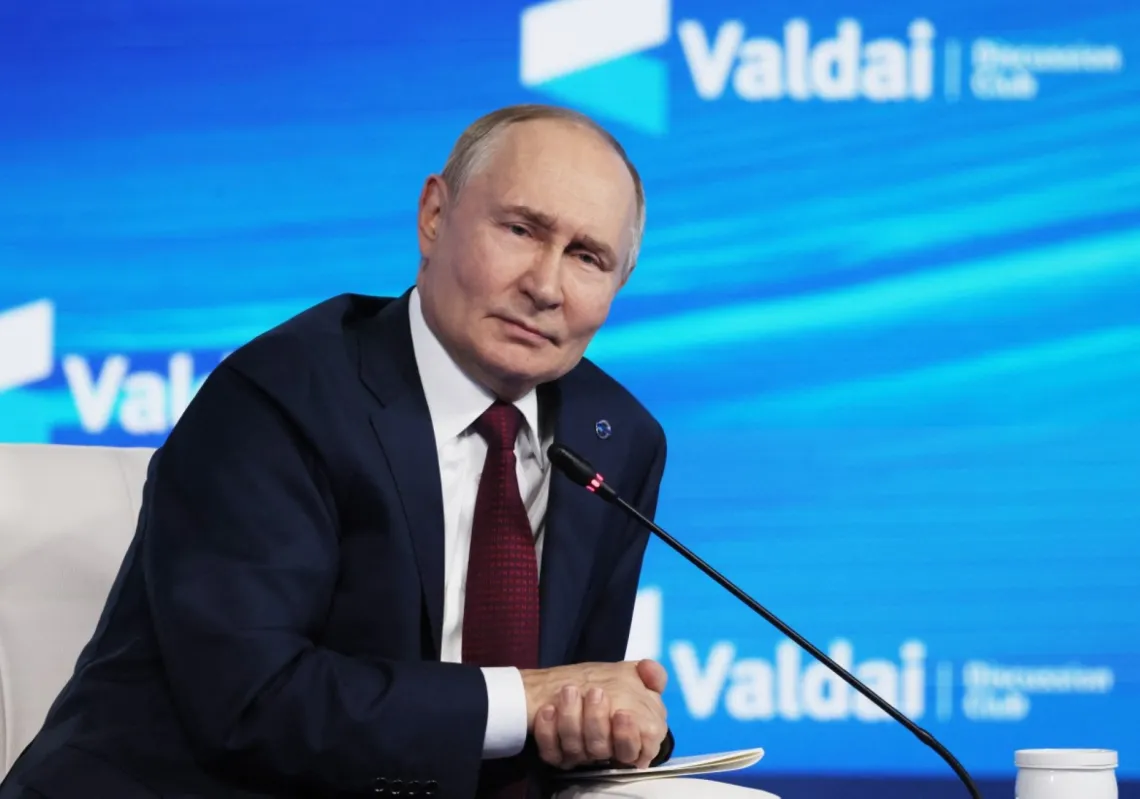
The Russian president says the next step is shaping a new construct—sovereignty as a service, as a resource, as an exportable value—which can already be seen in Africa
A rapid chain of events led to the president fleeing for his life following deadly clashes with citizens. But what happened is not uncommon for Africa. Al Majalla explains why.
In several corners of the continent, informal sectors have arisen to plug the gaps left by state weakness or absence, providing both a lifeline and a headache
General Anderson's appointment is being seen as a shift from a diplomatic, partnership-based approach to one that is operational and intelligence-led. In other words, from soft power to hard power.
Disruption in the Hormuz can have major implications for global trade, but it also creates opportunities for smaller nations like Iran to become global political players
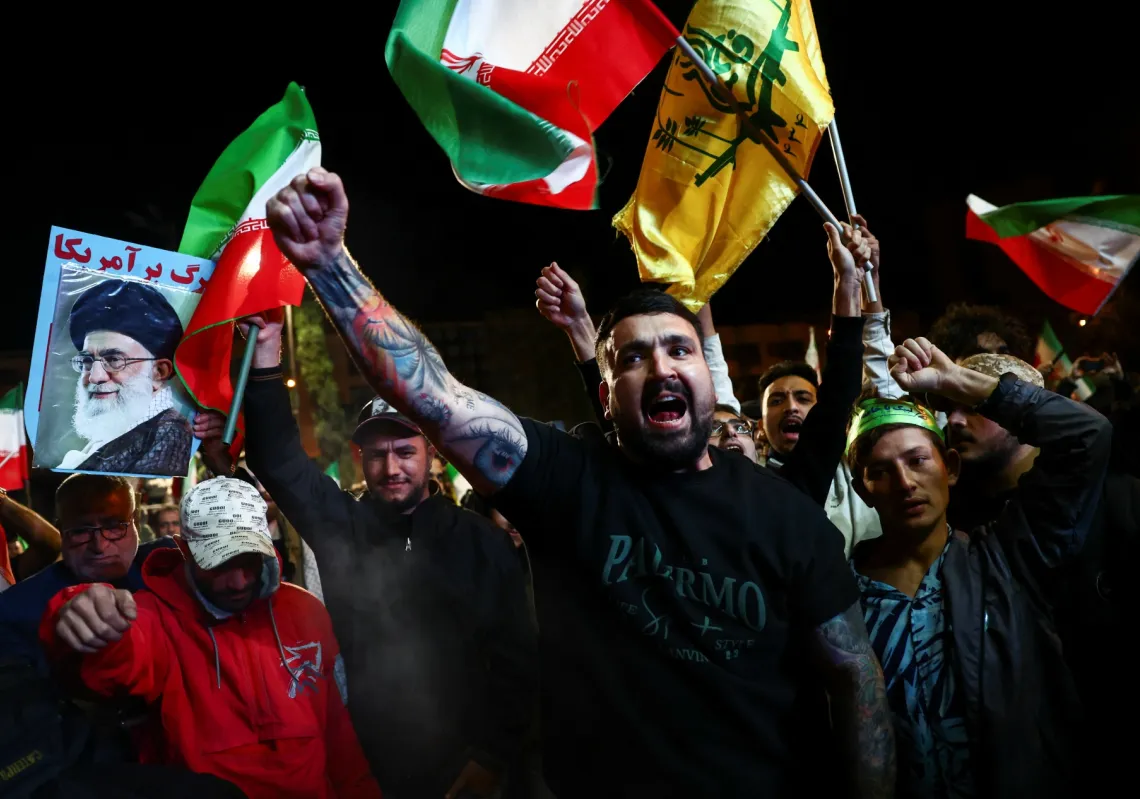
The Iraq war was viewed as disastrous in retrospect, while the Iran war was unpopular from the get-go. Al Majalla highlights the similarities and differences between the two.
Pipelines have a chequered history in the Middle East, but the closure of the Strait of Hormuz has led US Tom Barrack to conclude that a new route through Syria could solve some problems.