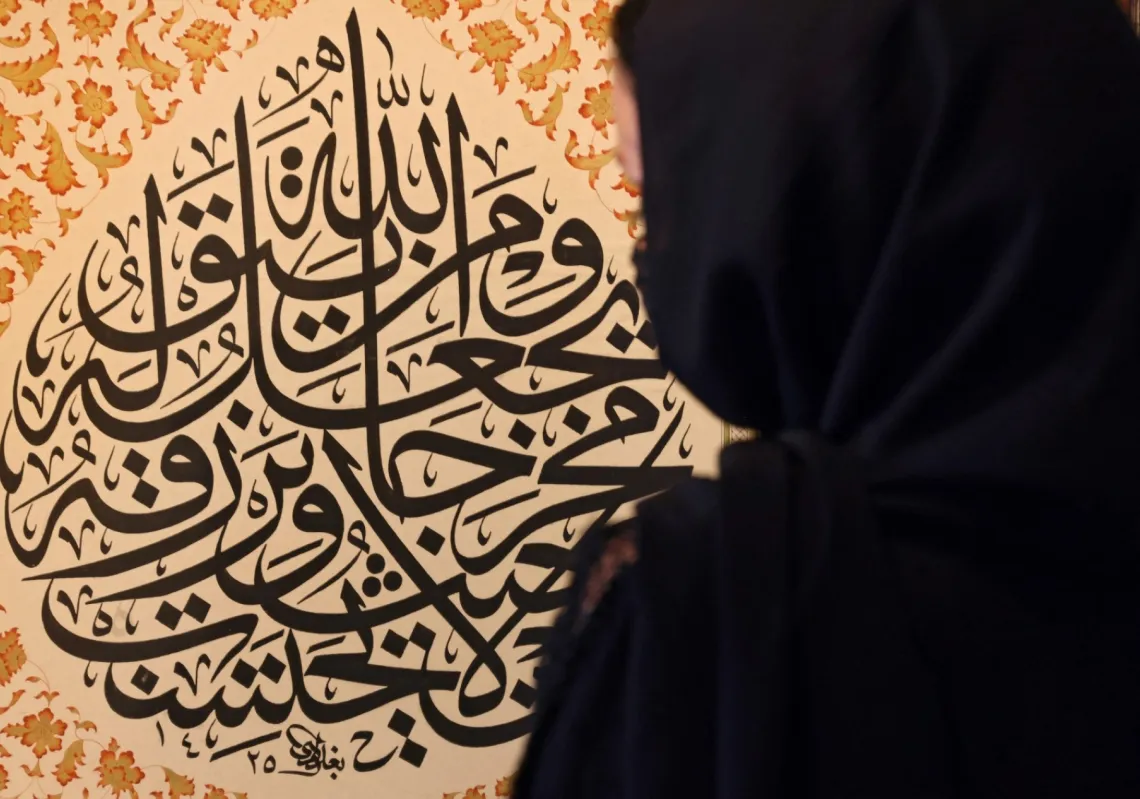
From the rock-cut façades of Mada'in Salih to the earliest Koranic manuscripts, a quiet transformation in Nabataean writing gave rise to one of the world's most enduring scripts
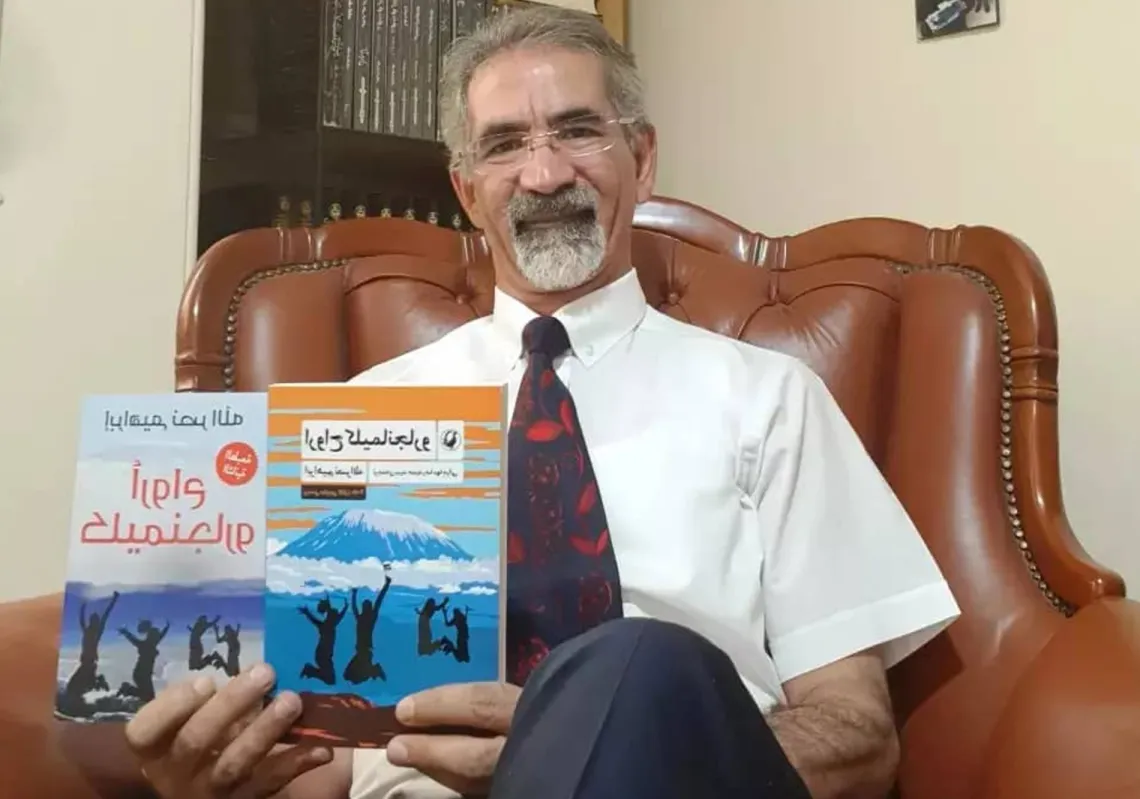
In an interview with Al Majalla, the Iranian writer and translator explains why he learned Arabic, its similarities and differences with Farsi, and how politics can stifle creativity
An Italian scholar notes that the Arab Mu'allaqat poets were profoundly aware and culturally sophisticated, unlike today's Italian publishers, who often use stereotypical images of migrants
Recently re-appointed president of the Institut du Monde Arabe, Jack Lang speaks to Al Majalla on his attachment to the Middle East, regional changes, and teaching Arabic in France.
Teaching Arabic has become a highly politicised issue in France. This has deterred the state from offering enough Arabic classes. With few options, parents turn to mosques for learning.
Teaching Arabic has been affected by the rise in Islamaphobia across Europe. In part 1 of a three-part series, Al Majalla looks at the experience of Arab immigrants in Germany.
An assessment of the philosopher's life, his key ideas, the controversies over his thoughts, and the opportunities for reinterpreting the holy scriptures
The story of a relic, the workers who helped unearth historical gems, the charms on doors in Upper Egypt and the intangible heritage they unfold, and many more interesting topics are discussed in the…
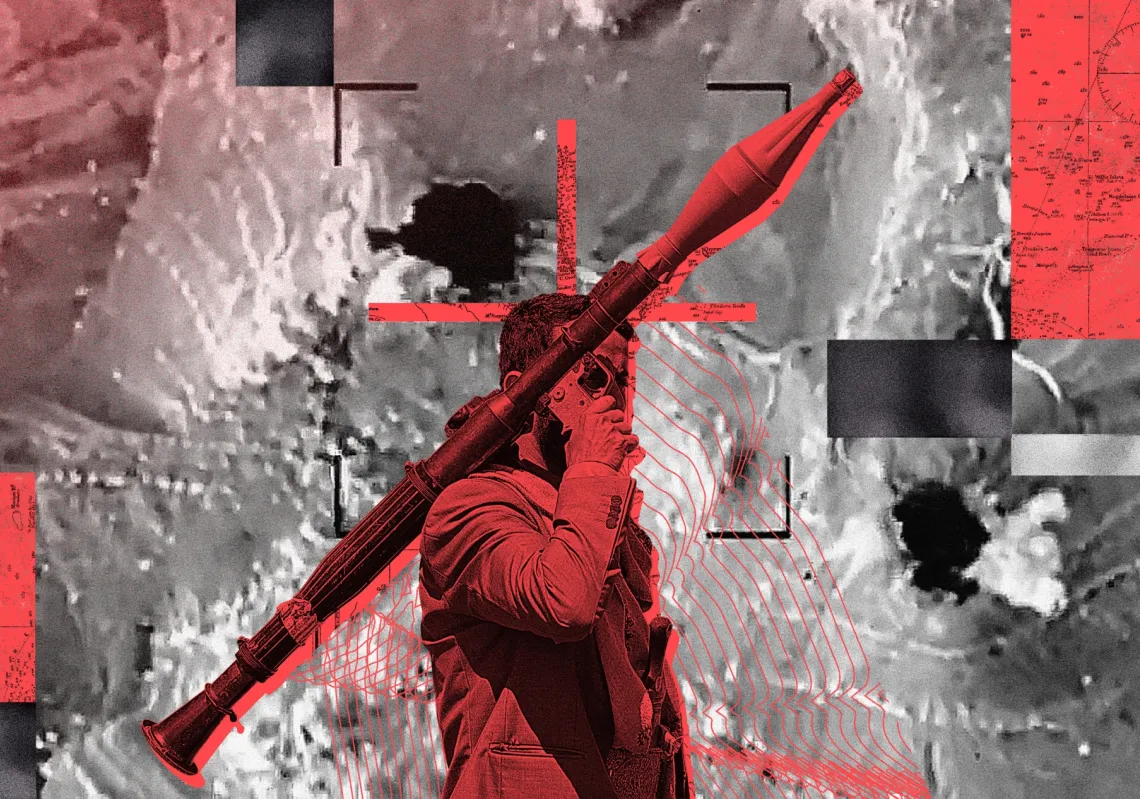
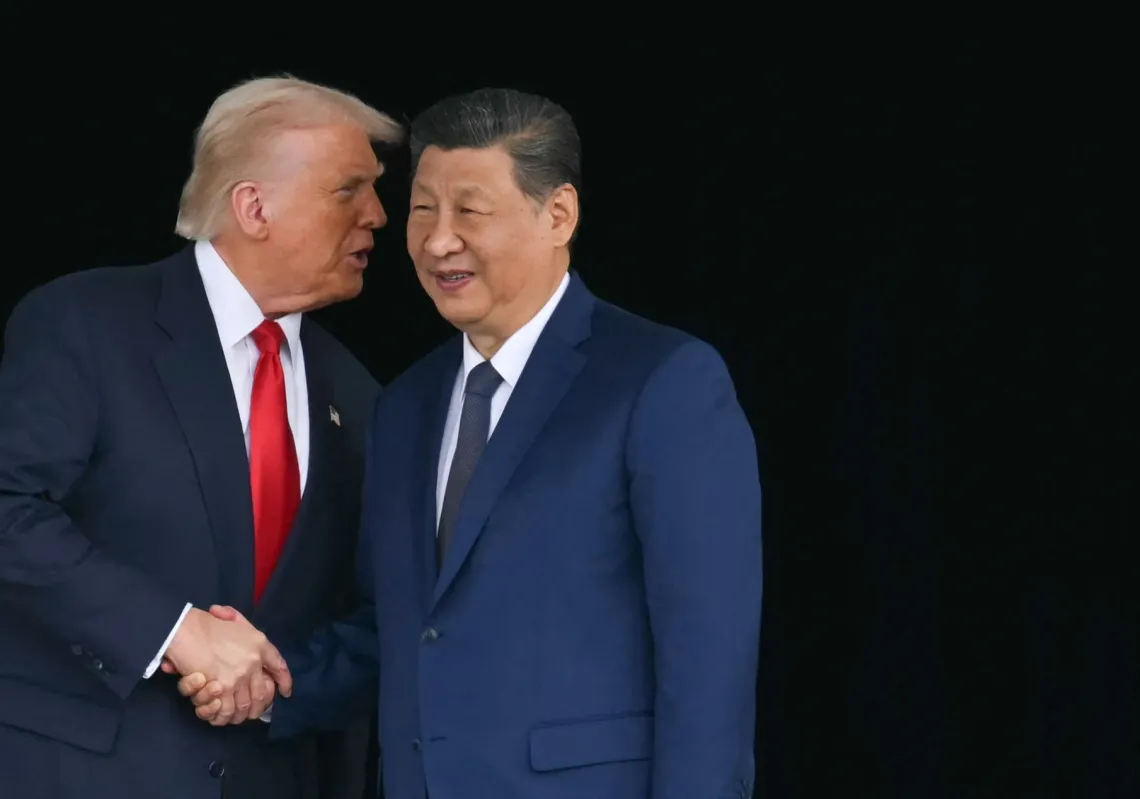
The sense that the US may be less committed to its allies' security is prompting a rethink of long-held assumptions, much to the delight of China and Russia
Supporting Israel used to help politicians get elected, but with Americans far more critical of Tel Aviv's influence on US policy, it has now become a liability at the ballot box
It is not just a fancy name for the air-conditioning industry, but an intricate system that begins with power stations and extends to the design of buildings and cities
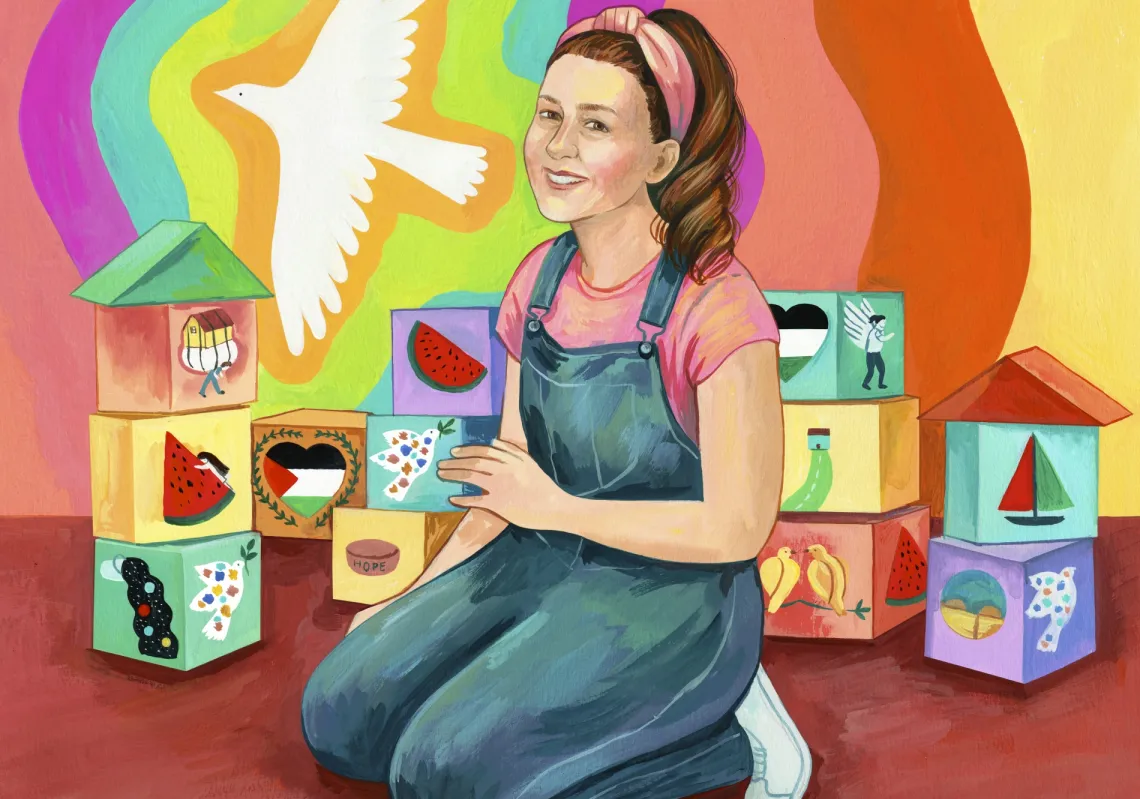
The Palestinian-German author speaks to Al Majalla about the challenges facing Palestinian voices in Germany and how she engages German readers from within their own cultural and political context