Europe’s securitisation comeback and the ghosts of 2008

Haunted by the legacy of the financial crash and driven by the need to rearm, the EU plans to revive securitisation to stimulate lending, investment, and growth

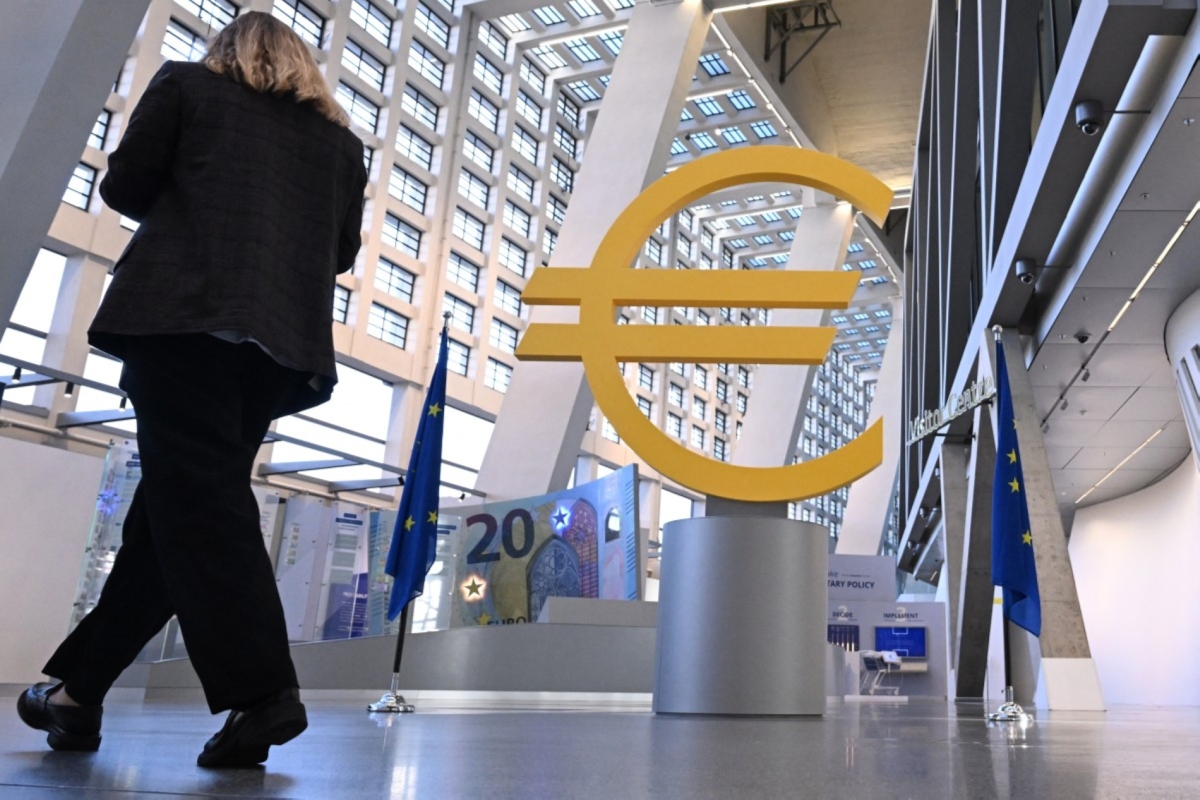
Euro currency symbol at the European Central Bank headquarters in Frankfurt, Germany, on 29 October 2026.
AFP
Euro currency symbol at the European Central Bank headquarters in Frankfurt, Germany, on 29 October 2026.

Europe’s securitisation comeback and the ghosts of 2008

The European Union is facing a major financing challenge that threatens both its ambitions and its competitiveness. The cost of modernising and expanding Europe’s defence capabilities to meet the growing threat from Russia, together with higher energy costs and the continued transition away from hydrocarbons, has created a headache in Brussels. The European Commission thinks more than €800bn will be needed annually.

With high levels of public debt and accumulated deficits, EU member states can no longer bridge this funding gap through their budgets alone. As a result, European banks face exceptional pressure to extend credit to the private sector, particularly small and medium-sized enterprises (SMEs), which form the backbone of the continent’s economy.

Brussels is responding with an ambitious effort to revive Europe’s securitisation market through substantial changes to the regulatory and supervisory framework established over recent years. On 21 October 2026, the European Parliament and the Council of the European Union agreed to reform the securitisation framework, to help banks release more capital for lending to households, small businesses, and infrastructure projects.

Welcomed by the Commission, it marks a fundamental shift in Europe’s attitude towards a financial instrument regarded with suspicion and subjected to stringent restrictions following the collapse of the US sub-prime mortgage market that triggered the 2008 global financial crisis.

Mechanics of securitisation

Securitisation is a form of financial engineering that transforms relatively illiquid assets (such as long-term mortgage loans) into securities or bonds that can be traded on capital markets. Traditionally, a bank extends a loan or mortgage to a customer, then retains it as an asset on its balance sheet until it has been repaid. In the meantime, banks are required to hold sufficient capital against the possibility that the borrower may default.

Securitisation is different. A bank pools thousands of similar loans into a single portfolio, then sells it to an independent legal entity known as a special purpose vehicle (SPV). The bank receives payment for the loans, while the SPV issues securities to institutional investors, dividing them into tranches with different levels of risk and return.

In traditional securitisation, ownership of the underlying loans passes from the bank to the SPV. In synthetic securitisation, the bank may retain the loans on its balance sheet while transferring some of their credit risk to other parties through credit protection agreements and financial derivatives. This lets them obtain liquidity immediately (rather than waiting years for borrowers to repay the loans) and, by transferring credit risk to investors, it reduces the capital that the banks need to hold, freeing up capacity for them to lend to businesses and households.

AFP
Thousands of people demonstrate to protest the financial situation in Reykjavik, Iceland, on 29 November 2008.

Years of contraction

Since the financial crisis of 2008, Europe’s securitisation market contracted and weakened relative to its potential. According to figures published by the Association for Financial Markets in Europe (AFME) and the European Investment Bank, European securitisation issuance amounted to a relatively modest €252.3bn in 2025, compared with more than $1.5tn in the US.

Figures from the International Monetary Fund and the European Capital Markets Institute (ECMI) illustrate an equally striking disparity: outstanding securitisation in the EU amounts to 6% of the bloc’s gross domestic product, compared with more than 54% in the US. Much of this divergence comes from Europe’s stringent regulatory and supervisory regime introduced in the aftermath of the 2008 crash, when the EU imposed high risk weights and large capital charges on banks and insurance companies holding securitised assets in their investment portfolios.

Complex disclosure obligations, extensive administrative scrutiny, and rigorous due diligence requirements added to the burden. The safeguards were intended to protect the financial system from future shocks, but one effect was the restriction of a potentially valuable source of finance that could have supplied productive sectors of the European economy with much-needed liquidity and credit.

Proposed regulatory reforms seek to ease restrictions on capital requirements and the rules governing liquidity and disclosure

Regulatory reform

The proposed regulatory reforms, which have been examined by the Commission, the European Central Bank (ECB) and the European Banking Authority (EBA), seek to ease restrictions on capital requirements and the rules governing liquidity and disclosure. On the former, Brussels has proposed lowering the minimum risk-weight floors (from 10-15% to 5-7%) applied to senior, relatively secure tranches of securitisations that meet the criteria for 'simple, transparent and standardised' (STS) transactions.

The second area concerns capital requirements for non-bank financial institutions, particularly insurance and reinsurance companies governed by the Solvency II framework, with potential implications for investment by pension funds. Proposed reductions in the capital required to cover interest rate and credit risks are intended to encourage these institutions to invest in securitised assets over the longer term.

Further measures include introducing a 'resilient securitisation' category, simplifying disclosure requirements, and reducing the number of data fields required for regulatory reporting by more than a third. There may also be greater flexibility in portfolio requirements where at least 70% of the underlying loans have gone to SMEs. Together, these changes will reduce the administrative and operational costs borne by issuers, making smaller securitisation transactions more commercially viable.

Reuters
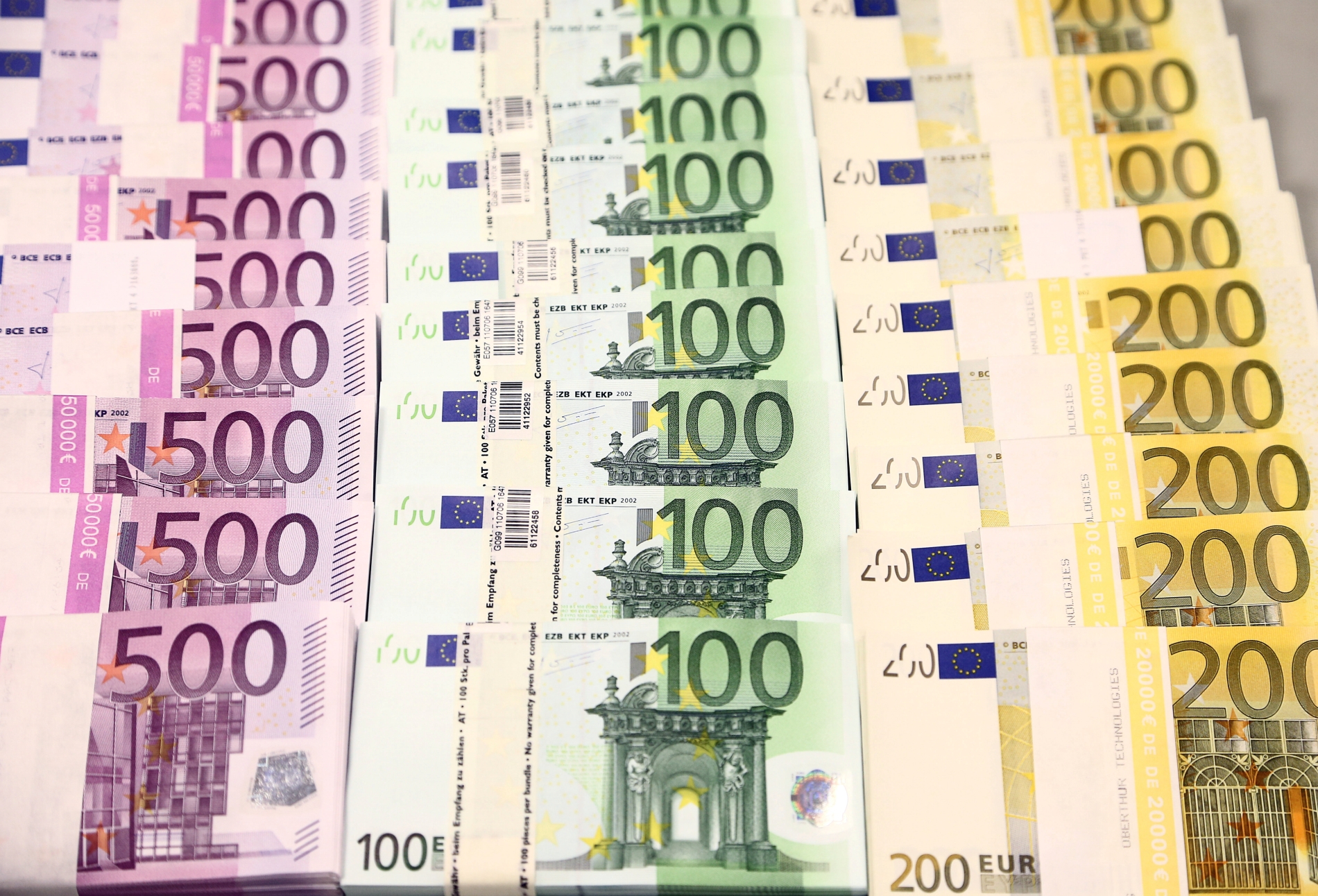
Euro banknotes arranged at the Croatian National Bank in Zagreb, Croatia, on 21 May 2019.

The financing impact

To assess the economic impact of these reforms, it is important to distinguish between the total value of securitised loans and the volume of genuinely new credit reaching the productive economy. The Commission and ECB think reform could restore Europe's securitisation market to historic levels, letting banks securitise loans and other assets worth up to €350bn annually.

Yet these figures should not be mistaken for an equivalent injection of new investment. Banks may use some of the liquidity and capital released through securitisation to strengthen their balance sheets, improve capital adequacy and liquidity positions, hedge existing exposures, or replace other sources of funding.

Estimates suggest that every €100bn in securitised loans could release sufficient regulatory capital and liquidity to support €60-70bn in additional lending. On this basis, genuinely new financing reaching the private sector could be between €150-200bn annually, provided banks use the additional capacity to expand lending.

Helping businesses

SMEs are central to the European economy, but larger companies find it much easier to secure financing. Most SMEs lack direct access to bond markets, while banks face relatively high costs in assessing their creditworthiness. Brussels hopes that reducing the costs of securitisation will encourage banks to pool loans to smaller businesses and convert them into marketable securities more economically. This could open an additional channel of finance, whilst letting SMEs expand and invest.

The reforms could also help finance Europe's green transition, infrastructure development, and advances in digital technology. Industrial projects aimed at reducing carbon emissions, modernising production facilities, and generating renewable energy all require substantial long-term financing. Traditional bank balance sheets cannot easily accommodate investments on this scale without help from capital markets and private investors.

Securitisation could therefore provide a bridge between Europe's substantial reserves of private savings and the financing needs of its strategic industries. By mobilising capital held by pension funds and insurance companies, it could help direct investment towards projects essential to the continent's economic transformation. Yet success will depend on the availability of commercially viable projects and an investment climate capable of turning regulatory reform into actual financing.

Europe's effort to revive securitisation reflects a calculated choice to harness financial markets in support of the productive economy

Structural vulnerabilities

Despite the prospective gains, reviving securitisation carries significant risks, as regulators have highlighted. The first concerns the lowering of lending standards. When banks can transfer the risks associated with new loans to investors relatively quickly, they have less incentive to scrutinise borrowers' creditworthiness, so could be tempted to expand lending at the expense of credit quality.

A second concern is the transfer of risk to the shadow banking sector, including hedge funds and private investment funds. As credit risk migrates beyond the traditional banking system, monetary and supervisory authorities may find it increasingly difficult to trace exposures and assess their implications, particularly during market turbulence.

A third danger lies in overestimating what securitisation reform alone can achieve in terms of stimulating investment and economic growth. Securitisation is essentially a mechanism for mobilising liquidity and distributing financial risk. It cannot, by itself, resolve the deep structural weaknesses that continue to hamper Europe's investment environment, including bureaucratic complexity, high energy costs, and the longstanding fragmentation of capital markets across member states.

Reuters
Spanish Minister of Economy Carlos Cuerpo, European Commissioner for Financial Services Maria Luís Albuquerque, and Cypriot Finance Minister Makis Keravnos attend a finance ministers meeting in Brussels on 9 November, 2026.

The shadow of 2008

European policymakers worry that reviving securitisation could open the door to the kind of financial collapse that paralysed the global economy in 2008. Yet the proposed European framework differs substantially from the structure of the American market that helped precipitate the sub-prime mortgage crisis.

Among its principal safeguards is the retention of the 'skin in the game' requirement, designed to ensure that institutions originating or arranging securitisations retain a financial interest in the underlying credit risk. EU rules require the originator, sponsor or original lender to retain a material net economic interest of at least 5% in the securitisation.

Retaining a proportionate share of each tranche is one of the permitted methods. The requirement is intended to align the interests of those responsible for the loans with those of investors, encouraging continued attention to credit quality and repayment performance throughout the life of the transaction.

The EU also restricts certain complex securitisation structures and prohibits re-securitisation (with specific exceptions). The STS framework establishes additional criteria for qualifying transactions, while the European Securities and Markets Authority (ESMA) oversees the registration and supervision of independent entities that verify compliance with STS requirements.

Europe's effort to revive securitisation therefore reflects a calculated choice to harness financial markets in support of the productive economy. With effective supervision and robust safeguards, securitisation could become an important source of finance for a transforming continent. It could also strengthen Europe's security and strategic autonomy in the decades ahead. Not even banks can put a price on that.

font change