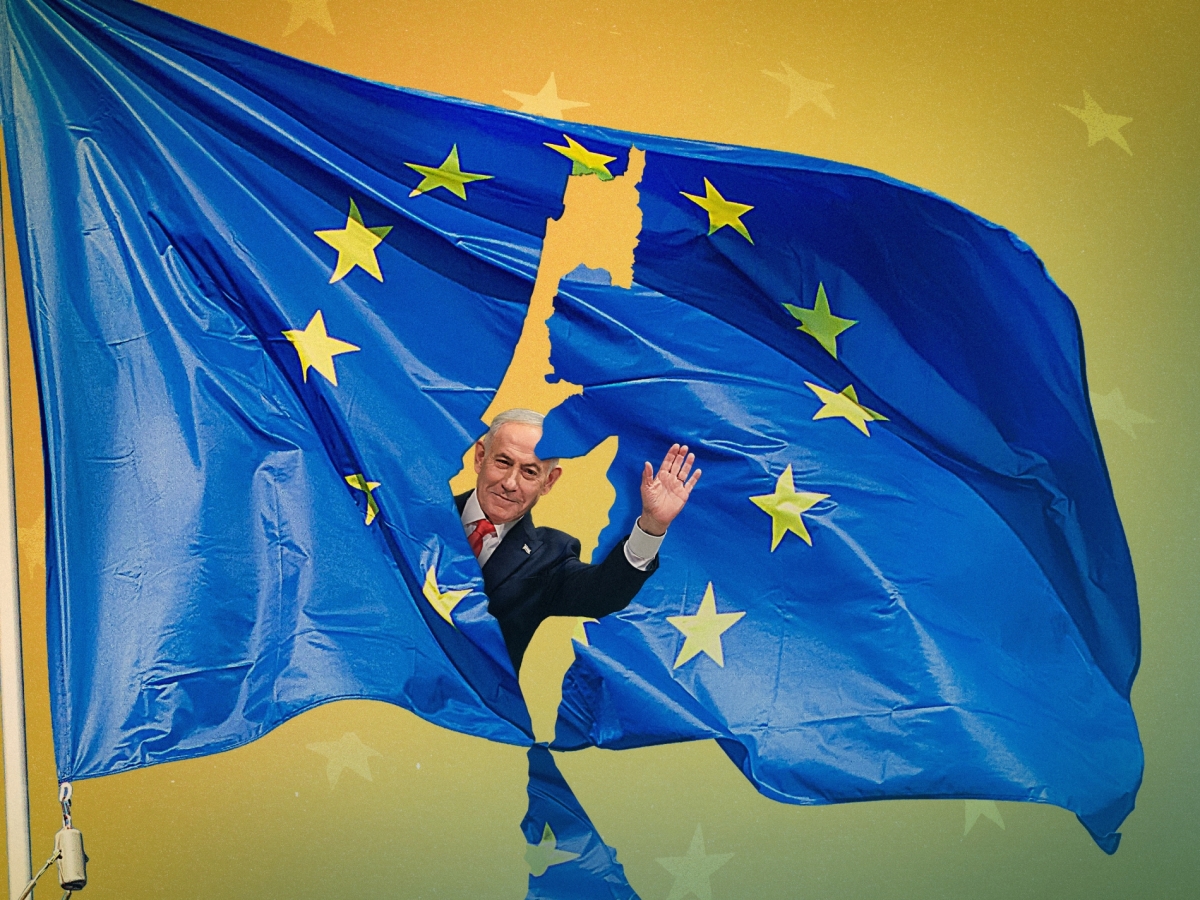

To see how European views on Israel differ, look no further than France, where the far-left and far-right are battling for the presidency. Jordan Bardella, president of France’s pro-Israel National Rally (or RN, a far-right party founded by the antisemitic father of leader Marine Le Pen), defended Israel’s Diaspora Minister Amichai Chikli when controversial past comments resurfaced. Meanwhile, Jean-Luc Mélenchon, leader of the far-left party France Unbowed and a 2027 candidate, denounced the Gaza “genocide” and pledged to “take direct action” against Israel if elected.
Israeli Prime Minister Benjamin Netanyahu once described Europe as an “exhausted continent” that lacked the will to fight and that had yielded to Islamist groups. True to form, he is nothing if not divisive. During his premiership, European attitudes towards Israel have become an increasingly potent source of polarisation, reflecting the left-right divide across the political spectrum. The consequences are felt not just in Israel-Europe relations, but in the relationships between Europe and the Arab world.
Left-wing European movements, including the UK’s Green Party, have become bolder in their condemnation of Israeli policies in response to the public’s revulsion at Israel’s devastation of Gaza and the horrendous loss of life there. Far-right parties, by contrast, have generally supported Israeli government actions, reflecting shared concerns over immigration, security, and the demographic growth of Muslim communities.
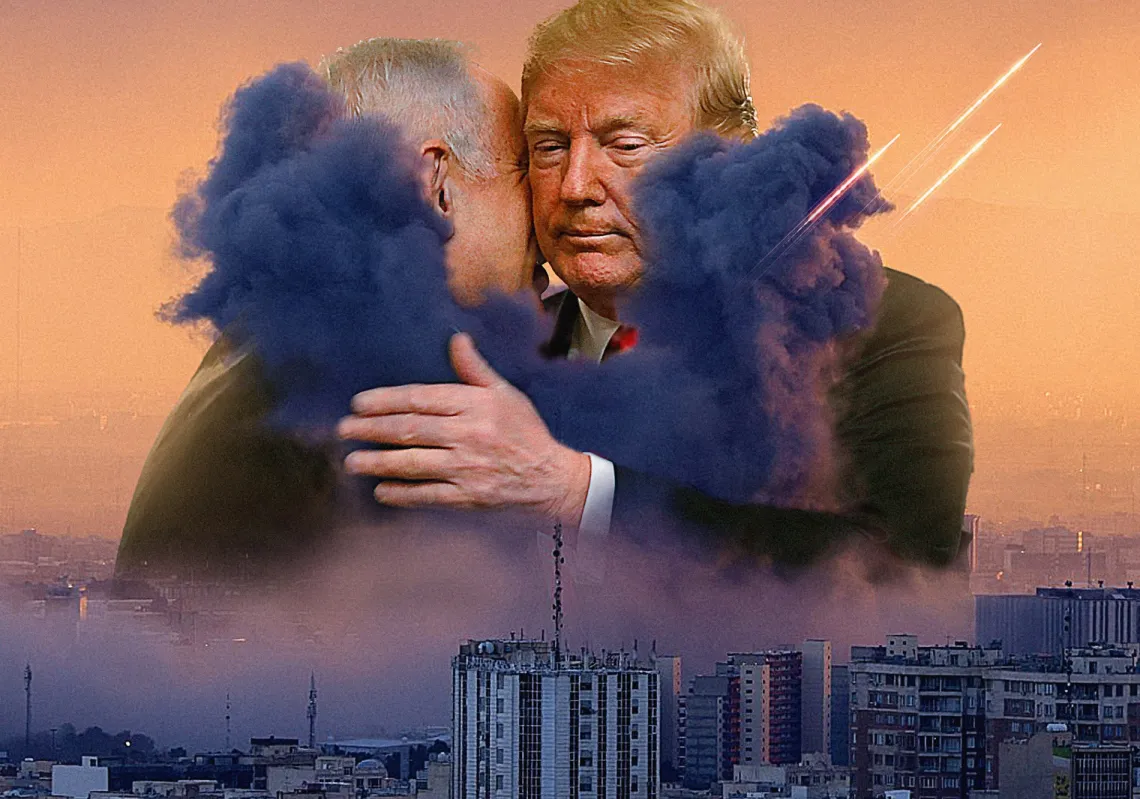
The growing affinity between Israel and Europe’s far right was illustrated on 19 October 2026, when Netanyahu openly expressed support for the RN. He said its leaders “understand that they are living under threat,” adding: “It is only natural that a common enemy should create common interests.” Even if Netanyahu is toppled from power by his political opponent Gadi Eisenkot, most analysts expect any new Israeli government to maintain ties with emerging right-wing figures across Europe.
Right-wing symbiosis
This exposes a paradox. On the one hand, it accuses foreign political leaders who criticise Israeli policies of fuelling antisemitism, while on the other, it displays an unprecedented willingness to cooperate with European far-right movements that had previously been blacklisted in Israel due to their historical records. Emblematic of this was the Israeli government’s defence of Bardella when he sought to normalise relations with Austria’s Freedom Party, which was founded by former Nazis.
Israeli overtures have extended to far-right parties in Sweden, Spain, and the UK (Alternative for Germany, or AfD, remains the exception). This is reflected in policy positions. In September, for instance, Britain’s Nigel Farage, leader of Reform UK, said he opposed the government’s new sanctions on products from Israeli settlements. The effect of these divisions is to prevent the emergence of a continent-wide consensus against Israeli policies.
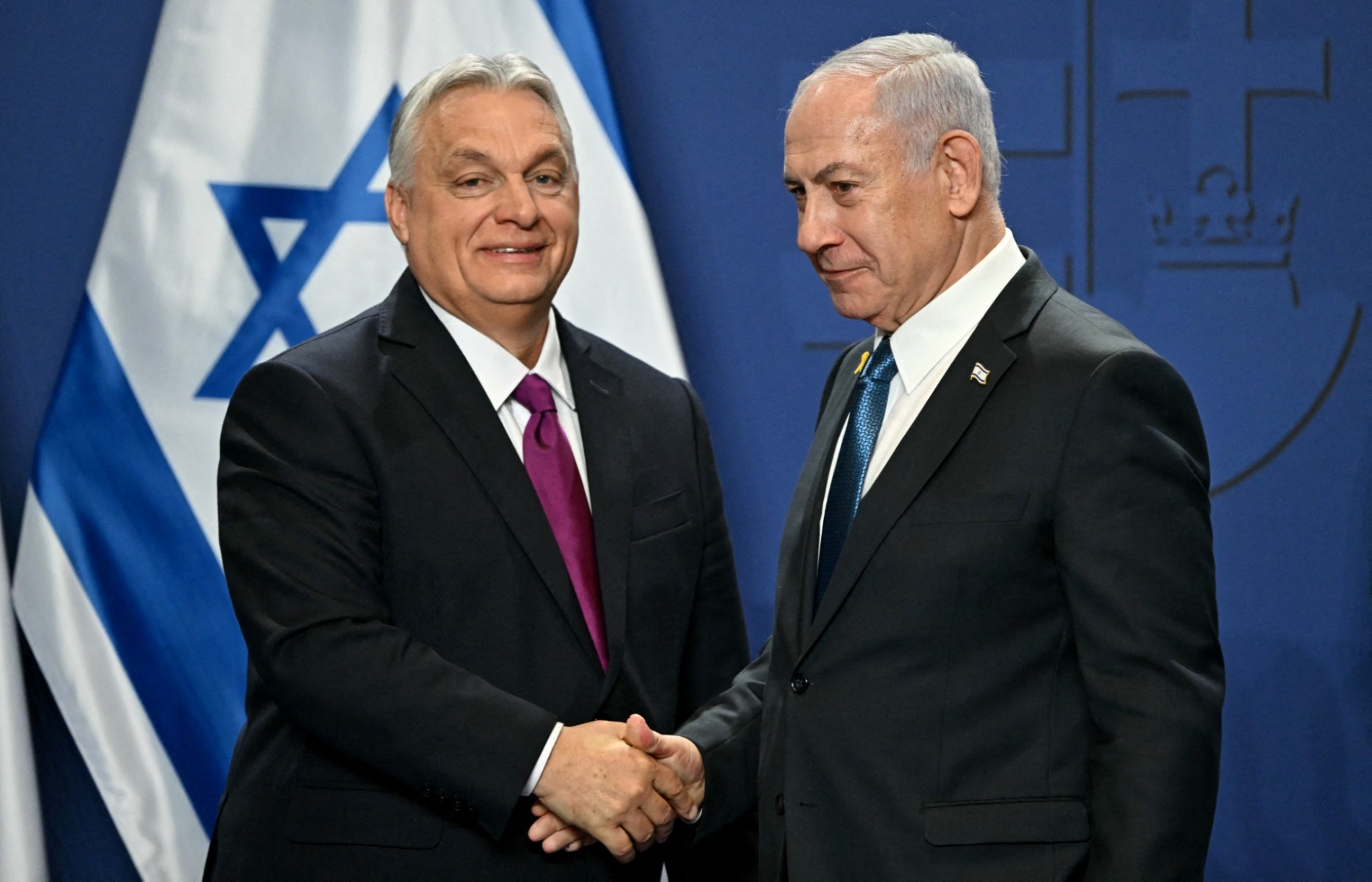
Israel’s close relationship with former nationalist Hungarian leader Viktor Orbán was illustrative of this approach, but not every European far-right party is fully behind Netanyahu. Italian Prime Minister Giorgia Meloni has criticised Tel Aviv for the death toll in Gaza war, for example, with Italian public opinion turning increasingly against the actions of the Netanyahu government.
Israel’s warmth with Europe’s nationalist right found expression in the European Parliament, where Netanyahu’s Likud party secured observer status in the Patriots for Europe group alongside Orbán’s Fidesz party, France’s RN, Dutch far-right politician Geert Wilders’ Party for Freedom, and Spain’s Vox, led by Santiago Abascal.
Some politicians from these parties embrace the ‘great replacement’ theory that Europe’s white majority is being replaced through immigration and birth rates. Such sentiment sits comfortably with Netanyahu’s allies. Since 7 October 2023, when militants from Gaza attacked southern Israel, Netanyahu has advanced a narrative that casts ‘radical Islamism’ as a common enemy of ‘Judeo-Christian civilisation’.
This convergence of perspectives has led some Jewish Europeans to regard these far-right parties as a source of protection, increasingly overlooking their antisemitic roots. For Europe's far-right, the Palestinian question thus becomes an extension of the 'clash of civilisations' first espoused by American political scientist Samuel Huntington in 1996. In their eyes, defending Israel amounts to defending the West against Islamism.
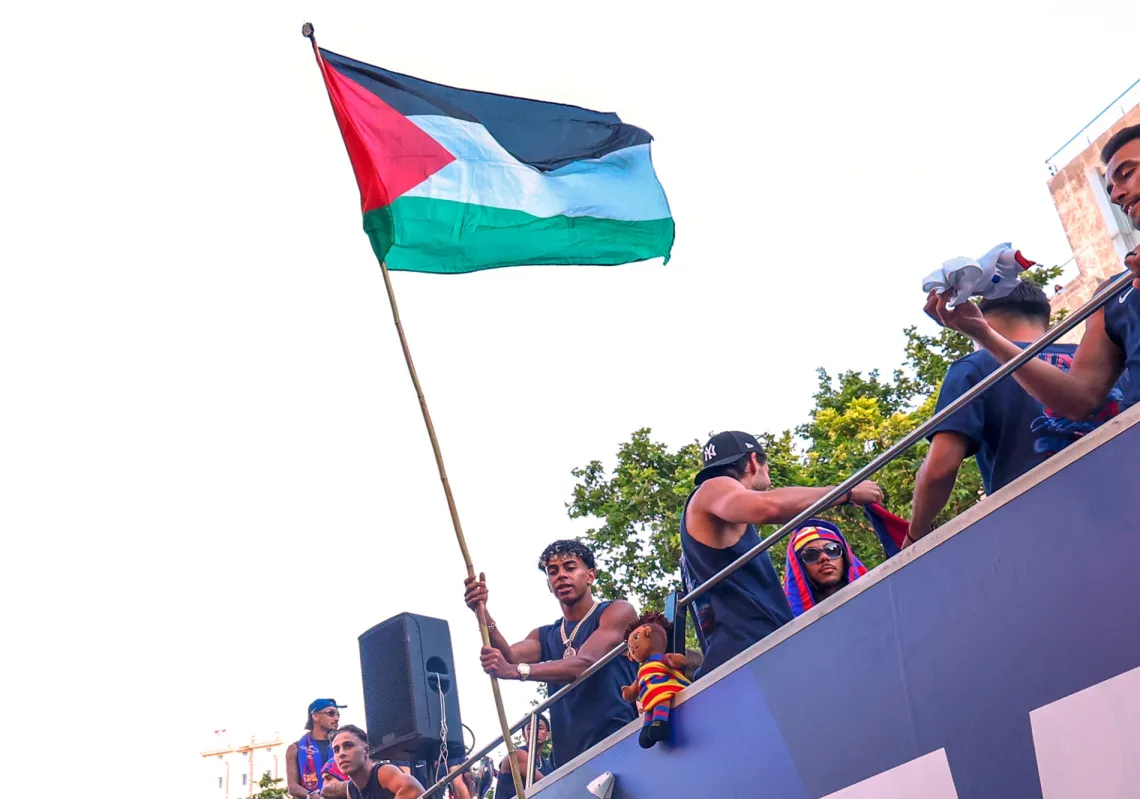
Polls show that, just as in the United States, Israel's image has deteriorated particularly among Europe's young, left-wing, and Muslim communities, but proposals to restrict trade with Israeli settlements or to review the European Union's Association Agreement with Israel have divided European governments. Spain, Ireland, Belgium, and the Netherlands support measures against Israel, but Germany, Italy, Hungary, the Czech Republic, and Austria oppose sanctions, so the EU has not found a consensus.
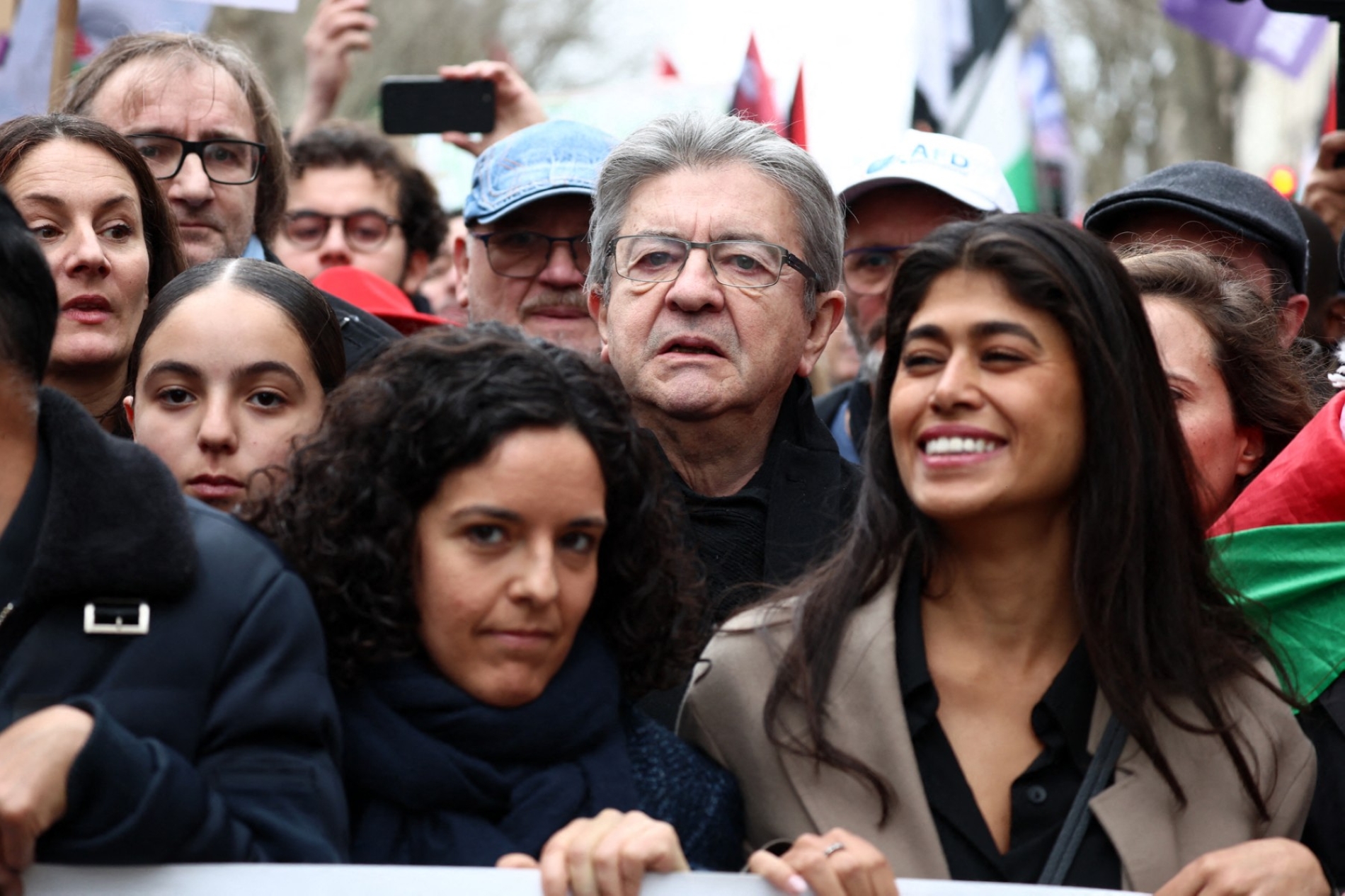
Still, the events of 7 October 2023 and Israel's response in Gaza, the West Bank, and Lebanon have prompted many left-wing parties to reassess their positions. Europe's far-left, represented primarily in the European Parliament by The Left group, takes an uncompromising stance against Israel, strongly condemning its military operations in Gaza, which Jean-Luc Mélenchon's party described as "genocide". Others condemn Israel's "criminal conduct" in Palestinian territories.
A matter of morality
This has led some to debate whether Zionism is a force for good. In October 2026, Britain's Greens passed a motion officially declaring the party to be "anti-Zionist," supportive of the Boycott, Divestment and Sanctions (BDS) movement, and opposed to the sale of arms to Israel. The party defined Zionism as an "ethnonationalist political project" and denounced attempts to equate anti-Zionism with antisemitism. Sceptics say such motions are a cynical attempt to attract Muslim voters; proponents say they are about defending Palestinian rights and upholding international law.
These competing interpretations have sharpened divisions within the European left. For many, attitudes towards Israel have become a moral issue, but political realism and national interest often shape the opposing position. The divide can be generational; for some European students, the war in Gaza prompted their first experience of protest. Others see the plight of the Palestinians in the context of colonialism and racism.
For Europe's centre-left, which is committed to the two-state solution, criticising Benjamin Netanyahu (who is wanted by the International Criminal Court) carries less political risk. In Spain, Socialist Prime Minister Pedro Sánchez boasted that he "denounced the perpetrators of genocide while others remained silent", banning arms supplies and defence contracts with Israel. Spanish voters, who have been critical of Israeli actions in Gaza, go to the polls next month.