The flare-up is no isolated episode. Rather, it is the most dangerous chapter in a fraught, decades-long relationship that began during the Soviet-Afghan War in the 1980s.
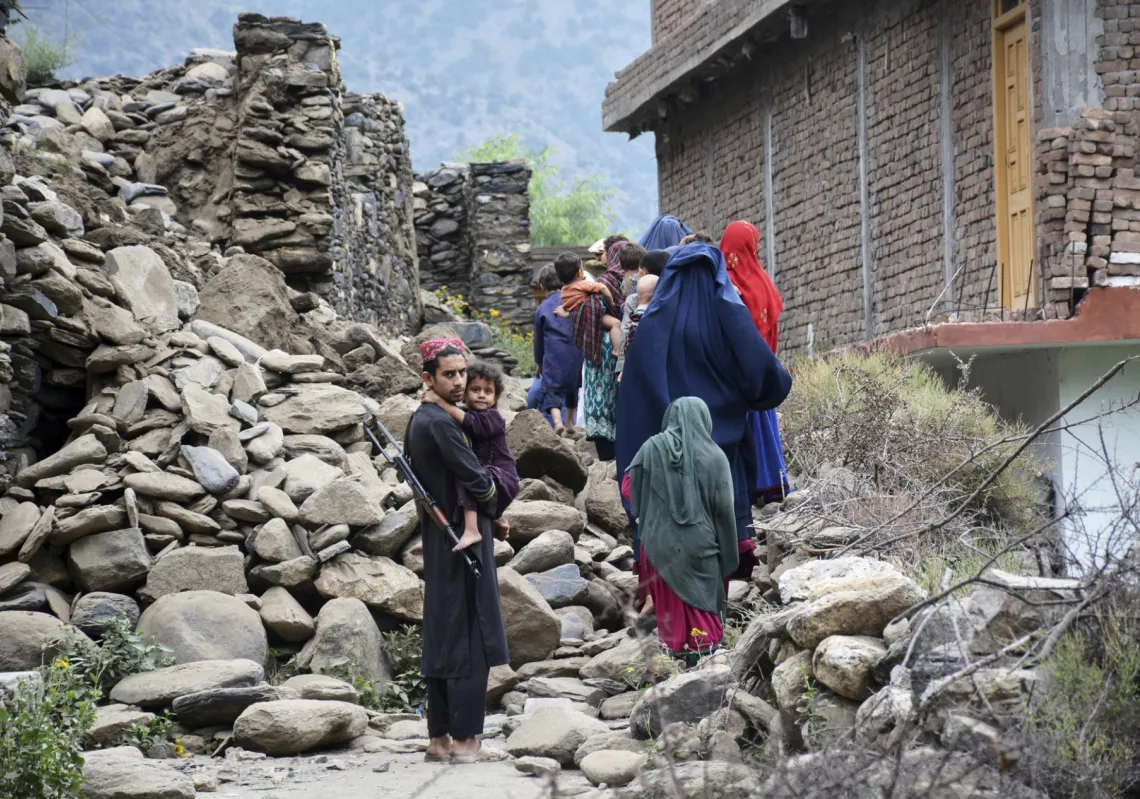
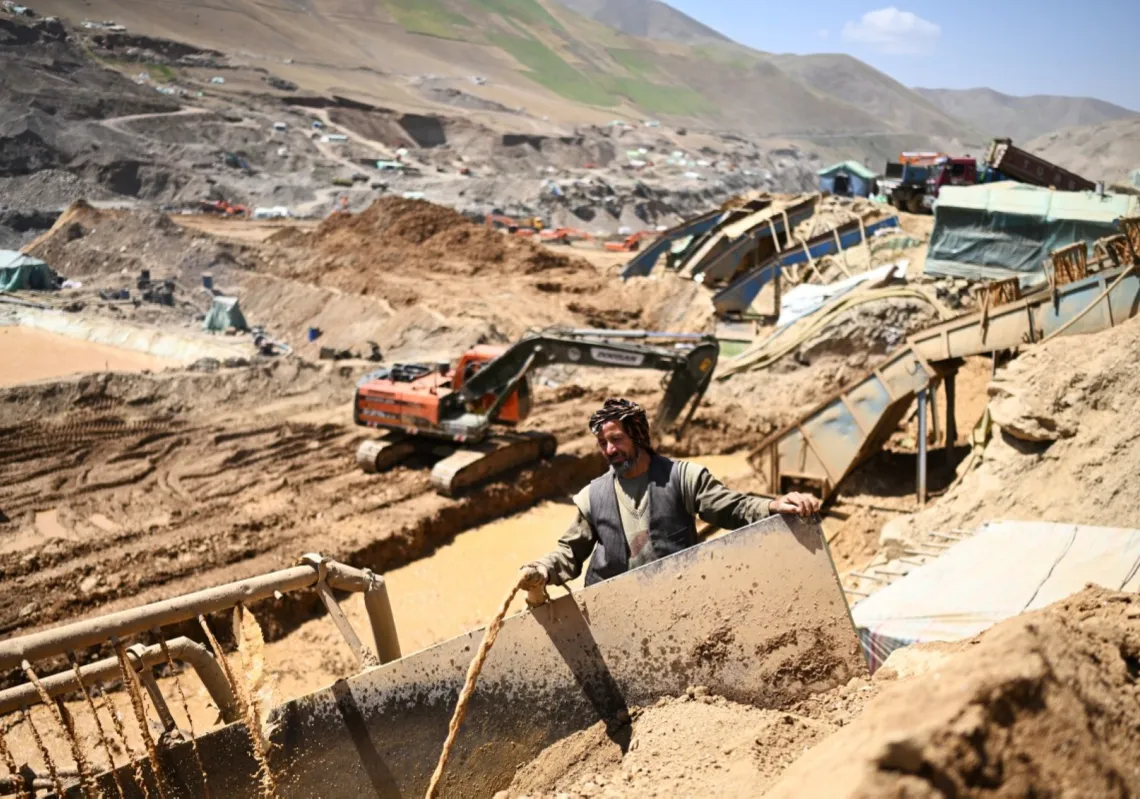
An earthquake in Afghanistan earlier this week levelled entire villages and left people trapped under rubble for days, but in the shadow of the Hindu Kush, saviours were thin on the ground
India was close to the pre-Taliban regime but it collapsed when the US pulled out in 2021 and its successors now look to Russia and China. A land link to Central Asia, India knows it must re-engage
The Taliban's inability to deal with terrorist groups on its soil means Islamabad has launched its own military action over the border. To restore order, international mediation is now needed
The Islamic State Khorasan Province has a history of carrying out attacks in central Asia, but its leadership and structure are largely opaque. Al Majalla explains.
Both Iran and Pakistan have supported some elements of the Taliban in the past in political plays to weaken Afghanistan. But things have not panned out the way that they had hoped for.
In an exclusive interview with Al Majalla, the Afghan opposition figure warns that while the world is distracted with other global issues, the Taliban is consolidating its power
Safeguarding its water interests, securing its borders and preventing other regional players from gaining a foothold in Afghanistan are all reasons behind Tehran's pragmatic approach.
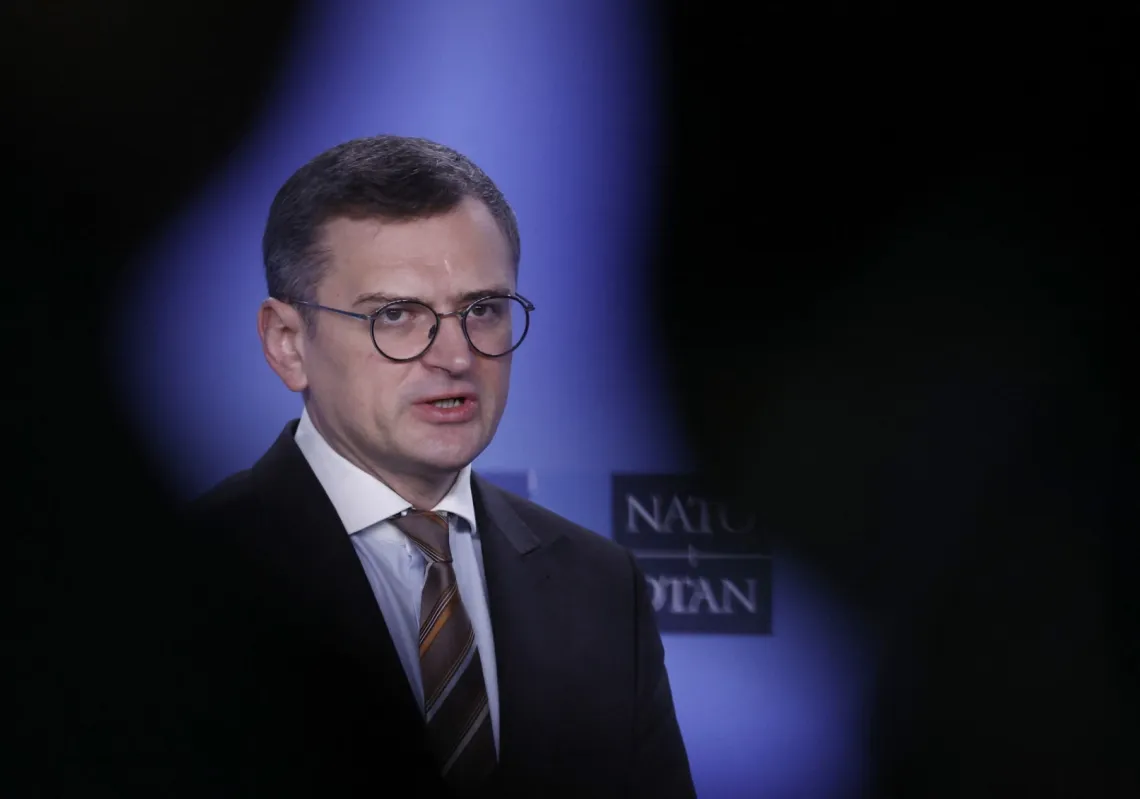
The American CIA director's visit looks to be a desperate attempt by the Trump administration to avert a doomsday scenario in which NATO is pulled into a larger war with Russia
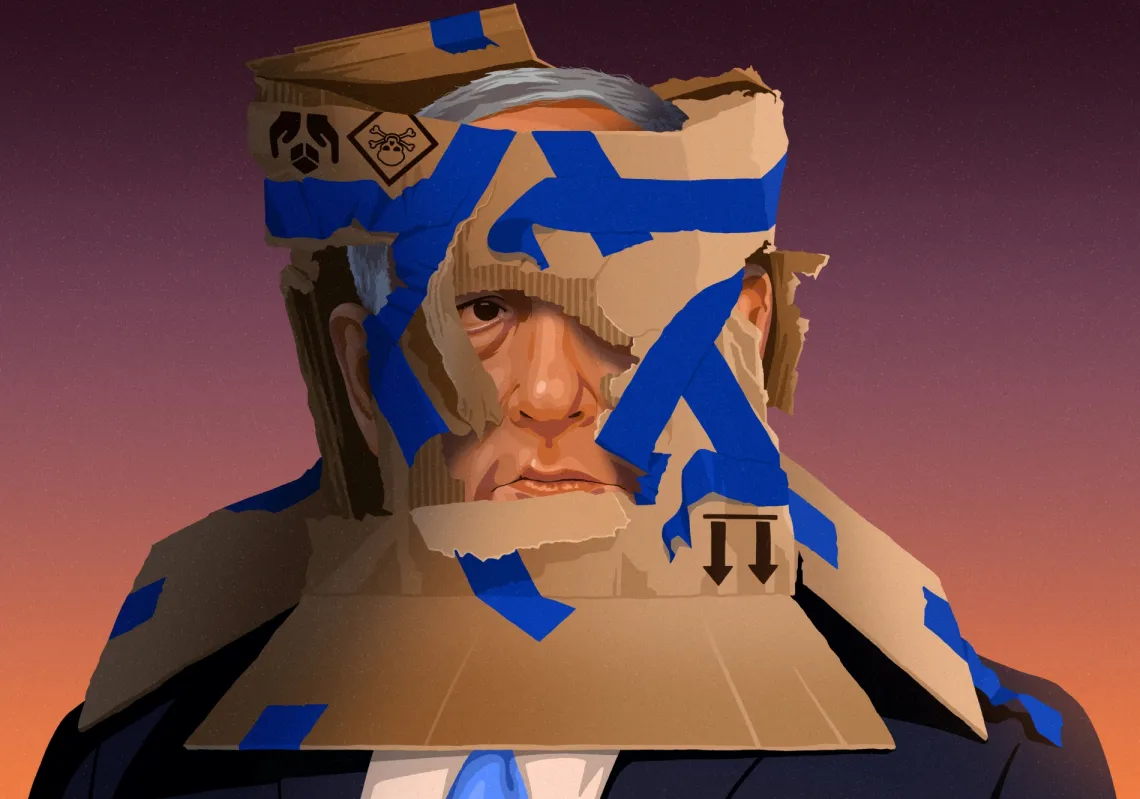
Al Majalla looks at the former army general's career, political positions, possible paths to victory, and what a change in leadership could mean for Israel and the region after three years of war
As social media transforms how people seek medical advice, figures such as Barbara O'Neill offer something conventional medicine rarely can: absolute certainty
The Iran war exposed the risks of being too closely tied to US military posture, which is why some Gulf states are repositioning themselves not merely as consumers of security but as architects of it