Tensions have been piling up between Egypt and Israel since the latter started its assault on the southern Gaza city of Rafah and occupied the Gaza side of the crossing on 7 May
The PLO chairman now knows that he must leave Lebanon as his fighters are surrounded by the Israelis. The Syrian president is no friend, but agrees to take them in.
US envoy Phillip Habib proposes a plan to facilitate the PLO's exit from Beirut. Meanwhile, the Phalange party vows to end Lebanon's 'three occupations'.
It is June 1982, and Beirut is surrounded by the Israelis. In the city, there are Syrian soldiers and Palestinian fighters from Yasser Arafat's PLO. The Israelis want them both out. Cue the diplomacy.
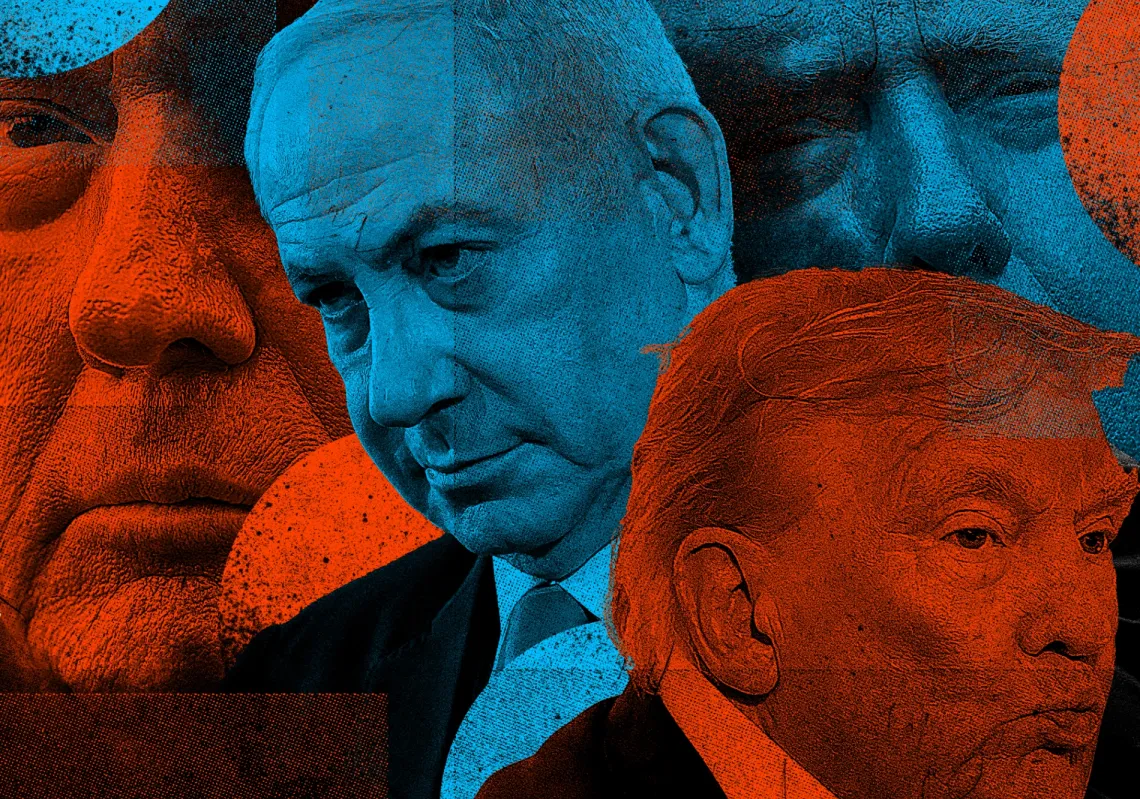
Gallant finally addresses a long-evident truth: Netanyahu is the main obstacle to Israel's victory against Hamas. Meanwhile, Gantz gives him a deadline to state his 'day after' plan for Gaza.
Khamenei continues to carry out Khomeini's vision, which is not only bent on the destruction of Israel but aspires to be the dominant regional power. To this end, Iran exercises 'strategic patience'.
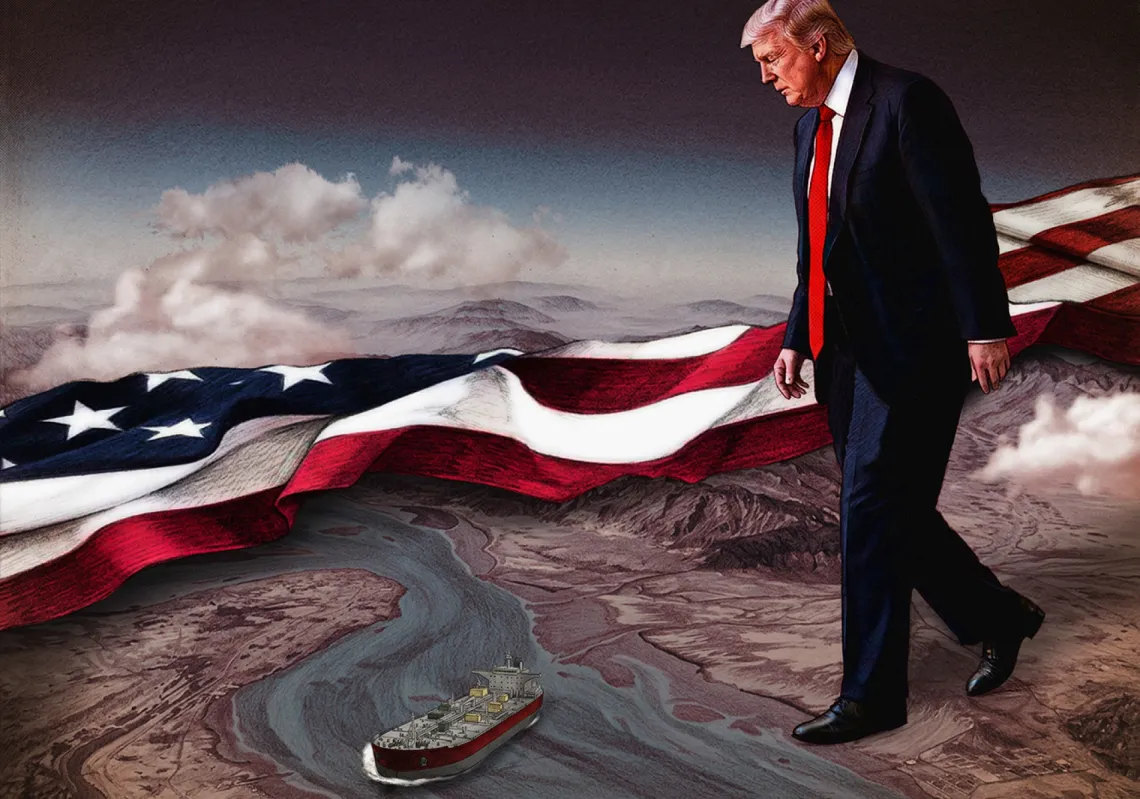
The standoff in the Hormuz is not simply a question of whether Tehran can survive economic pressure, but whether Washington can sustain the pressure at an acceptable cost.
Many Israelis actually believe that they lost the war, with opposition leader Yair Lapid accusing the Israeli premier of having led the country into "strategic collapse and diplomatic catastrophe"
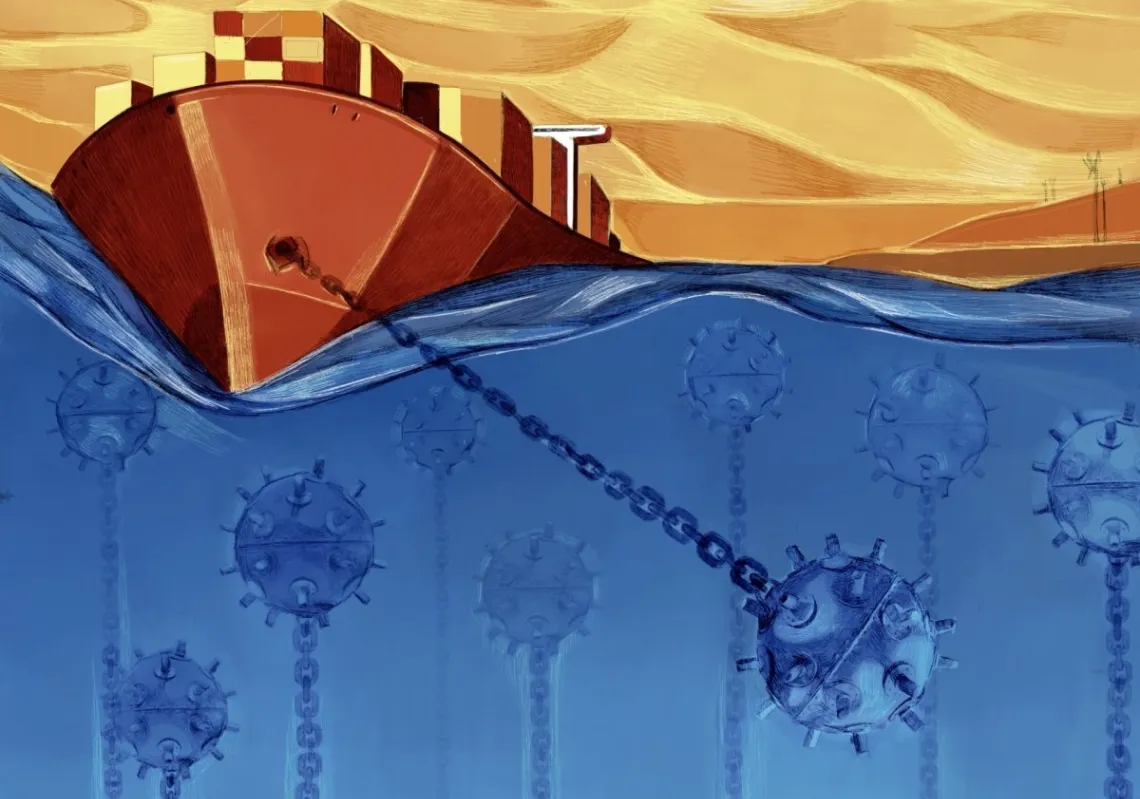
The Strait of Hormuz is now poised to become the primary arena of confrontation, with Iran relying on speedboat-driven guerrilla warfare to confront the US navy.
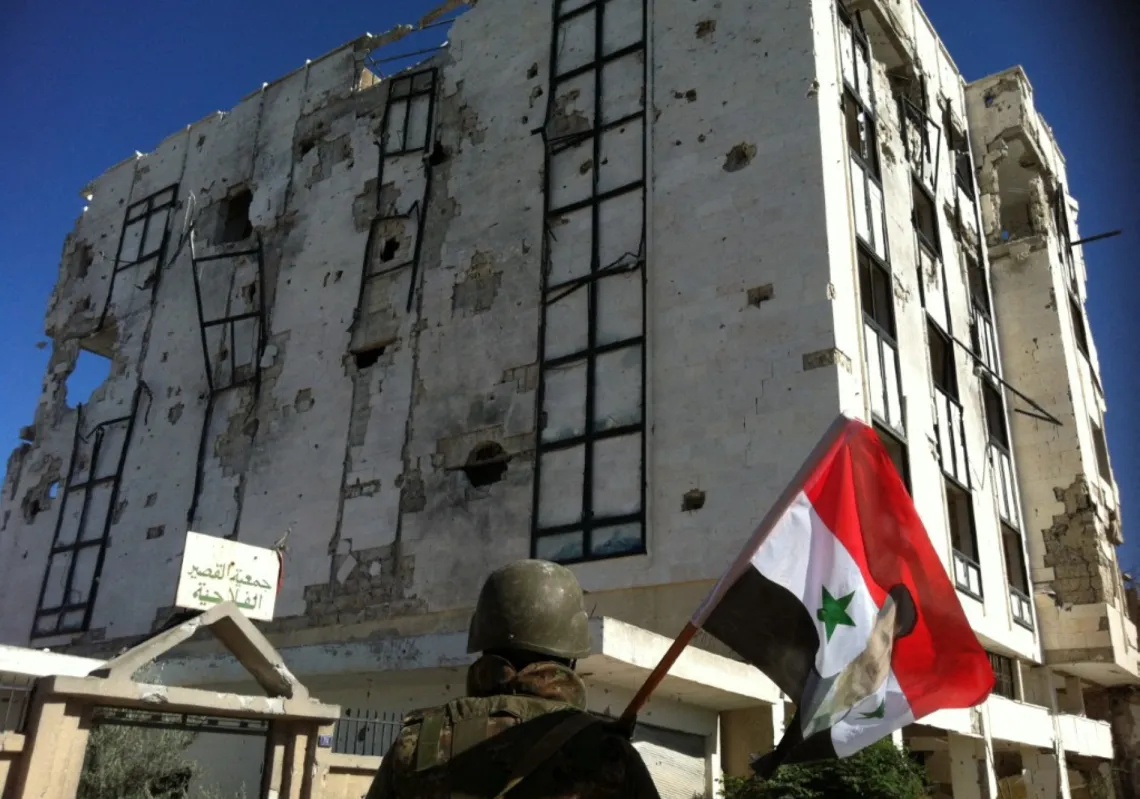
Former regime soldiers are stuck in limbo, as their undocumented status prevents them from working, travelling, and curbs family members' access to education, healthcare and social services