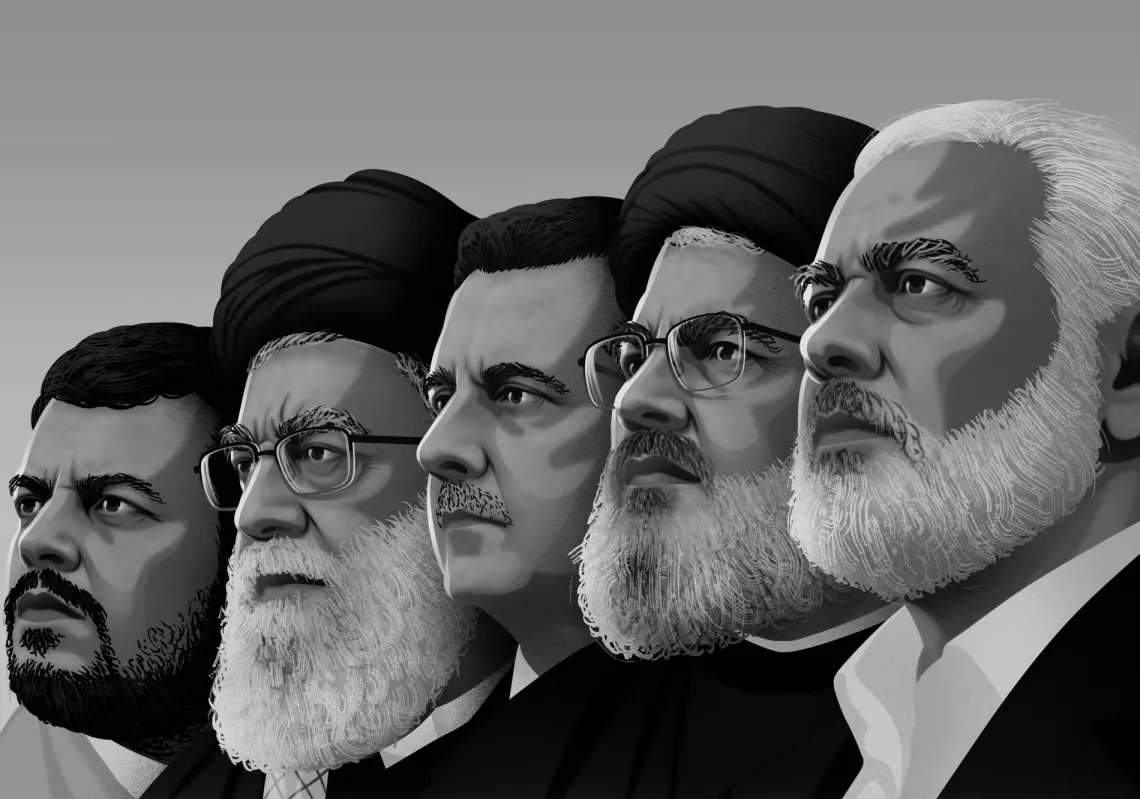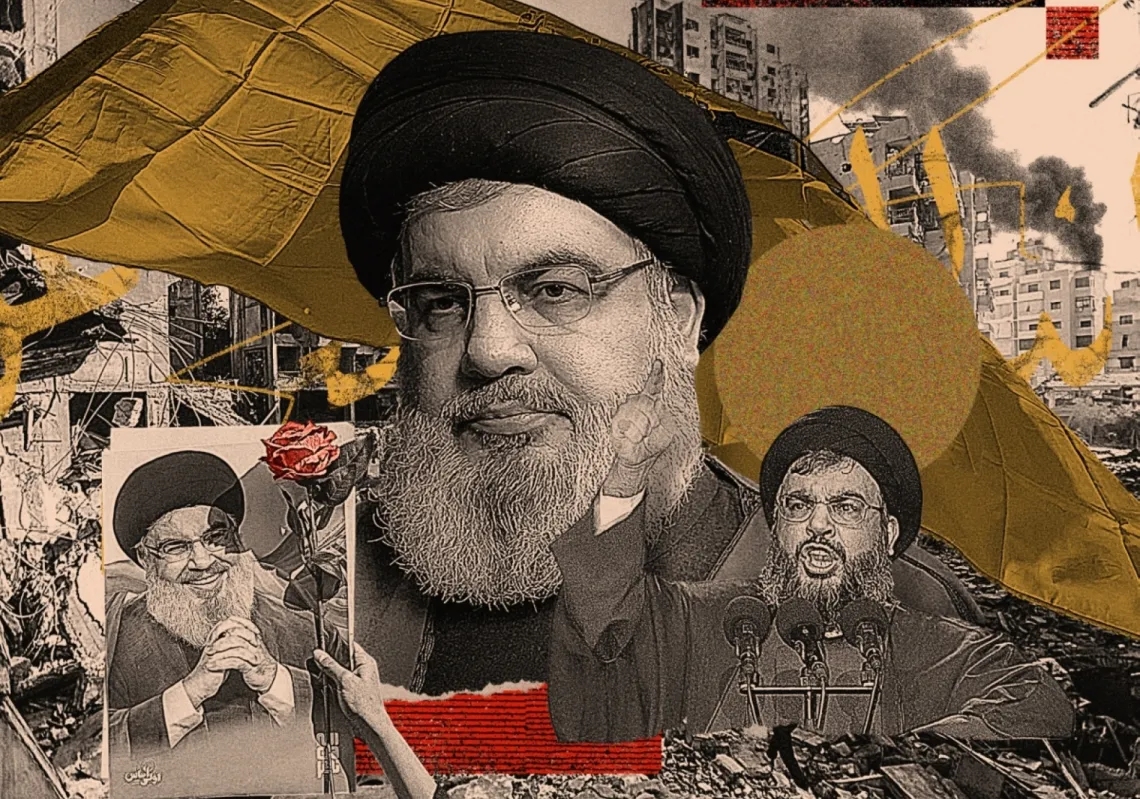
Hezbollah's long-serving leader was killed in a powerful Israeli airstrike in Beirut one year ago. Now that the dust has settled, a clearer picture of his downfall can be seen.
The group's lacklustre former deputy leader was the last viable leadership option once Israel killed Hassan Nasrallah and Hashem Saffiedine. Who is he?
Al Majalla's October cover story looks at Israel's unprecedented decapitation of Hezbollah's top-brass leadership and the escalating direct confrontation between Tel Aviv and Tehran
A new reality emerges after Israel's assassination of Hezbollah leader Hassan Nasrallah. What happens next could have serious ramifications for Lebanon, Israel and the entire region.
Lebanese wake up to a new reality after Hassan Nasrallah's assassination. What happens next could have serious ramifications for Lebanon, Israel and the entire region.
A dominant figure in Lebanon since 1992 when he became secretary-general of Hezbollah, Hassan Nasrallah can be credited with reshaping the playing field of Lebanese politics for over three decades
Hezbollah has blamed Israel for a widespread terror attack that detonated thousands of pagers in Lebanon maiming more than 2,000 people and killing some.
The Lebanon-based militia has evolved its approach to losing senior personnel. These days, few who are felled are big names. Yet its problems go deeper than public relations
Disruption in the Hormuz can have major implications for global trade, but it also creates opportunities for smaller nations like Iran to become global political players
The Iraq war was viewed as disastrous in retrospect, while the Iran war was unpopular from the get-go. Al Majalla highlights the similarities and differences between the two.
Pipelines have a chequered history in the Middle East, but the closure of the Strait of Hormuz has led US Tom Barrack to conclude that a new route through Syria could solve some problems.