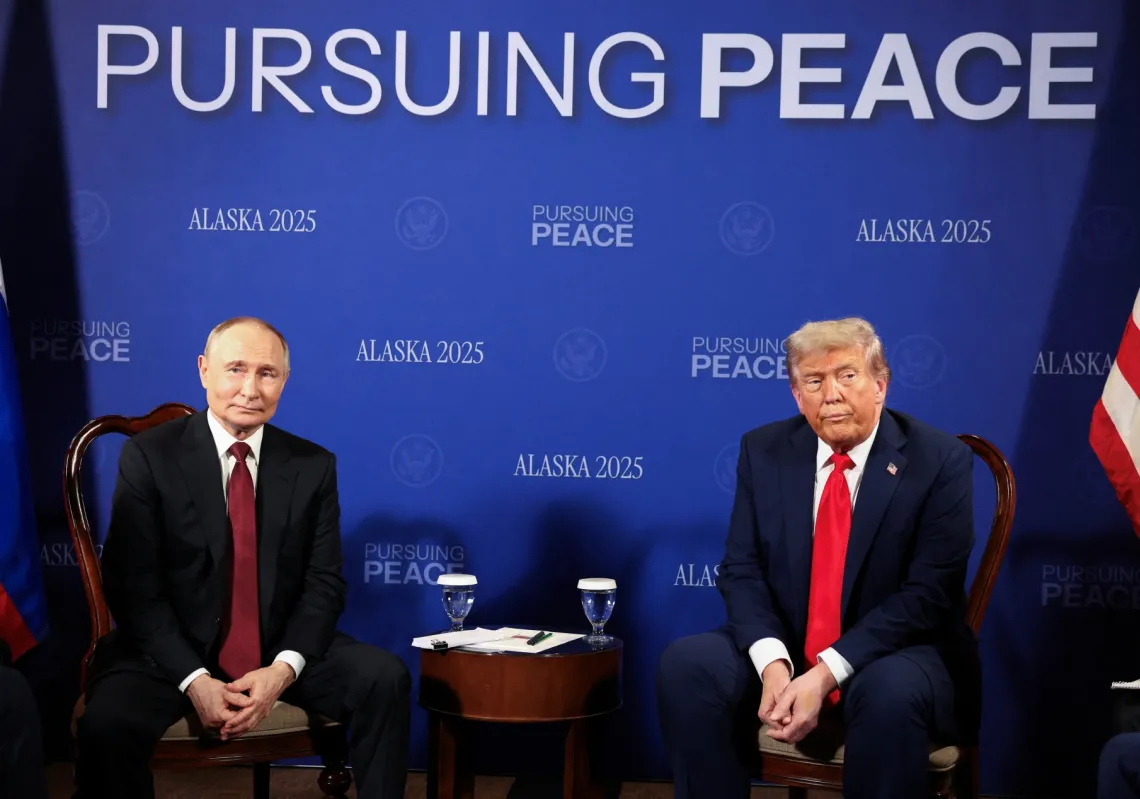
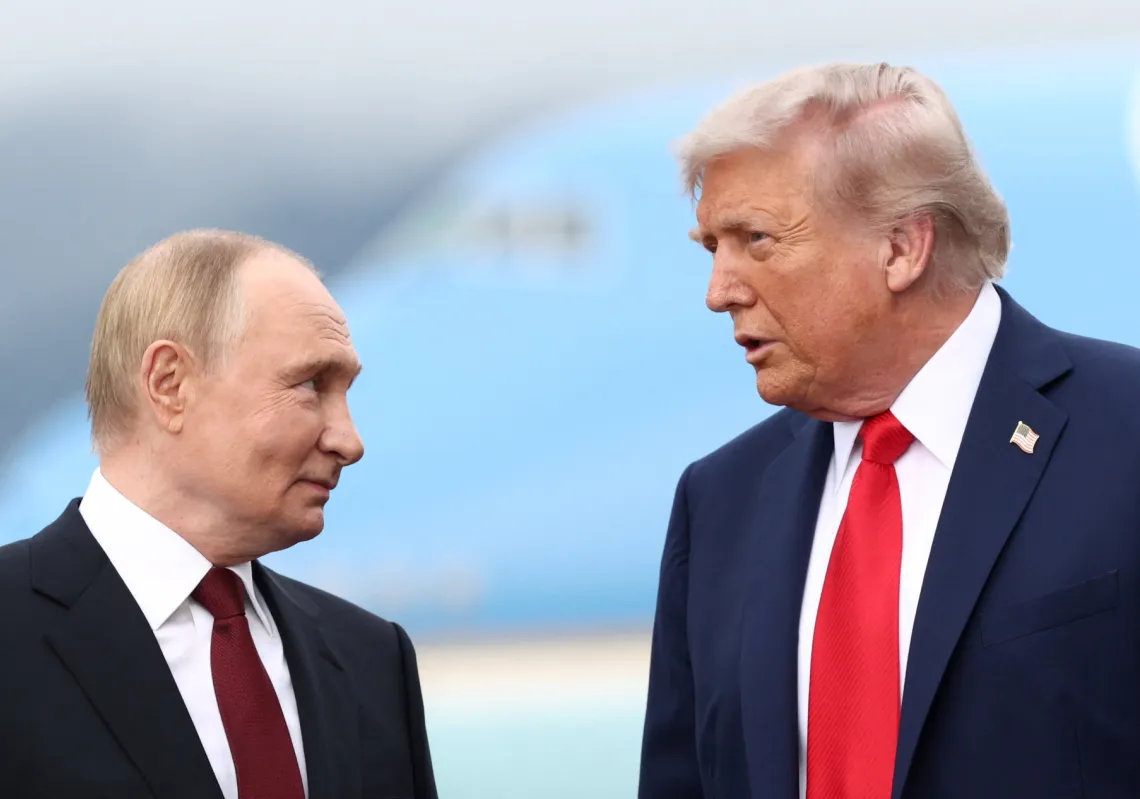
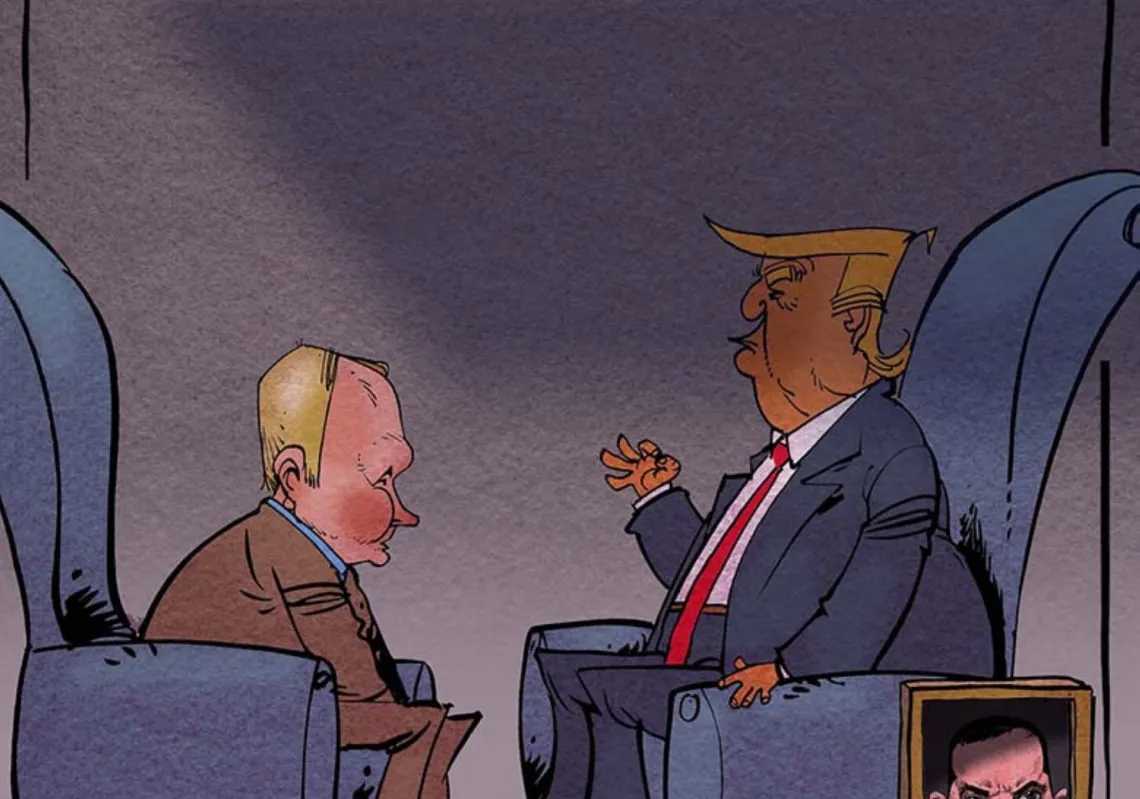

Putin heads to Alaska, marking his first visit to the US in a decade and his first meeting with a US president since June 2021, when he shook hands with Biden in Geneva
Moscow's foreign minister has earned a reputation for being uncompromising and brusque but has also begrudgingly won the respect of many, even foes, for his professionalism
Steve Witkoff, Trump's personal envoy to the Middle East, says US officials are "bridging the gap between the two sides" and was upbeat that a comprehensive deal could be reached by 20 April
By placing conditions to ending the war, the Russian president seems to be stretching the negotiations to bait Trump into maintaining pressure on Kyiv and weakening Europe
A sudden ditching of US support for Ukraine and a more understanding approach to Russia, has sent shudders through Europe and pricked ears in Beijing. As the war looks set to end, what next?
Russia's claim of being a steadfast guarantor of security for allies has been dented, which could affect its expansion into Africa and Latin America and strain its ties with Central Asian countries
In an exclusive interview with Al Majalla, the Russian political philosopher explains his country's pivot to the Global South and why nothing will change Moscow's edge on the Ukrainian battlefield
The number and seniority of the participants that showed up in Kazan helped Putin show that the West's attempts to portray Russia as a pariah have largely failed
The standoff in the Hormuz is not simply a question of whether Tehran can survive economic pressure, but whether Washington can sustain the pressure at an acceptable cost.
Many Israelis actually believe that they lost the war, with opposition leader Yair Lapid accusing the Israeli premier of having led the country into "strategic collapse and diplomatic catastrophe"
The Strait of Hormuz is now poised to become the primary arena of confrontation, with Iran relying on speedboat-driven guerrilla warfare to confront the US navy.
Former regime soldiers are stuck in limbo, as their undocumented status prevents them from working, travelling, and curbs family members' access to education, healthcare and social services