A 90-day pause on tariffs does not mean countries can now sit back and relax. From lying low to outright retaliation, a former US trade negotiator lists out the options available to world leaders.
Days after US president Donald Trump’s administration unveiled the sharpest ever escalation in American tariffs going back 200 years, Chair of the US Federal Reserve Jerome Powell said that tariffs…
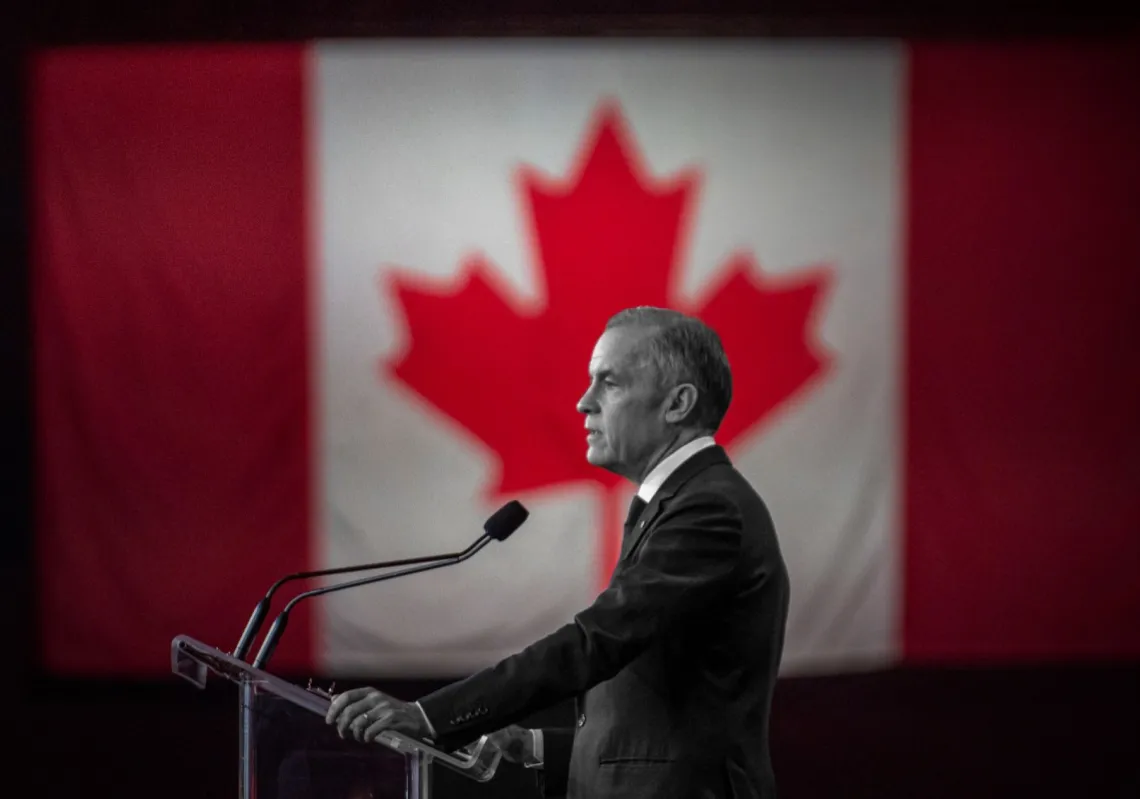
The new prime minister is a seasoned economist unafraid to stand up to bullies. He vows to continue with tit-for-tat tariffs until America "respects Canada's sovereignty".
Tariffs and countermeasures are fracturing the system of globalisation on which the post-Cold War world was built. Prosperity and interconnectedness may break with it. The world stands on the brink.
Canadian exports to its southerly neighbour reached $440bn last year so talk of the United States slapping customs duty on those goods has triggered a tête-à-tête
Military strategists have long warned that war should be waged only if those waging it know what they want to achieve. Herein lies a problem: Washington's war aims in Iran are incoherent.
Tehran isn't likely to easily fold if/when Trump attacks. This means that the longer a military confrontation drags out, the more untenable Washington's position becomes.
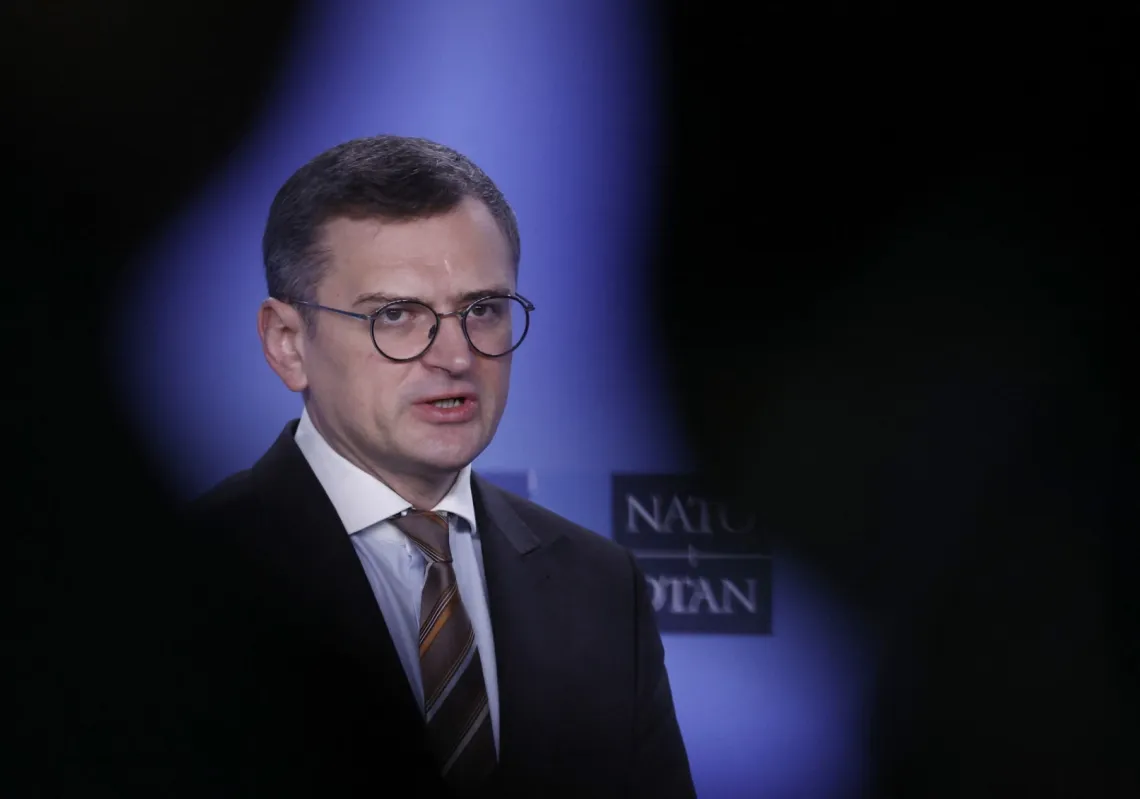
The conflict has forced Russia to scale back its global footprint and NATO to boost its defence spending. Meanwhile, China and Middle powers have emerged as key beneficiaries.
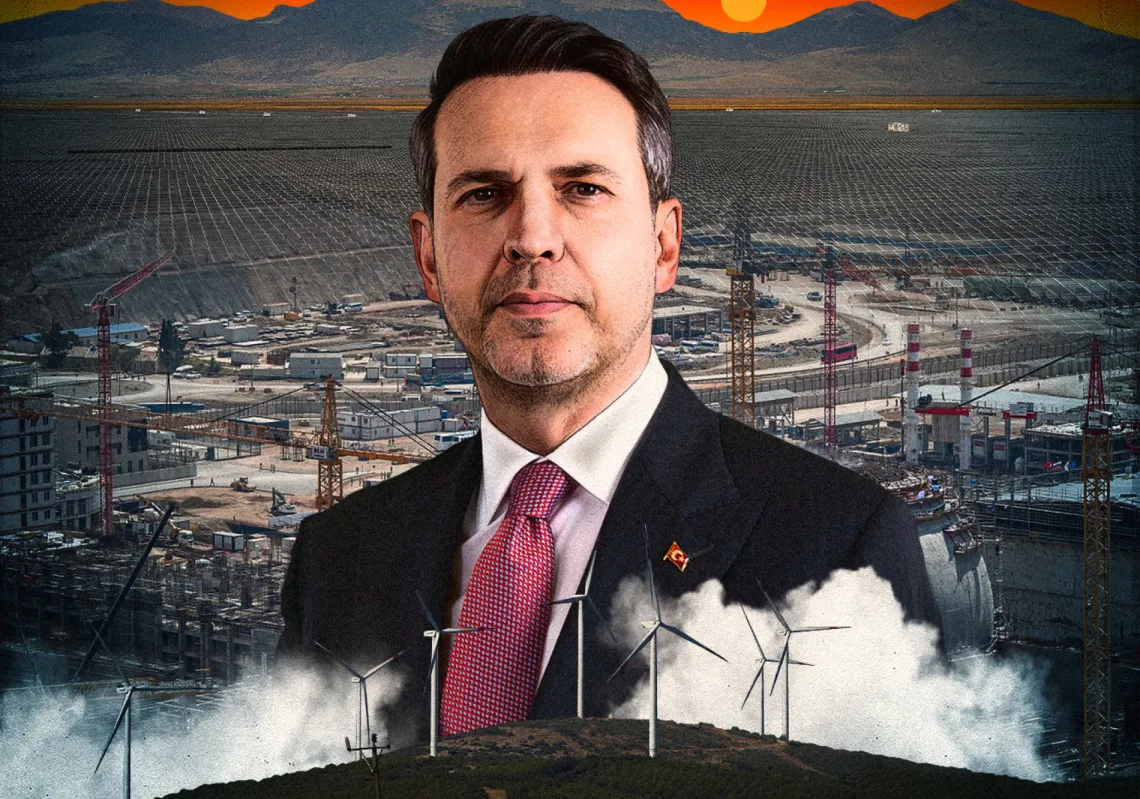
Natural resources like solar, wind, and water are set to provide 36% of global electricity production this year. Even for sceptics like Donald Trump, the trends are unmistakable.
Some point to his possible links to Mossad through his associate Ghislaine Maxwell, whose father was a known Israeli spy, and assert that he blackmailed powerful figures to exert influence
Al Majalla - London
Sign up for the Weekly Newsletter
Get the best of Al Majalla, straight to your inbox.