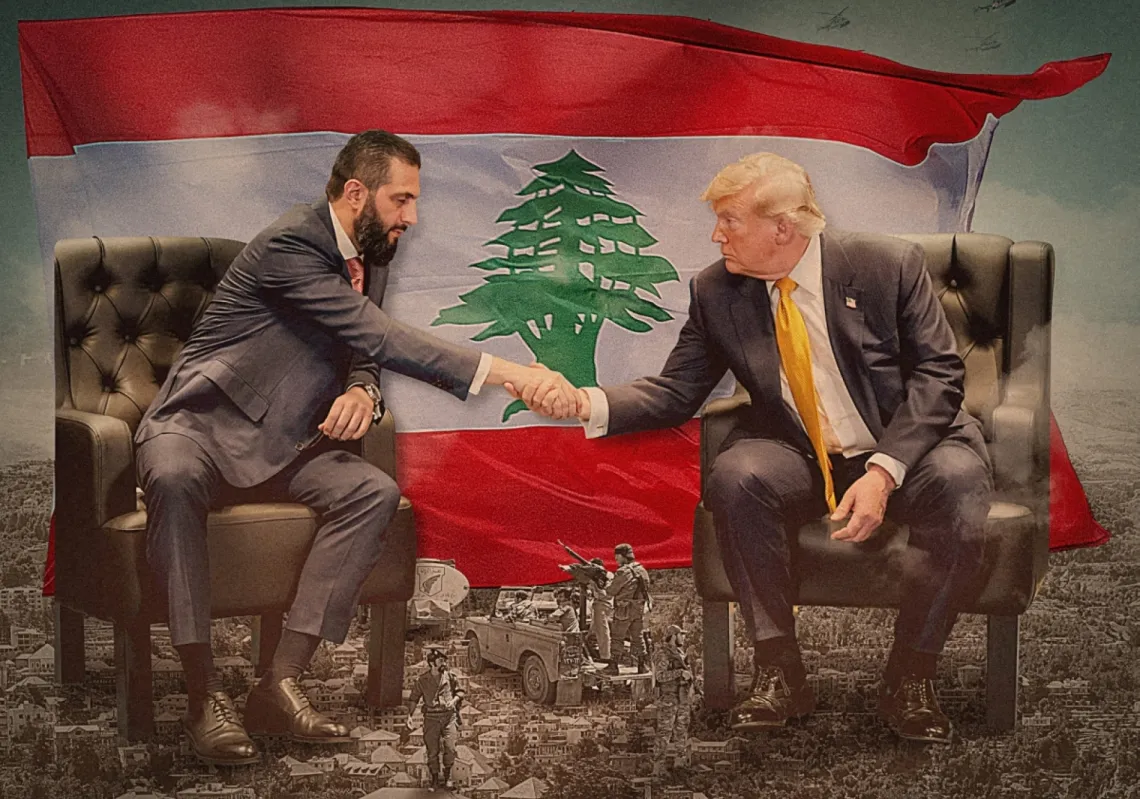
While Damascus is focused on border reinforcements, weapons interceptions, drone monitoring, and improved coordination with Baghdad, Tehran is working out how to respond
The experience of Lebanon and Syria in the 1970s is more useful as an analytical lens for understanding the thinking behind US calls for al-Sharaa to intervene than as a practical blueprint for action
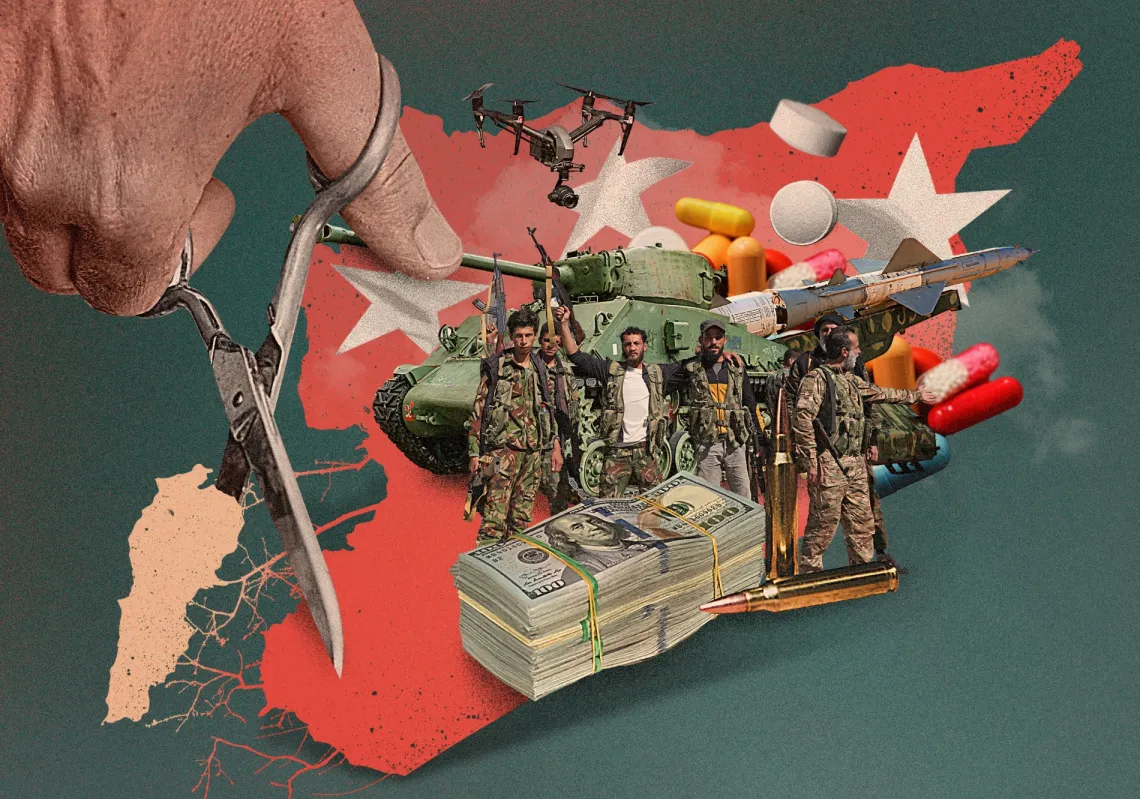
Syria's new post-Assad leadership is working to sever Iran's reach by shoring up its borders with Lebanon and Iraq, and by closing in on cells operating in the country
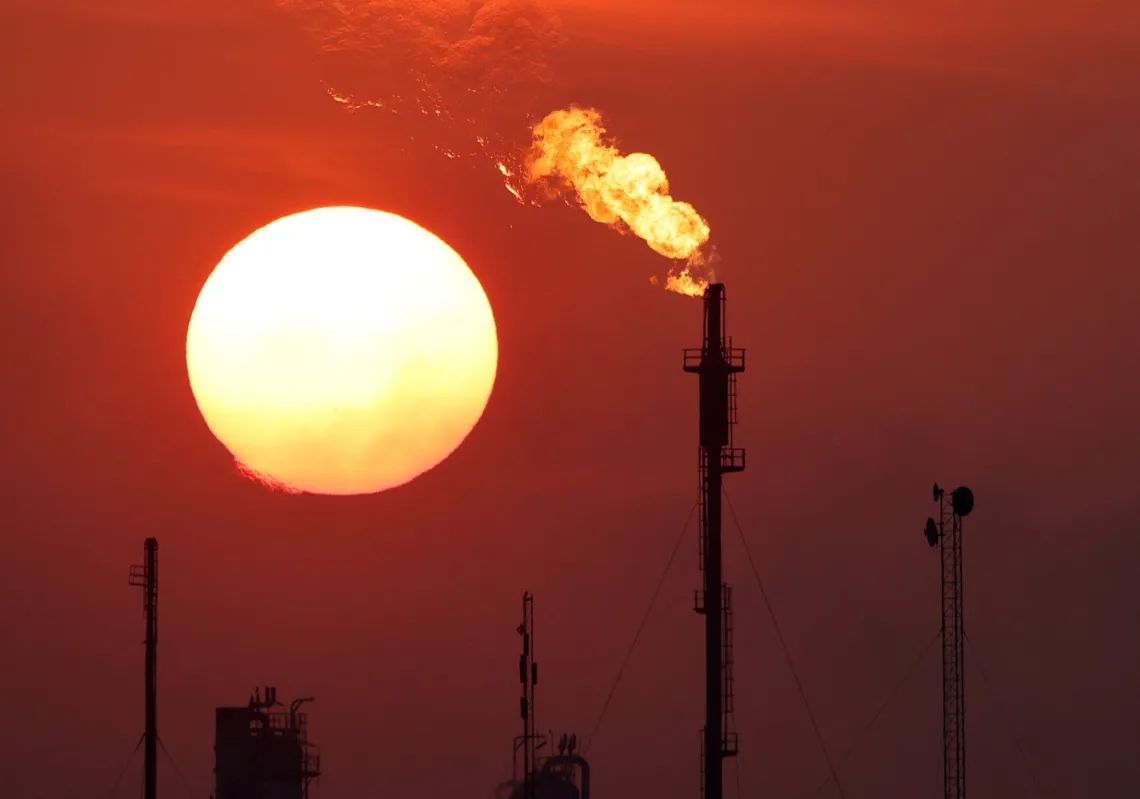
Baghdad is opening its energy sector to US investment while racing to diversify oil exports, strengthen its economy, and reduce its vulnerability to regional conflict
Smugglers and militias have been active along the country's boundaries in recent days, which could attract unwanted conflict. With resources stretched, Damascus is keen to contain things.
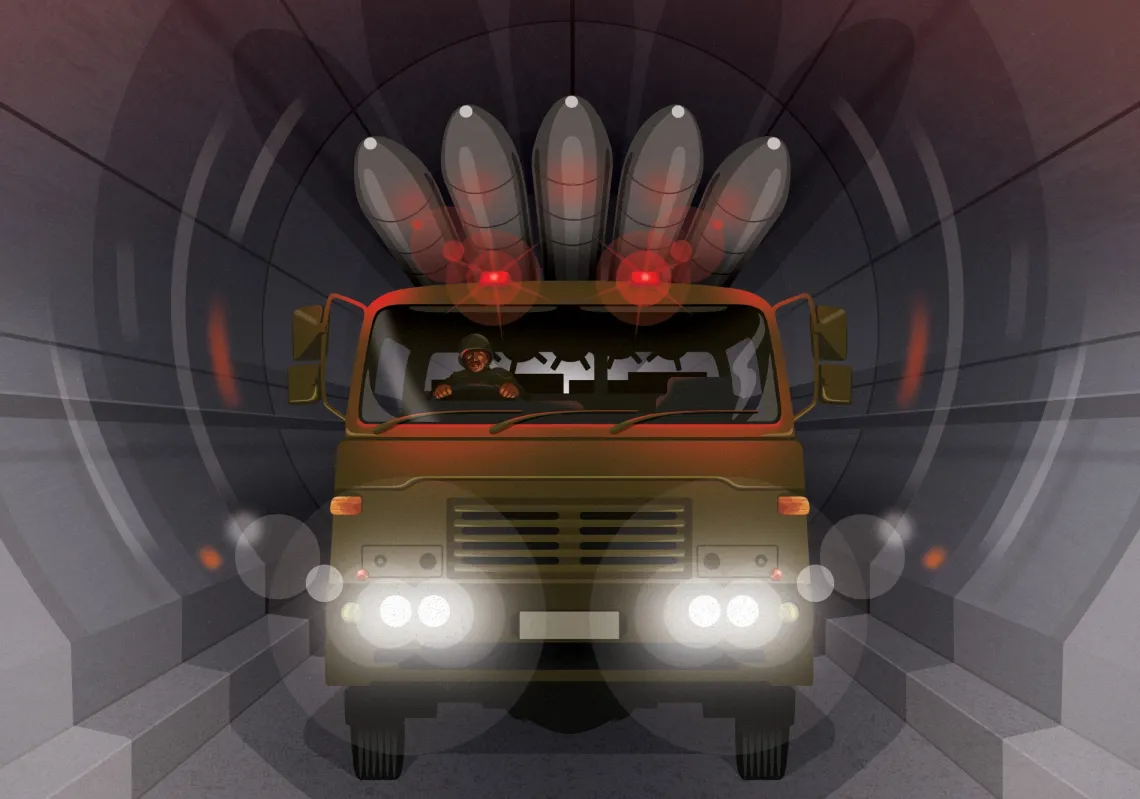
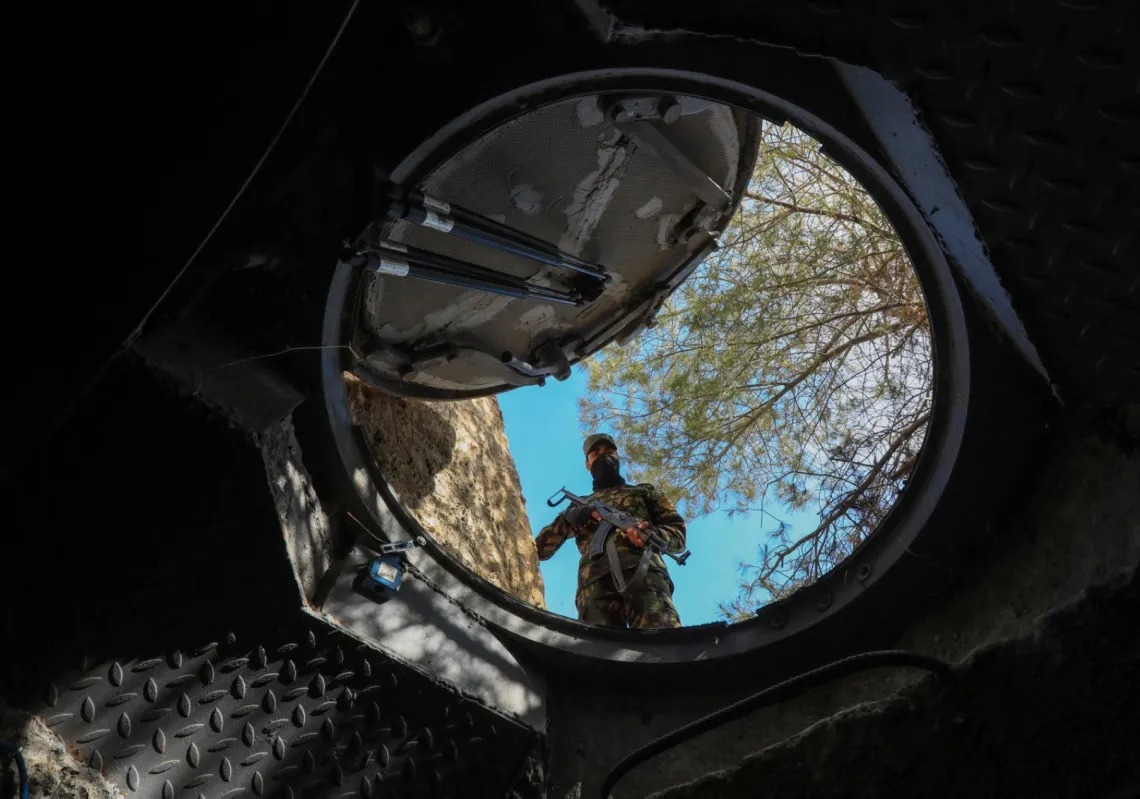
We examine how Tehran helps its regional allies develop networks of underground military facilities that house weapons, missile and drone factories, and command-and-control centres
Whether it is siphoning oil and reclassifying cigarettes or running border checkpoints and building optic networks, Iraq's militias control vast swathes of the country, both in terms of land and trade
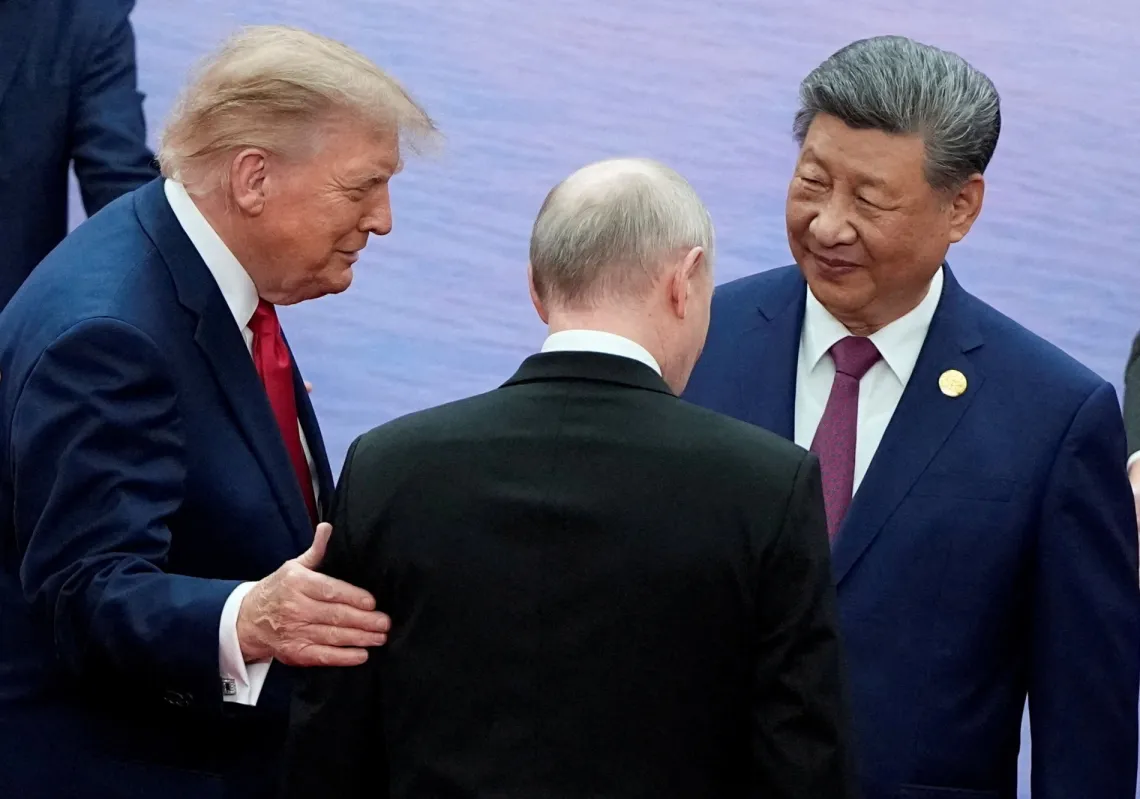
Trump, Xi, and Putin were all keen to be seen together, which may have been the most that could be expected. Still, on nuclear weapons, there were green shoots