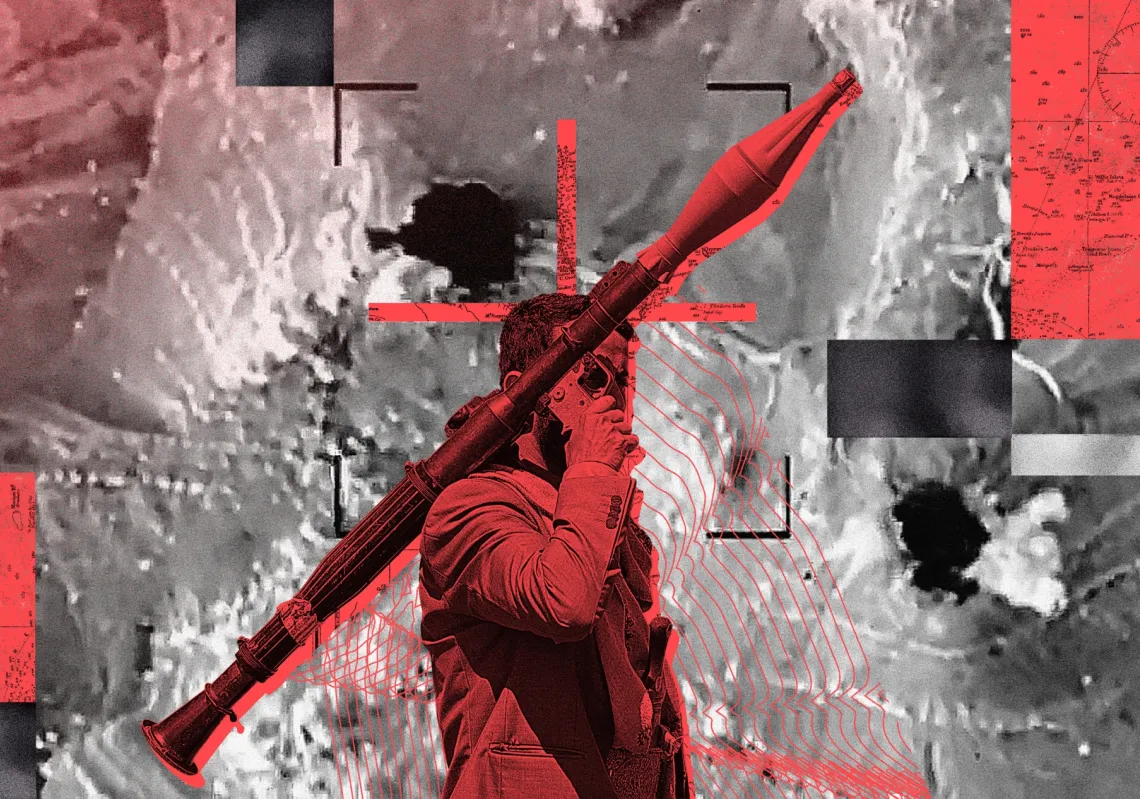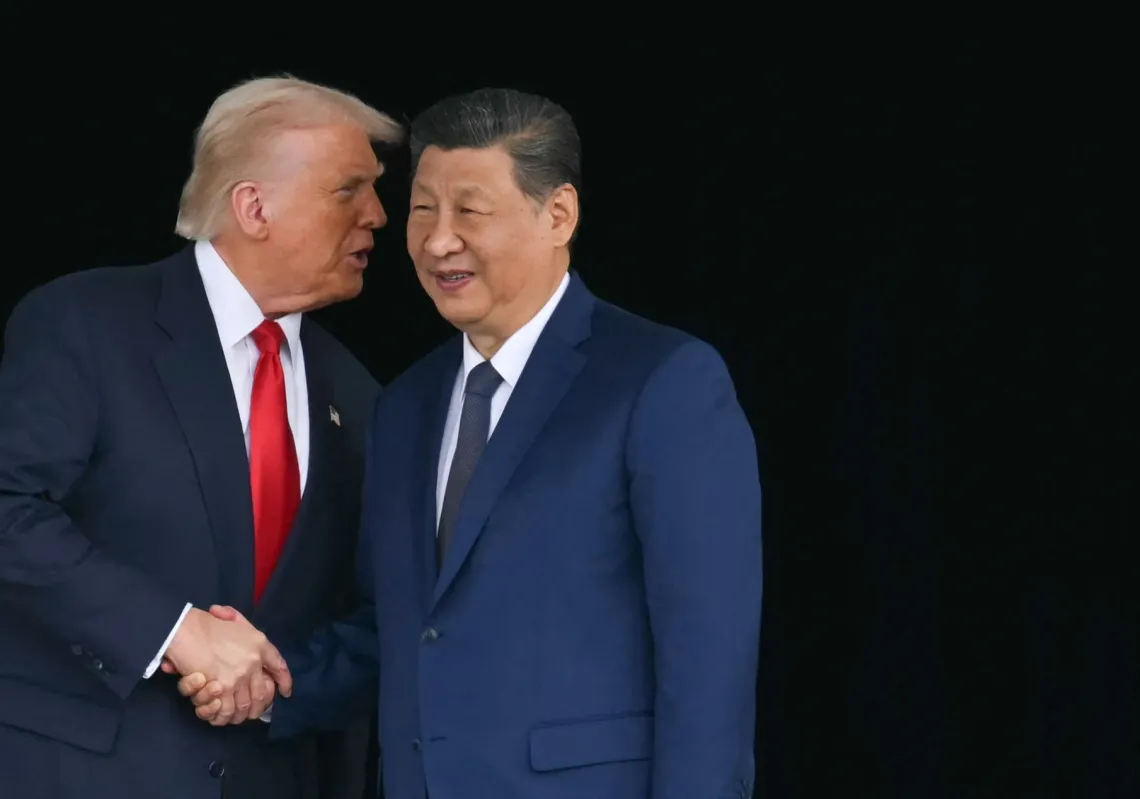
Fighting between Iran and Israel impacted North Africa, where surging prices may disrupt budgets and plans. But for North Africa's energy exporters, higher oil prices are a reason to cheer.
Oil rose about 1% on Thursday supported by optimism over China's demand outlook and hopes that upcoming inflation data from the United States will point to a slower increase in interest rates.
Top…
Oil prices jumped by 3% on Tuesday on hopes for a relaxation of China's strict COVID-19 controls after rare protests in Chinese cities over the weekend.
Brent crude futures gained $2.50, or 3%, to…
World stocks and oil prices fell on Monday as fresh COVID-19 curbs in China fueled worries over the global economic outlook.
The safe-haven dollar rallied, while the U.S. Treasury yield curve…
Oil prices rose on Tuesday as worries about tight fuel supplies ahead of winter offset investor concerns about falling demand in China, the world's biggest crude importer.
Brent crude gained 78…
Oil prices rose on Monday as Iranian nuclear talks appeared to hit obstacles and an embargo on Russian oil shipments loomed, with tight supply struggling to meet still robust demand.
Brent crude…
A tentative return of risk appetite to global stock markets and rebound in oil prices at the end of last week helped lift major Gulf equities, though they remained vulnerable to rate hikes and demand…
Oil prices rose by as much as $1 per barrel on Thursday after dropping below key technical support levels in the previous session, as an energy standoff between Europe and Russia focused investor…
Oil prices rose more than 3% on Monday, extending gains as OPEC+ producers agreed on a small oil production cut to bolster prices.
Brent crude futures for November delivery rose $3.43 to $96.45 a…
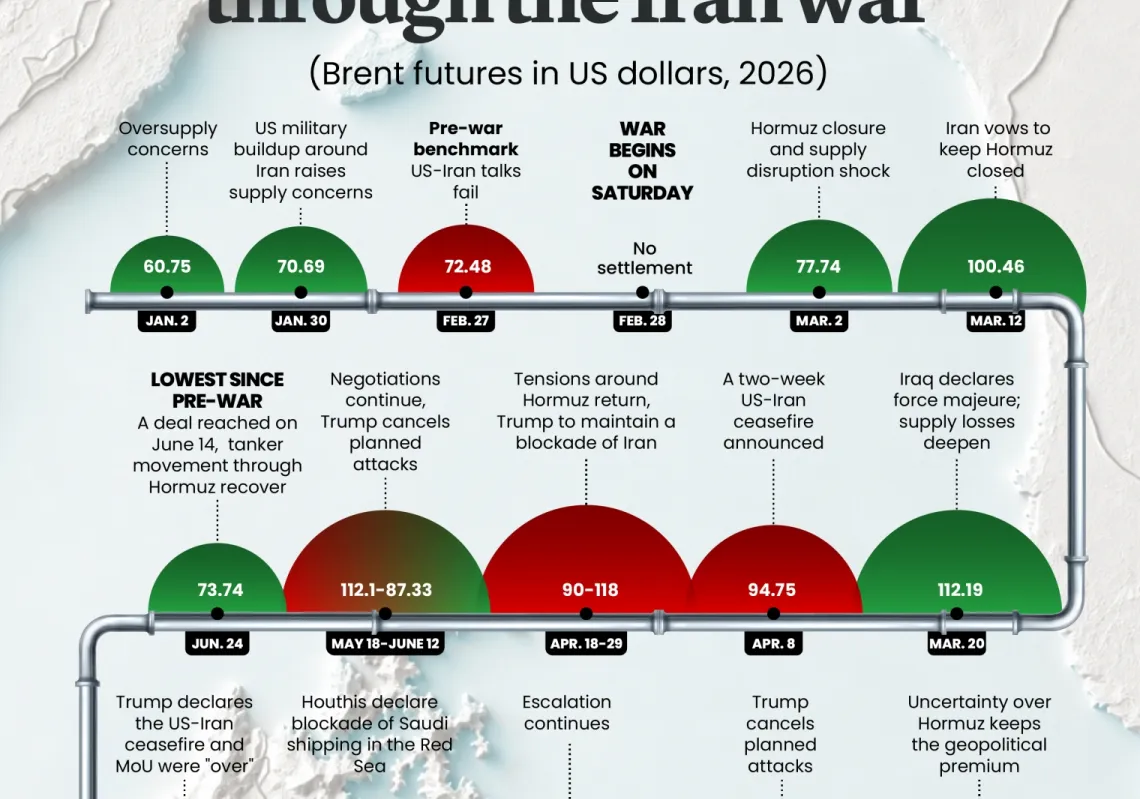
A US-Israeli attack on Iran has turned into a regional war, sending Brent crude prices over $100 a barrel, and throwing shipping, inflation, and monetary policy into turmoil
The current conflict is unlikely to go global for now, but the speed at which it has spread regionally is alarming. A look at history shows the geopolitical factors that led to world wars.
Riyadh and Cairo are trying to ease the acute oil shortfall through alternative pipelines, but these are just band-aid solutions, as the world's most vital energy corridor remains closed by Iran
The rushed 2025 rollout raised questions about the government's seriousness. Since then, no meaningful record has been published, fuelling fears that it was just a show.