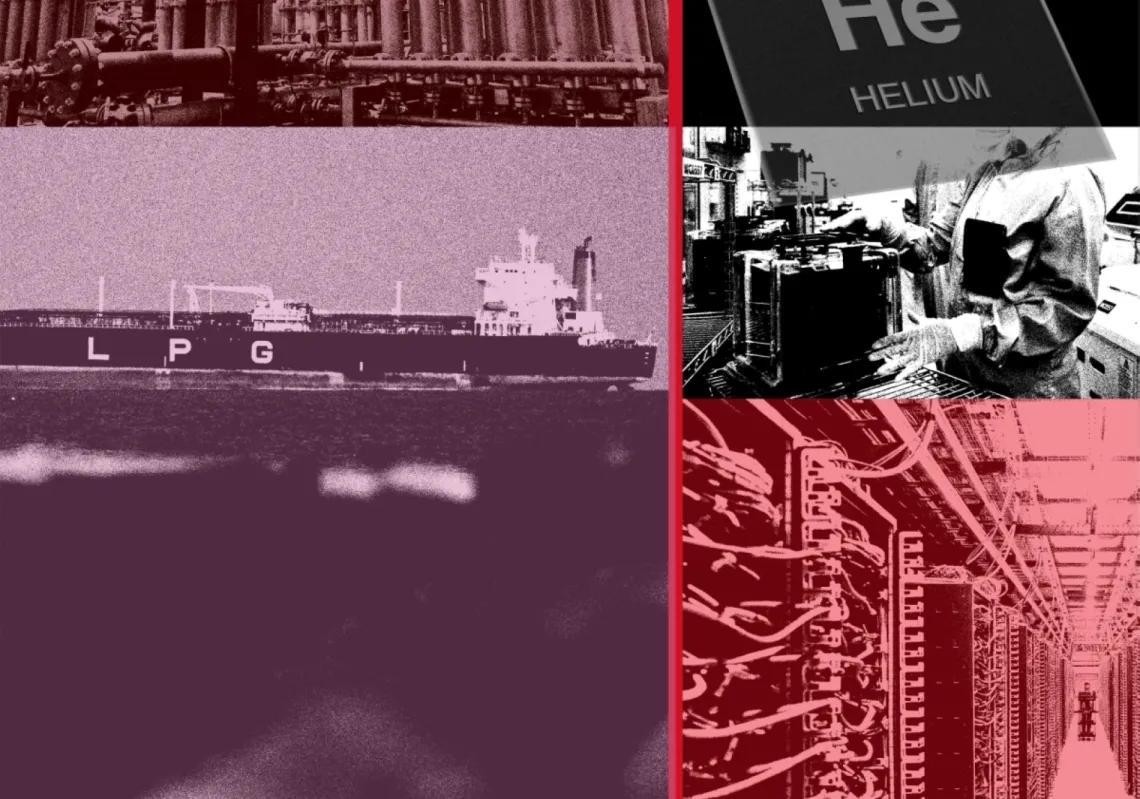
The element critical to the tech industry is in short supply following Iran's closure of the Hormuz. This will have serious knock-on effects across many industries worldwide.
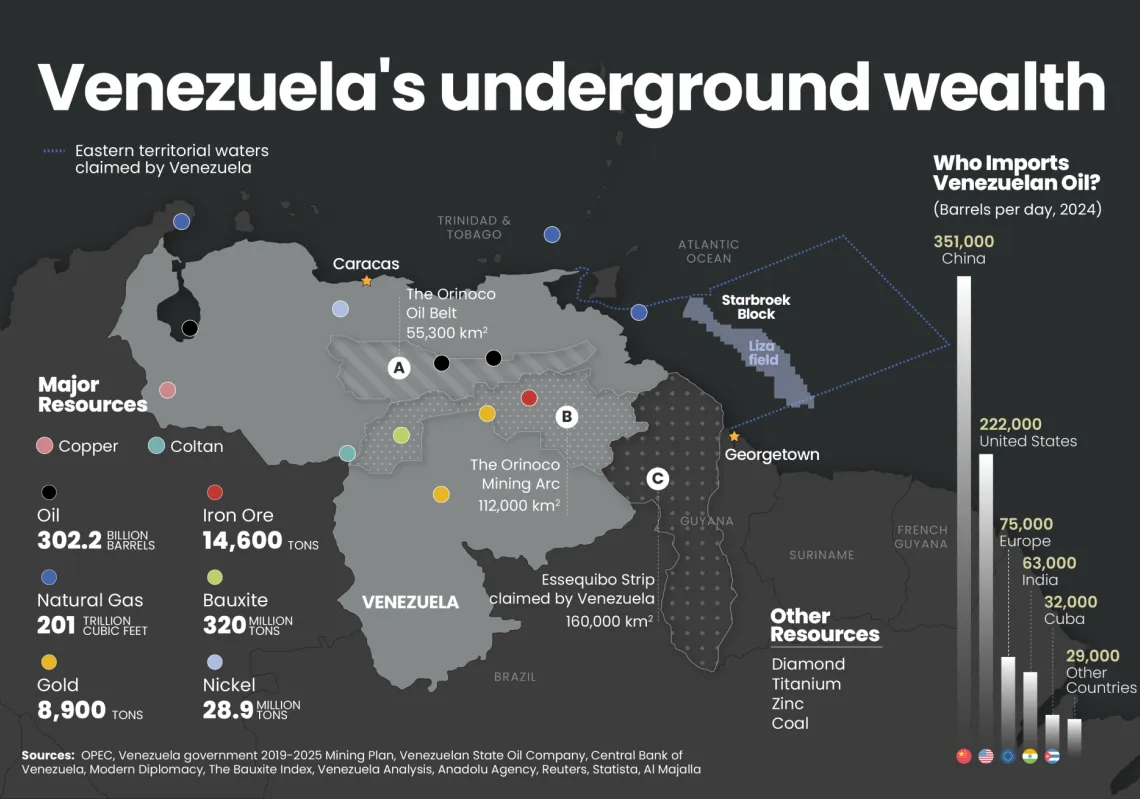
Following the 3 January US attack on Venezuela and the subsequent abduction of its president, Nicolás Maduro, President Donald Trump declared that American companies would be “going into Venezuela to…
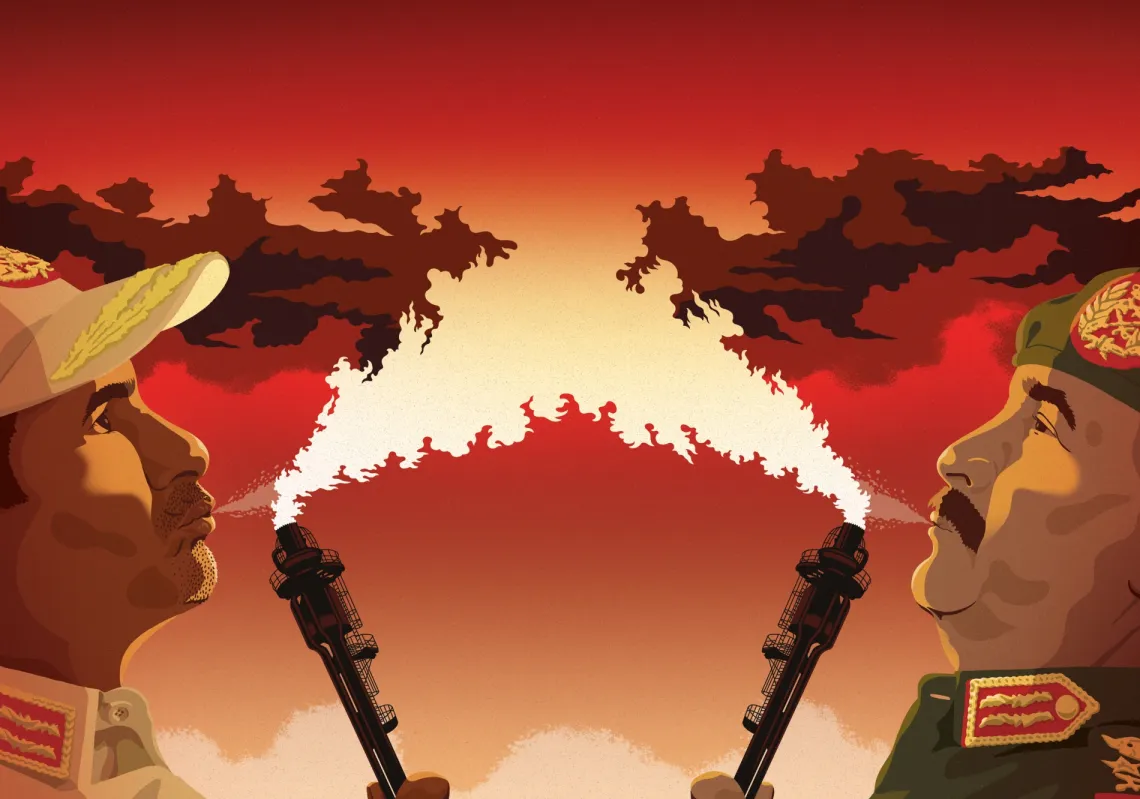
The army and the RSF rely on the assets at their disposal to sustain governance and fund their war efforts, while trying to win over the international community by seizing larger swathes of Sudan
One of the world's poorest nations currently has one of the fastest growing economies in Africa. Looking at the map and surveys of its mineral deposits shows why that might continue.
From titanium and lithium to natural gas, Ukraine has an abundance of supplies needed by a range of industries, which Russia wants to control, while the US sees an opportunity
Ukraine has deposits of 22 of the 34 minerals identified by the European Union as critical, according to Ukrainian data. They include industrial and construction materials, ferroalloy, precious and…
Hydrocarbons, minerals, and uranium are all attracting interest in an African democracy with an Atlantic coast, a lack of terrorism, and a habit of making friends. Is this Mauritania's moment?
There is a new feverish race to invest in Africa, which has 30% of the world's mineral reserves and 40% of its gold deposits, as well as of cobalt, uranium, platinum, and chromium to boot.
The recourses curse is “the phenomenon of countries with an abundance ofnatural resources(such asfossil fuelsand certainminerals) having lesseconomic growthor worsedevelopmentoutcomes than countries…
Disruption in the Hormuz can have major implications for global trade, but it also creates opportunities for smaller nations like Iran to become global political players
The Iraq war was viewed as disastrous in retrospect, while the Iran war was unpopular from the get-go. Al Majalla highlights the similarities and differences between the two.
Pipelines have a chequered history in the Middle East, but the closure of the Strait of Hormuz has led US Tom Barrack to conclude that a new route through Syria could solve some problems.