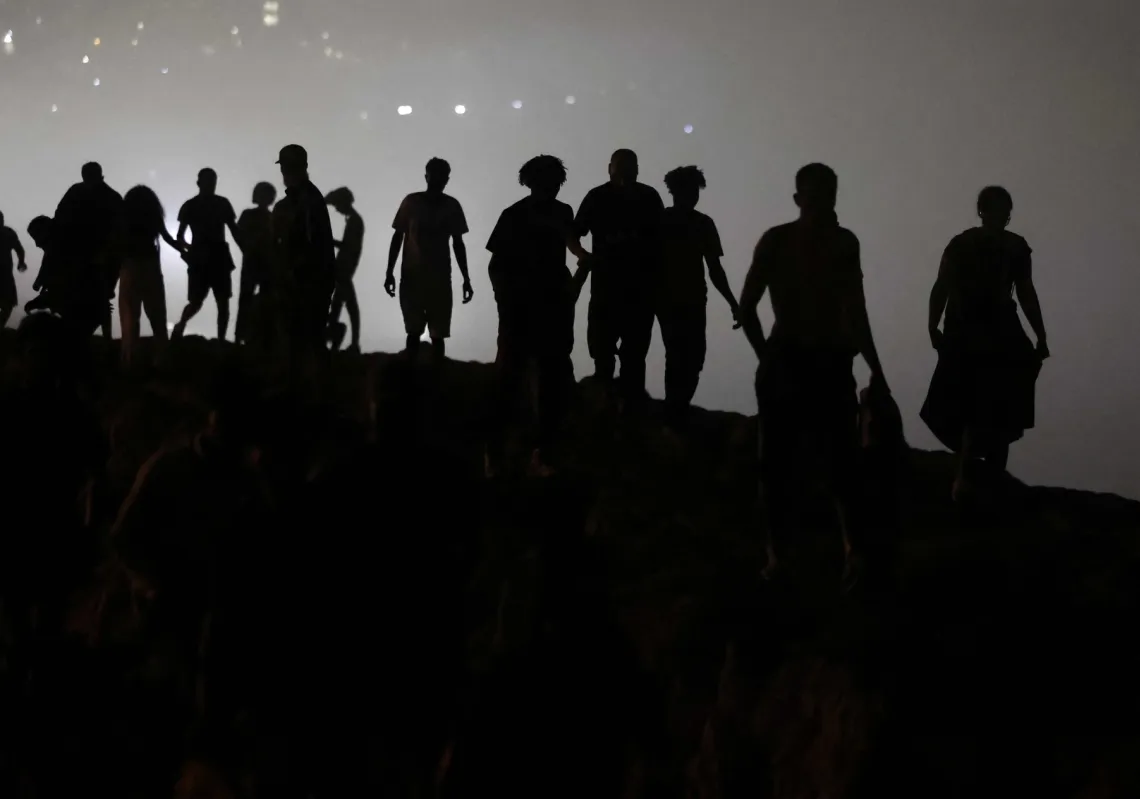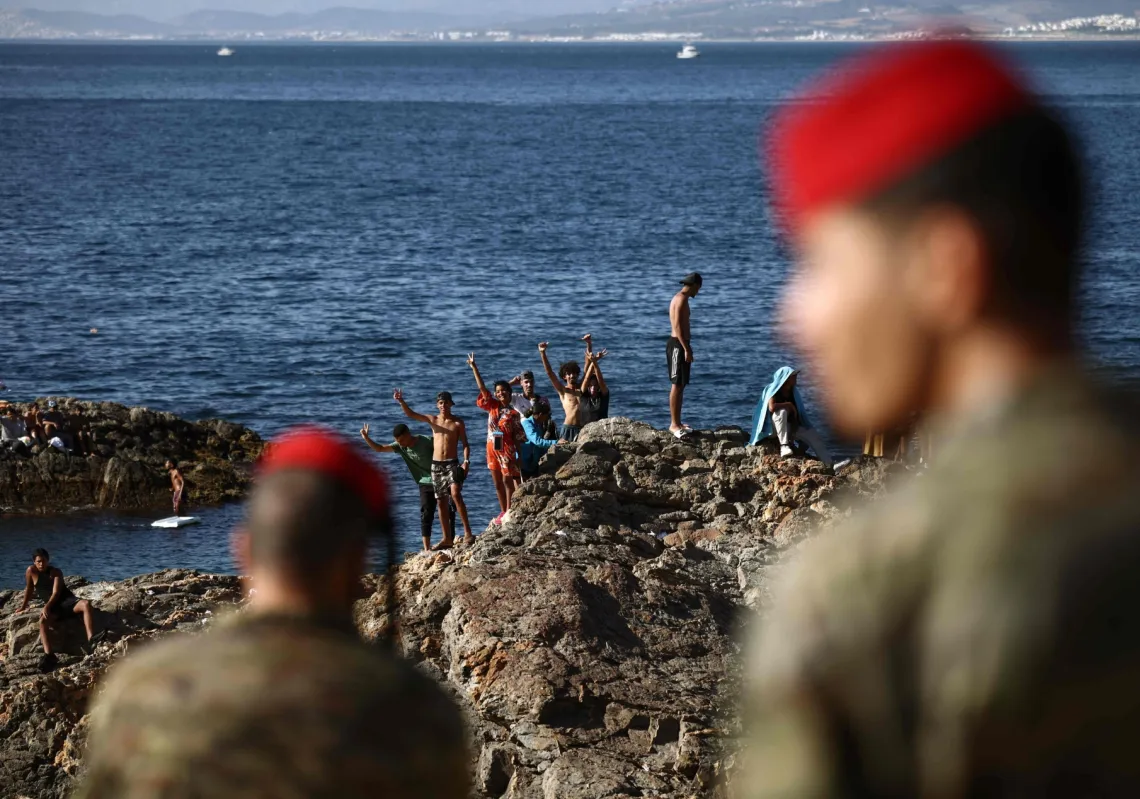
The abrupt crossing of some 60,000 Moroccan migrants into Spain has thrown the Schengen's future into question, even though most have already returned home
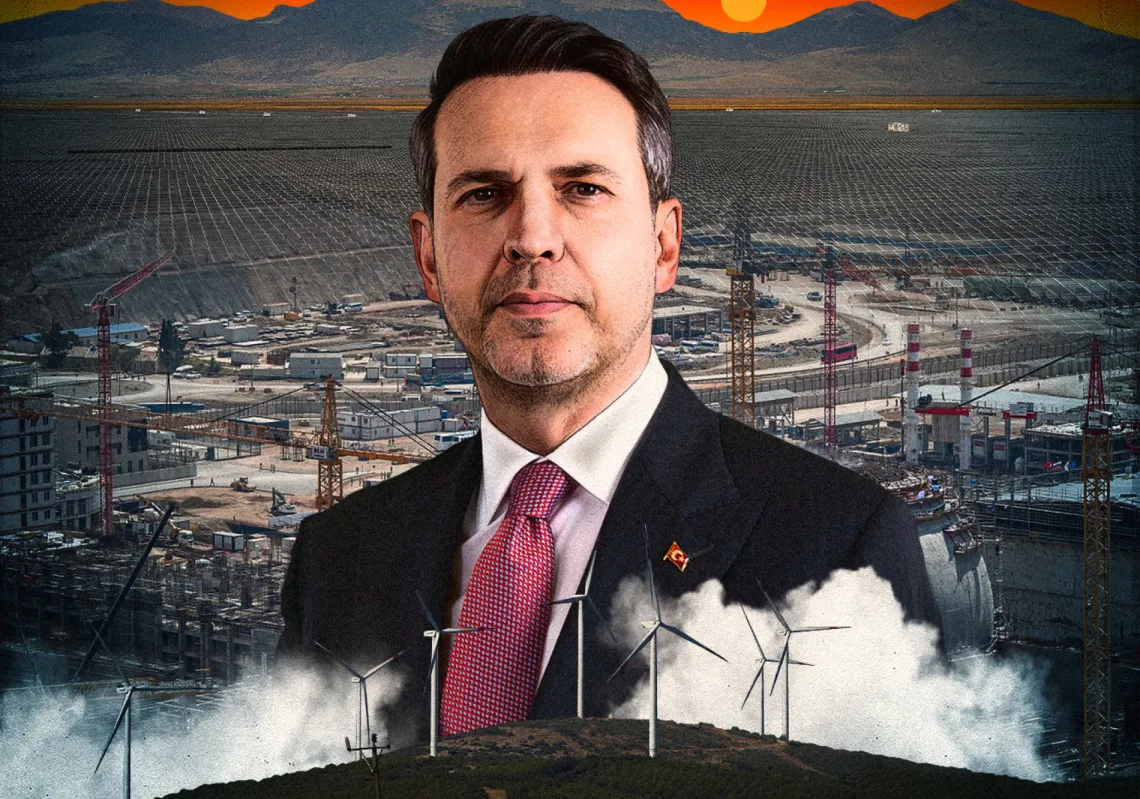
Working with Israeli, Turkish, and US firms, Rabat is also aiming to build its own domestic defence-industrial capacity using its expertise in aerospace manufacturing
With seasonal rainfall easing pressure on agriculture and nearly 20 million international tourists visiting the country, there are reasons for optimism, but youth unemployment remains a big problem
As European banks retreat, debt balloons, and price volatility spooks central banks, Morocco's national currency is increasingly being used in continental trading.
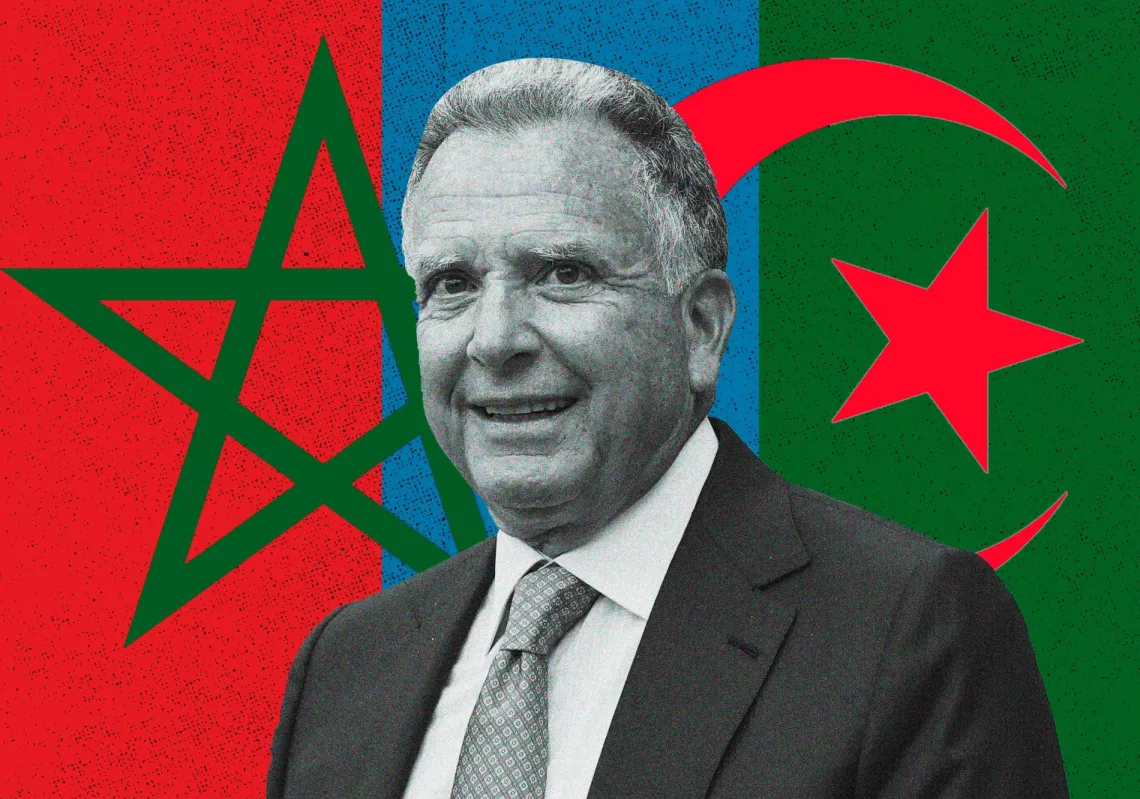
US envoy Steve Witkoff thinks a thaw in relations between the two North African neighbours may be possible in 60 days. But doubts remain about its ability to serve as an honest broker.
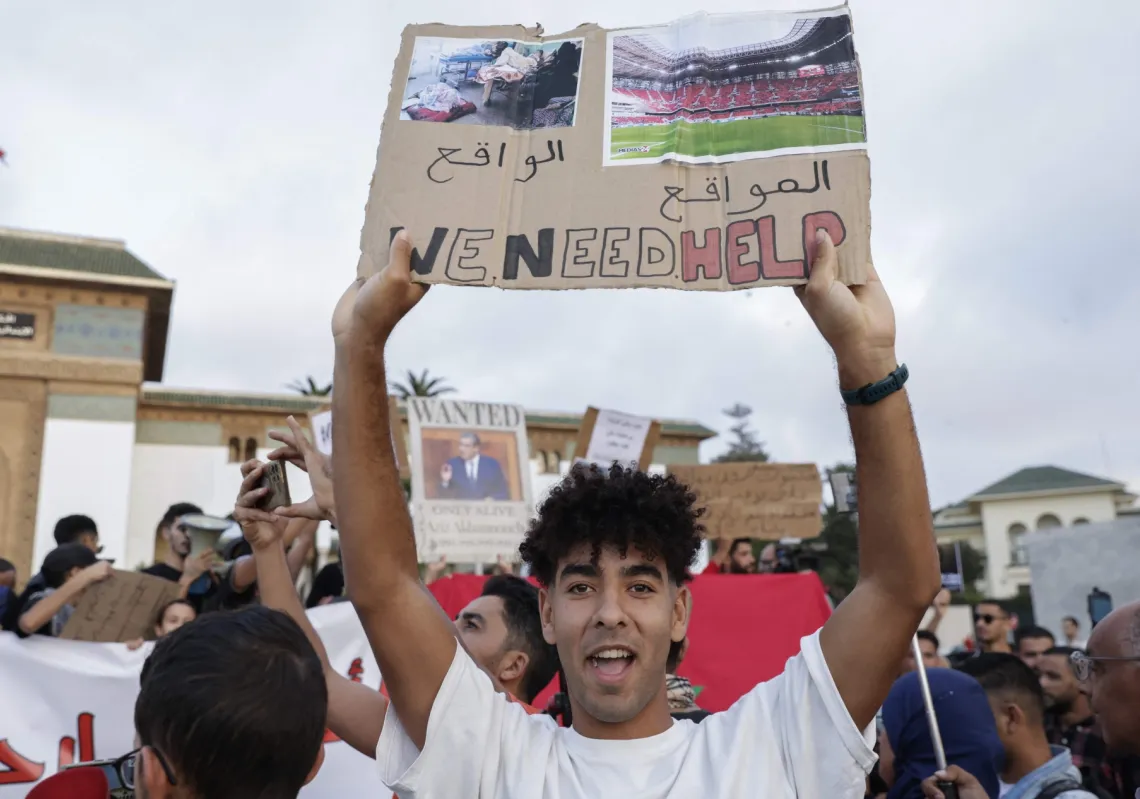
Protests led by young Moroccans have caused shudders across a normally stable political establishment. The billions being spent on stadiums could be better spent on hospitals, they say.
The famed painter (1869-1954) found both himself and the inspiration he needed in two visits to Tangier in the early 20th century, the effects of which are still very evident.
General Anderson's appointment is being seen as a shift from a diplomatic, partnership-based approach to one that is operational and intelligence-led. In other words, from soft power to hard power.
The American CIA director's visit looks to be a desperate attempt by the Trump administration to avert a doomsday scenario in which NATO is pulled into a larger war with Russia
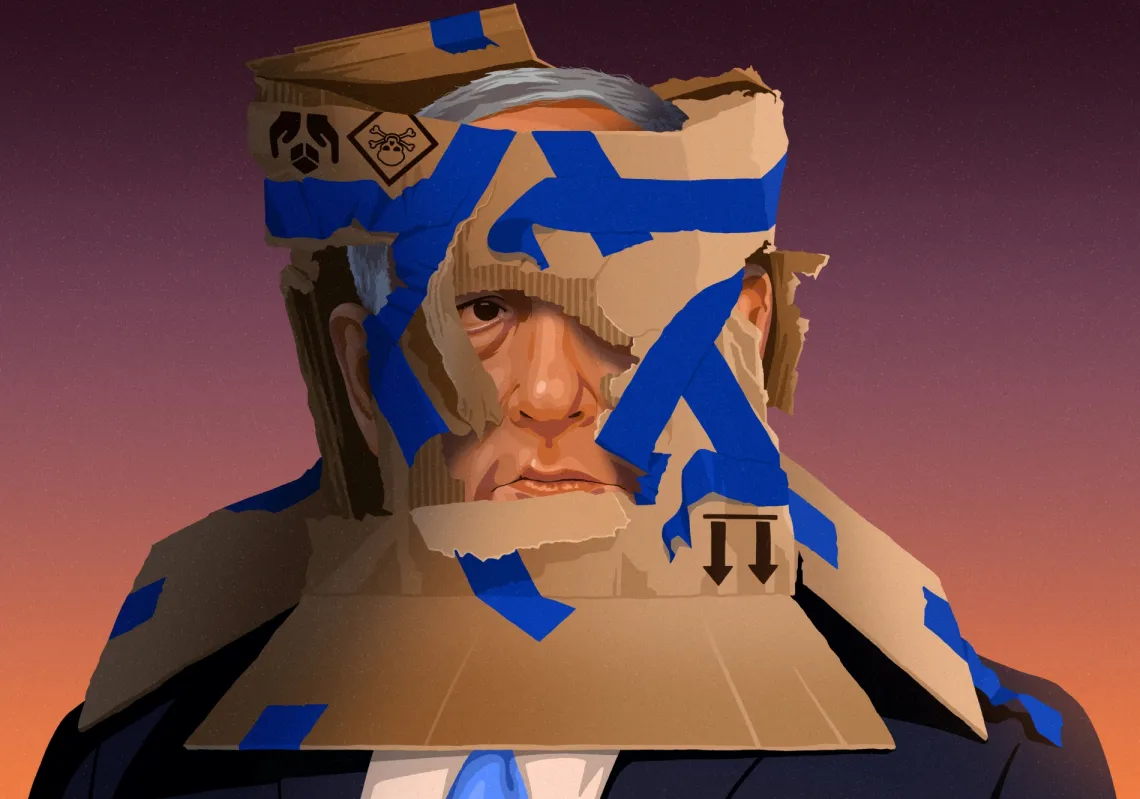
Al Majalla looks at the former army general's career, political positions, possible paths to victory, and what a change in leadership could mean for Israel and the region after three years of war
As social media transforms how people seek medical advice, figures such as Barbara O'Neill offer something conventional medicine rarely can: absolute certainty
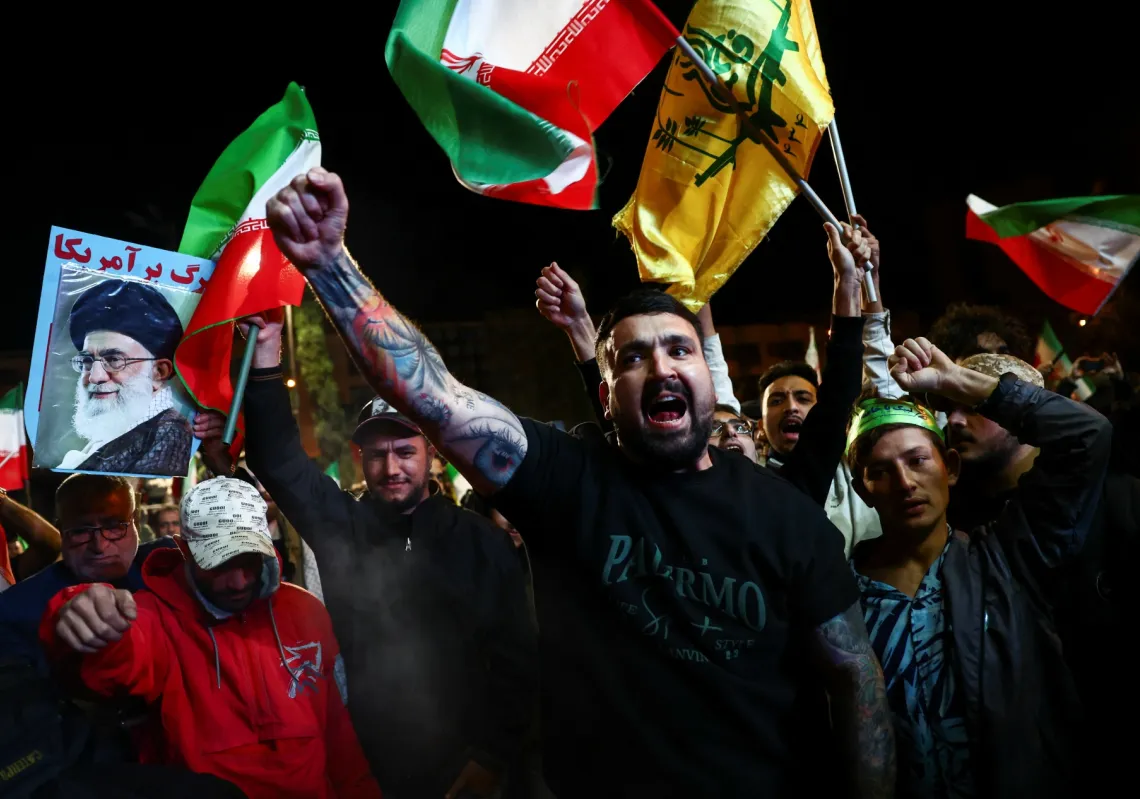
The Iran war exposed the risks of being too closely tied to US military posture, which is why some Gulf states are repositioning themselves not merely as consumers of security but as architects of it