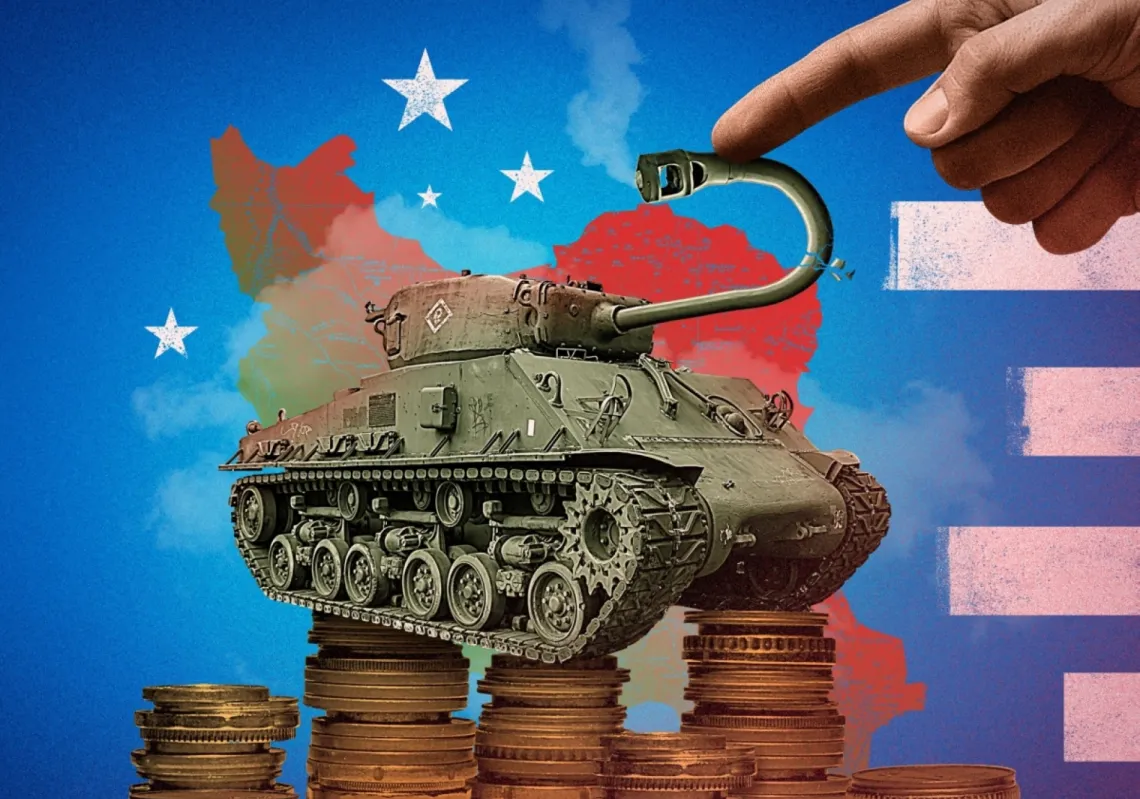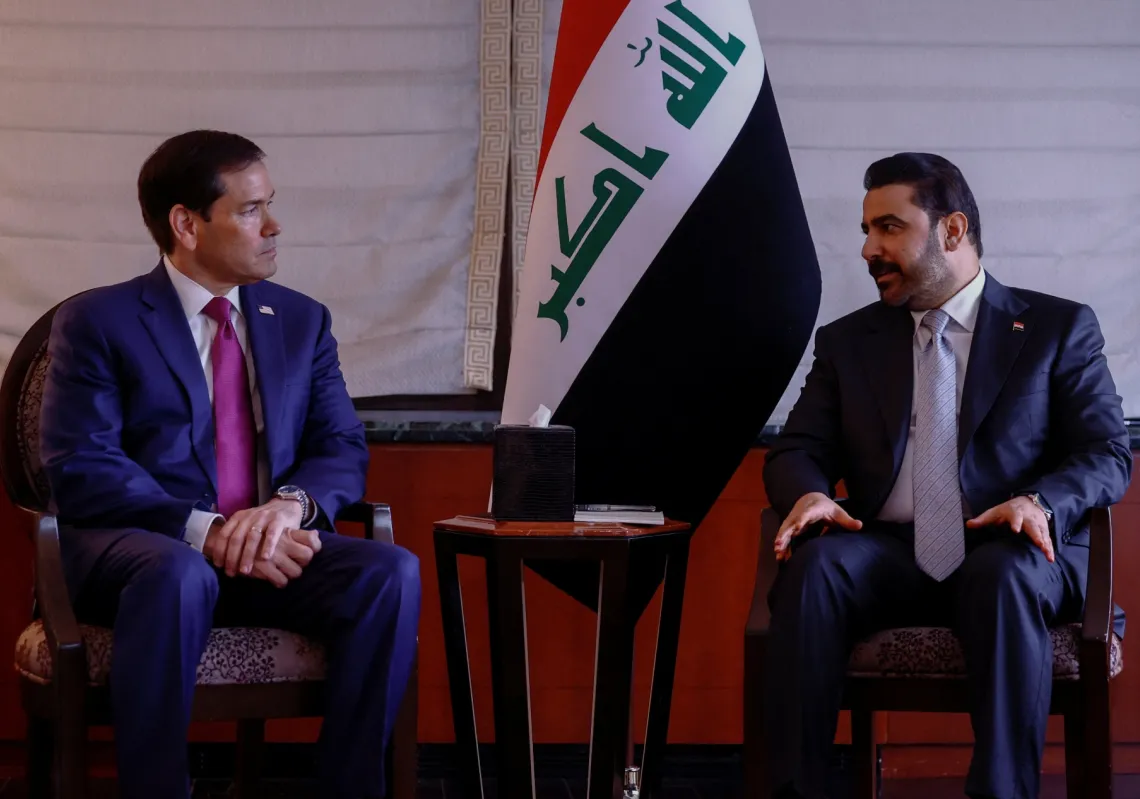
Iraq's young prime minister is determined to bring a mass of private weapons under state control, but armed groups loyal to Iran have other ideas, so he is targeting their finances
Washington's preferred course appears to be preserving an order administered by vying factions, rather than embarking on the uncertain and potentially perilous task of replacing it

Washington's long-term strategy to unshackle Iraq from Iranian influence is yielding results. Having pulled a potent mix of financial and military levers, the militias have been eerily quiet of late.
Armed groups have proliferated in the Iraqi security vacuum, in some cases supported by Iran. After three US soldiers were killed, the Americans have hit back. How will the militias react now?
Since 7 October, Iran has been moving its affiliated forces around Syria, an area that could become a second active front in war with Israel. Al Majalla lists the groups and their key characteristics.
Our cover story this week explores the opportunities and risks accompanying Syria's shift from being a corridor of Iranian influence to a state intent on containing it
Democratic control of Congress will increase scrutiny of the war and its economic costs, but could also make the concessions needed for a lasting agreement with Tehran more difficult to deliver
Artificial intelligence can analyse facial features for clues to biological ageing and cancer survival, but further validation is needed before clinical use
Following an historic landslide, a new progressive wave is calling for establishment figures to step aside and make way for new blood who better represent the future direction of the party