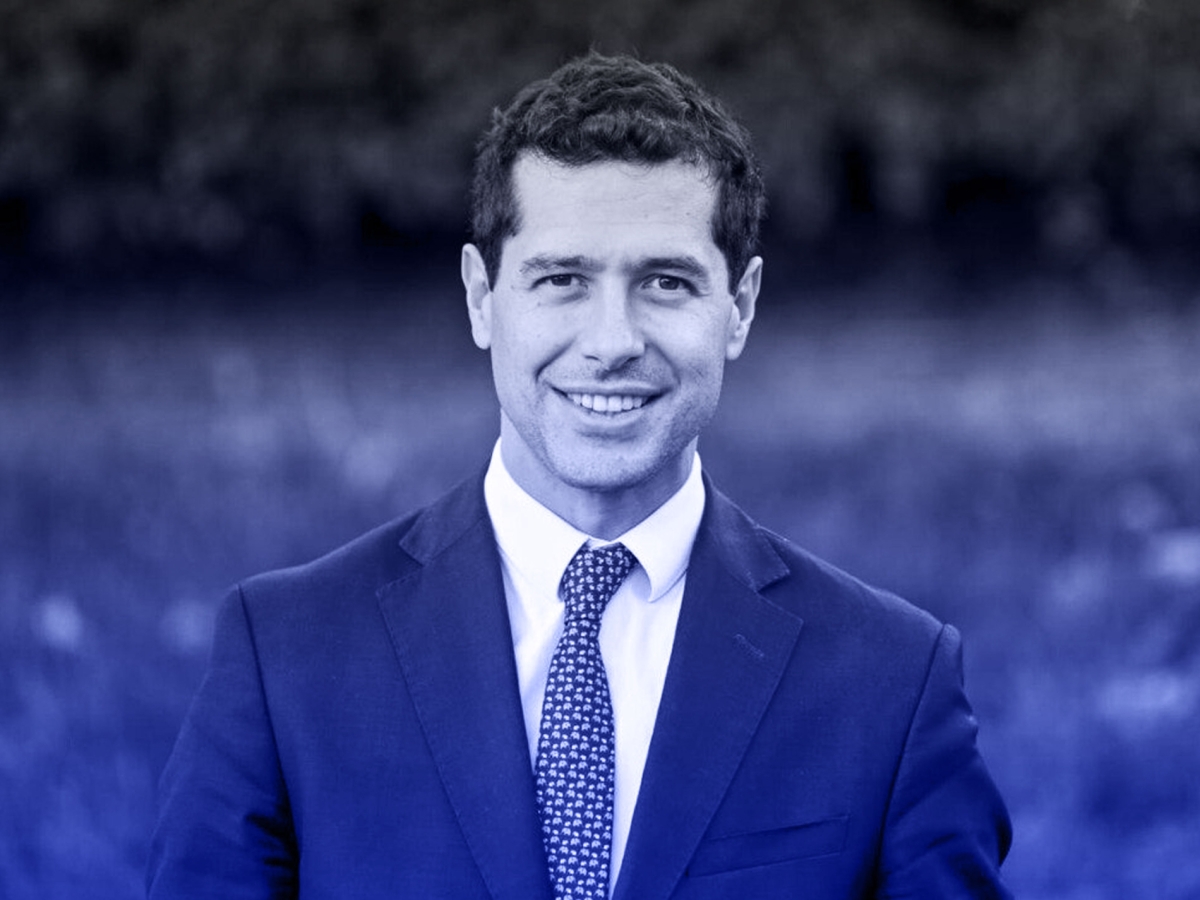

From Ukraine to the Middle East, France faces a series of interlocking crises that are testing its ability to protect its interests and preserve its international standing. As differences between Washington and Europe widen, particularly over Ukraine, Paris is seeking greater European strategic autonomy while maintaining its partnership with the US and its NATO commitments.
In this interview with Al Majalla, Pascal Confavreux, spokesperson for France’s Ministry for Europe and Foreign Affairs, discusses the war in Ukraine, tensions with Iran, and the situations in Yemen, Lebanon, and Syria. He argues that Europe must assume greater responsibility for its own security, while insisting that diplomacy and respect for international law remain central to French policy.
On Ukraine, Confavreux defends the Coalition of the Willing and says Europe is preparing security guarantees for Kyiv. On Iran, he calls for diplomacy to prevent escalation and protect freedom of navigation through the Strait of Hormuz. He also reiterates France’s support for an inclusive political settlement in Yemen, stronger Lebanese state institutions and an equitable transition in Syria.
In the following interview, Confavreux elaborates on France’s diplomatic priorities and its response to the shifting geopolitical landscape.
What is France’s foreign policy priority?
Our first priority is the security of France and its people, including protecting French citizens abroad. This also means ensuring Europe’s security as tensions rise worldwide. We must defend our interests, strengthen our position within the European Union, and reinforce Europe’s strategic autonomy. We must also contribute to resolving major international crises, particularly Ukraine and the Middle East, including the Strait of Hormuz, Lebanon, and Israel and Palestine.
A third priority is to defend the principles at the heart of French diplomacy: multilateralism, international law, and the rejection of attempts to change borders by force. These principles underpin the international order established after the Second World War, but are increasingly challenged by authoritarian powers and acts of aggression, particularly Russia’s invasion of Ukraine in February 2022. They guide the foreign policy of President Emmanuel Macron and Foreign Minister Jean-Noël Barrot.
How concerned are France and Europe about US President Donald Trump’s approach to Russia, and what leverage, if any, does Europe have to influence his decisions?
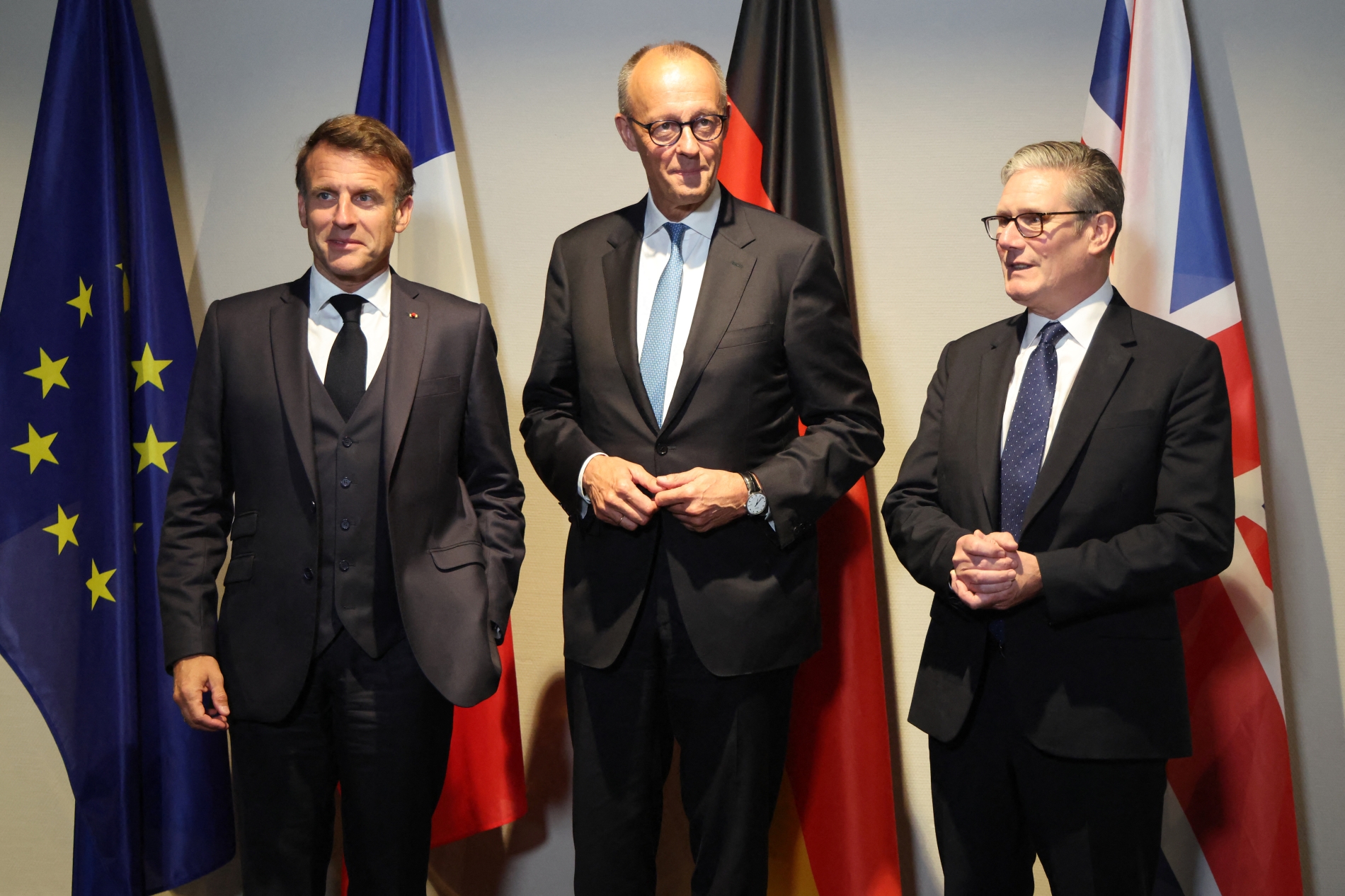
We maintain an intensive dialogue with the US at every level, including between President Macron and President Trump. The Berlin meeting of the Coalition of the Willing was significant. Launched by France in February 2025, the coalition brings together more than 30 countries to prepare security guarantees for Ukraine after a ceasefire and the restoration of peace. Its purpose is to deter any renewed Russian aggression.
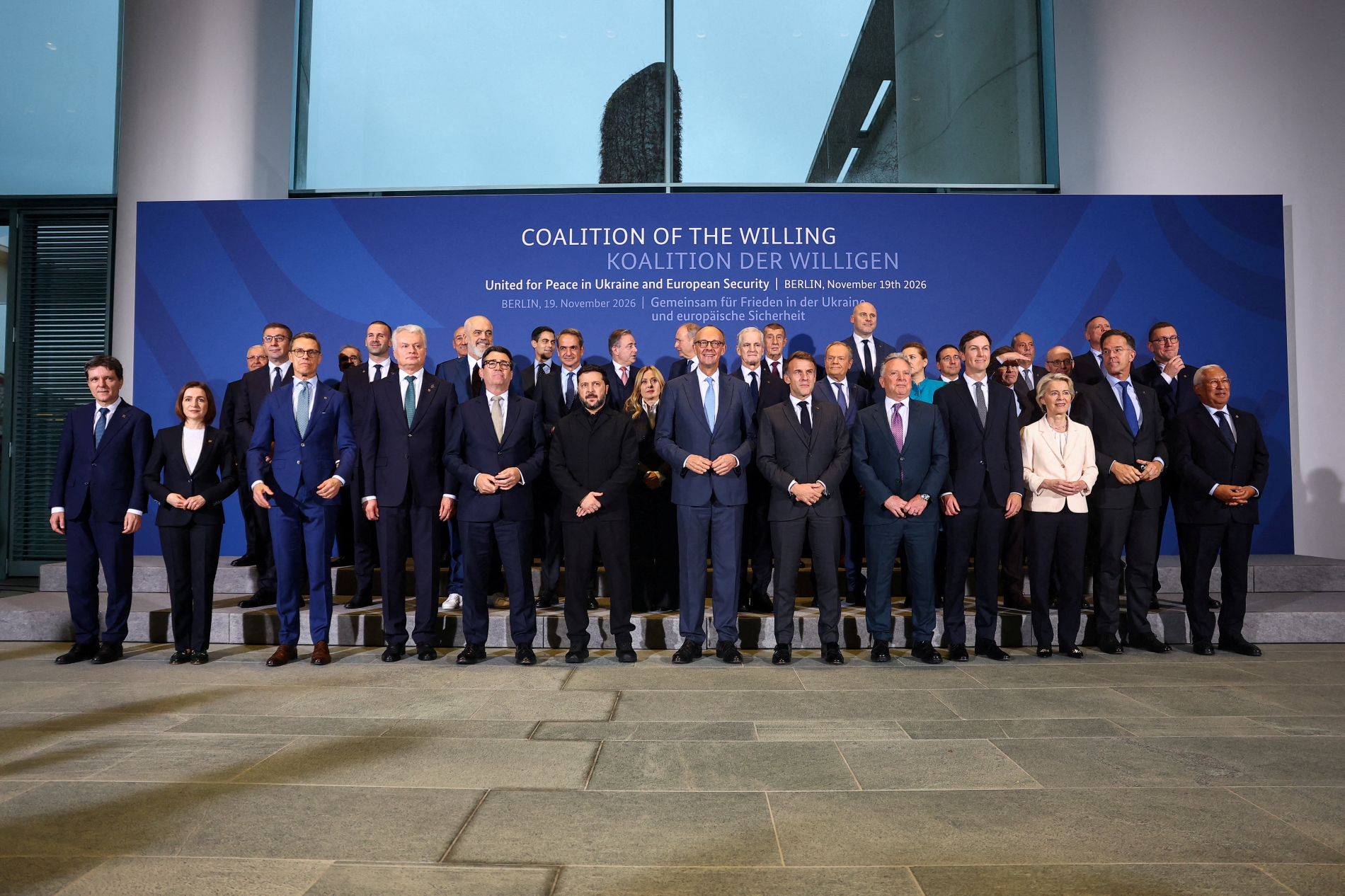
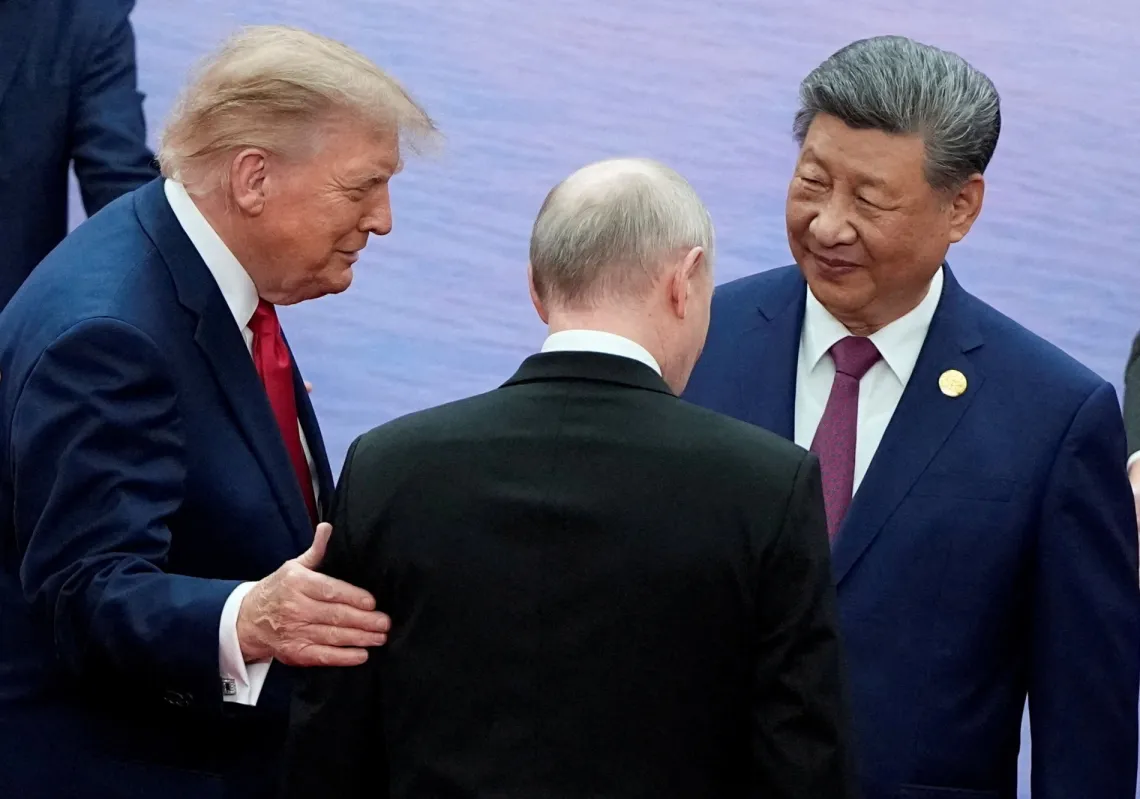
Two representatives of President Trump, Jared Kushner and Steve Witkoff, attended the Berlin meeting, while Trump joined remotely. They briefed European leaders on the outcome of the Asia-Pacific Economic Cooperation summit in Shenzhen and continued discussions on stronger support for Ukraine. That support has two aims: to put Kyiv in the strongest possible position for peace negotiations and to provide credible security guarantees.
Does France fear Russian retaliation or direct confrontation following Moscow’s accusations of French military involvement in Ukraine?
Russia has failed to make the battlefield gains it expected. When it launched its invasion in February 2022, Moscow believed Kyiv would fall within three weeks. Since then, it has sought to escalate the conflict to achieve objectives it has been unable to secure militarily.
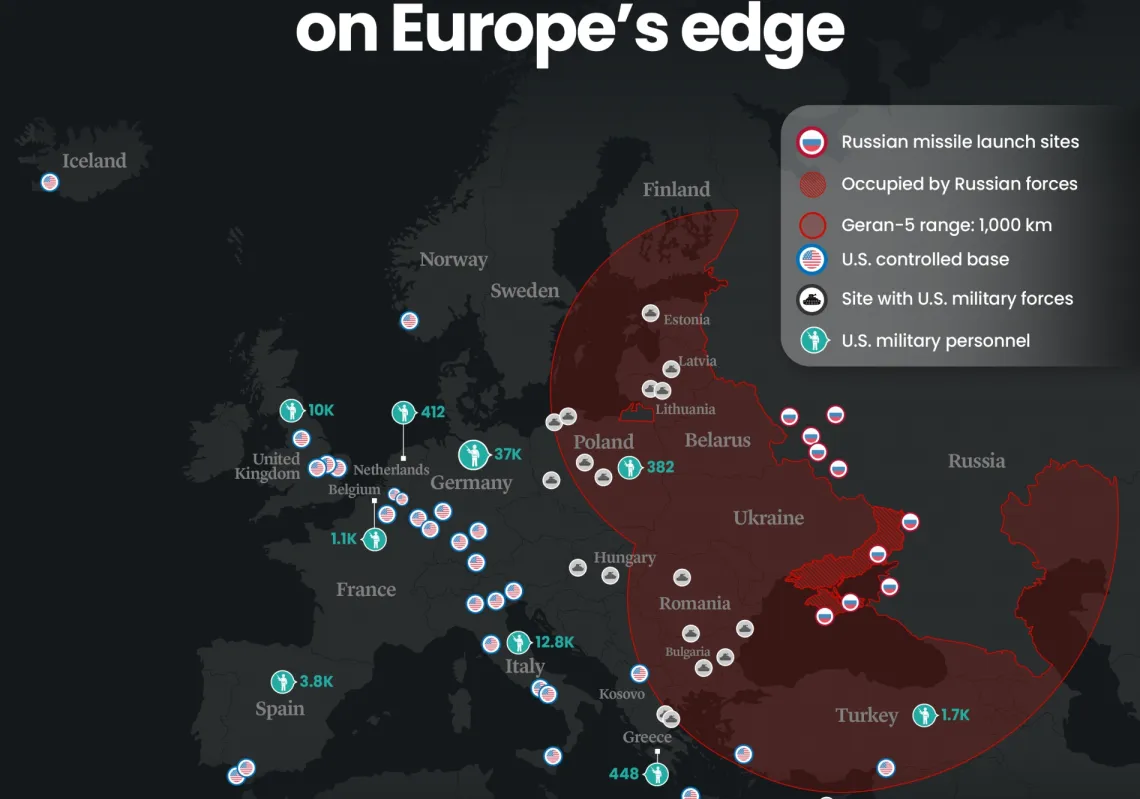
Russia shows little willingness to negotiate seriously while continuing to attack civilian infrastructure and energy facilities. We have also seen incursions by drones and other aircraft into the airspace of Eastern European countries, an alleged assassination attempt involving Ukrainian American citizen Albert Vasiliev in Poland, and cyberattacks, information operations, and other hybrid actions. These remain below the threshold of armed aggression, but they are attacks nonetheless.
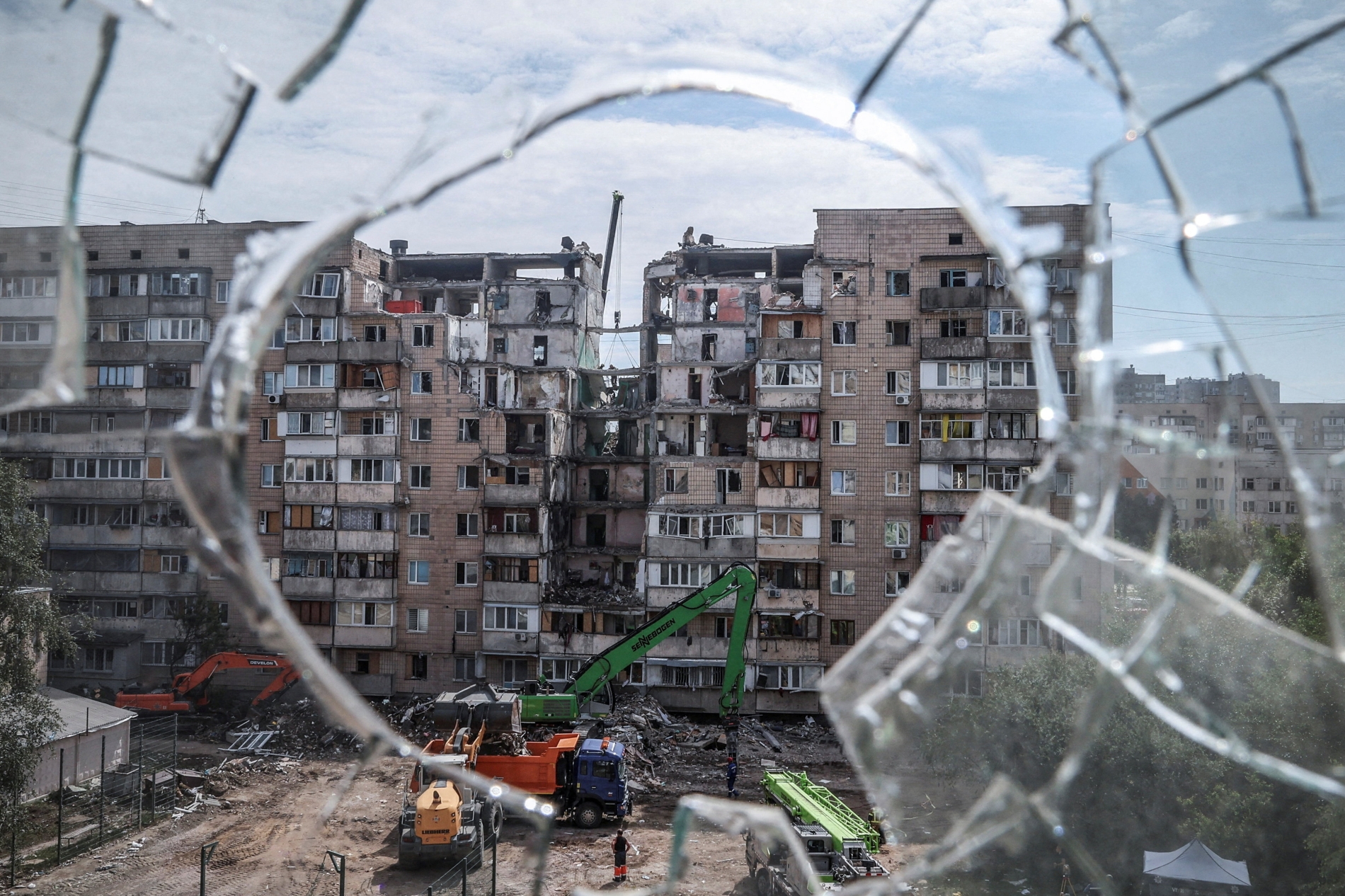
We monitor and counter these activities and are preparing to confront them. France’s defence white paper, adopted in June 2025, identifies Russia as the principal threat. We are strengthening our capabilities, improving our understanding of the danger, and increasing our readiness to protect our citizens.
Has the Berlin meeting strengthened Europe’s ability to act and influence Trump?
Yes. The Berlin meeting and the declaration adopted in Dublin on European security principles are important. The Dublin initiative, advanced by French diplomacy, brings together 40 countries, including states beyond the European Union, to define the principles they are prepared to uphold.
Some of these principles date back to 1997, but they have been updated to address contemporary threats such as cyberattacks, disinformation and other hybrid operations. The declaration tells Russia that Europe is not isolated. It also tells our American partners that, once peace is achieved in Ukraine, Europeans are prepared to take primary responsibility for their continent’s security.
We are pursuing two objectives: defining our own security principles rather than waiting for other powers to determine our future, and preparing support for Ukraine through the Coalition of the Willing. This includes assistance now, and guarantees after peace is restored. We have drawn up plans with our partners and are preparing to implement them.
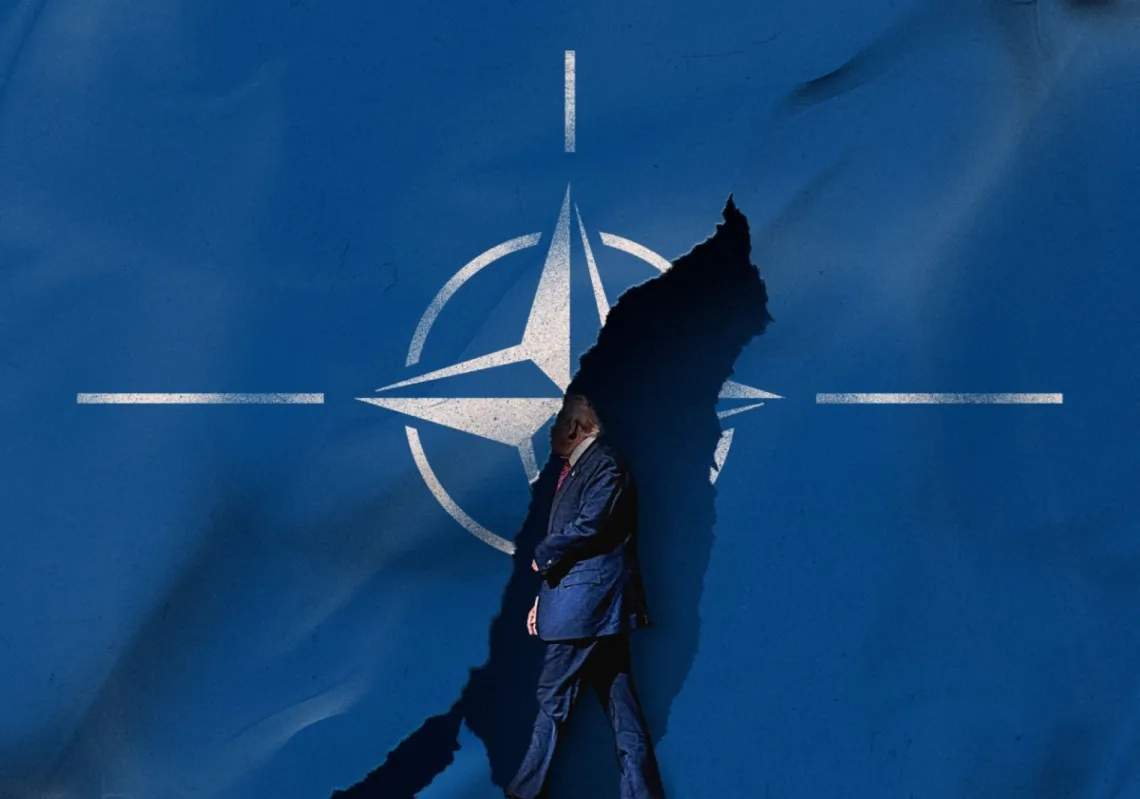
Can NATO continue to function amid growing US-Europe divisions on security and defence?
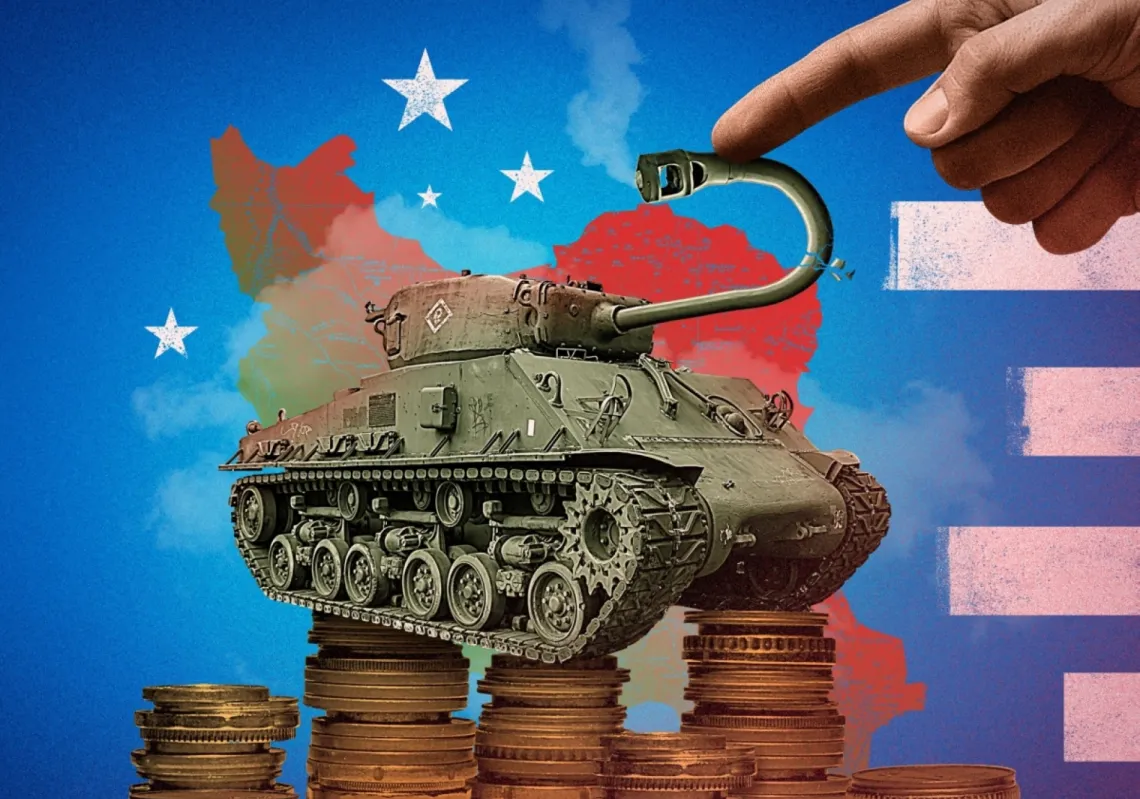
We are reviewing the alliance with our American partners, and cooperation continues. NATO is functioning, while Europeans take on greater responsibility and increase their defence budgets. France is following the same course. Under President Macron, the country’s defence budget will have more than doubled in euro terms between 2017 and 2027. Our strategy is to strengthen European investment and responsibility within the alliance. We call this the ‘Europeanisation of NATO’: a stronger Europe means a stronger NATO.
Has NATO reached the end of its life?
Certainly not. The successful interception of drones during incursions into Eastern European countries demonstrates the alliance’s continuing role. NATO has also recently invoked Article 4 of the North Atlantic Treaty after an attack on a member state. Foreign Minister Barrot has been invited to the next NATO foreign ministers’ meeting, scheduled for early December in Brussels. The alliance continues to function normally.
Does France consider another war between the US and Iran likely?
I will not speculate. Our efforts are focused on preventing military escalation. A wider conflict would threaten global economic stability, while diplomacy offers the best prospect of progress on Iran’s nuclear programme, lasting security in the Strait of Hormuz, and the reduction of regional tensions.
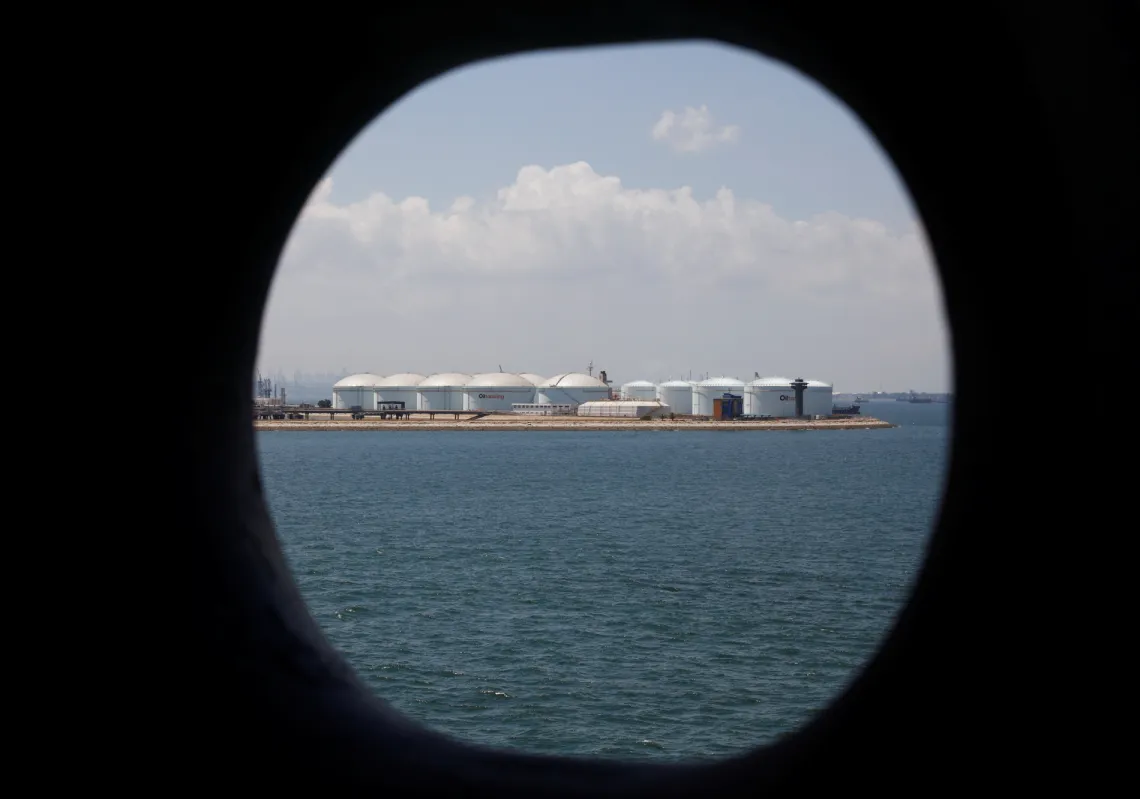
Attacks on civilian vessels in the strait continue. We are therefore advancing practical proposals, including a multinational force that could clear mines or escort civilian ships. Around 30 countries and governments are involved in the initiative.
The aim is to prevent any state bordering the strait from exercising exclusive control. Under international law, the Strait of Hormuz is an international waterway. The proposed force would be defensive, seeking to restore freedom of navigation and uninterrupted maritime traffic while avoiding further escalation. It could be activated when conditions allow.
France has said any deal with Iran must cover its nuclear programme, missiles, and support for armed groups. Is that still achievable?
In the summer of 2025, we reactivated the snapback mechanism, restoring international and UN sanctions lifted under the 2015 Joint Comprehensive Plan of Action. We did so because Iran had violated its commitments. Tens of billions of dollars in Iranian assets also remain frozen in the region.
We therefore retain considerable leverage. Any future lifting of international sanctions will require decisions by institutions in which we participate, particularly the UN Security Council. Our position remains that negotiations are the best way to prevent Iran from acquiring a nuclear weapon and to reach a lasting settlement.
The immediate priority is full implementation of the ceasefire announced in June and signed by President Trump at the Palace of Versailles. We can then address the crisis’s underlying causes. France is ready to take part and has considerable expertise: our negotiators participated in the talks that led to the 2014 nuclear agreement.
Paris has accused Iran of cyberattacks. Are they linked to French military support for Gulf states?
That question should be put to Iran. We have, however, seen a marked hardening of the Iranian regime’s position towards France in recent weeks and months. France did not participate in the Israeli-US attack on Iran on 28 February. We have consistently said that the attack was outside the framework of international law and that our own regional approach is defensive.