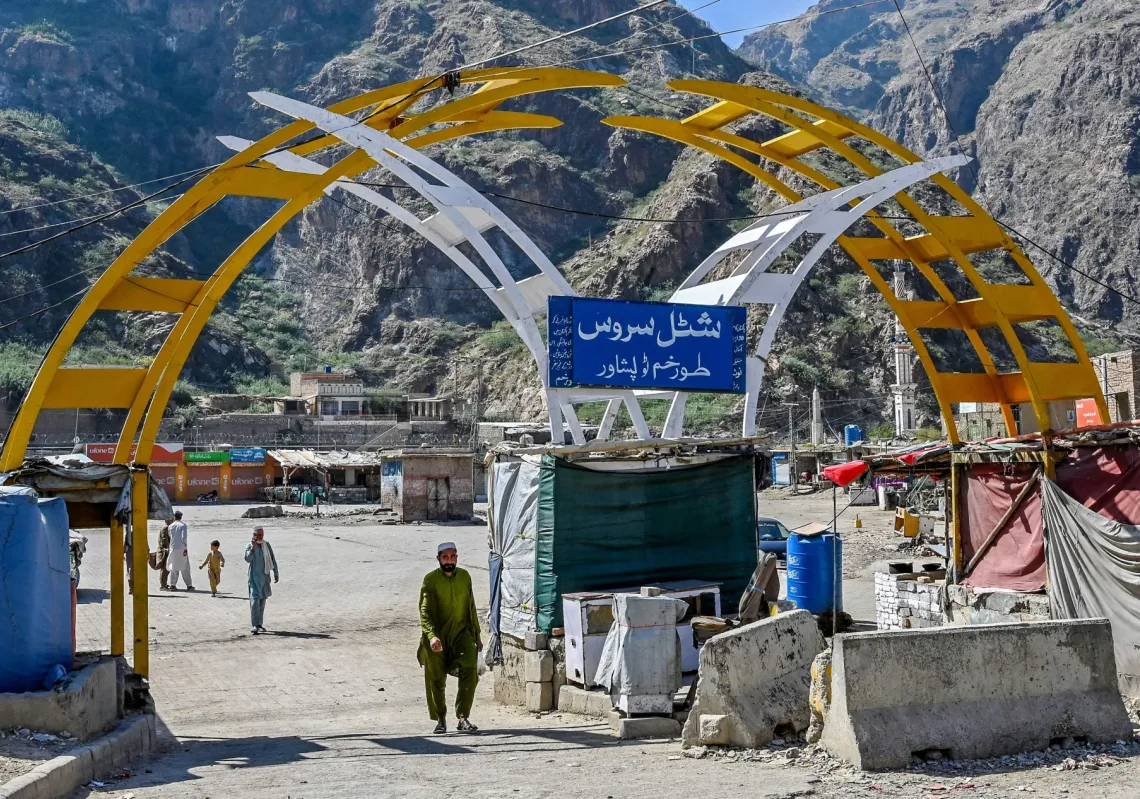
The flare-up is no isolated episode. Rather, it is the most dangerous chapter in a fraught, decades-long relationship that began during the Soviet-Afghan War in the 1980s.
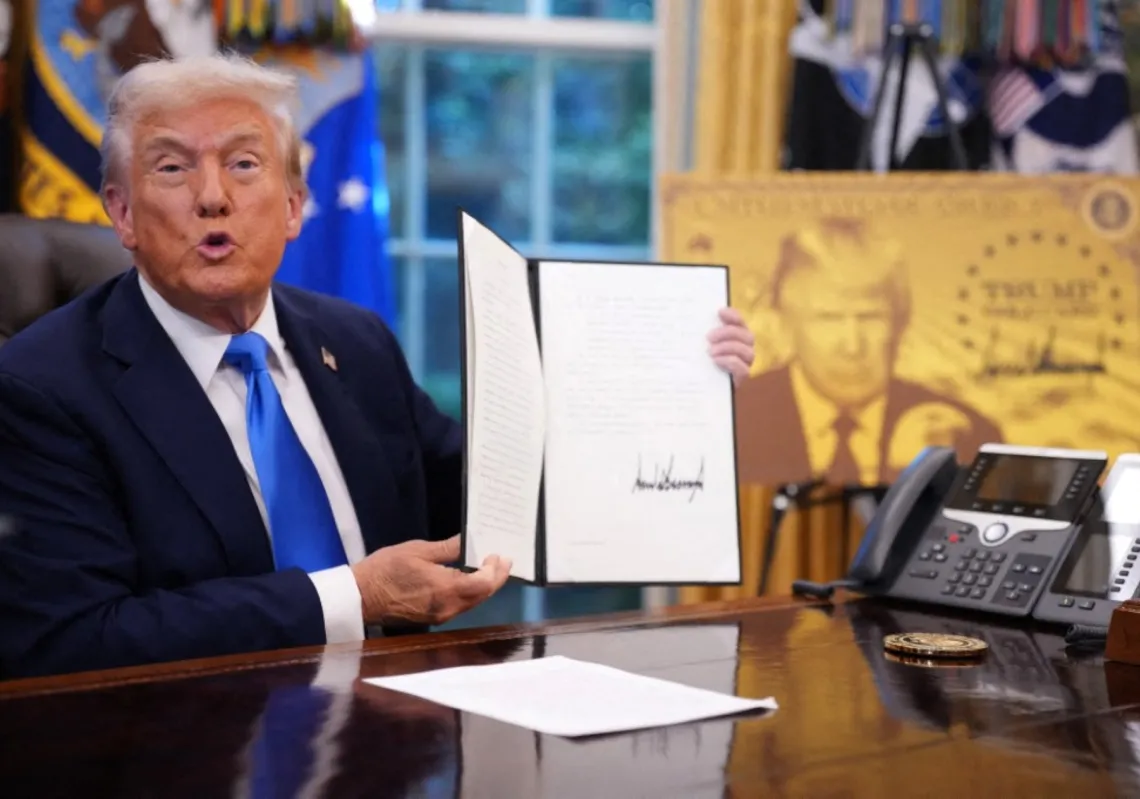
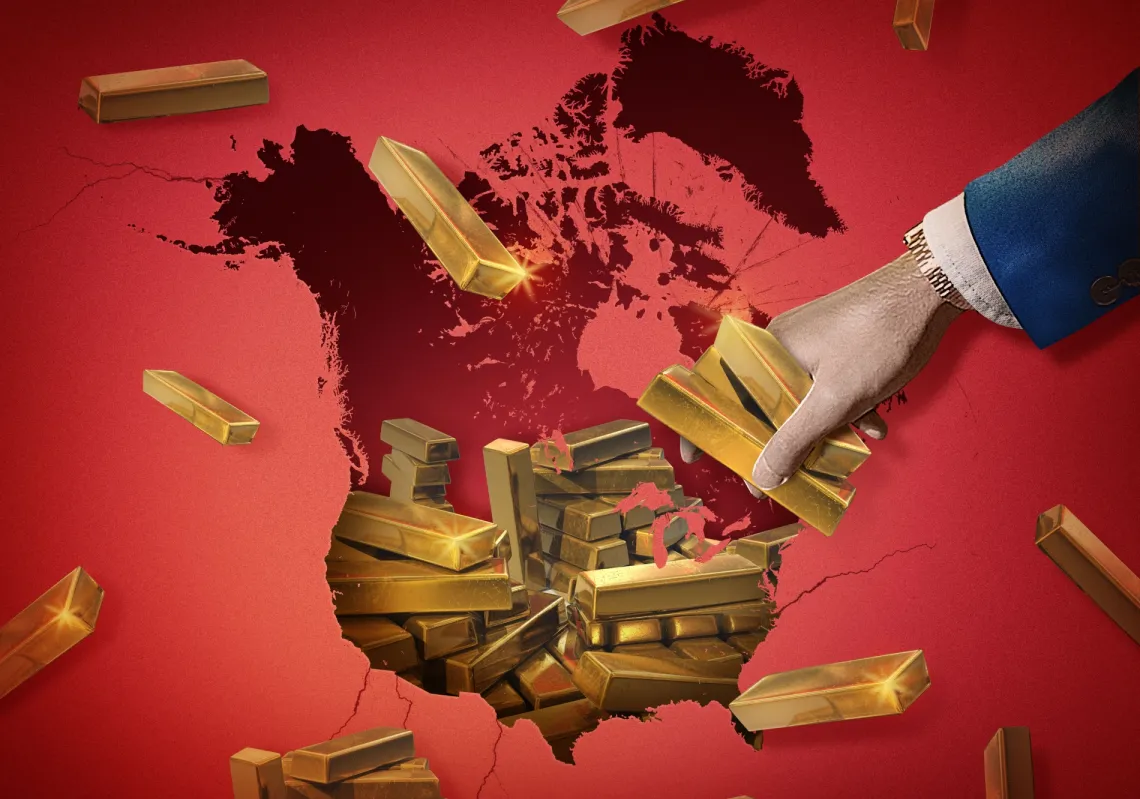
The president has slapped a one-off six-figure fee on visa petitions for specialist occupations seeking to work in the US. This will have huge repercussions for both industries and countries.
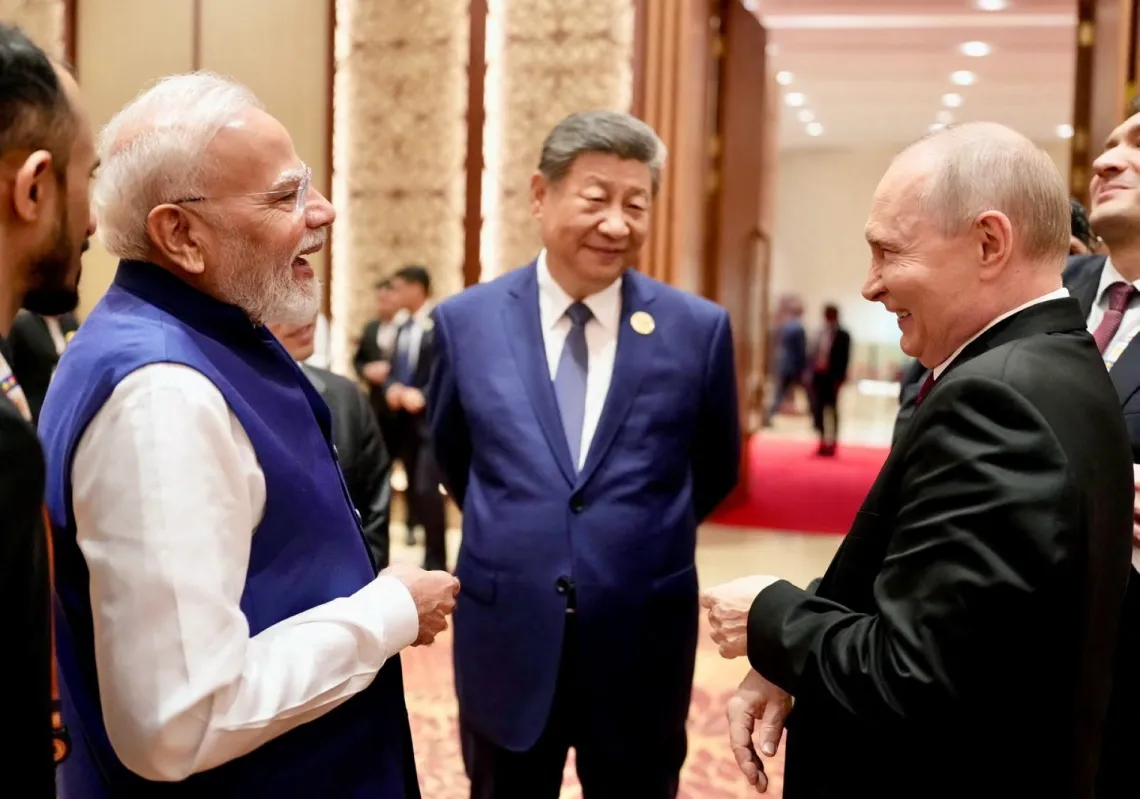
The recent Shanghai Cooperation Organisation (SCO) summit in Tianjin, where Chinese President Xi Jinping, Russian President Vladimir Putin, and Indian Prime Minister Narendra Modi convened, signalled…
With Modi keen to stand his ground against Trump's tariffs, and India-China relations beginning to thaw, the SCO summit gave New Delhi an opportunity to assert its diplomatic weight
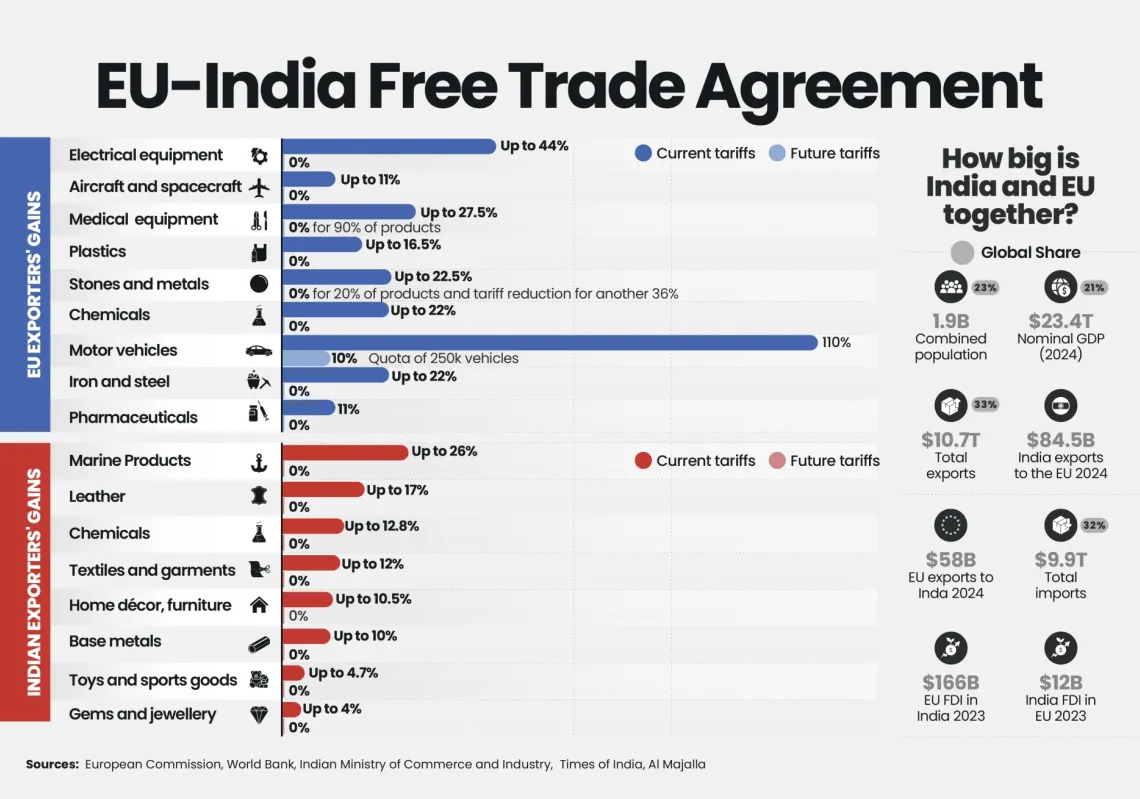
As the leaders of India and China convene in Tianjin for the SCO summit, their meeting shines a light on a push by global economies to cement new trade architectures away from the West
From dhows carrying spices to tankers carrying oil, trade between South Asia and Arabia has been healthy for hundreds of years, with room to grow further.
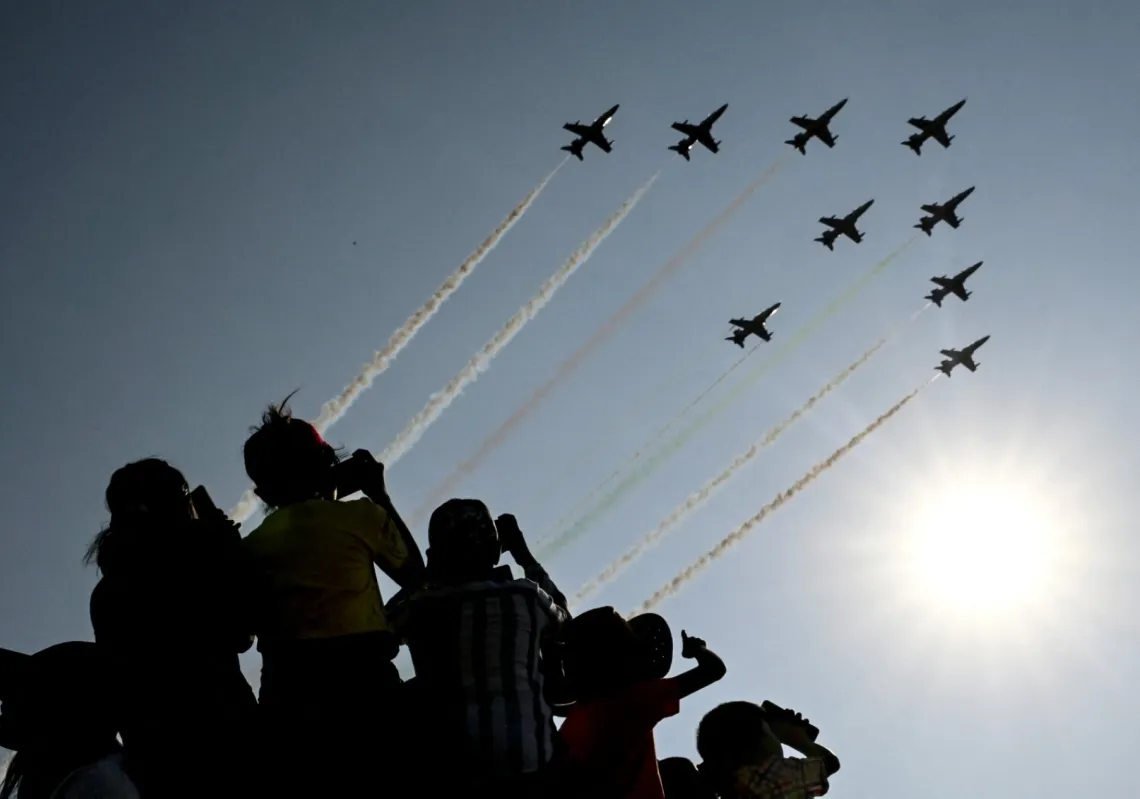
The recent military flare-up begged questions on who would win in the event of a nuclear or conventional war. Here, Al Majalla compares their arsenals and respective journeys to become nuclear powers.
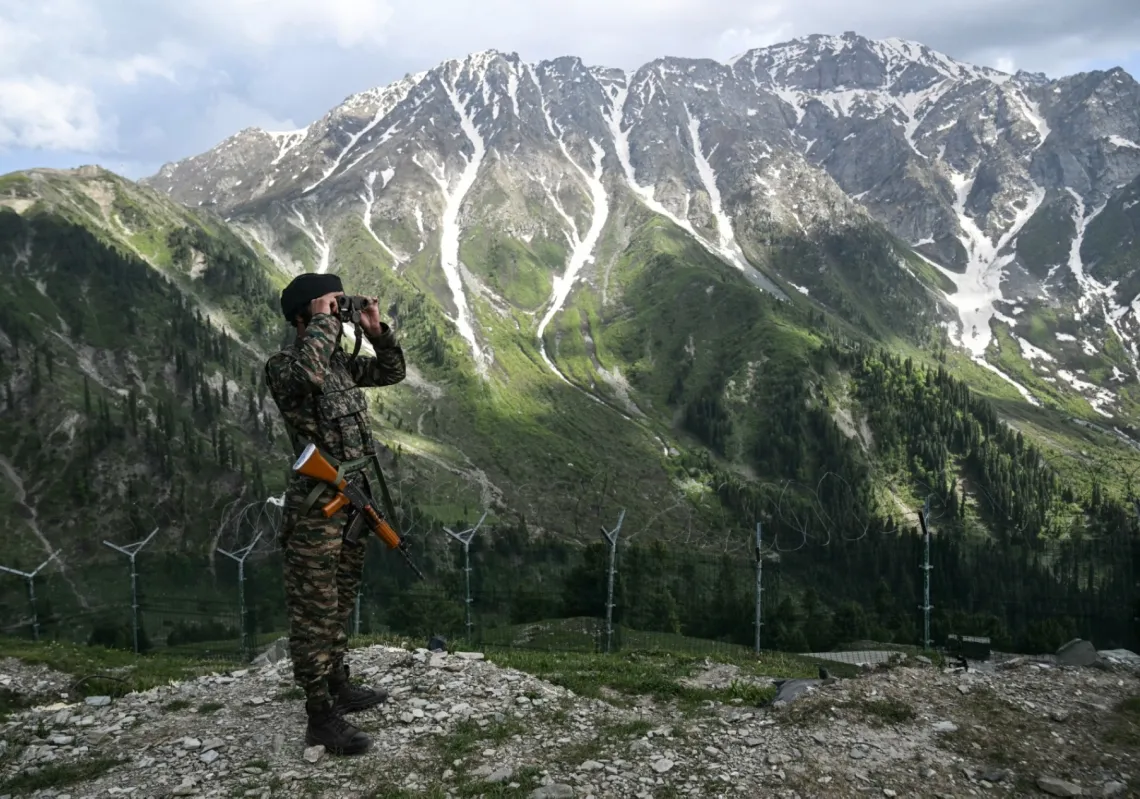
India-Pakistan tensions reached a fever pitch after a 22 April attack in Pahalgam, a town in Indian-controlled Kashmir, a disputed region divided by a de facto border called the Line of Control. The…
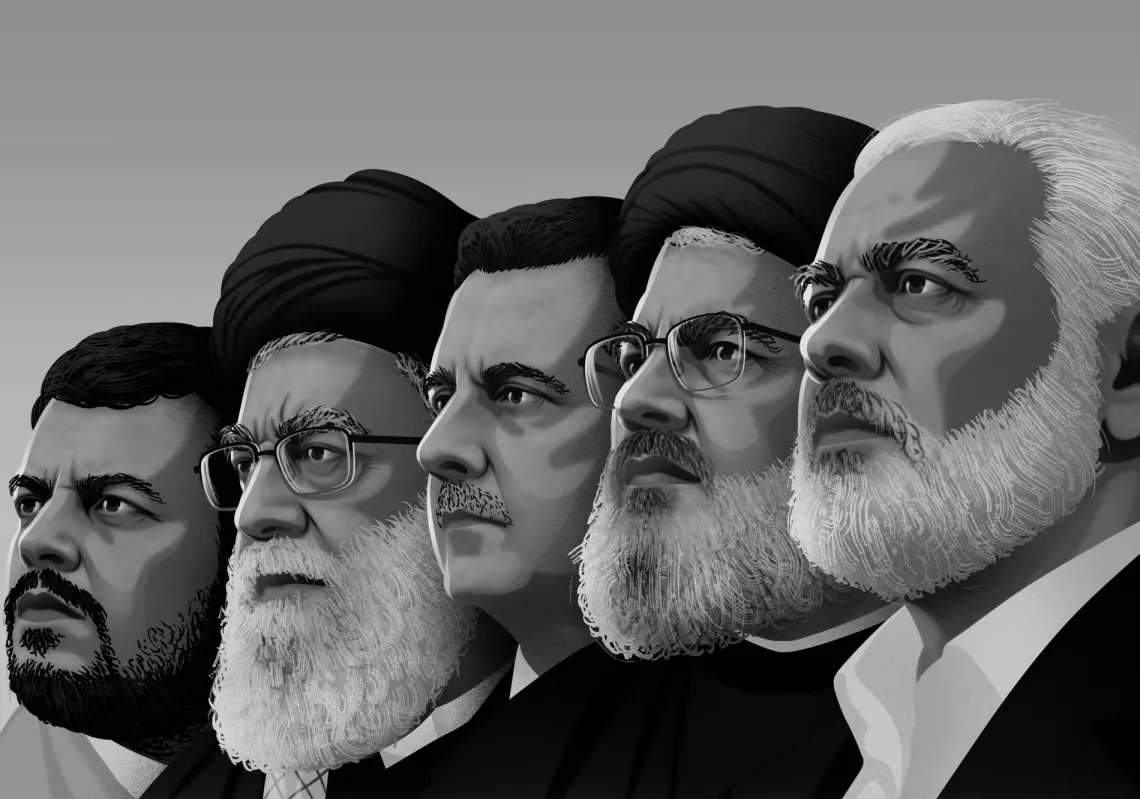
Khamenei has struck a defiant tone amid growing protests against his regime, but a series of regional setbacks, coupled with an emboldened Trump, could finally bring it down
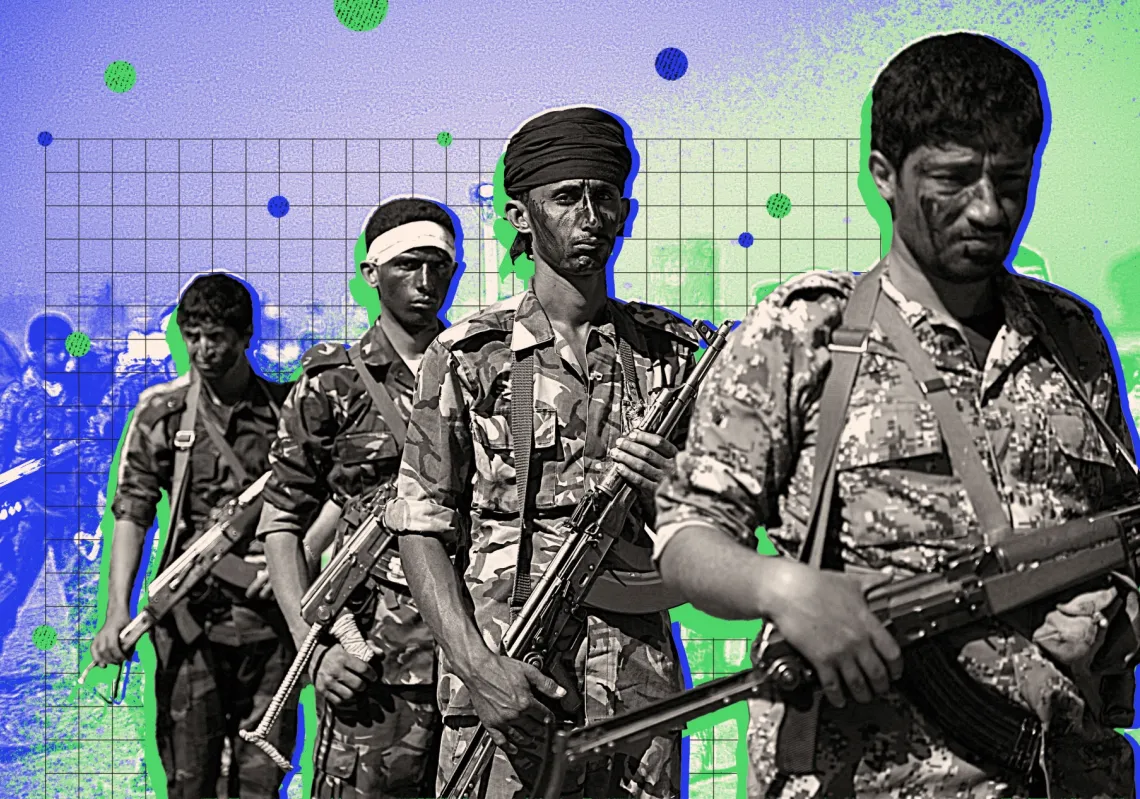
Overcoming Yemen's fragmentation requires more support for the Riyadh-led path—one that rejects secession, all militias and institutionalises the state
If fighting spreads beyond the predominantly Kurdish neighbourhoods of Ashrafieh and Sheikh Maqsoud and beyond Aleppo, there is a real risk that Syria could be dragged into a new civil war
Recently declassified meeting minutes between the two leaders show how Washington was well aware of Moscow's grievances over NATO expansion, but went ahead anyway