Trump elevates Saudi Arabia to 'major non-NATO ally' status, but bigger issues of normalisation with Israel and a binding security treaty need more time. Nonetheless, this is a huge step forward.
Trump elevates Saudi Arabia to 'major non-NATO ally' status, just hours after the Saudi crown prince announced he would increase his investments in the US to nearly $1tn.
The Saudi-US alliance is entering a new phase—one characterised by maturity, equilibrium, and a shared vision attuned to a world increasingly shaped by technology
When Saudi Crown Prince Mohammed bin Salman visits the White House to meet with US President Donald Trump on 18 November, there will be no shortage of issues for the two leaders to discuss
After months of hints and speculation about regime change, Trump announced on 3 January that the US had captured him after a series of attacks across the country
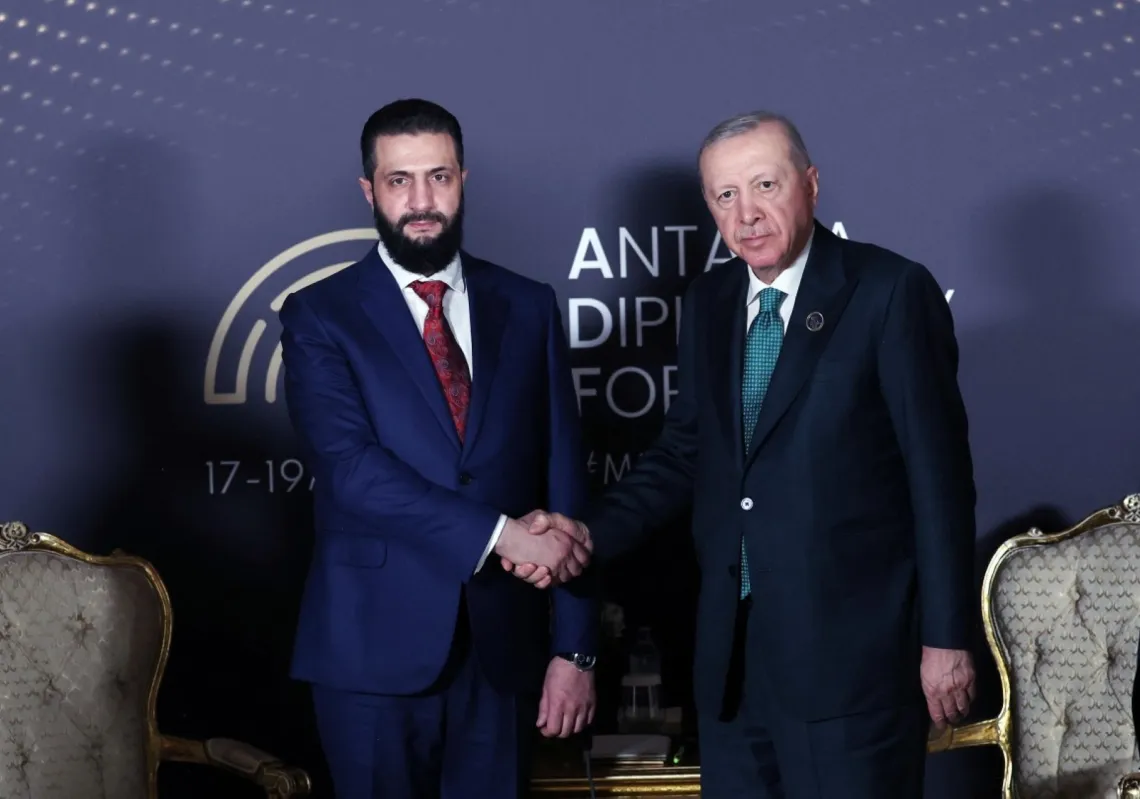
Since Trump began lifting sanctions in May, no time has been wasted. US investment delegations have been flocking to Damascus, and security cooperation has already started.
The US president hasn't invested enough political capital in the painstaking details of peacemaking. Instead, he has focused on short-term truces he can boast about in his quest for a Nobel prize.
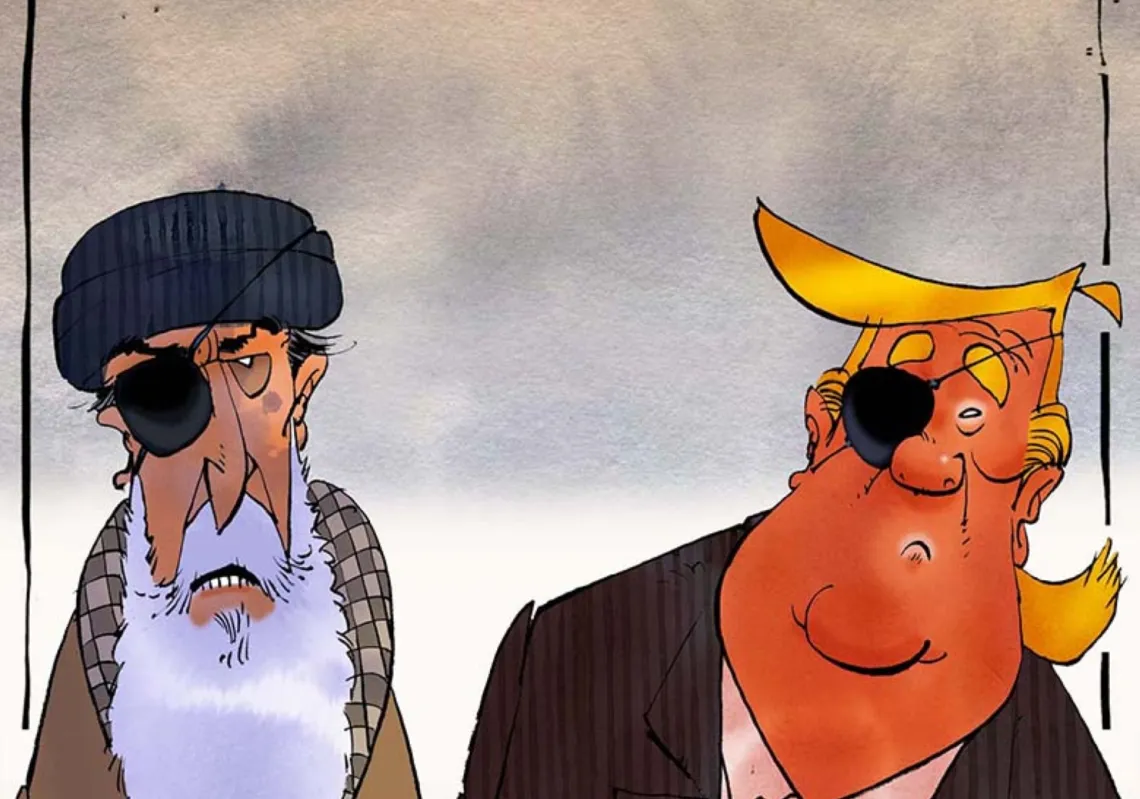
Khamenei has struck a defiant tone amid growing protests against his regime, but a series of regional setbacks, coupled with an emboldened Trump, could finally bring it down
Overcoming Yemen's fragmentation requires more support for the Riyadh-led path—one that rejects secession, all militias and institutionalises the state
If fighting spreads beyond the predominantly Kurdish neighbourhoods of Ashrafieh and Sheikh Maqsoud and beyond Aleppo, there is a real risk that Syria could be dragged into a new civil war
Recently declassified meeting minutes between the two leaders show how Washington was well aware of Moscow's grievances over NATO expansion, but went ahead anyway