For decades, two separate states - North and South Yemen - existed side-by-side, until the Cold War ended. Suddenly, the two came together. For a brief moment, united Yemen prospered.
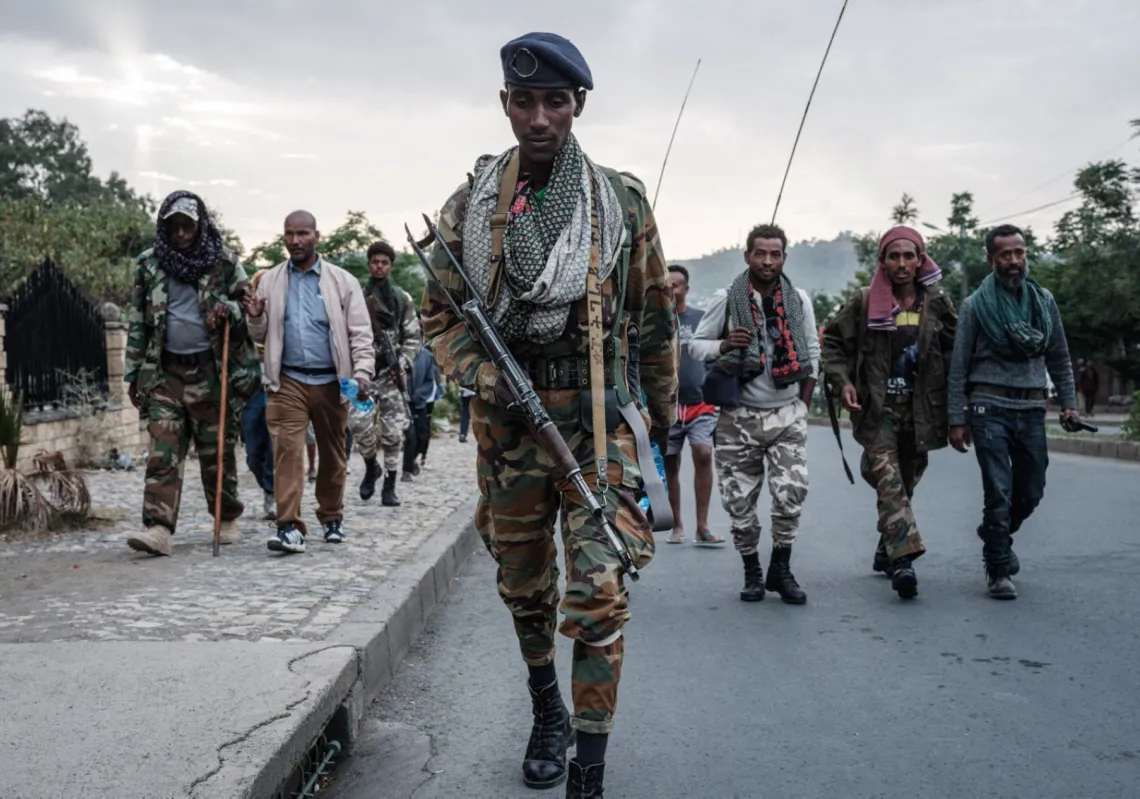
When there were allegations of ethnic cleansing in Darfur in 2003, celebrities and others were up in arms. Today, with 60,000 reportedly killed in three weeks, protests are few. Why the change?
The two countries at last have a maritime border, letting energy firms search for new gas fields in the Eastern Mediterranean, but the agreement has geopolitical repercussions too.
A $35bn gas supply deal between these two neighbours is being held up by political disagreements, some of which relate to their 1979 peace treaty. What next for the Israel-Egypt relationship?
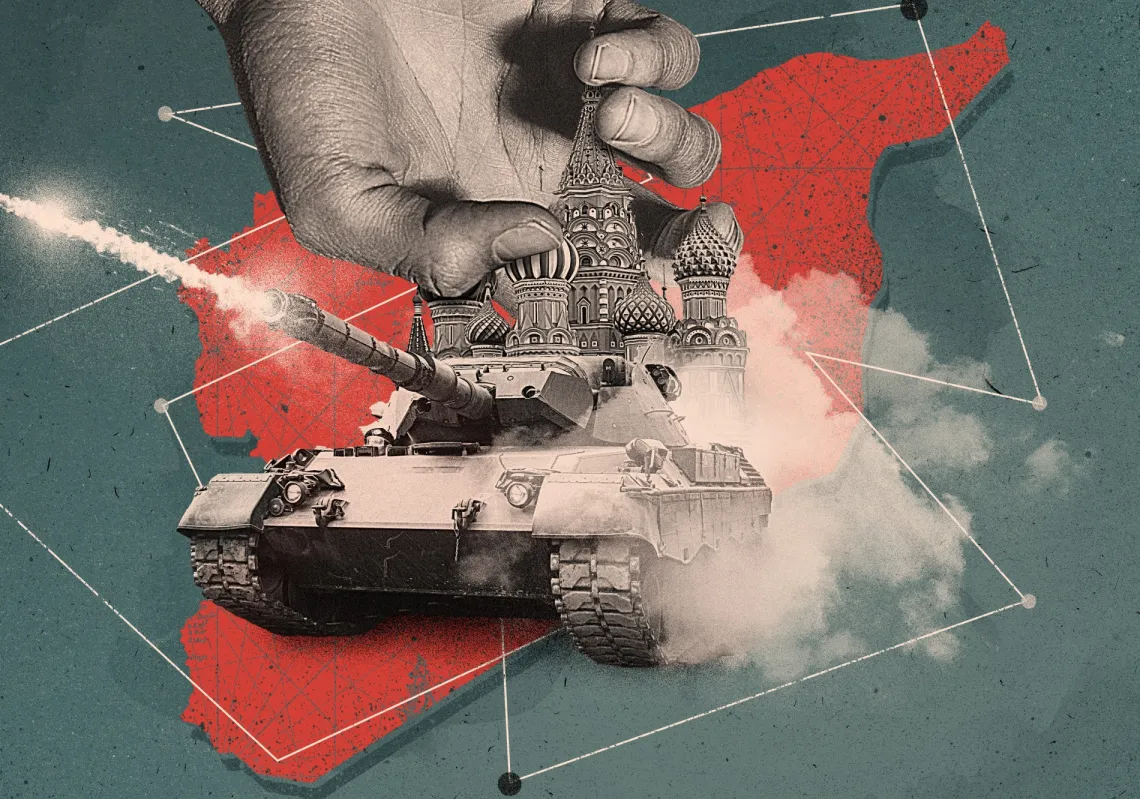
An Islamic State operative infiltrated Syria's security set-up and waited until he was with American soldiers. The assault requires an urgent reassessment of personnel and recruitment in Damascus.
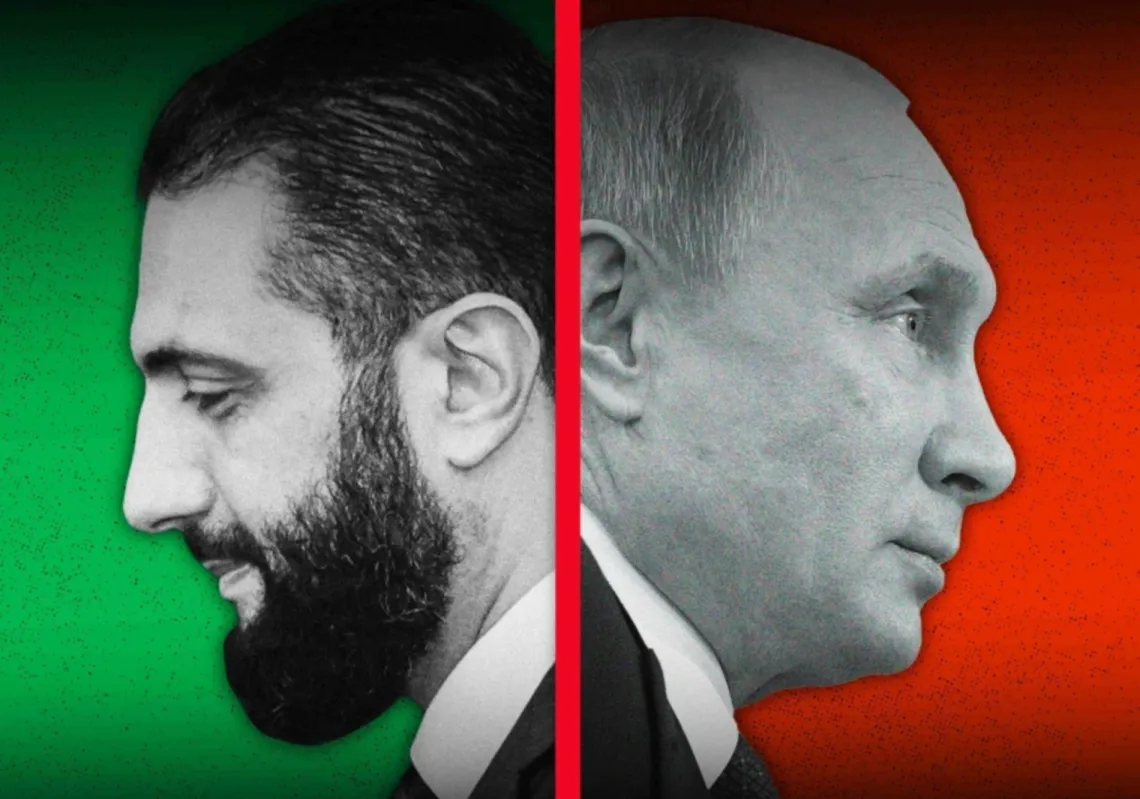
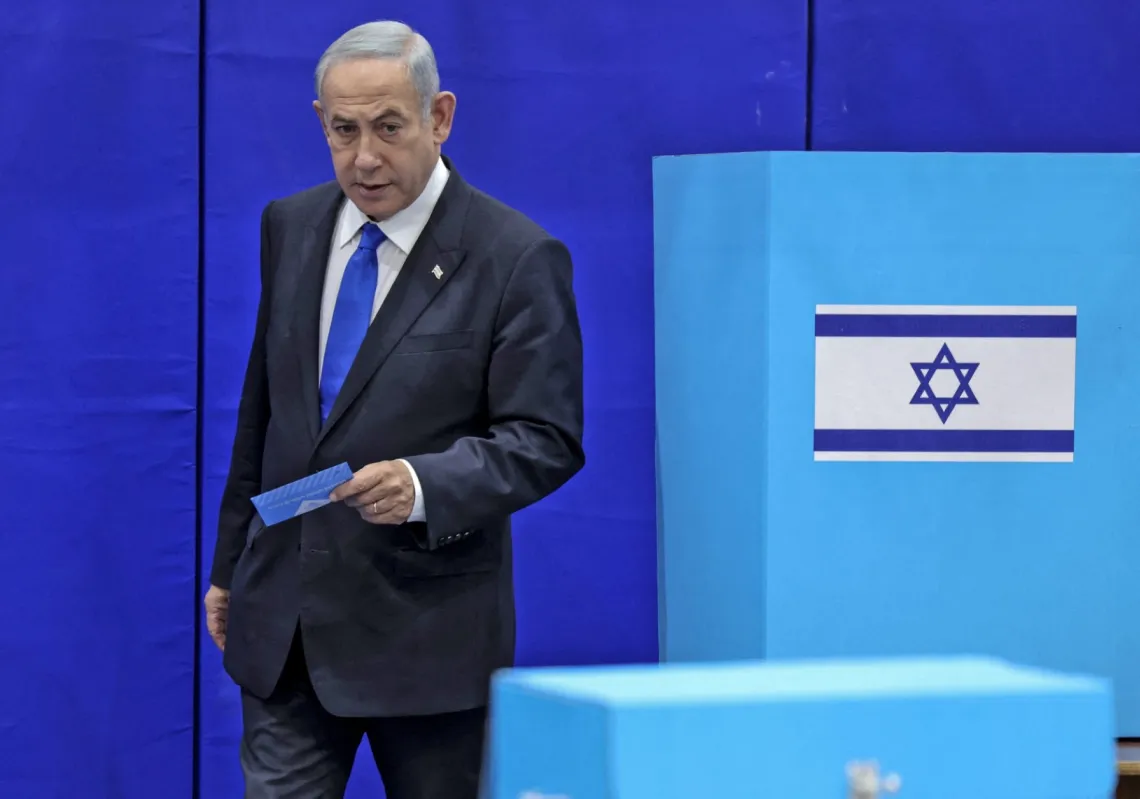
Benjamin Netanyahu has said he will go off what his opposite number in Damascus does, not what he says. In the meantime, Israeli actions make a genuine peace more difficult.
France and Germany are quietly rebuilding troop numbers, fearful that the United States and Türkiye will not fight Russia when push comes to shove. Others may follow.
To the surprise of many, Syria's interim president has neither removed Assad-era staff nor sought revenge on his key lieutenants. It has helped stop Syria from fragmenting.
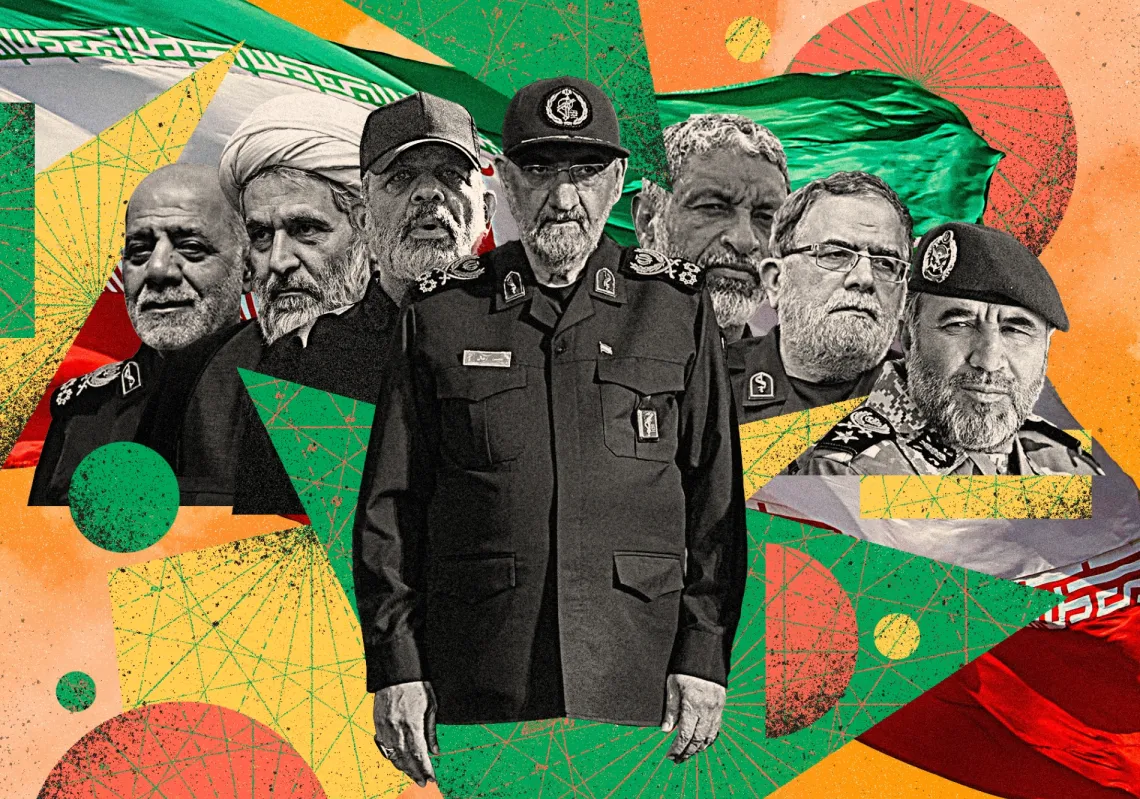
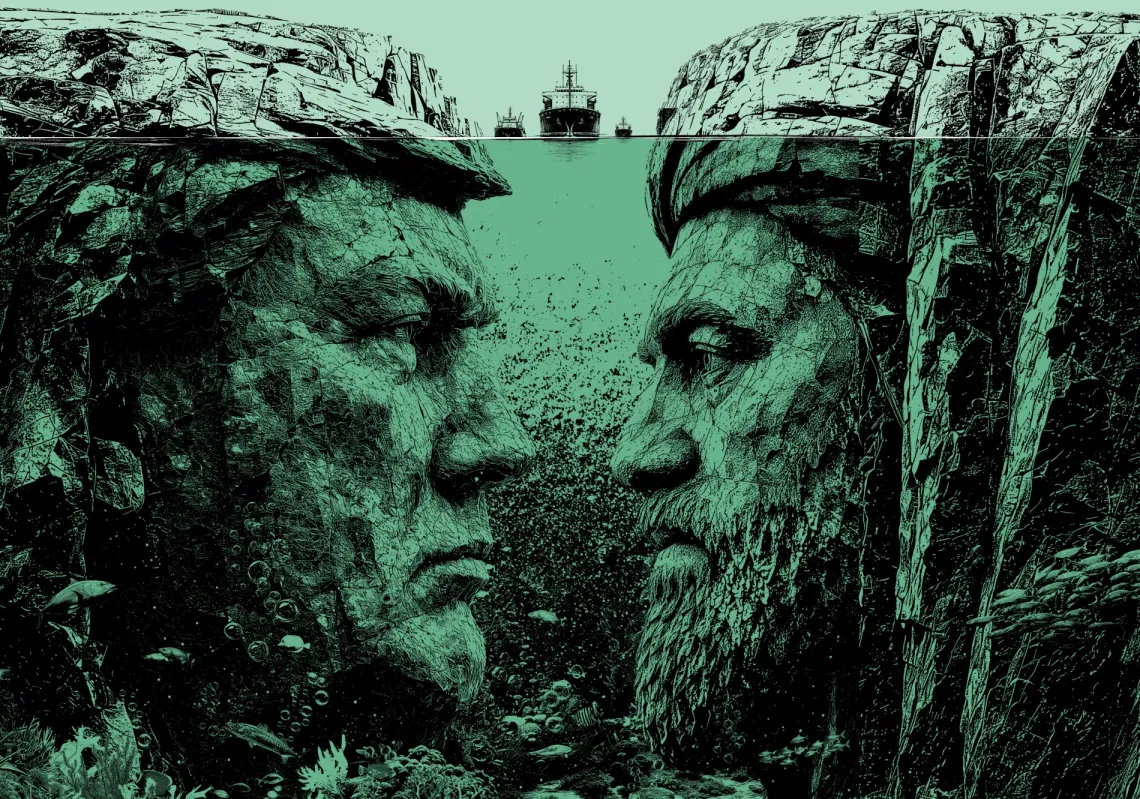
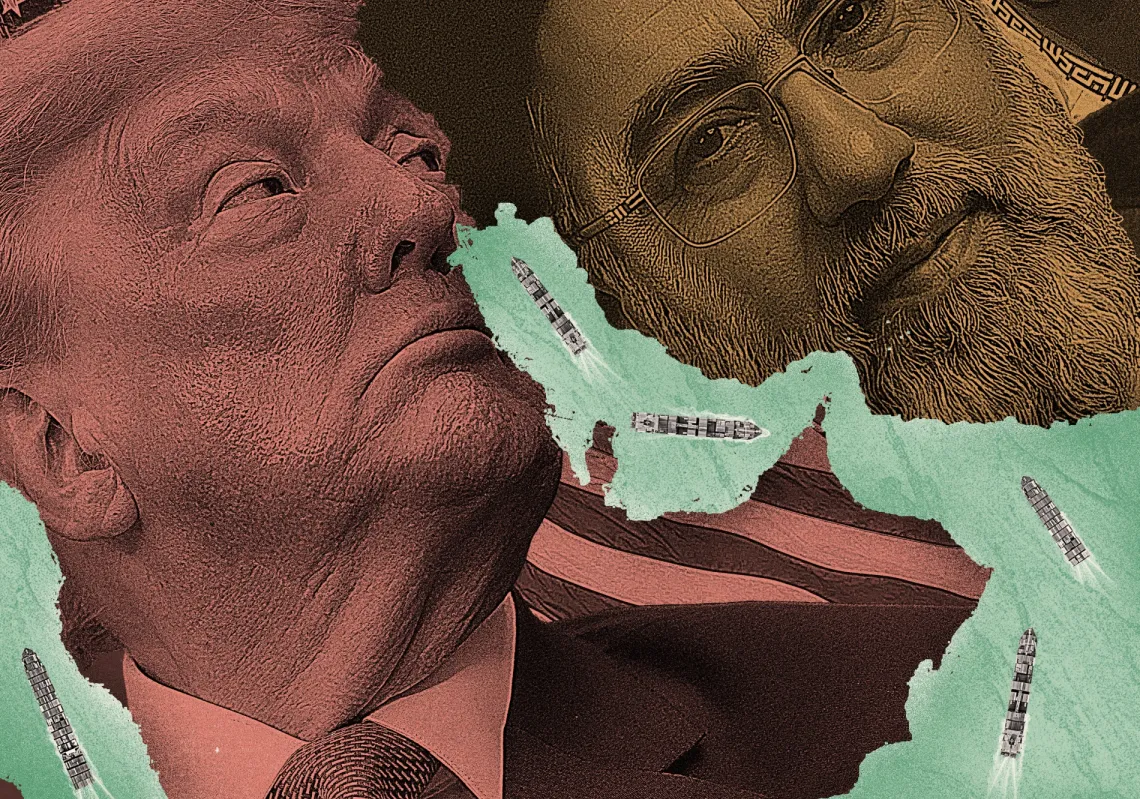
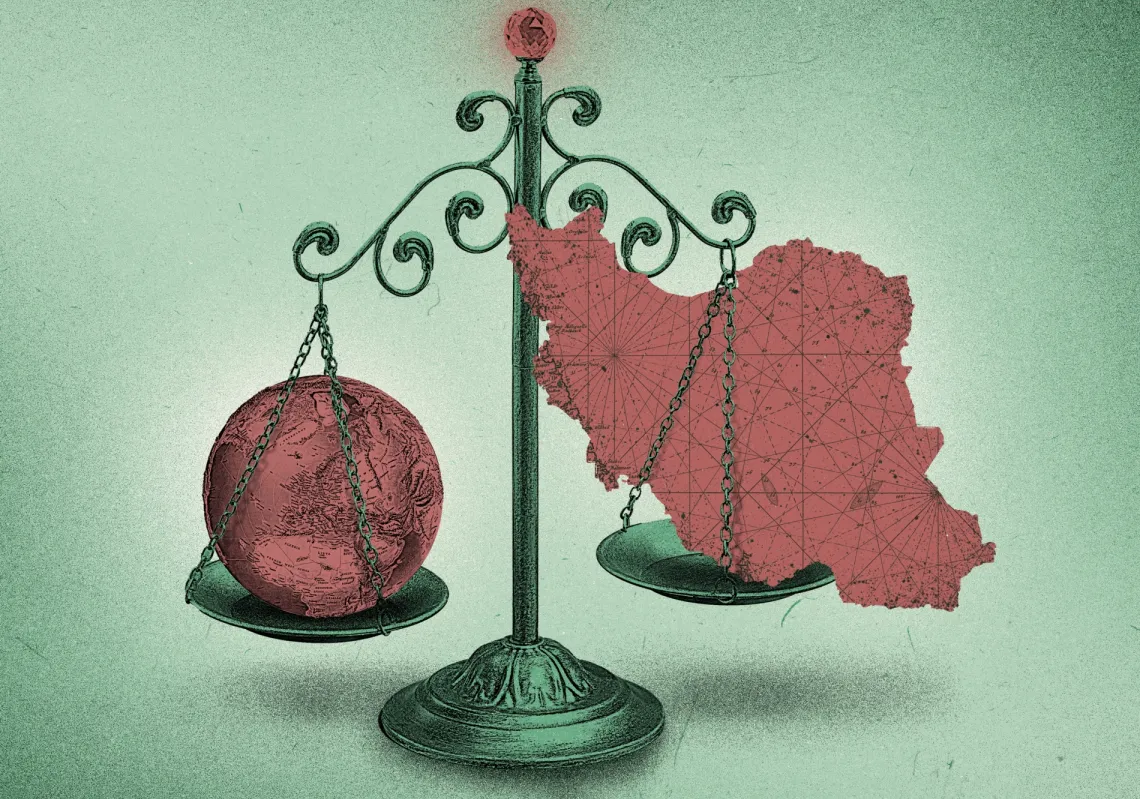
Military strategists have long warned that war should be waged only if those waging it know what they want to achieve. Herein lies a problem: Washington's war aims in Iran are incoherent.
Tehran isn't likely to easily fold if/when Trump attacks. This means that the longer a military confrontation drags out, the more untenable Washington's position becomes.
The conflict has forced Russia to scale back its global footprint and NATO to boost its defence spending. Meanwhile, China and Middle powers have emerged as key beneficiaries.
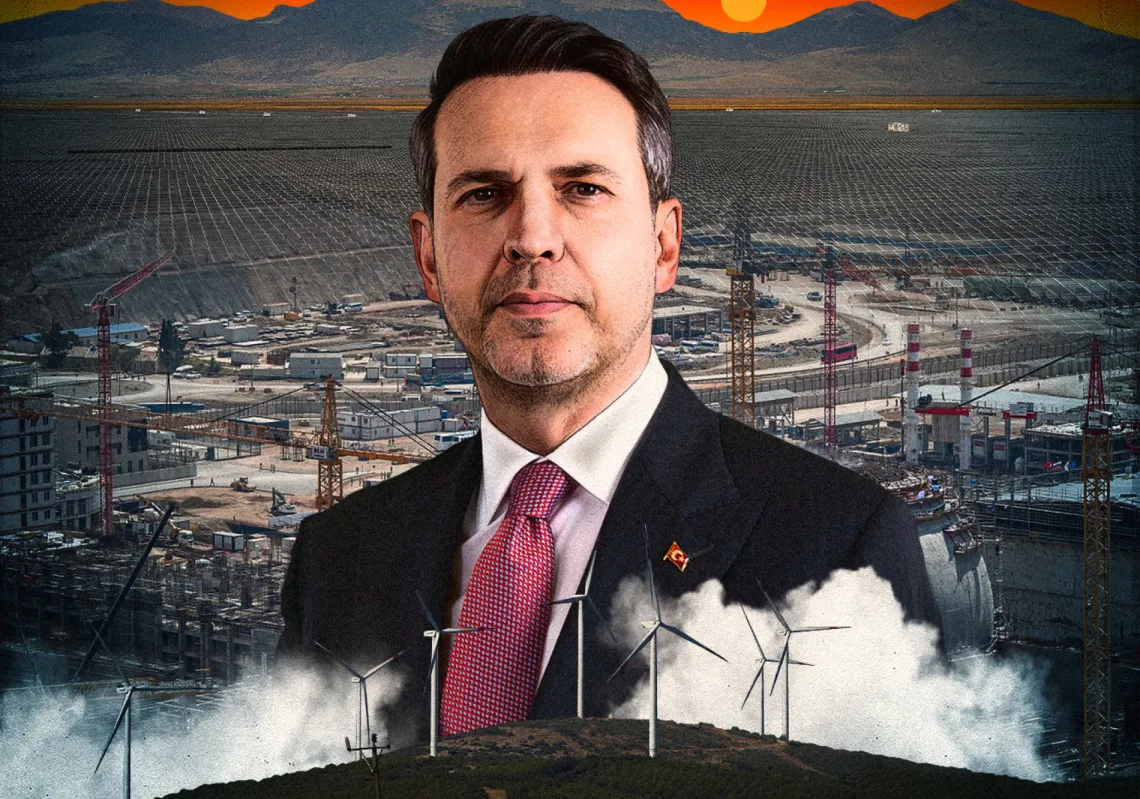
Natural resources like solar, wind, and water are set to provide 36% of global electricity production this year. Even for sceptics like Donald Trump, the trends are unmistakable.
Some point to his possible links to Mossad through his associate Ghislaine Maxwell, whose father was a known Israeli spy, and assert that he blackmailed powerful figures to exert influence
Al Majalla - London
Sign up for the Weekly Newsletter
Get the best of Al Majalla, straight to your inbox.