Veteran Lebanese journalist Nada Abdelsamad transports readers back to the time when Beirut's Jewish quarter, known at the time as Wadi al-Yahud, was thriving
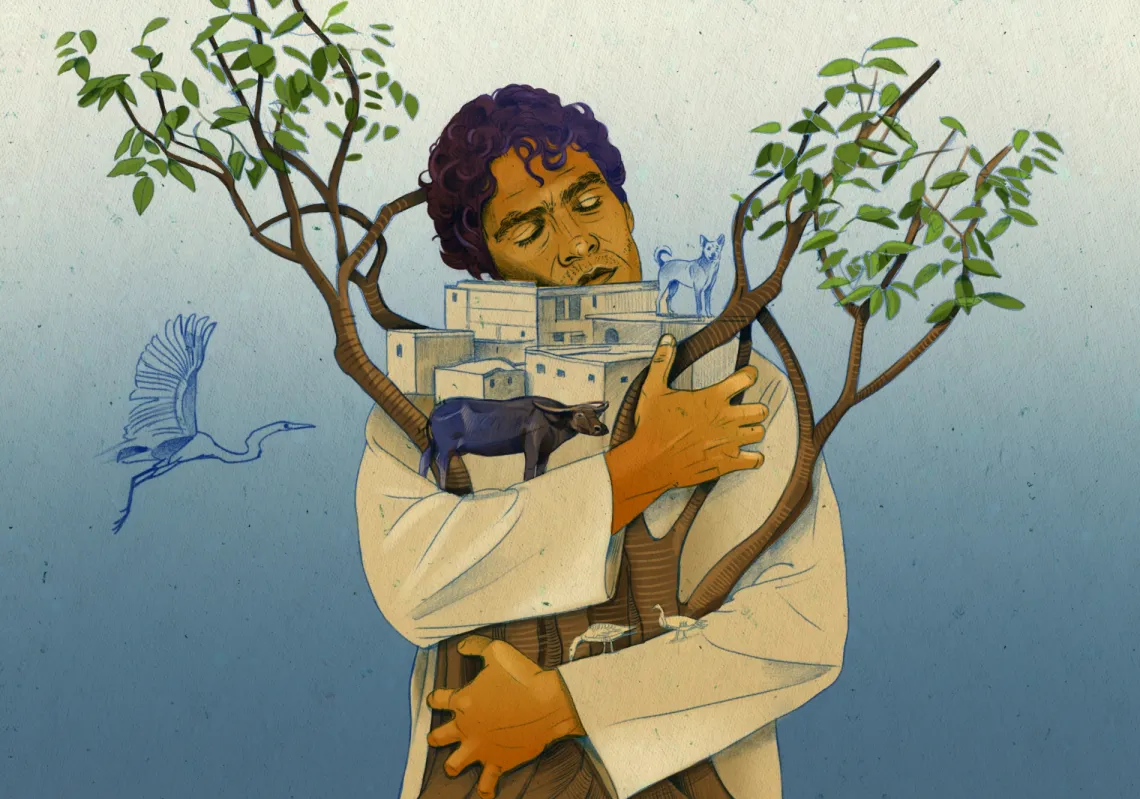
Indian author Ruchir Joshi discusses his 920-page reimagining of 1940s Calcutta, its mosaic structure, and the enduring roots of violence and division that continue to shape the present
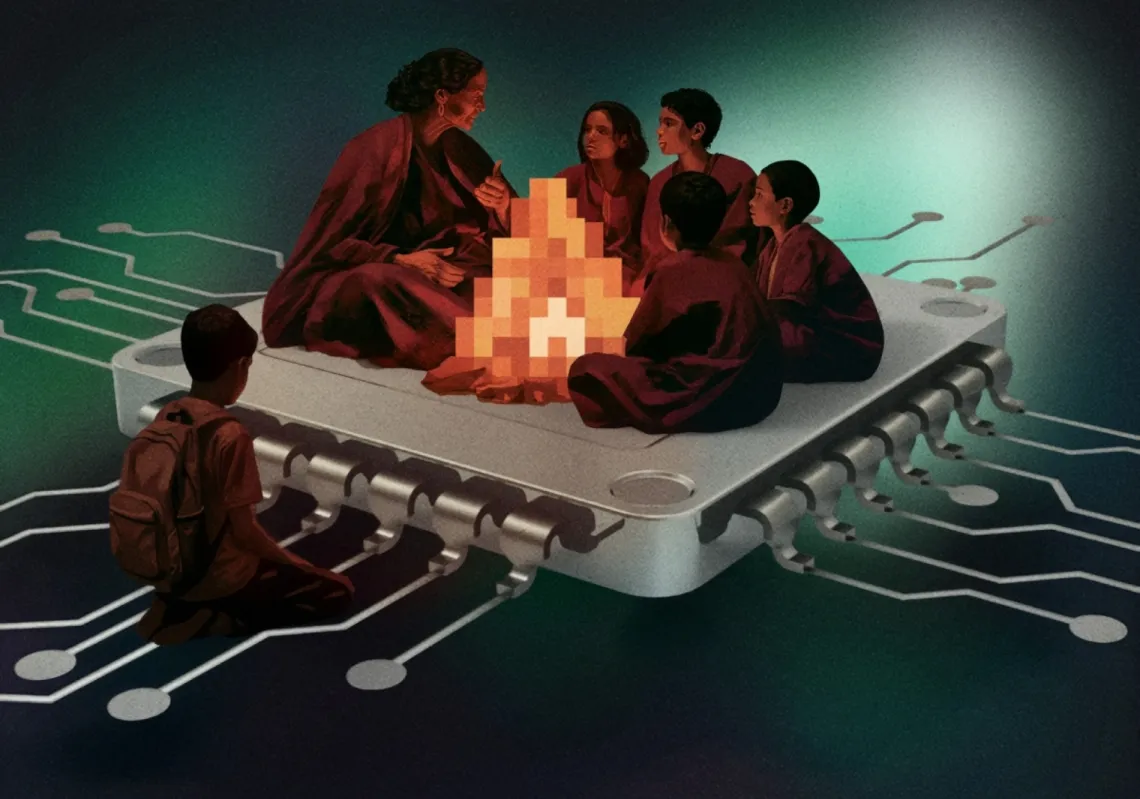
There are plenty of opportunities to showcase Arab heritage, literature, and culture around the world, but as this special report shows, they are not being fully seized
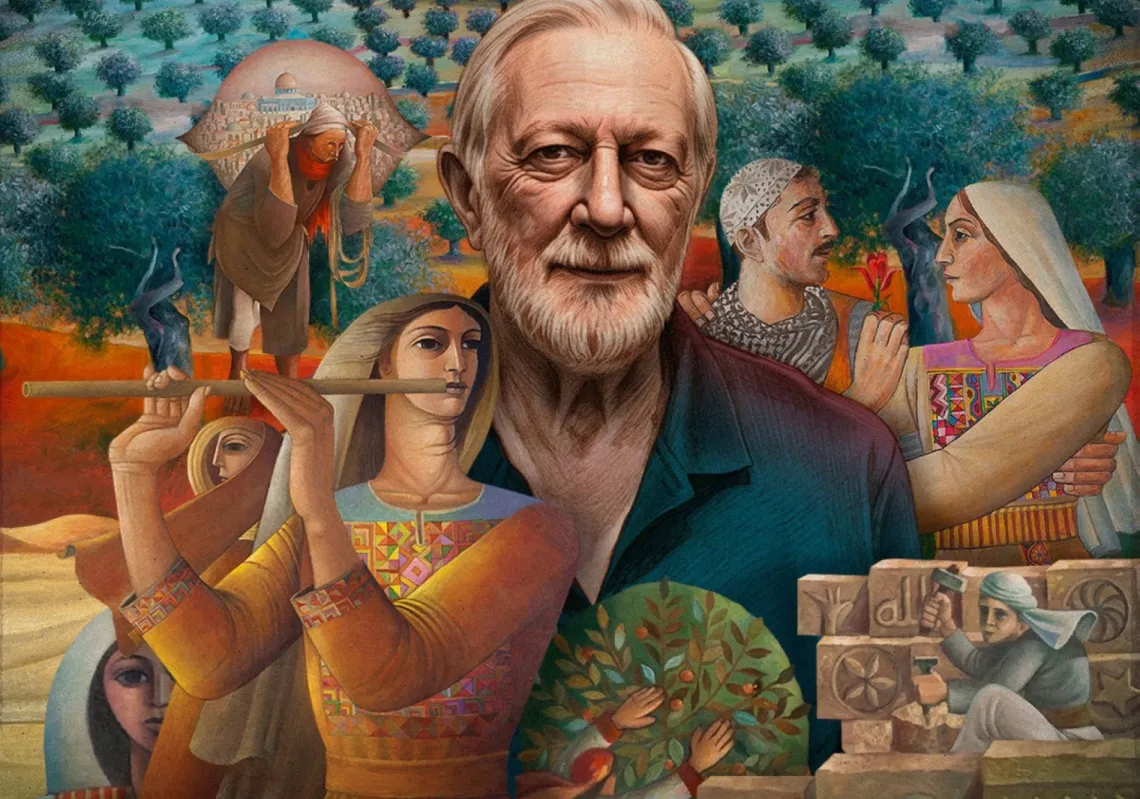
Palestinian novelist Nader Rantisi has spent years tackling weightier themes, from history to identity, while also examining the mundane aspects of everyday life
Chloé Zhao's Hamnet enters the awards season adorned with prestige, affirming its place among this year's most anointed films. Yet beneath the acclaim lies a curious emotional hollowness.
In her debut work, 'The Metamorphoses of Medusa', Belgian-Lebanese poet Racha Mounaged reworks Greek myth through marine science, translation, and political reflection
Faris Al-Muhanna dreams of one day creating a digital archive to safeguard the history and memory of Lebanon's most iconic artist for future generations
Whether to legislate against Under-16s accessing a big part of contemporary society is a complex question involving law, technology, privacy, rights, and the nature of a child's development
The Australian physician-turned-novelist of Chinese descent talks about her latest critically-acclaimed novel, 'The Burrow' and why she regrets not speaking Cantonese
The standoff in the Hormuz is not simply a question of whether Tehran can survive economic pressure, but whether Washington can sustain the pressure at an acceptable cost.
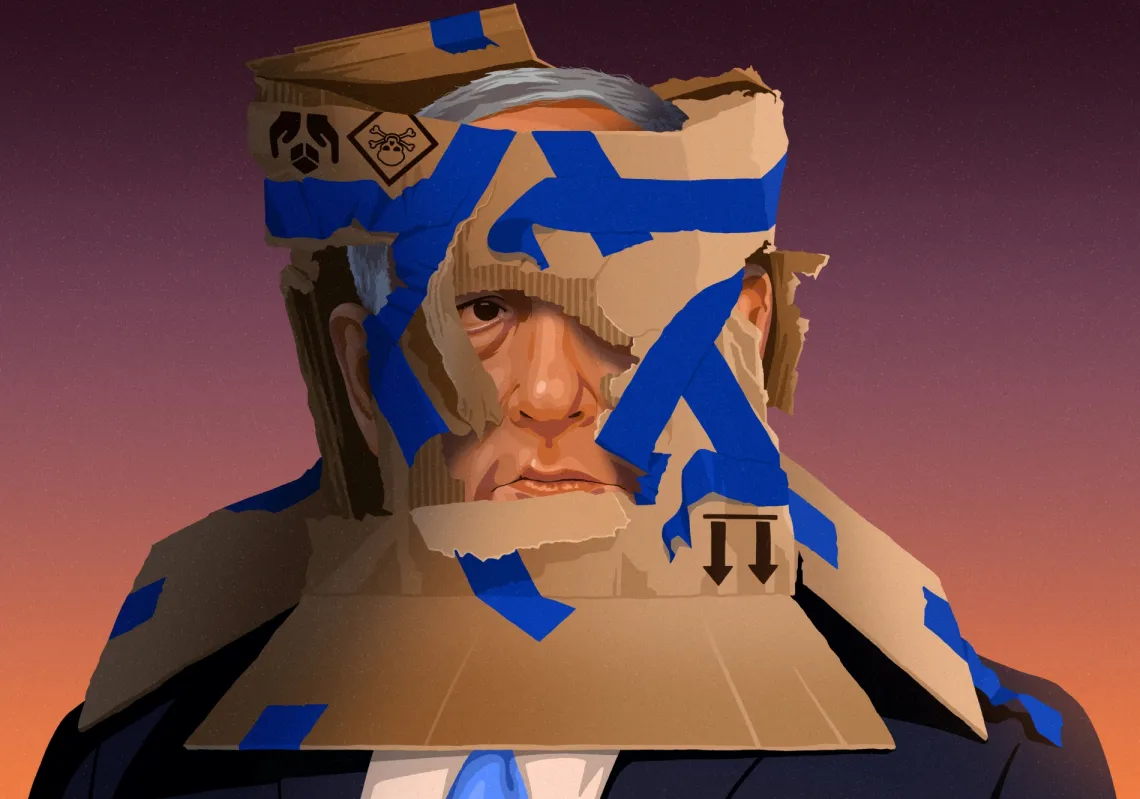
Many Israelis actually believe that they lost the war, with opposition leader Yair Lapid accusing the Israeli premier of having led the country into "strategic collapse and diplomatic catastrophe"
The Strait of Hormuz is now poised to become the primary arena of confrontation, with Iran relying on speedboat-driven guerrilla warfare to confront the US navy.
Former regime soldiers are stuck in limbo, as their undocumented status prevents them from working, travelling, and curbs family members' access to education, healthcare and social services