The Yemeni novelist and computer science professor speaks to Al Majalla about science, uncertainty, and the role of fiction in questioning inherited narratives of progress
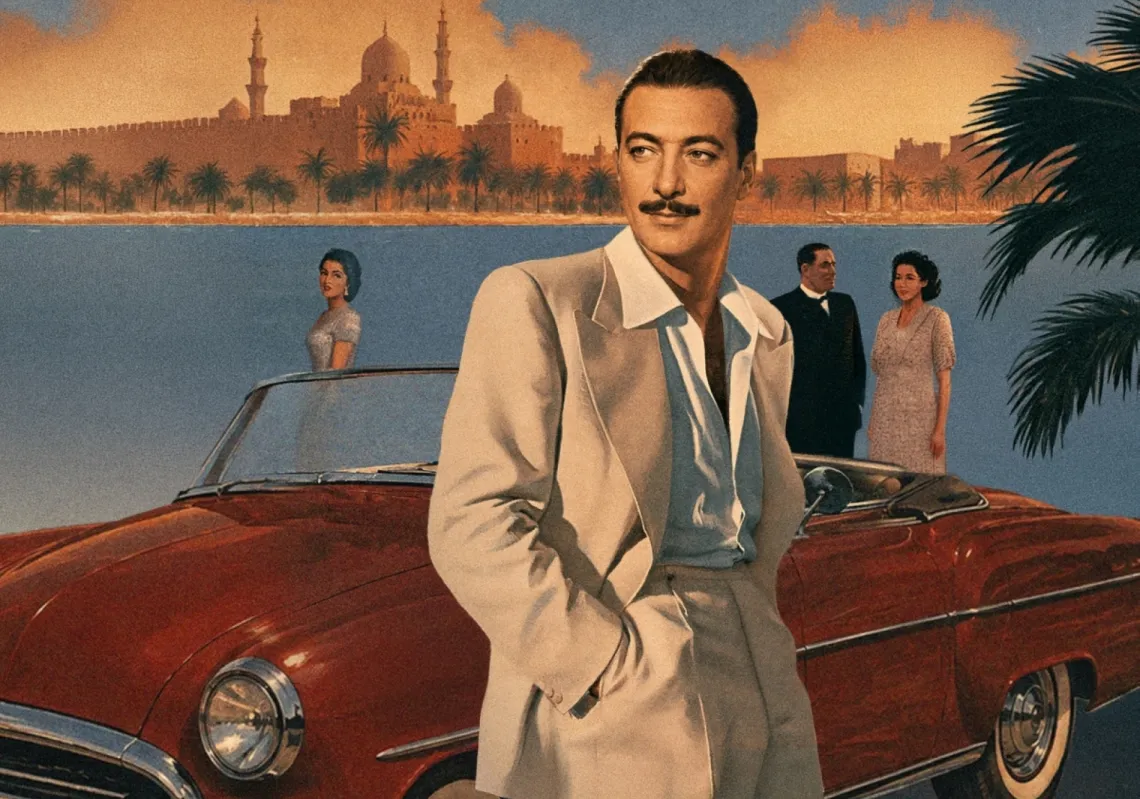
Al Majalla interviews the Lebanese writer about his new award-winning novel on his life in Paris and how living in the French capital shaped his intellectual formation
Weighed down by tragedy and mental health issues, she is known for being one of the most unique Scandinavian voices of the 20th century. Al Majalla looks back at her life 30 years after her passing.
Iraqi sculptor's epic wall-mounted installations evoke the destruction of Aleppo and Mosul, displayed in Beirut in the shadow of ongoing genocide in Gaza.
In an interview with Al Majalla, the Iranian writer and translator explains why he learned Arabic, its similarities and differences with Farsi, and how politics can stifle creativity
The famed painter (1869-1954) found both himself and the inspiration he needed in two visits to Tangier in the early 20th century, the effects of which are still very evident.
Mohammad Qundus uses the fragments of former lives in his latest exhibition that seeks to reaffirm the Palestinian presence of today and its connection to the past
Last year's 12-day war with Iran was ostensibly aimed at its nuclear programme. This time, the regime is significantly weakened, presenting an opportunity Israel may feel it can't miss.
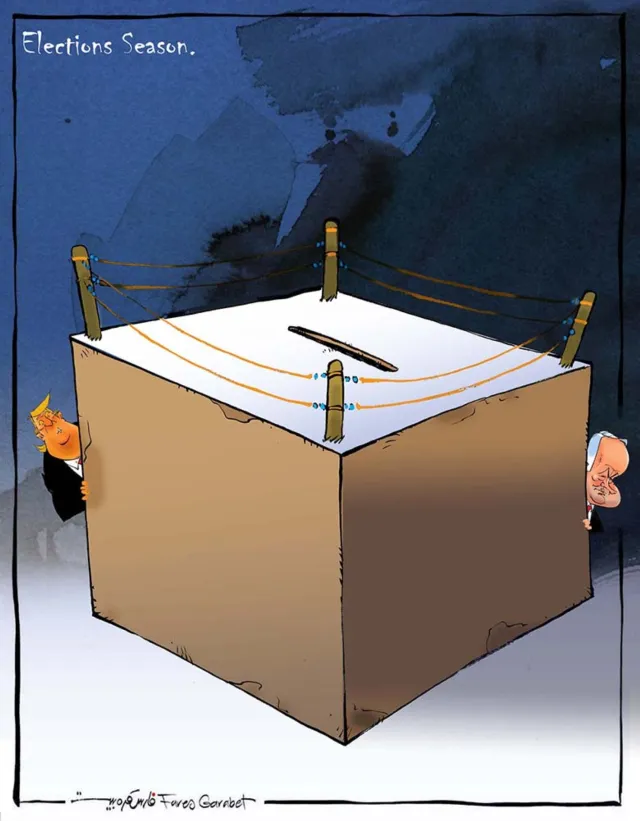
Pressure builds on Venezuela after Trump appoints himself 'acting president'. With Colombia, Mexico and Cuba seemingly also in the line of fire, they will be closely watching what happens in Caracas.
It remains unclear if Damascus's move to kick the Kurds out of Aleppo will pressure the SDF to implement the 10 March deal to integrate its forces into the Syrian army or harden its resolve to resist
The UAE backs southern Yemenis who want secession, while Saudi Arabia wants a unified Yemen. Egypt also favours unity, but is close to both Gulf states, putting it in a difficult position.
Recently declassified meeting minutes between the two leaders show how Washington was well aware of Moscow's grievances over NATO expansion, but went ahead anyway