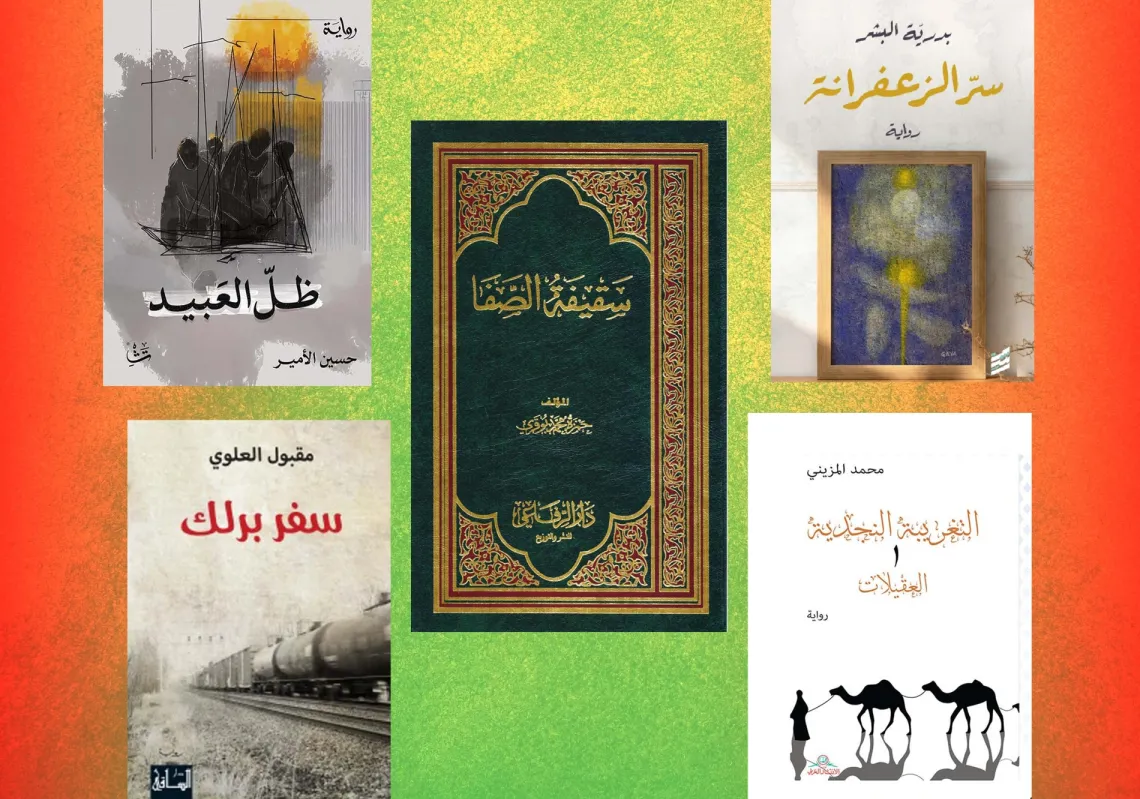
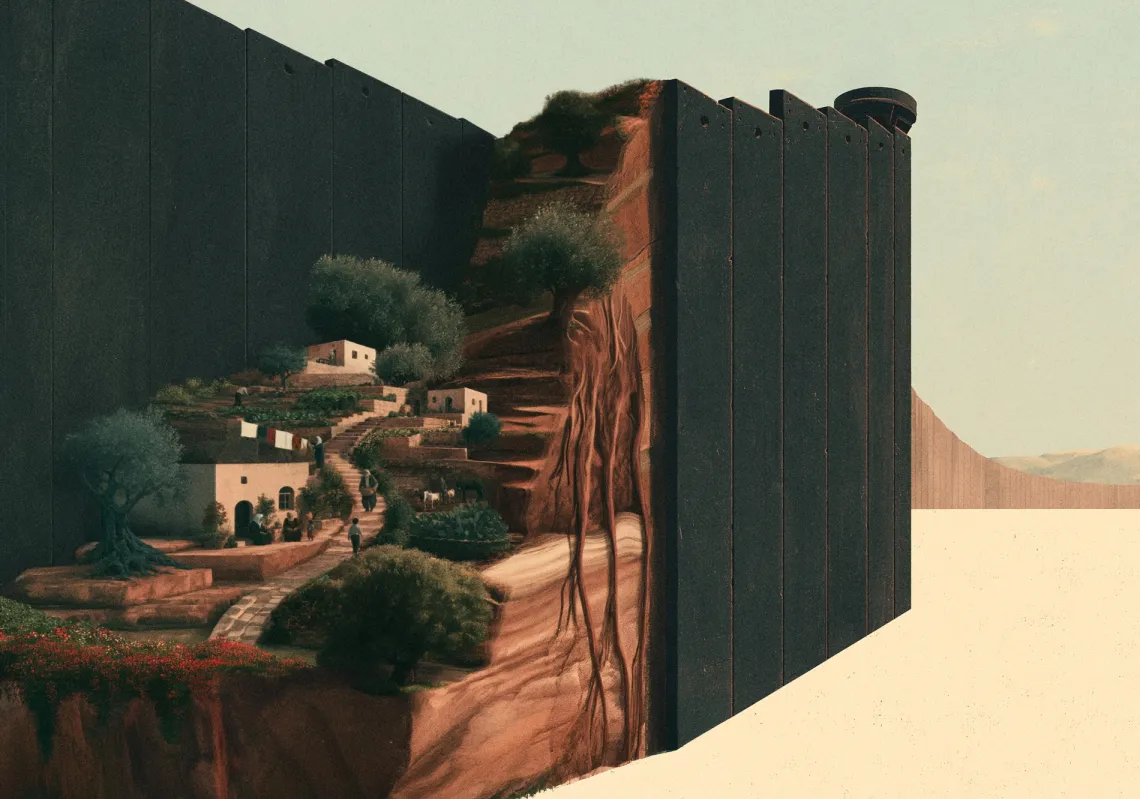
It grasps the logic of an earlier age from within, reveals how power works through language and conduct, and shows how justification enters common speech and obedience settles into habit
Indian author Ruchir Joshi discusses his 920-page reimagining of 1940s Calcutta, its mosaic structure, and the enduring roots of violence and division that continue to shape the present
There are plenty of opportunities to showcase Arab heritage, literature, and culture around the world, but as this special report shows, they are not being fully seized
Palestinian novelist Nader Rantisi has spent years tackling weightier themes, from history to identity, while also examining the mundane aspects of everyday life
Chloé Zhao's Hamnet enters the awards season adorned with prestige, affirming its place among this year's most anointed films. Yet beneath the acclaim lies a curious emotional hollowness.
In her debut work, 'The Metamorphoses of Medusa', Belgian-Lebanese poet Racha Mounaged reworks Greek myth through marine science, translation, and political reflection
Faris Al-Muhanna dreams of one day creating a digital archive to safeguard the history and memory of Lebanon's most iconic artist for future generations
Disruption in the Hormuz can have major implications for global trade, but it also creates opportunities for smaller nations like Iran to become global political players
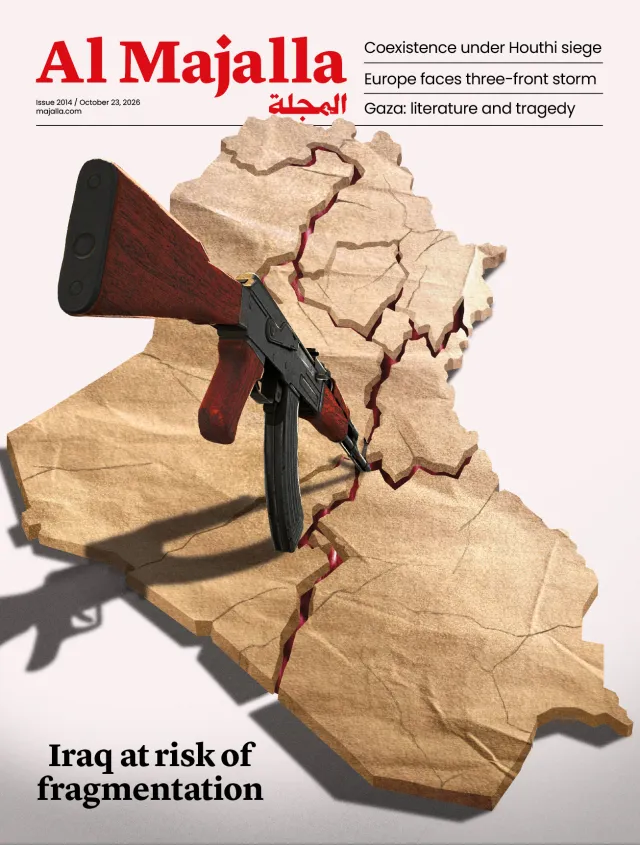
The Iraq war was viewed as disastrous in retrospect, while the Iran war was unpopular from the get-go. Al Majalla highlights the similarities and differences between the two.
Pipelines have a chequered history in the Middle East, but the closure of the Strait of Hormuz has led US Tom Barrack to conclude that a new route through Syria could solve some problems.