Borrowing to offset potential shortfalls in oil revenues will likely remain an important part of Gulf governments' financing strategies in the coming years
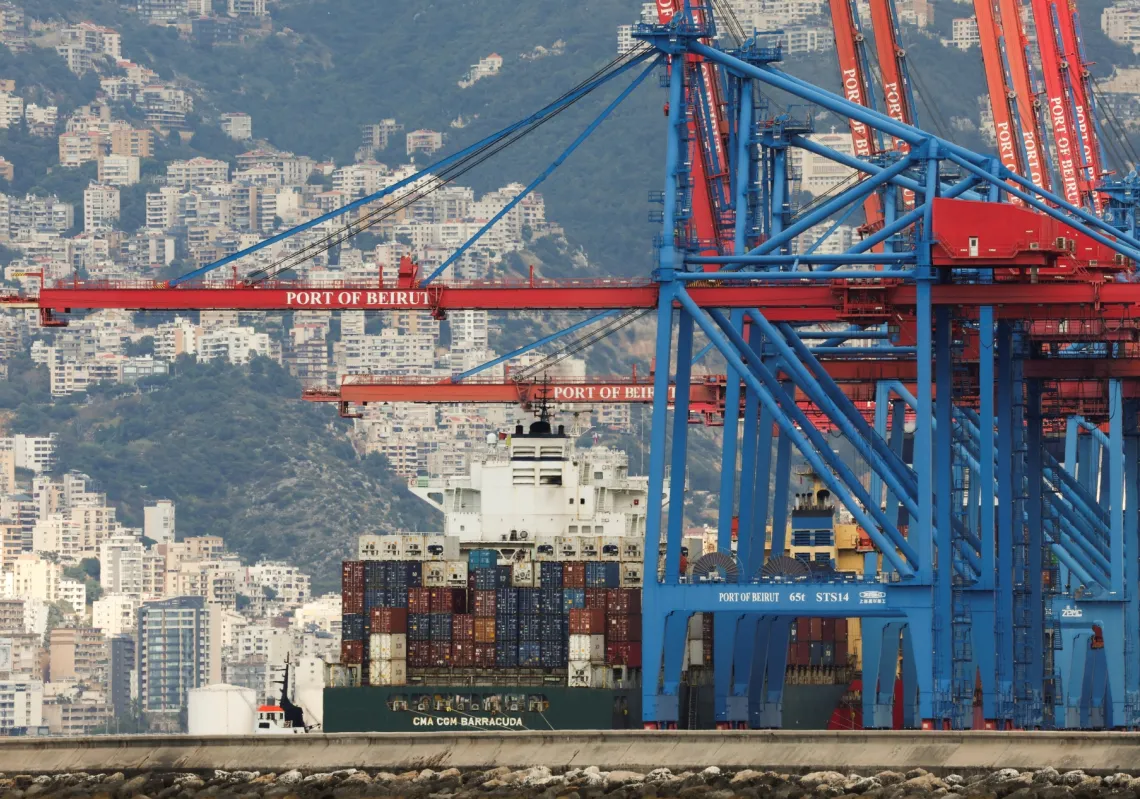
Proponents of a peace deal argue that by reducing security risks with Israel, Lebanon can move from a volatile frontier market into a regional hub much like the UAE.
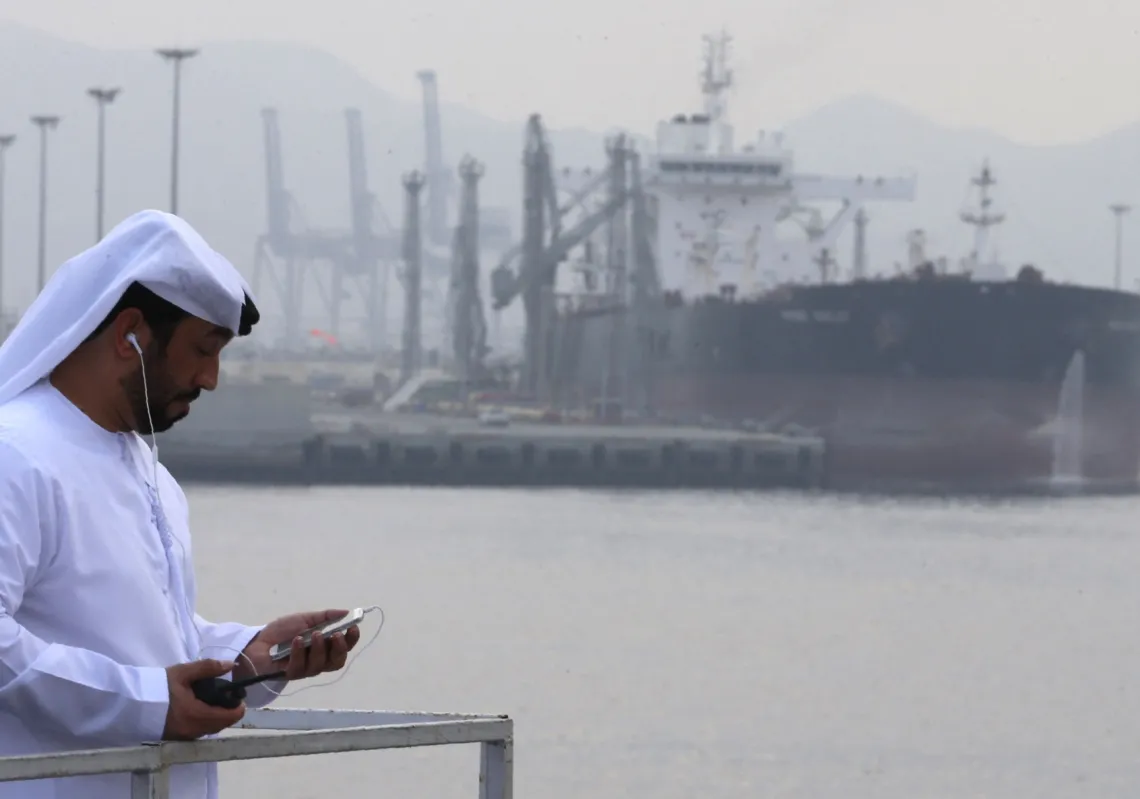
When ships leaving Iran's ports are seized, oil buyers are hurt, as well as every stakeholder in the chain, making countries more reluctant to do business with Tehran
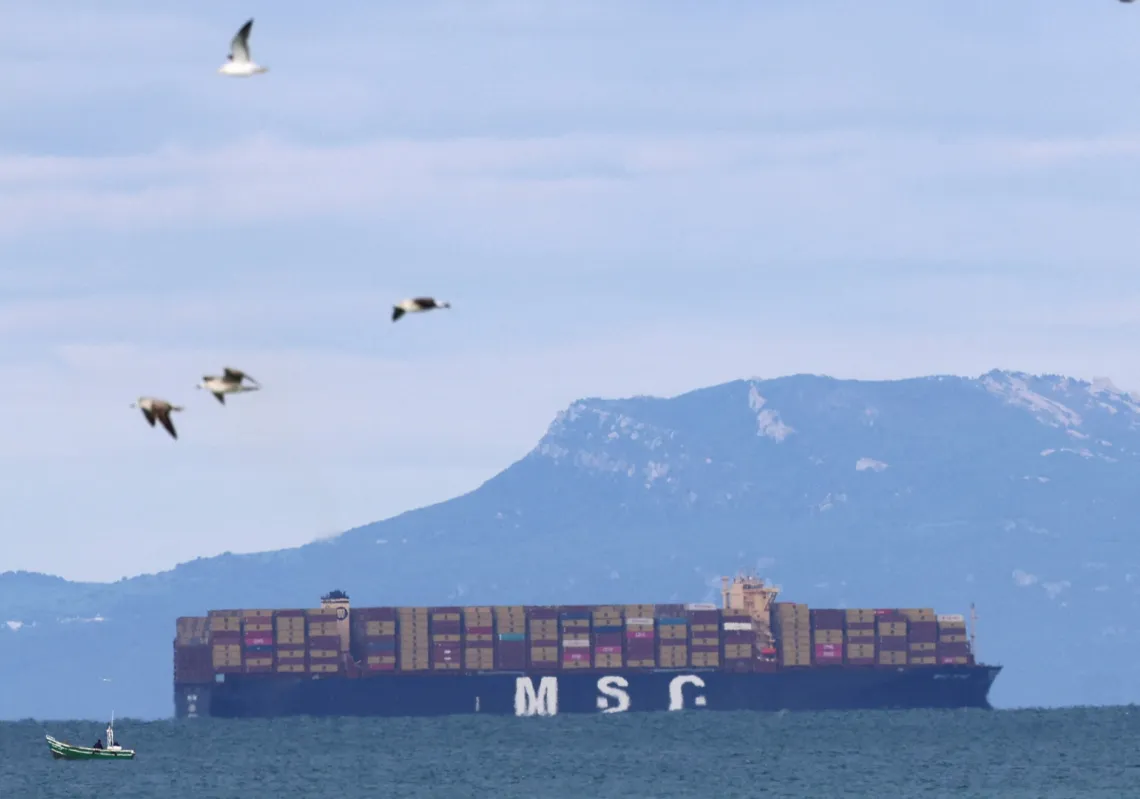
As Middle Eastern maritime waterways come under increased threat, a strait linking the Mediterranean Sea with the Atlantic Ocean shines through for its reliability
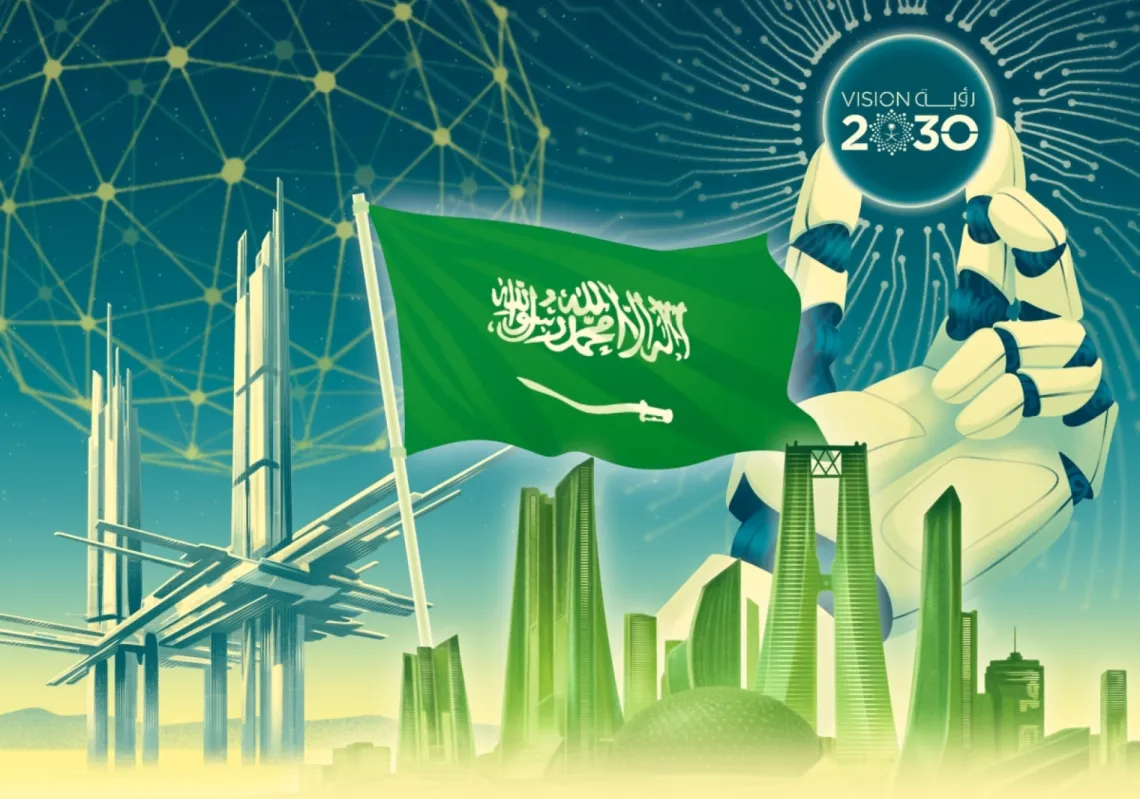
In most key performance areas, targets are being met, but there is still work to do over the next few years to move the Saudi economy away from oil toward a more sustainable future.
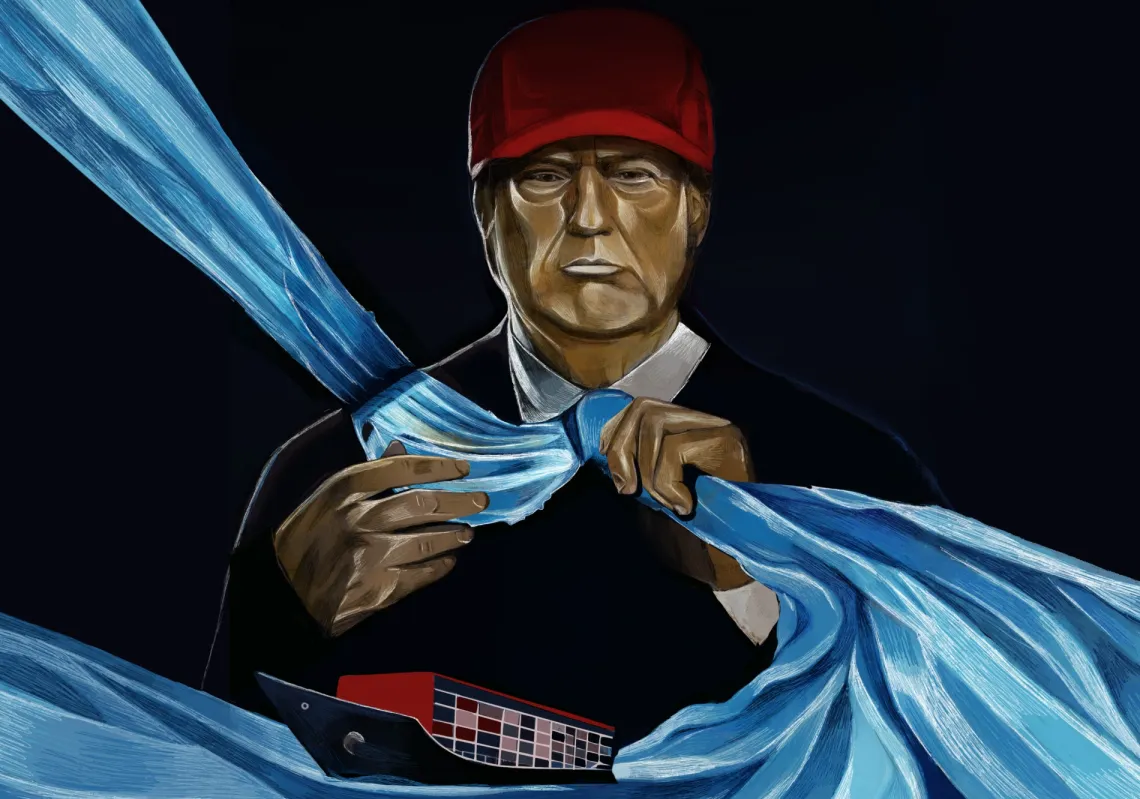
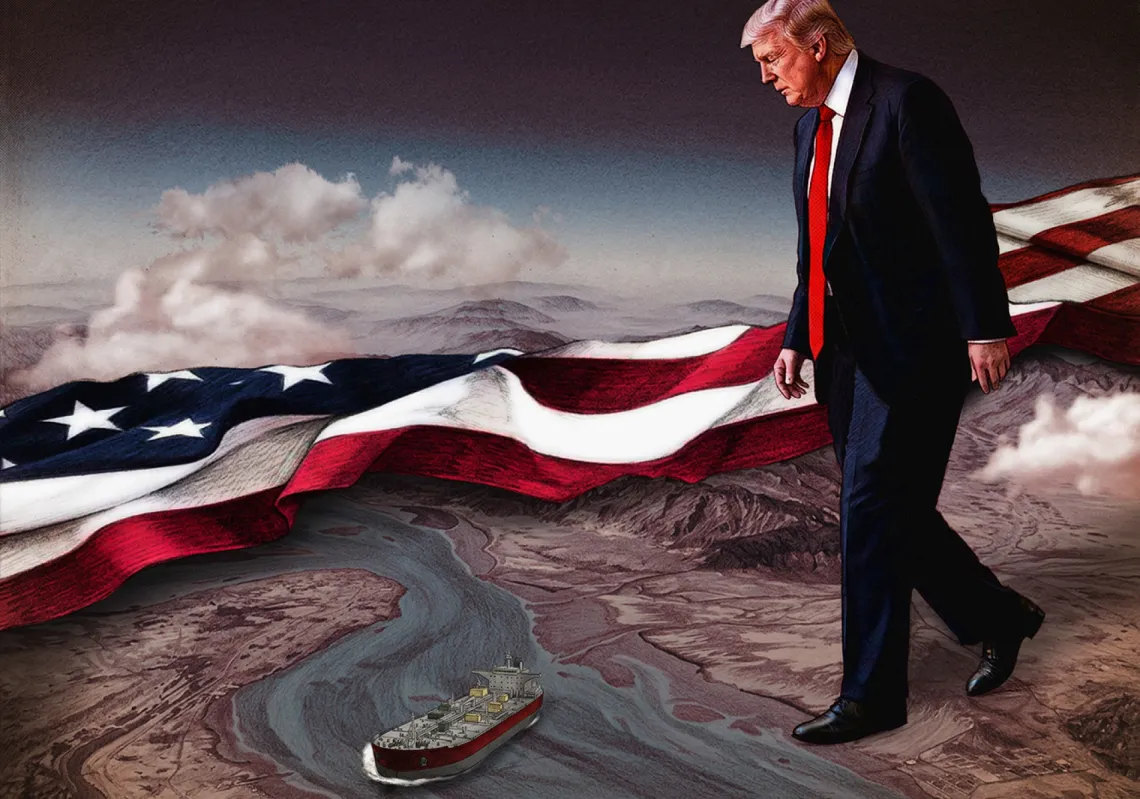
The standoff in the Hormuz is not simply a question of whether Tehran can survive economic pressure, but whether Washington can sustain the pressure at an acceptable cost.
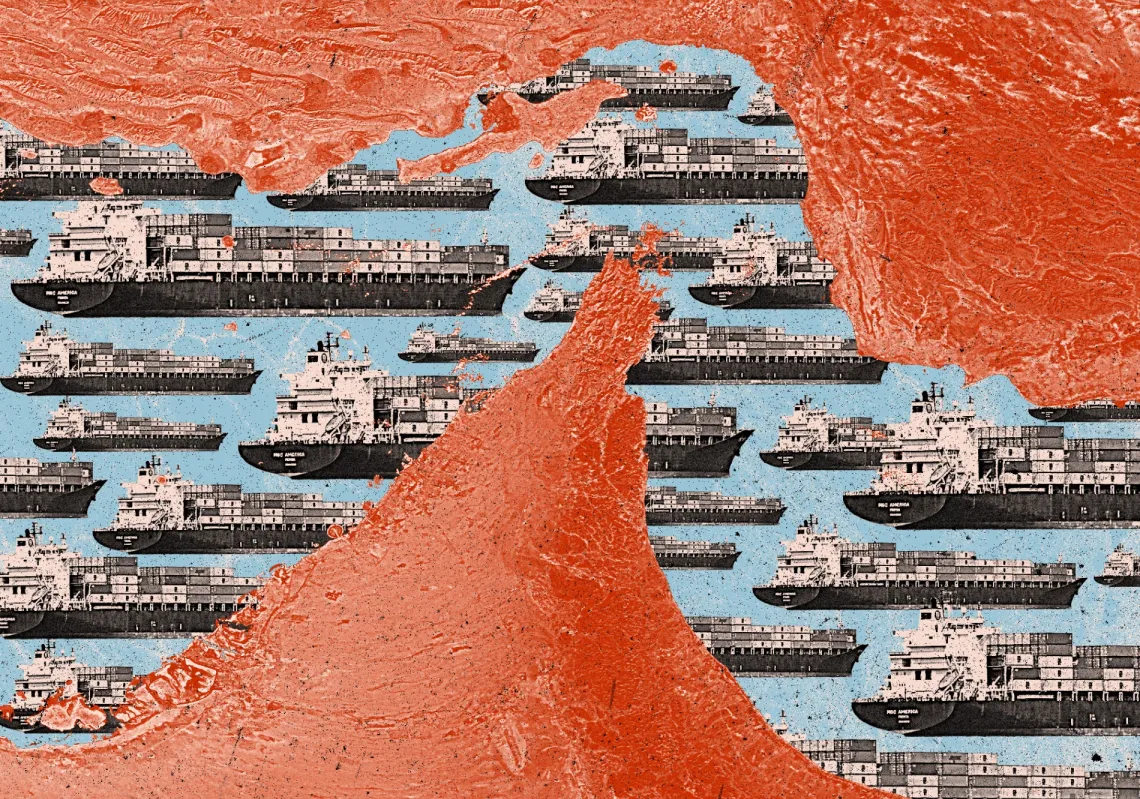
Closing the Strait of Hormuz has shown how the Gulf should shift from an oil-export model to a digital and distribution hub. Will this trigger the long-delayed free trade agreement with China?
Al Majalla examines this changed landscape—from Israel's domestic political scene to its external ambitions, where it occupies large swathes of new territory in the West Bank, Lebanon and Syria
From Gaza to Egypt, Lebanon, Morocco, Jordan, Iraq, and Algeria, this year's Arab Oscar submissions explore stories of conflict, displacement, memory, and survival