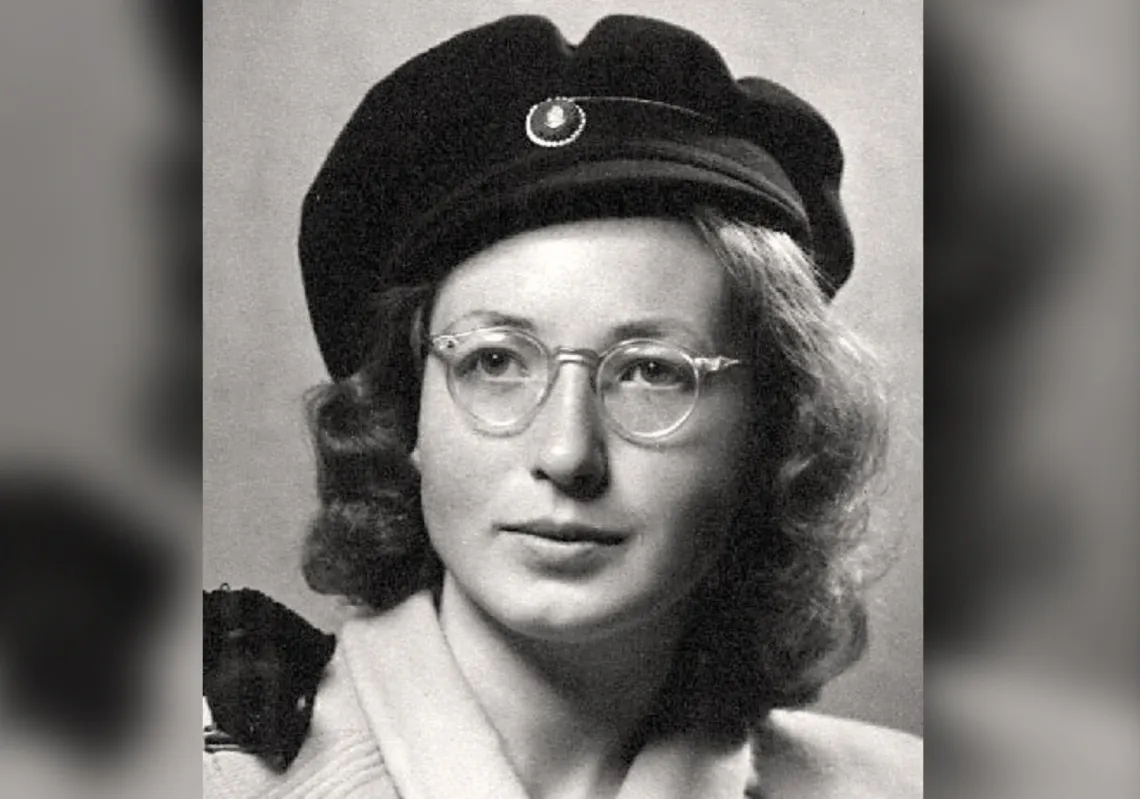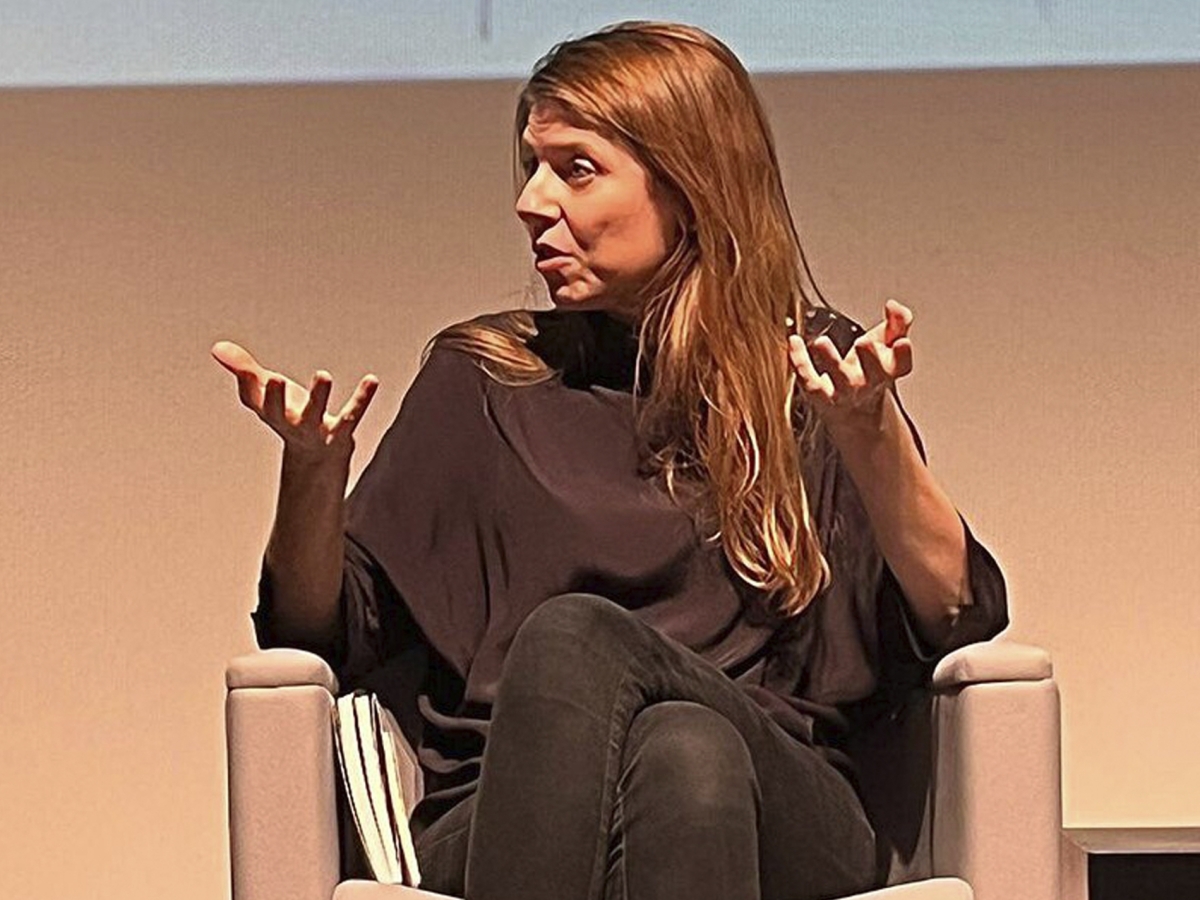

It was a moment of both recognition and resonance when Spanish poet Miriam Reyes found out recently that she had been awarded the 2025 National Poetry Prize for her latest collection, Con.
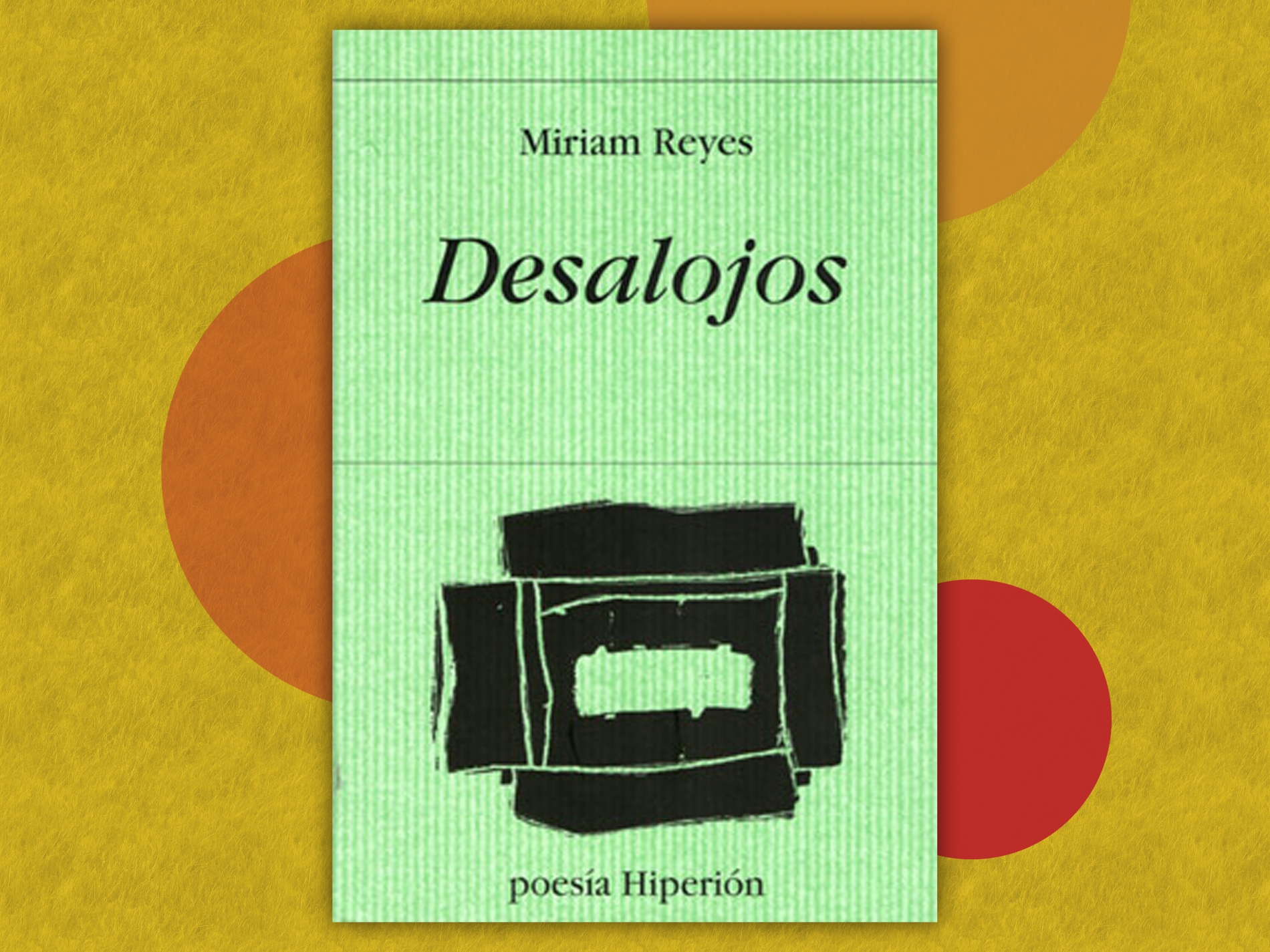
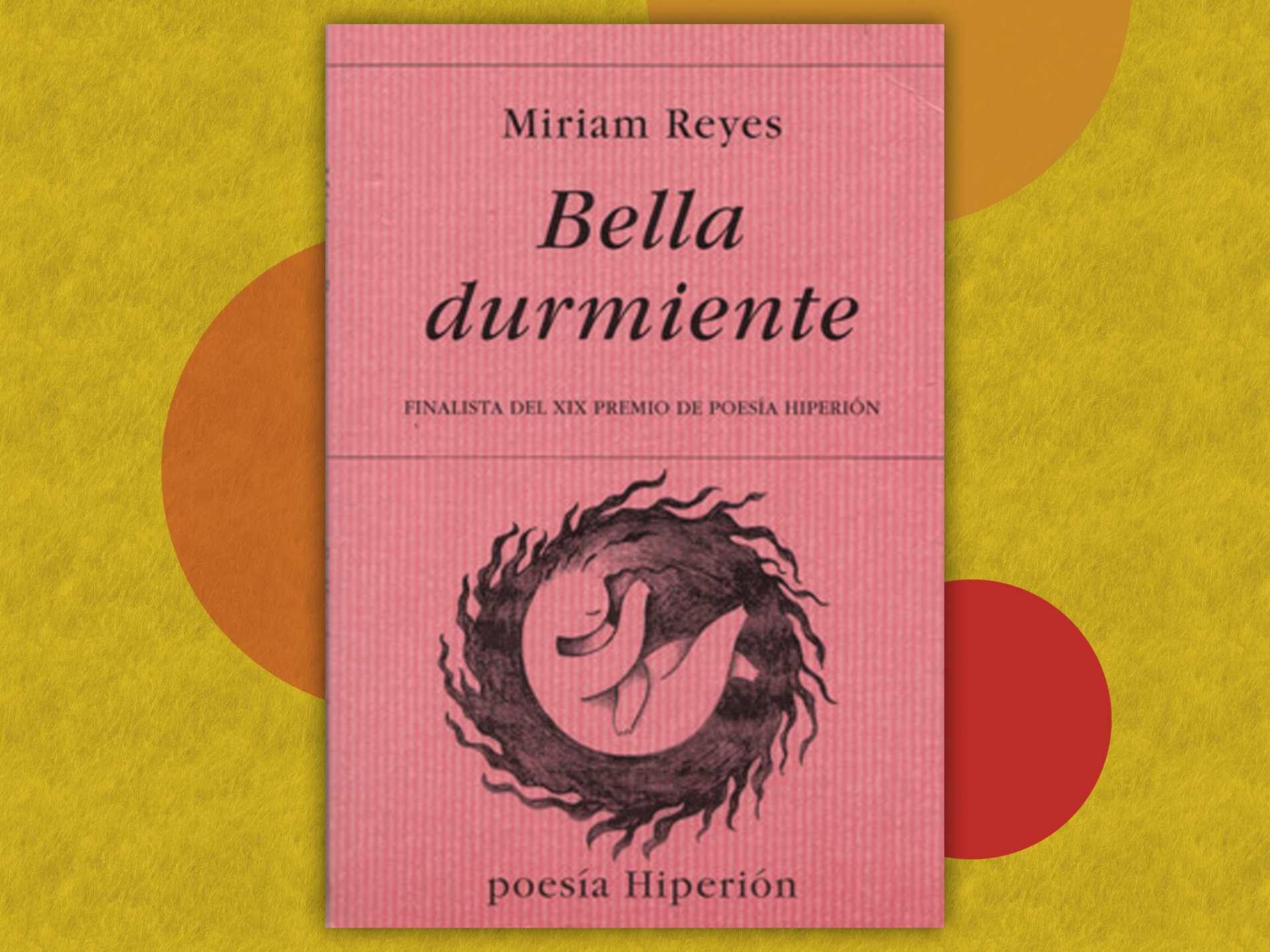
The work of Reyes has always pulsed with urgency and precision, her poetry dwelling in tensions, such as between voice and silence. It was more than two decades ago that literary critic Túa Blesa first recognised her quality, describing her collection Sleeping Beauty as “biographical writing that forcefully bears the depth of truth” in 2004. Like others since, he felt that the voice of Reyes could be easily categorised or contained.
Born in Galicia in 1979, she has become one of the defining poetic voices of her generation. She uses not just language but sound, imagery, and movement, a visual artist working in the expanding field of digital poetry, fusing disciplines without blurring her message. Her work engages with questions of identity, belonging, exile, and desire, using a vocabulary that is both intimate and defiant.
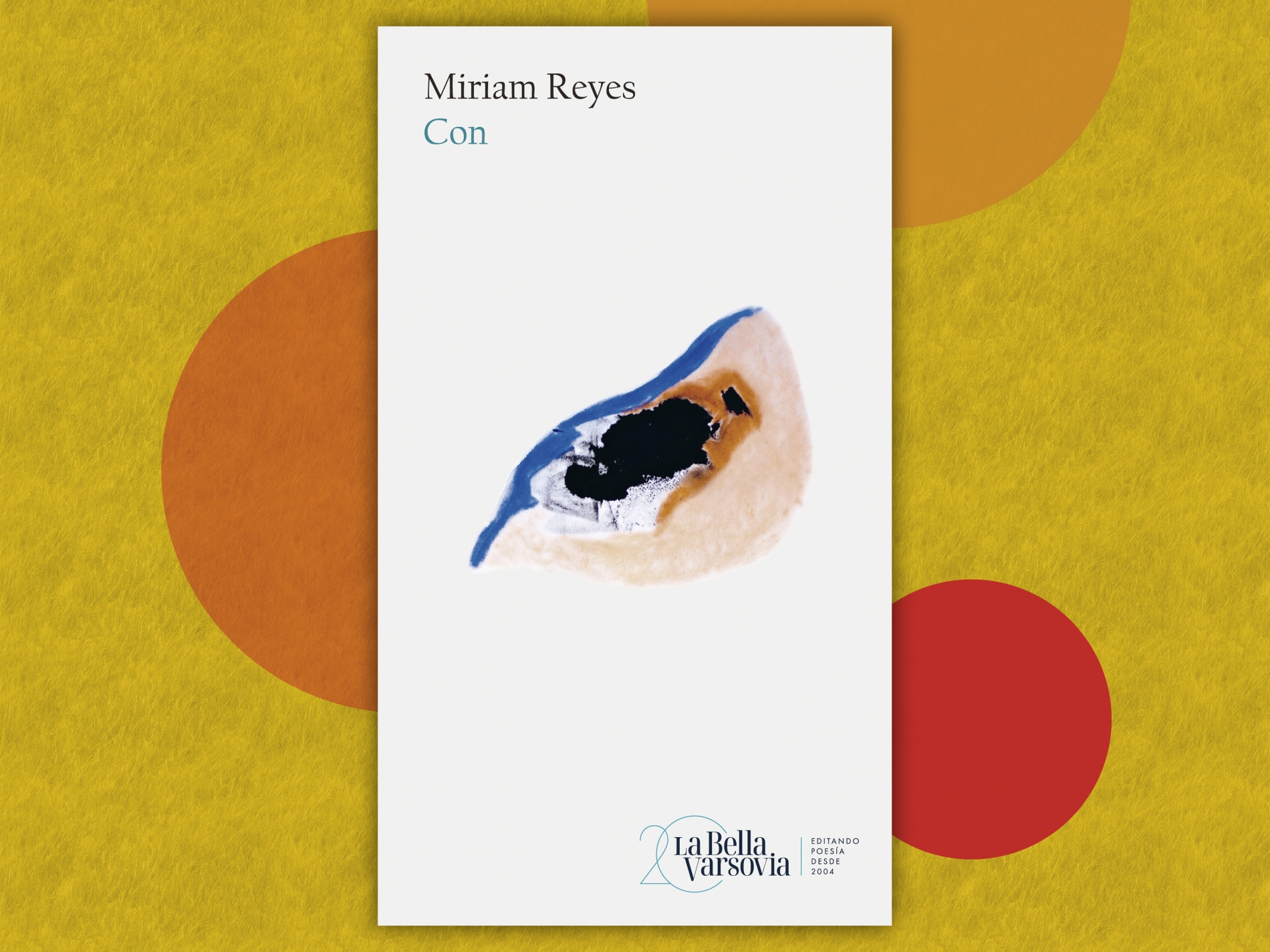
Con, published in 2024 by La Bella Varsovia, earned her the 30,000 Euro prize and made her one of only eight women to receive the award. Speaking to Al Majalla, Reyes said: “I’m still in shock. Well, maybe it’s not exactly shock, but that’s how it felt to me. It’s the highest prize one can receive for a poetry book in Spain. I feel proud and deeply grateful.”
Spanning the Atlantic
Reyes was eight when she and her family left Galicia for Venezuela. She studied literature at the Central University in Caracas, a city that shaped her early years and early writing. At 21, she returned to Spain and settled in Barcelona, where she studied Spanish literature. It was a time of personal development and creativity. “That’s when my first poems were born, and my poetic voice began to draw from two distinct cultural sources, despite sharing a language. I was also deeply influenced by the Galician migration traditions and culture in Caracas.”
Galicia’s ties to Venezuela run deep. For over a century, waves of migration carried Galicians across the Atlantic. Economic hardship, poverty, and political uncertainty were often drivers. Venezuela, with its financial prospects and cultural familiarity, became a land of hope. In cities like Caracas, Galician voices echoed in markets and cafés, in homes and public squares. It was a diaspora that preserved its roots even as it branched into something new.
For Reyes, this duality of origin and return, departure and belonging, never resolved itself into a simple identity. It remains a source of both tension and richness, from which her poetry draws power. “Identity is fluid,” she says. “It is always in transformation. Sometimes, the feeling of not belonging is painful. Other times, it is liberating.”
The body remembers. From her earliest work, Reyes placed the body at the centre of her poetic inquiry. For her, it is both a site of memory and a witness to pain. In The Black Mirror, her first collection published in 2001, she writes: My body hurts, as if it remembers in my place; My body hurts, as if it isn’t mine. Written in Caracas, it resonates with displacement and internal fracture. The body becomes a container for history, a speaker of unspeakable truths.
In Sleeping Beauty, she extends this exploration further, writing: I have no homeland, I have no language, I have no body that knows its place. This is not erasure but defiance, refusing the comfort of fixed borders. Her identity unfolds not across maps, but across lines of verse, her language more closely resembling a terrain. Reyes does not seek refuge in poetry. Rather, she builds a world with it, one where contradiction becomes beauty and fracture becomes form. Her voice carries the weight of exile and the clarity of return.
Influences on style
Reyes speaks of her early reading years with a kind of reverence. Her first literary encounters were with theatre—Shakespeare, Lorca, Lope de Vega, forming a sensibility that would later expand in many directions. Her influences include Albert Camus, Marguerite Duras, Clarice Lispector, Sylvia Plath, Alejandra Pizarnik, Rainer Maria Rilke, Fernando Pessoa, Anna Akhmatova, Osip Mandelstam and others.
This expansive list reveals a poet deeply attuned to voices across time and language. It reflects a literary openness that runs through her work, evident in her ability to shift registers and to merge lyricism with experimentation, simplicity with complexity. Over time, her poetry evolved from intimate confession to abstract formulation in which the senses still remain central. “I followed a poetic and personal path that led me from confession to concept, though always rooted in the sensory and the corporeal.”
In Con, the poem becomes porous, with lines like: I write with the body, and in the body, the unspoken word is erased. The body, once a site of pain and memory, becomes a channel for language, a space where silence and voice meet. For Reyes, exile is not merely a fact of geography, but a condition of being.
She writes from the outside. Her work does not seek to resolve this distance; it inhabits it. The exile in her poems is linguistic as much as spatial, a fracture between thought and speech, between identity and expression. Her collection I, the Inside, the Body, published in 2013, contains one of her most direct statements of this tension: Language is excess; The body, deficient; And yet, I speak.