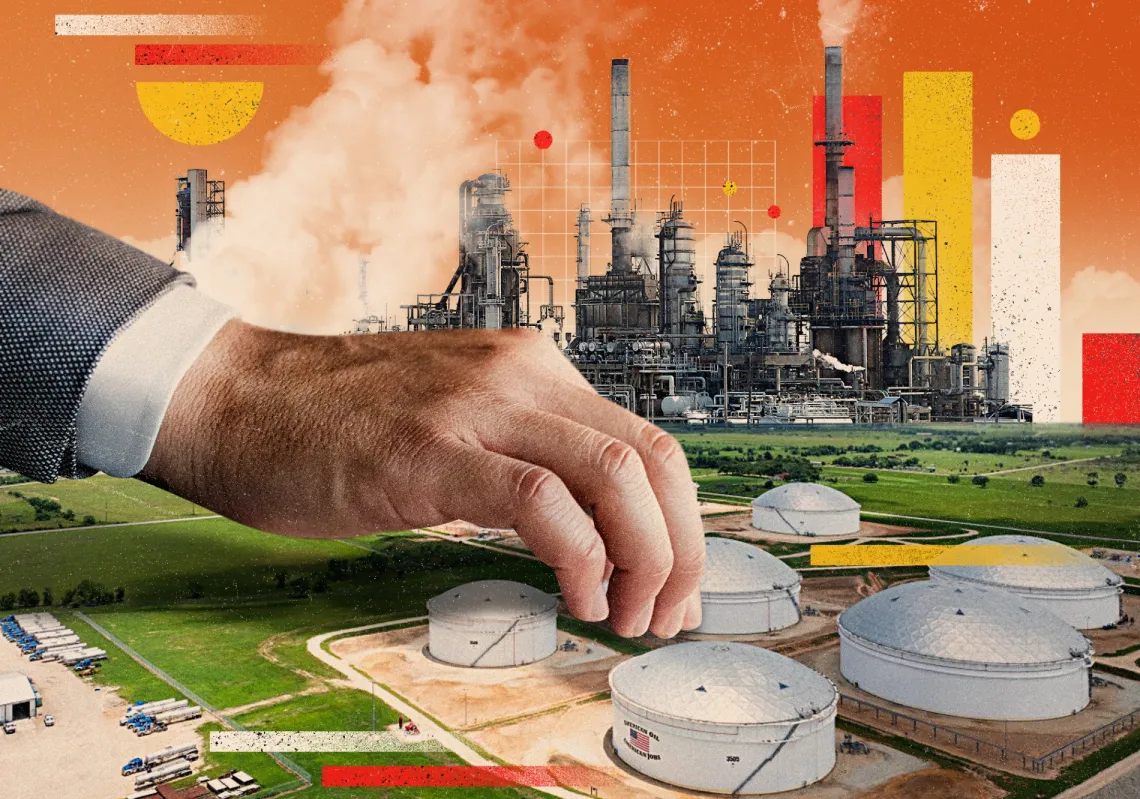
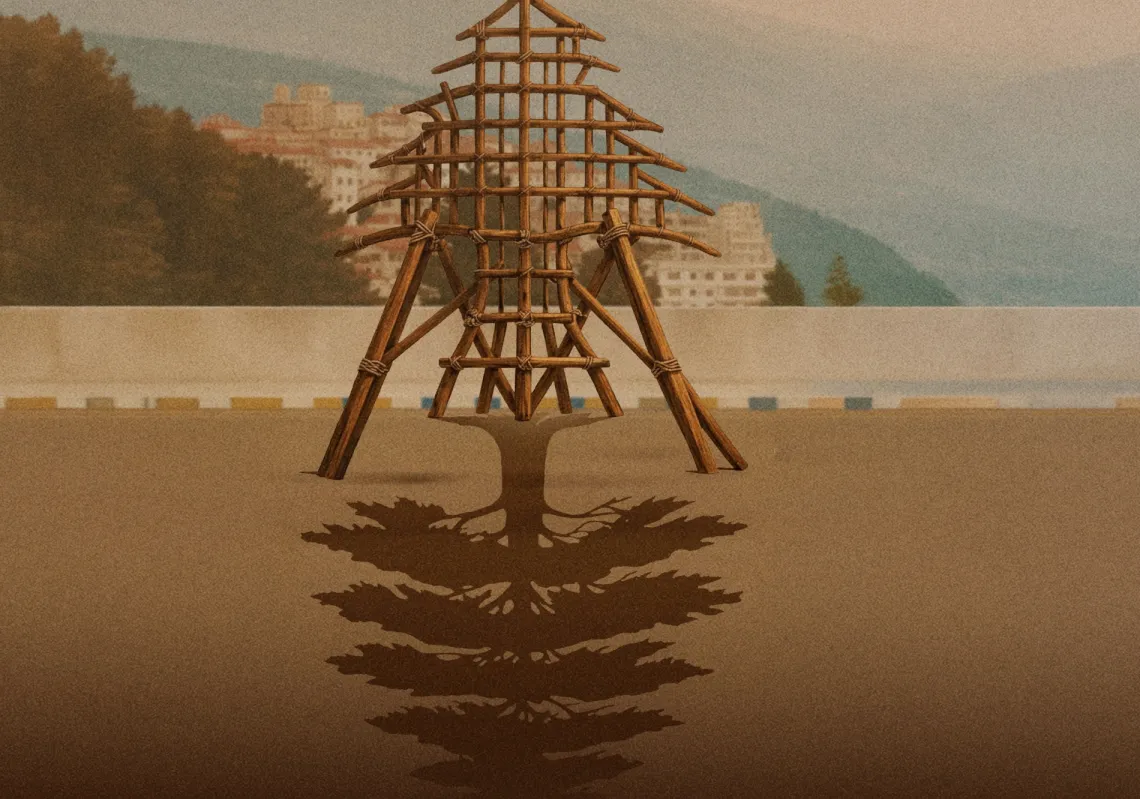
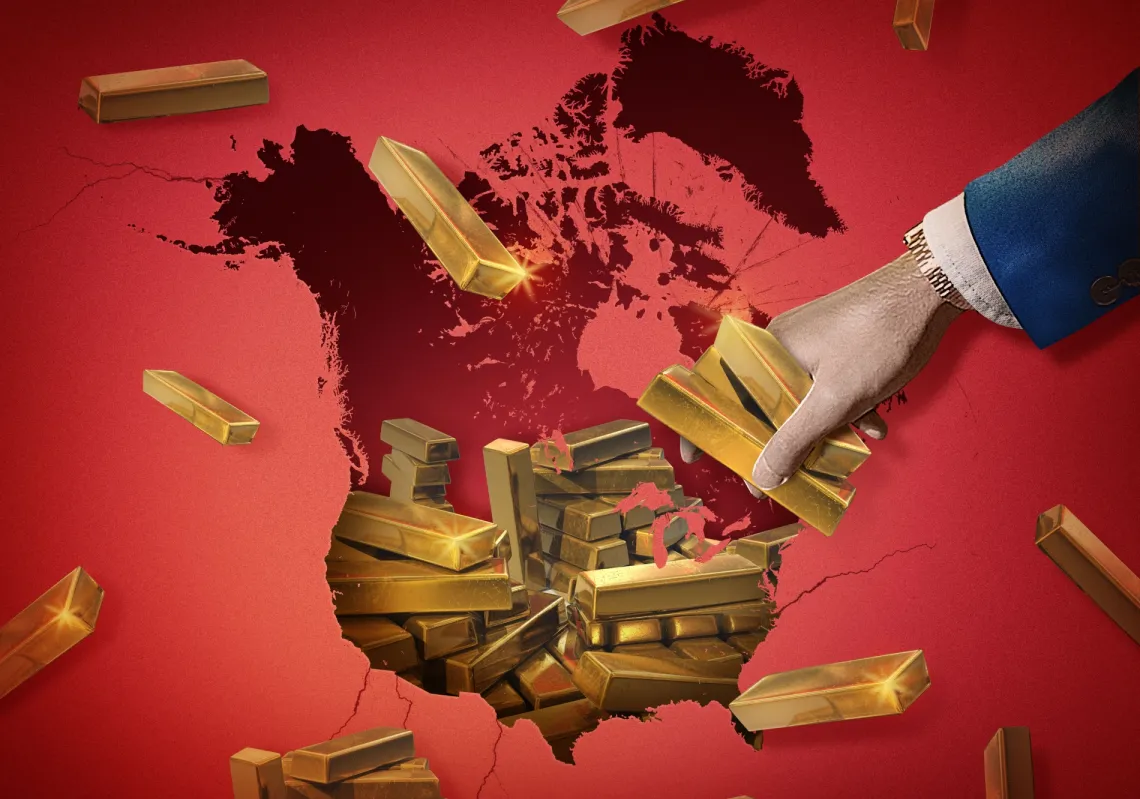
Faced with tariffs and geopolitical instability, Canada's prime minister has responded with state-backed investment, energy pragmatism, and a push for economic independence
Far from charity, European investment in Africa could be rightly viewed as reparations owed for centuries of systemic colonial exploitation of the continent
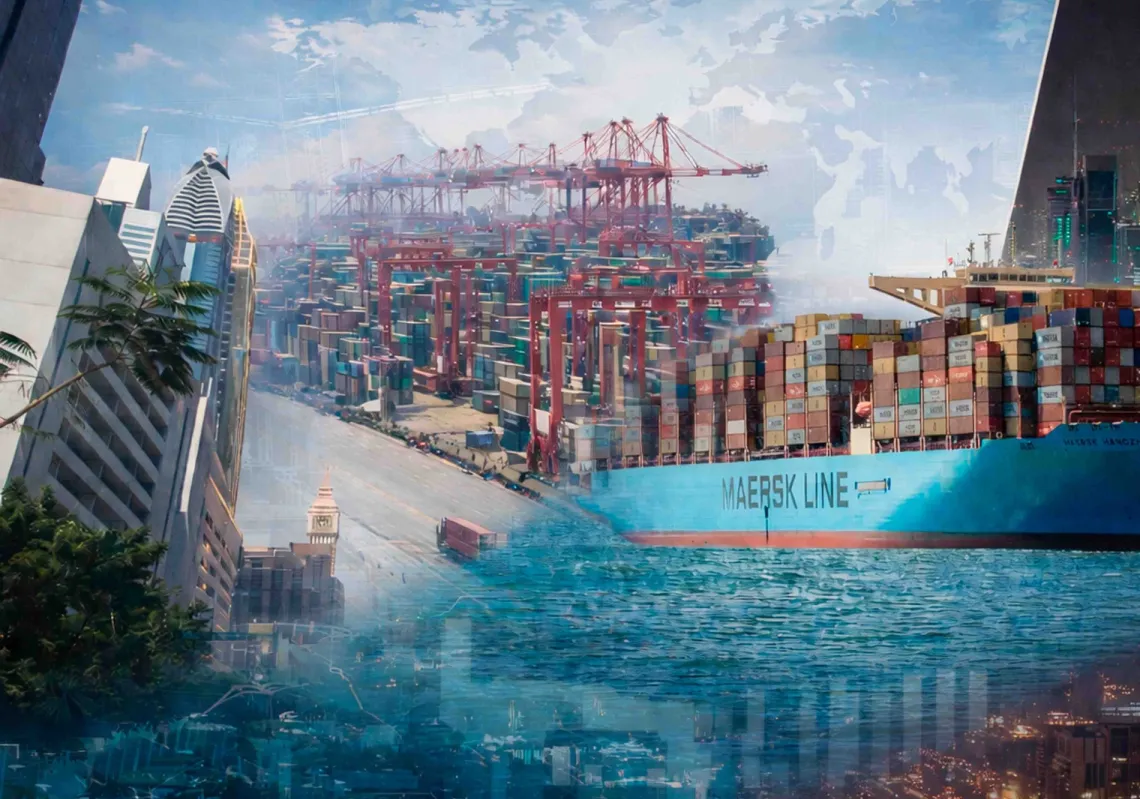
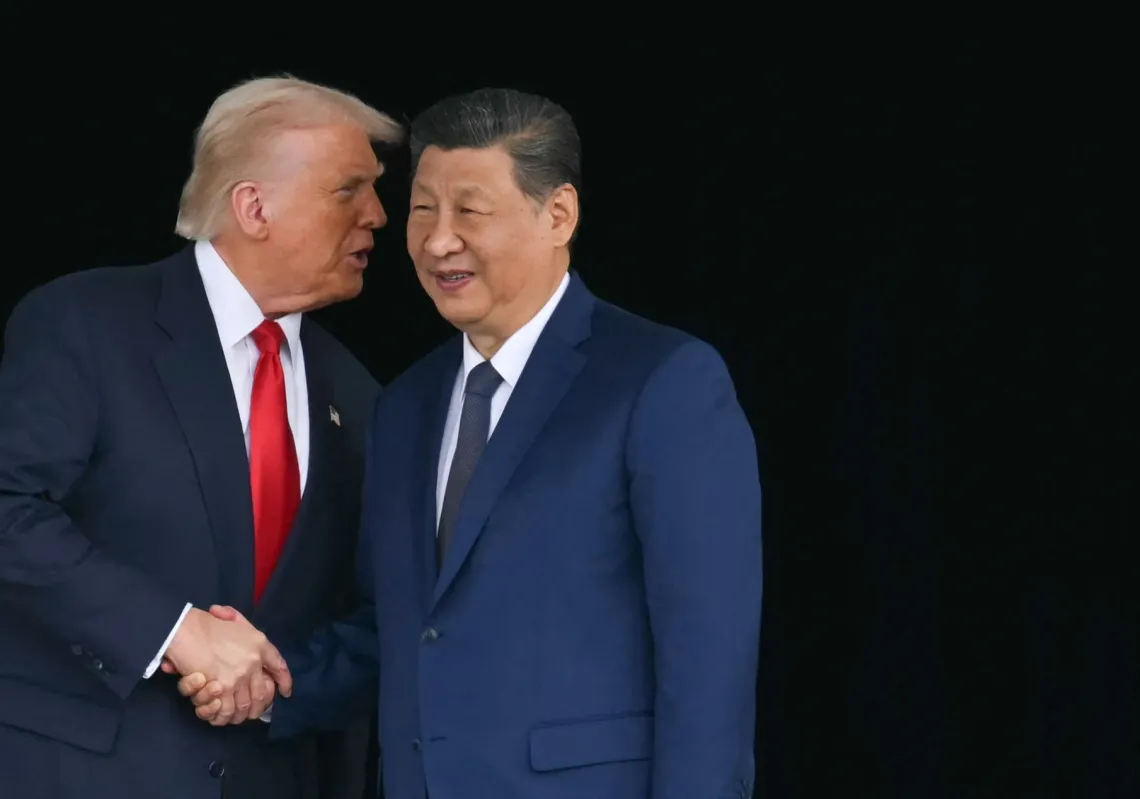
Countries under the most pressure include key BRICS members, but even some allies like Canada have been hit hard. Those in the 10% club seem to have gotten the best deal. Who are they?
As the euro strengthens amid a weakening dollar, analysts see it more as a rebalancing of the global financial order rather than an innate superiority of the European currency
Damascus is getting help from abroad, but it needs to set its economic stall out with a plan to rebuild its economy. An organised and disciplined fiscal and monetary policy will keep bankruptcy at bay
A booming fintech sector, soaring non-oil credit, flexible regulation, new insurance products, more digital payments, and more support for smaller firms bodes well for Vision 2030 targets
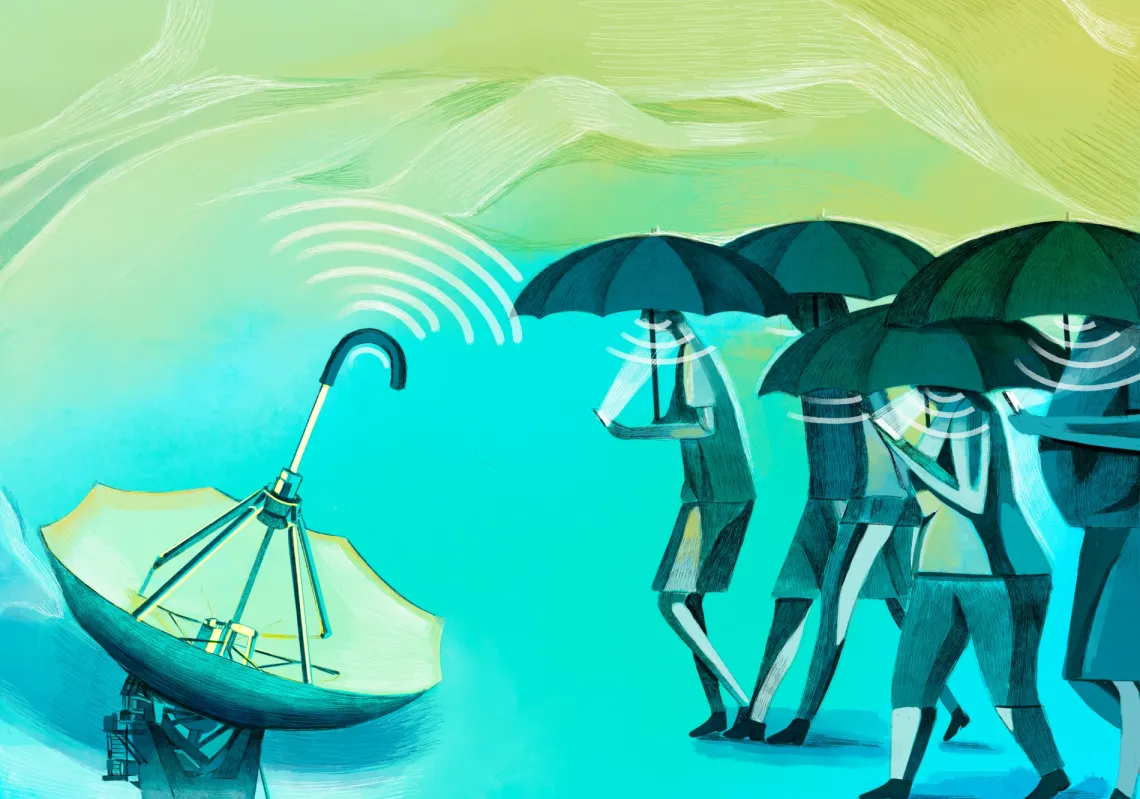
The struggling economy could benefit hugely from the US firm's satellite-based internet service, given that it currently only has patchy broadband coverage. Will it be allowed, though?
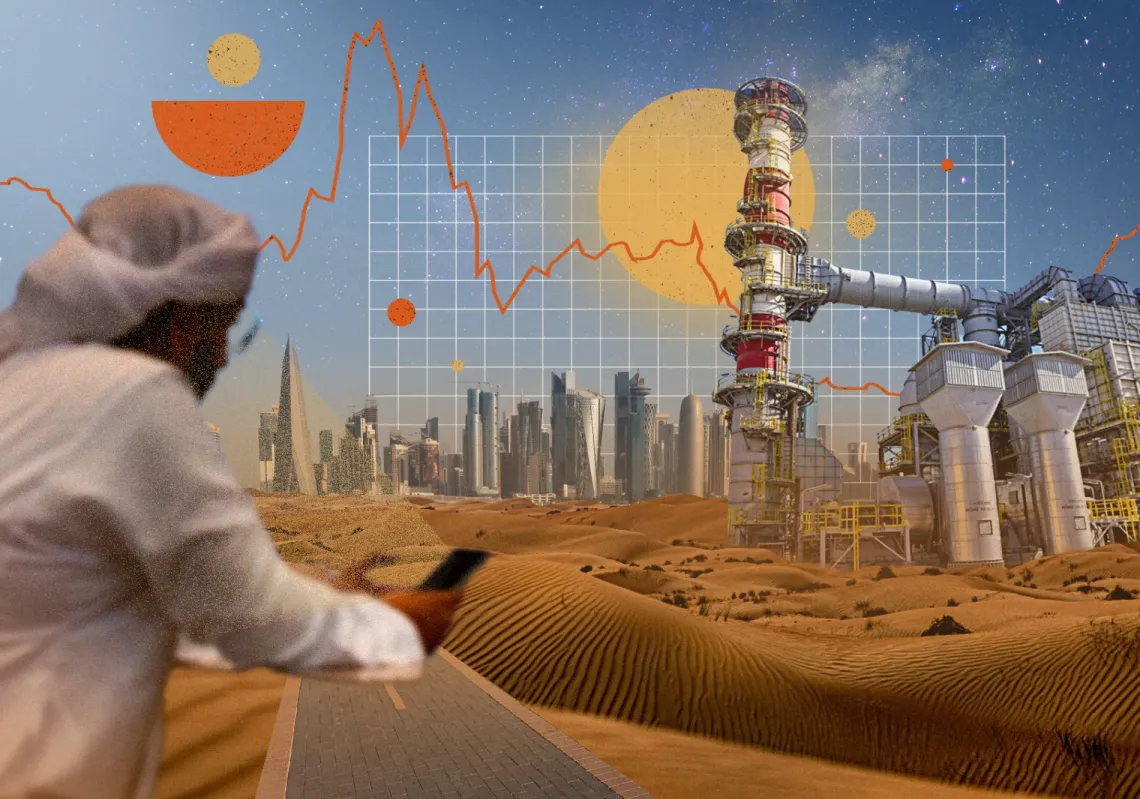
More than $75bn of construction projects were awarded in Gulf states last year, with much more expected, but the cranes across Riyadh, Muscat, and Dubai are building more than just skylines.
The country has the chance to change direction, open up, and win the investment that would transform its natural and human resources into the economic engine needed. It just needs the will.
As support for Israel weakens across the US political spectrum, once-taboo questions about military aid, lobbying influence, and US backing are moving into the mainstream
Algeria is one of Africa's largest producers of hydrocarbons, and its proximity to customers in Europe makes it of growing interest as importers fret over a prolonged supply crisis from countries
Through extravagant processions led by palace women, the Mamluk state projected a message of power and prestige at home and abroad, turning the Hajj obligation into a soft-power tool