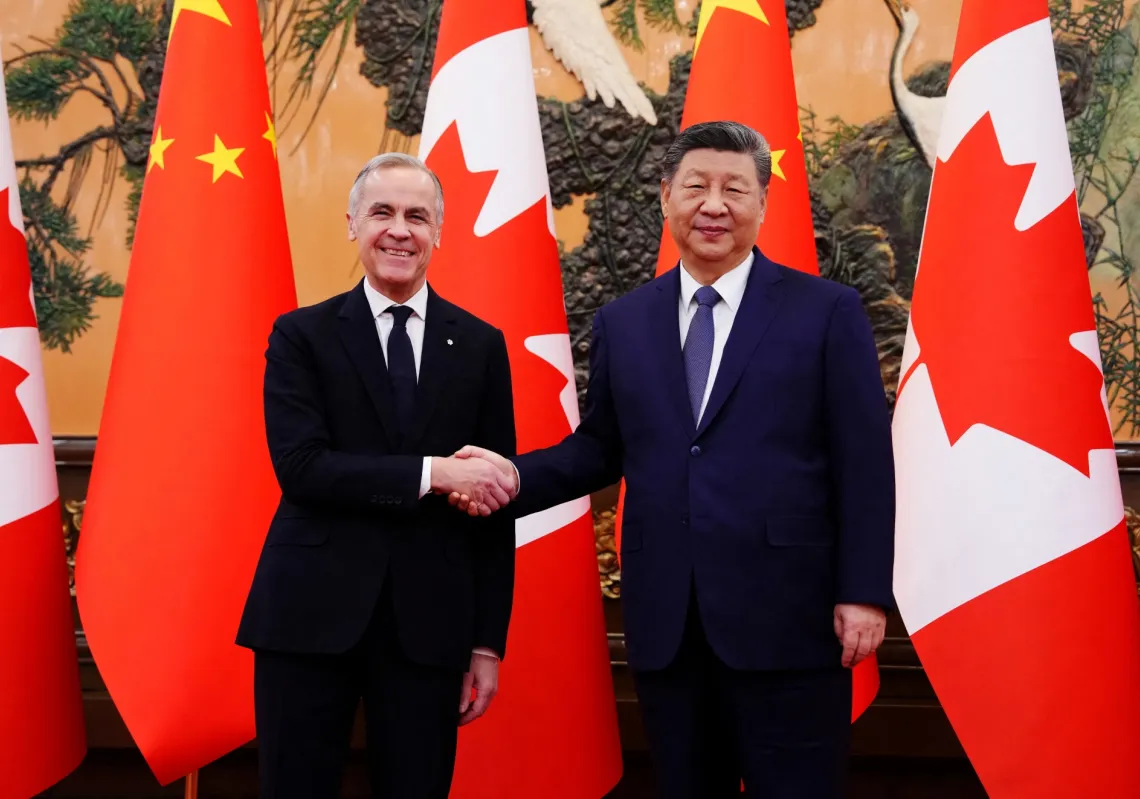
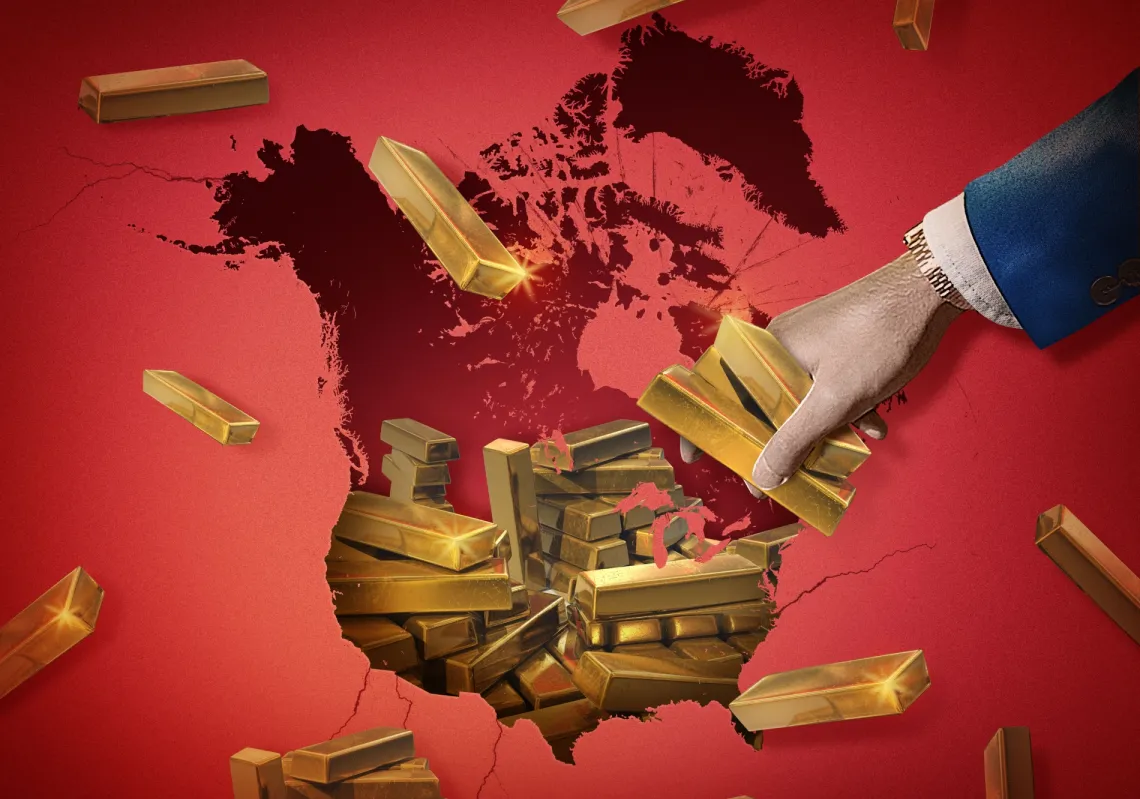
Faced with tariffs and geopolitical instability, Canada's prime minister has responded with state-backed investment, energy pragmatism, and a push for economic independence
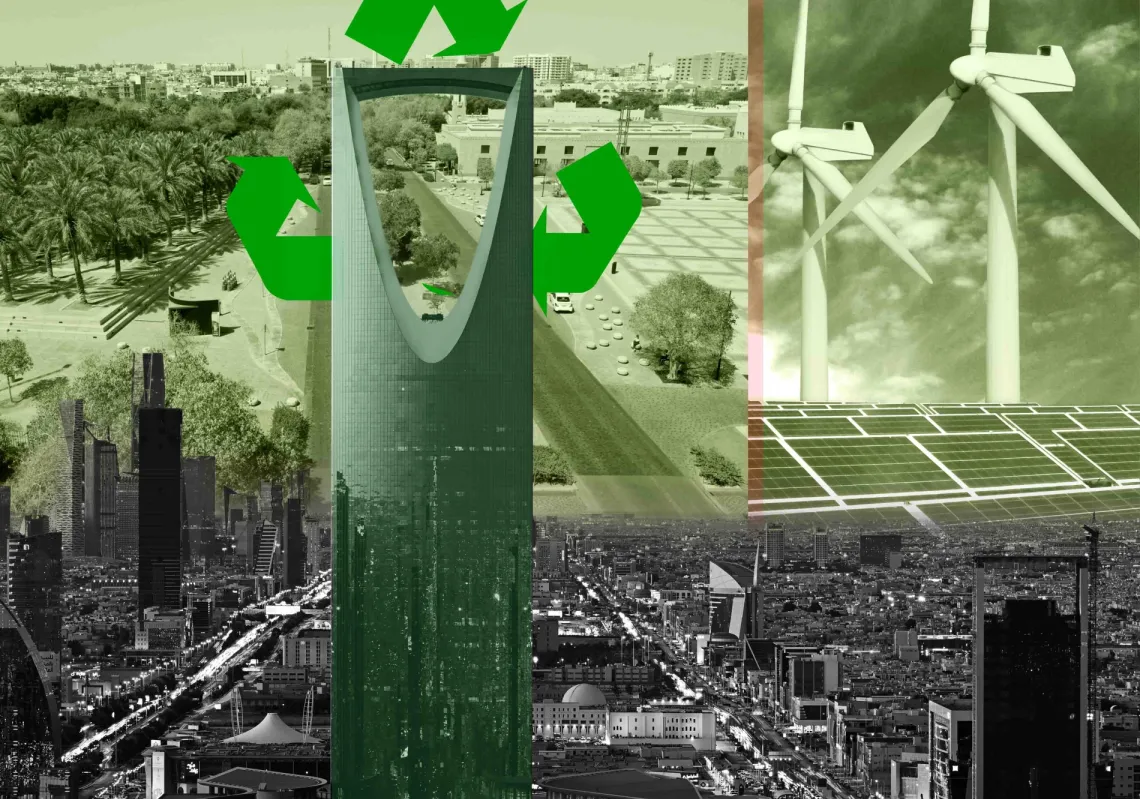
Muscat's decision to proceed with a utility-scale waste-to-energy (WTE) facility in Barka marks a significant development in its energy and environmental policy
Addis Ababa has finally inaugurated the long-awaited and much-touted GERD—Africa's biggest dam—leaving Egypt and Sudan worried about the impact on their water supply downstream
A metal that can be converted into a fissile material for nuclear power is plentiful in the Arab world's most populous country. If science can harness its potential, Egypt has a valuable asset.
The Future Minerals Forum has become one of the world's most influential gatherings in the minerals sector, uniting stakeholders around the shared goal of building sustainable mineral supply chains
Three decades of fighting in eastern Congo involving Rwanda and others was supposed to have come to an end in June. Is US economic engagement the magic wand its wielder says it is?
The country has passed a new minerals law seen by its backers as a catalyst for investment. But critics say it surrenders sovereignty. Which way will the pendulum swing?
The UAE's leading renewable energy company has demonstrated that commercially viable clean energy ventures can emerge from state-backed initiatives when policy, market conditions, and execution align
The country now sits at an energy crossroads: will its recovery be anchored in oil and gas, or will it seize the chance to lean into renewables and build something more resilient?
As support for Israel weakens across the US political spectrum, once-taboo questions about military aid, lobbying influence, and US backing are moving into the mainstream
Algeria is one of Africa's largest producers of hydrocarbons, and its proximity to customers in Europe makes it of growing interest as importers fret over a prolonged supply crisis from countries
Through extravagant processions led by palace women, the Mamluk state projected a message of power and prestige at home and abroad, turning the Hajj obligation into a soft-power tool