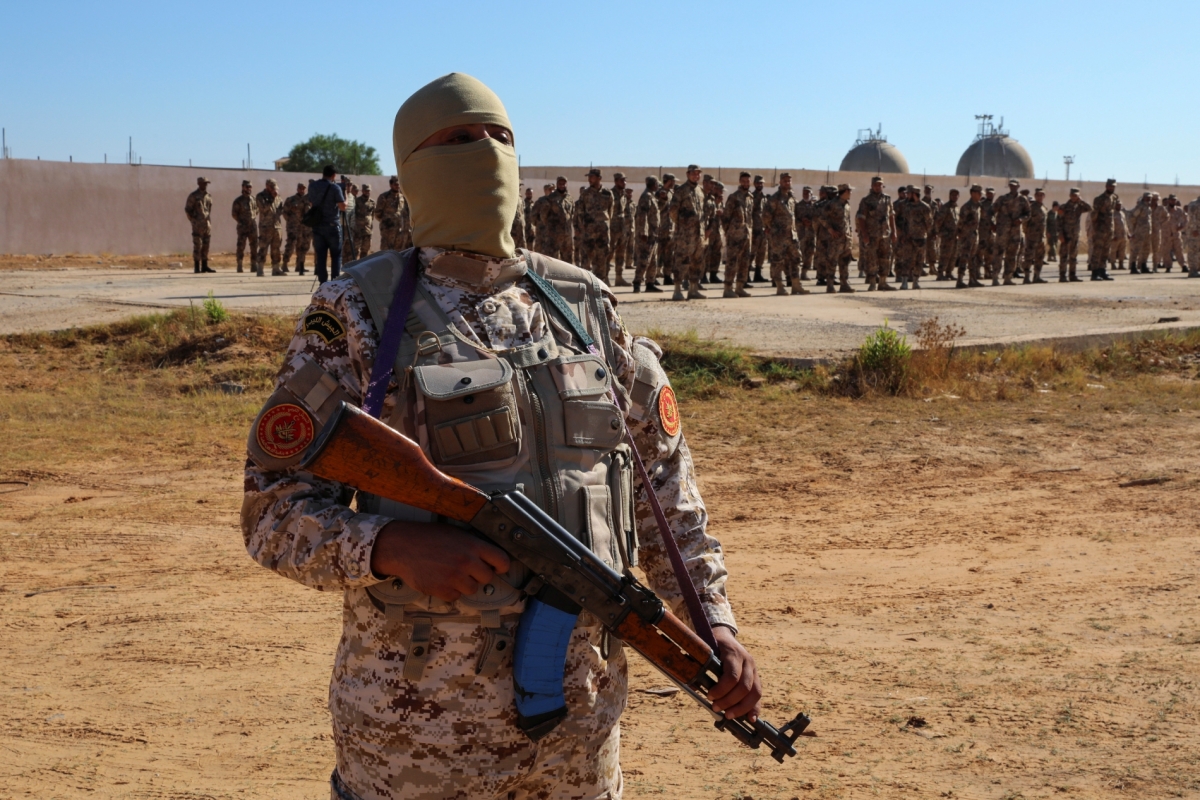

Since 2011, Libya’s economy has lurched from crisis to crisis, driven by political instability. Repeated domestic conflicts, fought in large part over control of oil resources, have disrupted production, stifled investment, and ended hopes of modernisation in a sector that supplies more than 95% of Libya’s foreign currency revenues.
Political divisions that emerged in 2014 left Libya with two rival governments: one in the west (based in the capital, Tripoli) and one in the east (based in Benghazi). This has now endured for more than a decade, acting as a barrier to investment. Over that time, the state’s budget has swelled, and spending in Libyan dinars has climbed, while the currency’s value has fallen. The cost of the dollar in dinars is reported to have risen by more than 800% over the past five years.
Against this backdrop, Trade Minister Suhail Abu Shiha in Libya’s Tripoli-based Government of National Unity (GNU) has warned that delays in implementing technical and operational reforms to the country’s economic and monetary systems are costing the Libyan economy $12bn a year. What reforms does Libya need? How might they be carried out? And would reform succeed in one of the world's most corrupt countries (as per the Corruption Perceptions Index)?
Economic analyst Abd al-Zaidi told Al Majalla that the minister’s $12bn represented the cost of lost economic opportunities and cumulative structural losses, rather than an actual shortfall in the state budget. These losses, he explained, have been borne by ordinary Libyans and by the treasury, and reflect the toll of long-standing fiscal and monetary imbalances. Al-Zaidi traced these losses to the depletion of oil revenues, the burden of fuel subsidies, and the allocation of public funds to unproductive assets that yield no returns for the state budget or national income.
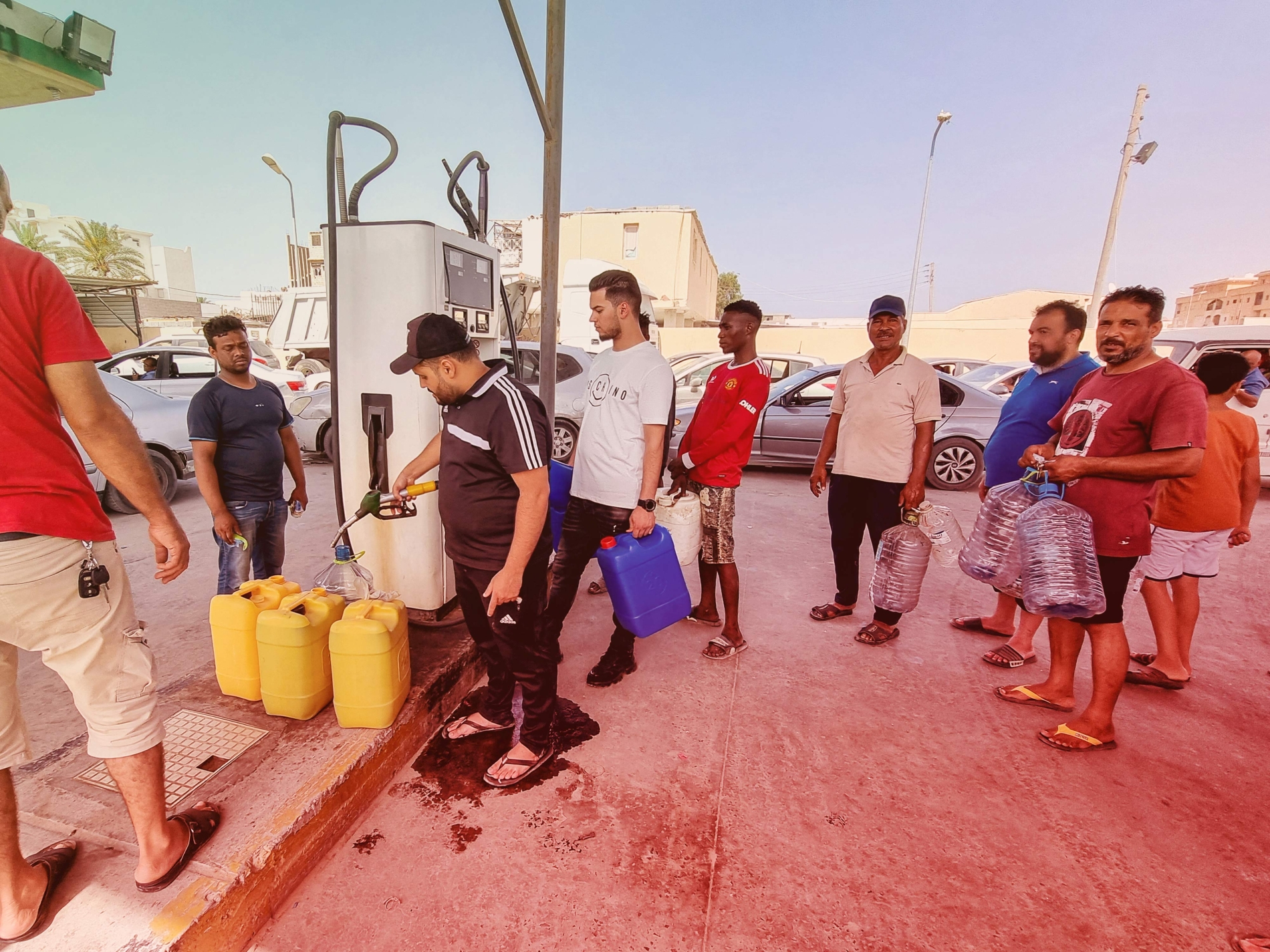
Spending unwisely
Figures released by the Central Bank of Libya for the first nine months of 2026 show that salaries and operating costs consumed more than 80% of total recorded expenditure, while development spending received only 3%. This shows the huge imbalance in the management of public finances and underlines the urgent need to rethink how state resources are allocated.
Economist Ibrahim al-Senussi told Al Majalla that Libya’s deeper malady lies in an economic model that depends on government spending and oil revenues, with too little of that wealth channelled into productive investment. Monetary policy, he said, was only part of the problem. Meaningful reform would demand less public spending, a restructuring of subsidies, modernisation of the banking sector, a better investment climate, and a stronger role for private enterprise.
Big questions remain about coordination among the institutions responsible for managing the economy, from the Central Bank of Libya and the National Oil Corporation to the ministries of economy and finance. Their ability to work together effectively is central to the country’s prospects.
Mohammed Darmish, a professor of economics at Libyan universities, told Al Majalla that the immediate priority was to coordinate economic, fiscal and monetary policies within a unified national framework. He called for a plan that would allow the authorities to monitor domestic and international economic developments 24/7 and respond swiftly if needed.
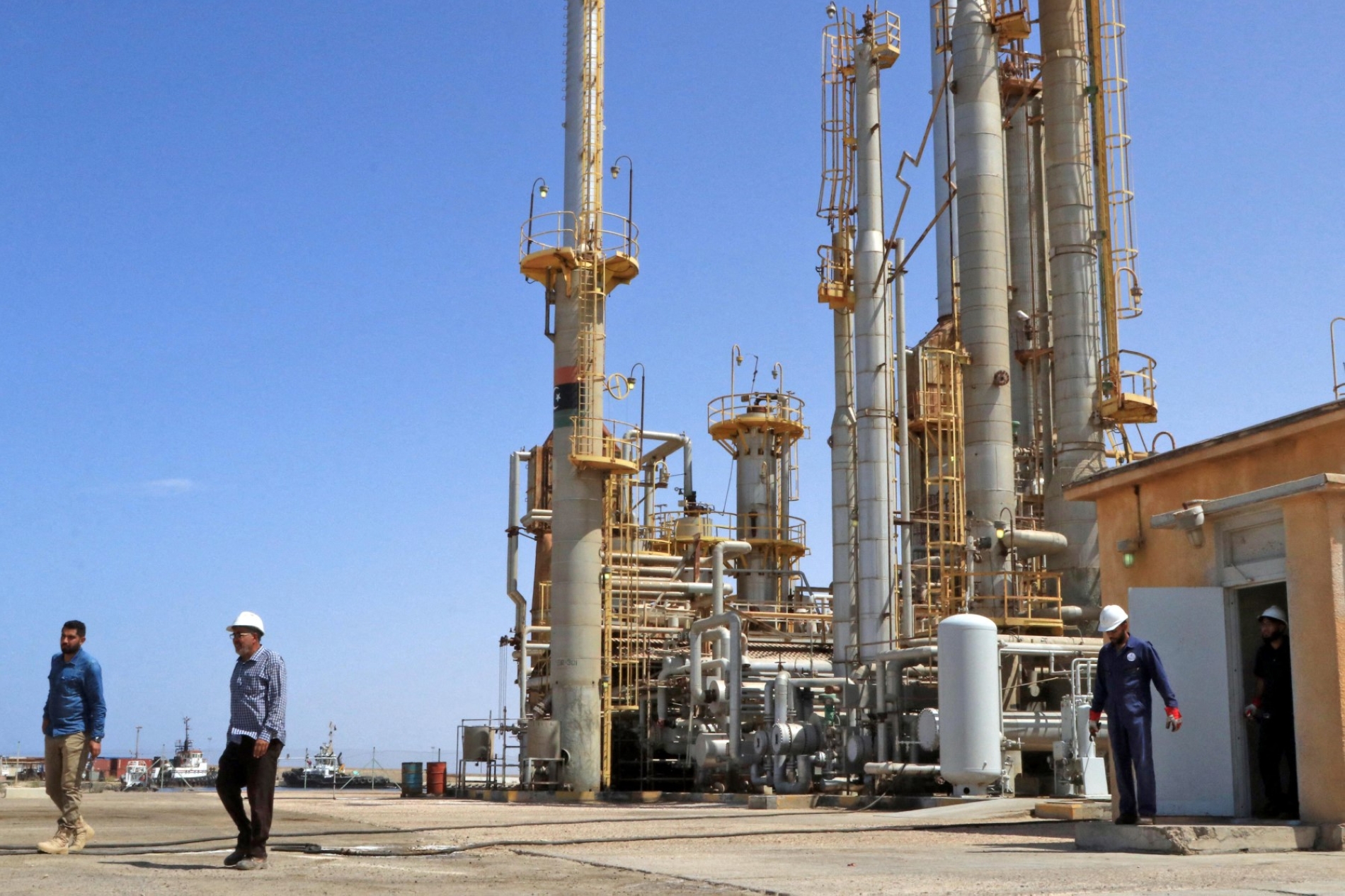
An eye on oil and gas
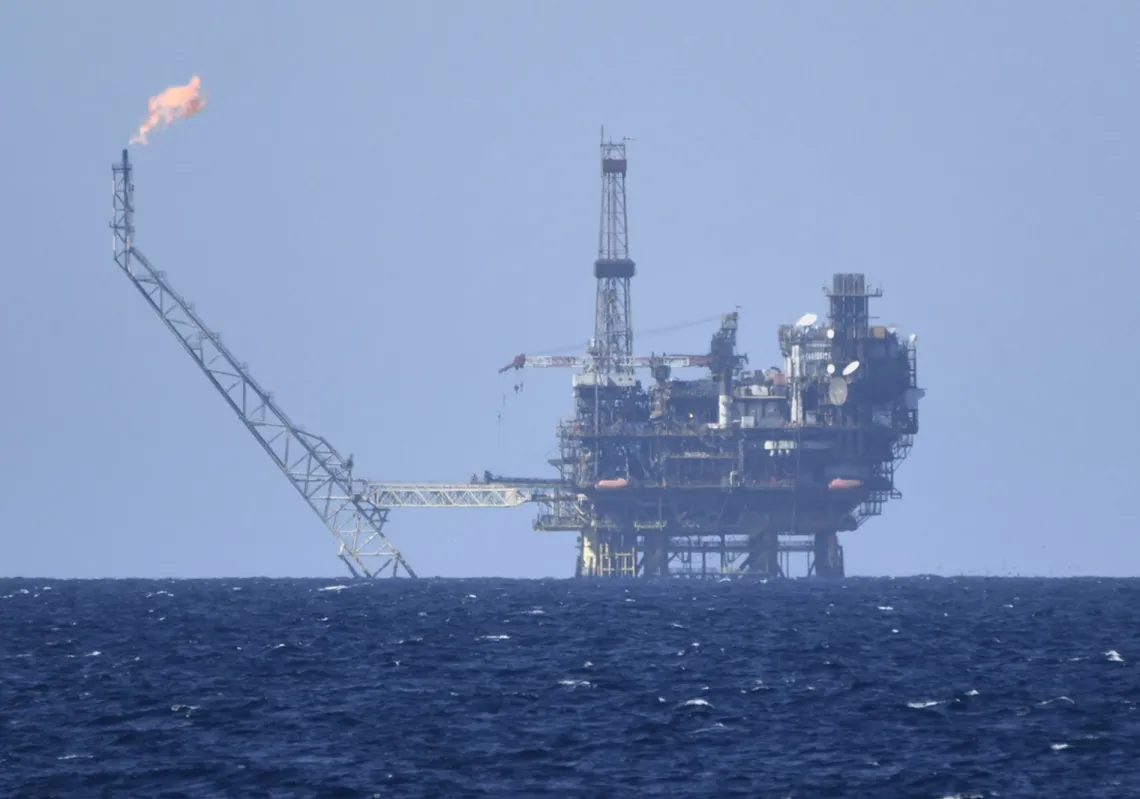
Alongside coordinated plans, new legislation is needed to return economic stability, but the legislative and executive authorities must first be unified for any serious reform programme to proceed. US envoy Massad Boulos has sought to overcome Libya’s political and institutional divisions to bring the country’s rival authorities together. The benefit for Washington is the prospect of opening opportunities for American companies, particularly in Libya’s oil and gas sector.
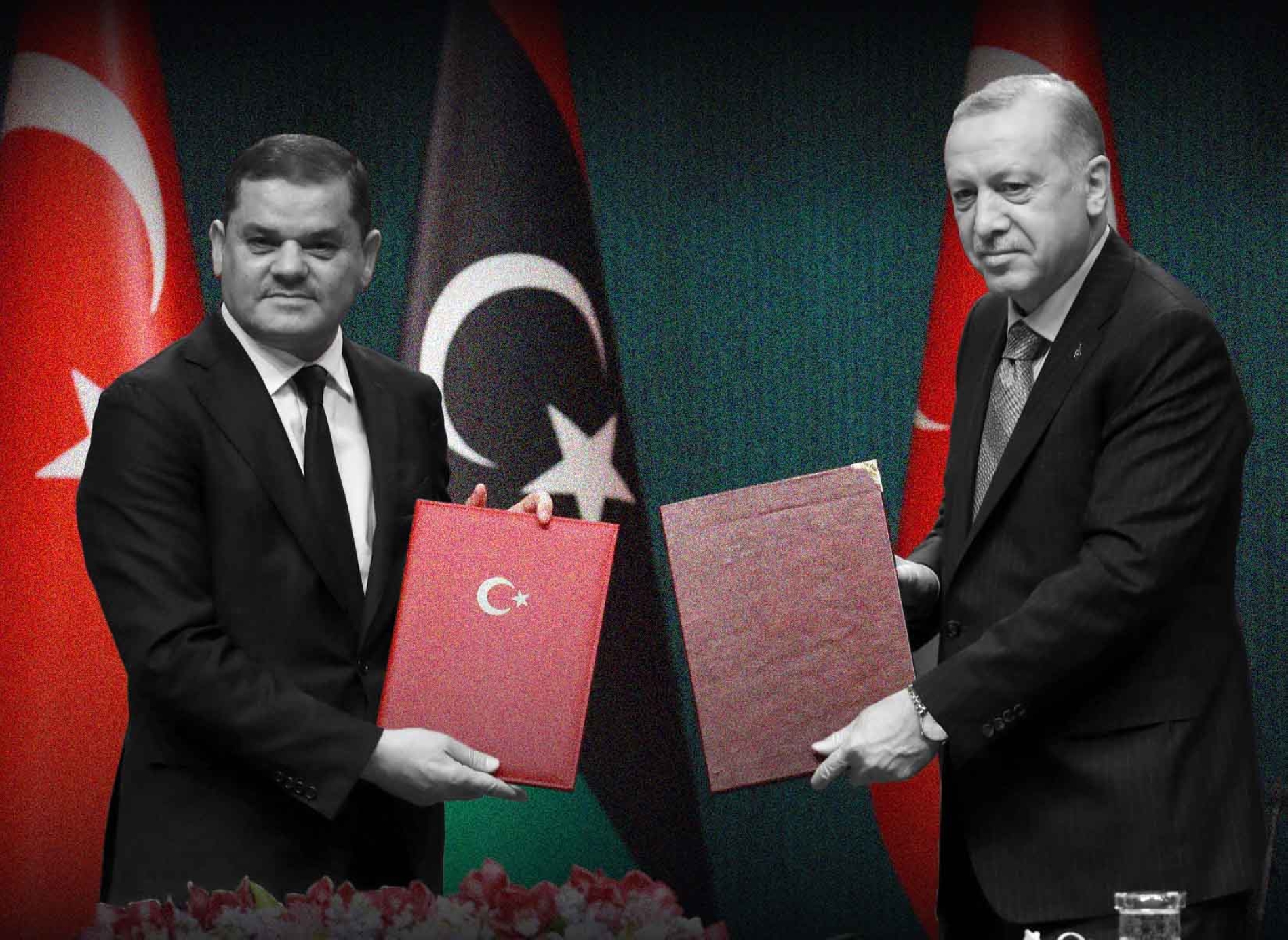
US energy company ConocoPhillips already has a 25-year agreement with Tripoli to develop Libya’s oil sector. Made in January 2026 by GNU Prime Minister Abdul Hamid Dbeibeh, it envisages American investments of more than $20bn. Yet Al-Zaidi pointed to the absence of a stable legislative and institutional framework, meaning that most multinationals are not yet confident enough to commit to big projects in Libya, despite the opportunities in both renewable energy and hydrocarbons.