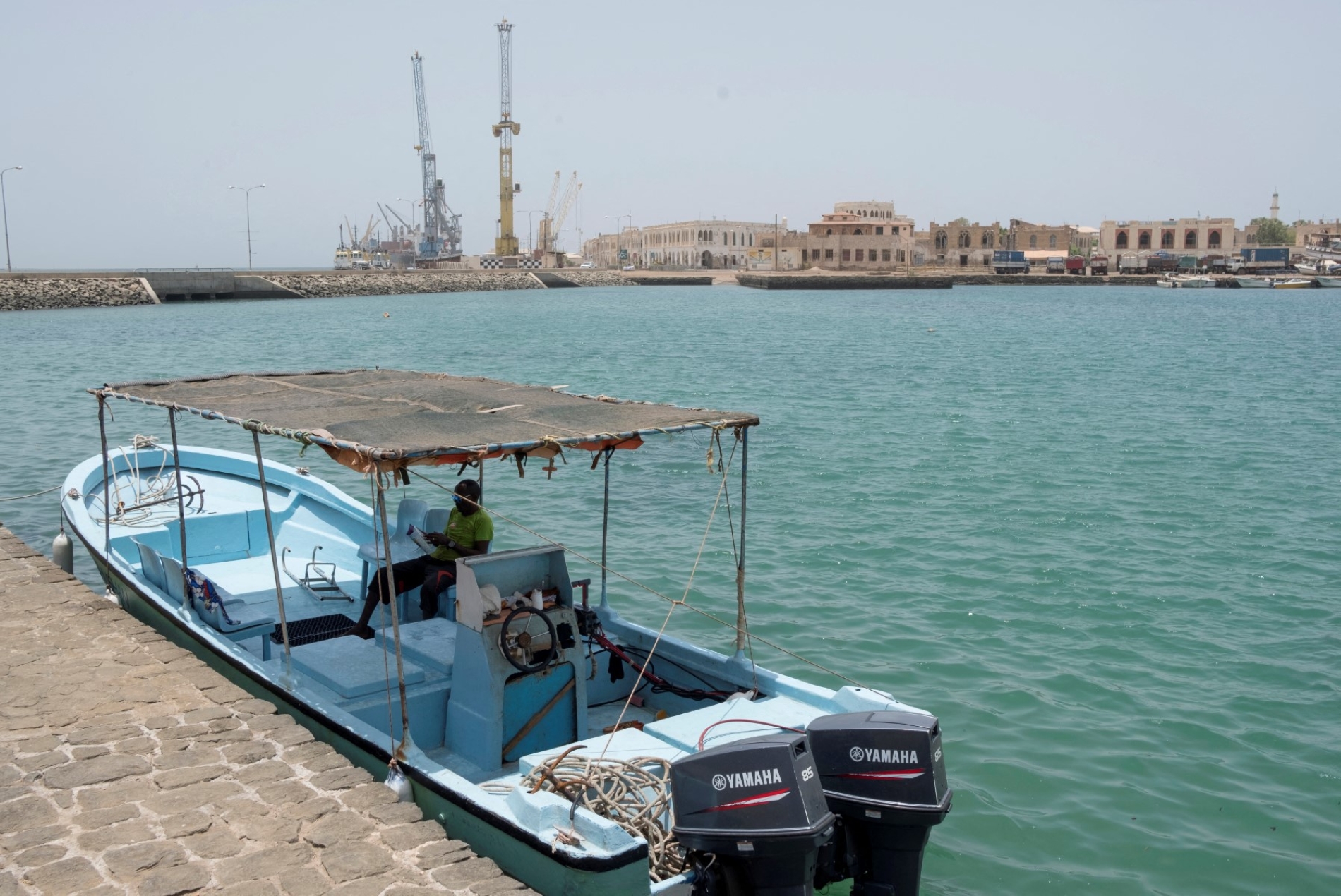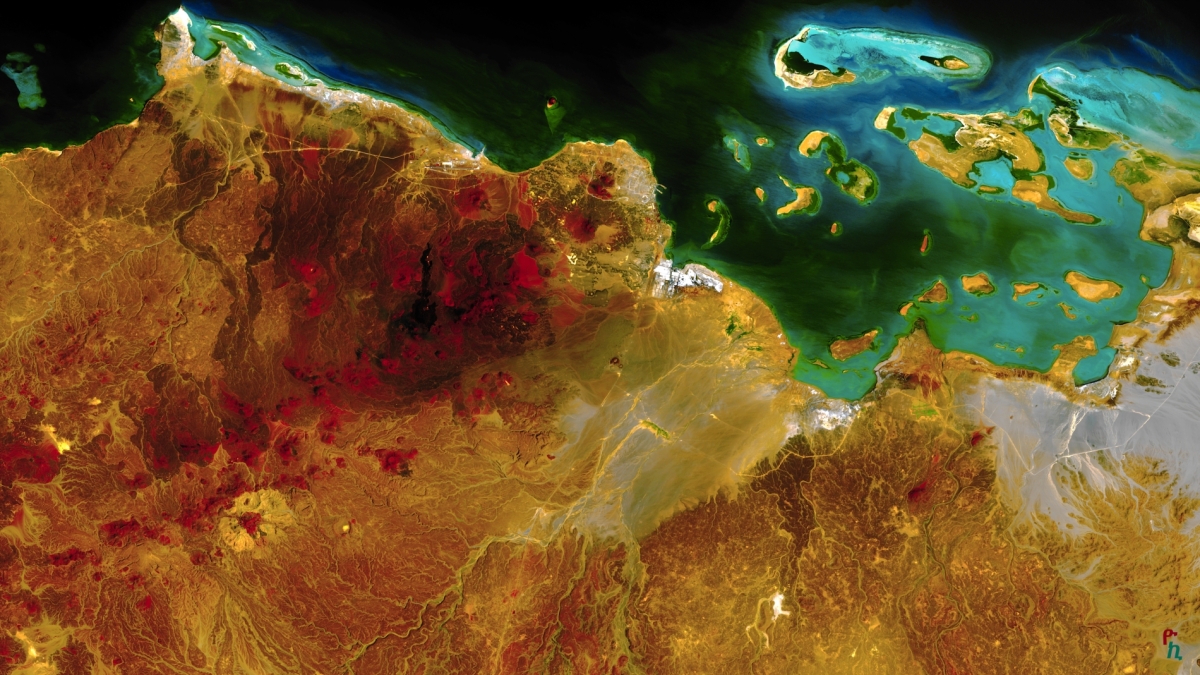

The dispute between Ethiopia and Eritrea over the Red Sea port of Assab now extends well beyond that of a maritime facility or outlet for international trade. It reflects a structural contradiction between two states with a shared history but divided on issues like sovereignty, security, borders, and the state itself.
For Ethiopia, Assab embodies its historical loss of direct access to the sea. This is a growing strategic concern, with the country’s population and economy both having expanded. For Eritrea, the port is a key and inseparable part of its sovereignty, won through a long war of independence. Thus, the port mixes economic interests with domestic power struggles, regional alliances, and foreign intervention, particularly in a region already afflicted by weak state institutions and protracted armed conflicts.
The modern roots of the crisis lie in Italian colonial expansion in the 19th century. Italian control of Assab began in 1869 through the Rubattino shipping company, which acquired the right to administer the port from local authorities. Administration passed to the Italian state in 1882, and Assab subsequently became part of Italian Eritrea, formally established as a colony in 1890. With the opening of the Suez Canal in 1869, this was a time of intensifying European competition for ports and trade routes through the Red Sea.
Italy lost control of East Africa in 1941, when Assab and the rest of Eritrea came under British occupation and administration. Following the Second World War, Eritrea’s future administration was debated. On 2 December 1950, the UN General Assembly adopted Resolution 390, recommending the establishment of a federation between Eritrea and Ethiopia. The arrangement came into effect in 1952. It recognised Ethiopia’s legitimate need for access to the sea, and granted autonomy to Eritrea (with its own legislative, executive and judicial institutions responsible for internal affairs) within a federation under the sovereignty of the Ethiopian Crown.
The resolution did not grant Ethiopia permanent ownership of Assab as a separate sovereign possession, but it went beyond a commercial agreement between two independent states by establishing a federation with sovereign authority at the federal level, defined powers, and Eritrean autonomy. These legal distinctions remain essential to assessing the competing claims surrounding Assab today.
Emperor Haile Selassie gradually undermined Eritrea’s autonomous institutions before abolishing the federal system and fully annexing the territory in 1962. A year earlier, Eritrea’s armed struggle for independence had already begun. The Ethiopian Empire fell in the revolution of 1974, and the military regime of Mengistu Haile Mariam reasserted centralised control through force.
Alliances and interests
Opposition to his rule fostered cooperation between the Eritrean People’s Liberation Front (EPLF) and the Tigray People's Liberation Front (TPLF), which was waging a parallel campaign to overthrow the regime. Their common struggle contributed to Mengistu’s defeat in 1991, although the alliance concealed a fundamental difference between their political ambitions: the Eritrean movement sought to establish an independent state, while the Tigrayan movement aimed to overthrow the regime and restructure power within Ethiopia. A common enemy had united them, but victory exposed their conflicting visions of statehood.
Eritrea gained independence in 1993 following a popular referendum endorsed by Ethiopia’s new government, then led by Meles Zenawi, and it was recognised by the international community. Independence made Ethiopia landlocked, losing its direct access to the Red Sea. Yet this did not disappear overnight. The country continued to use Assab under arrangements agreed with Eritrea, until mounting economic, territorial and political disputes culminated in the 1998–2000 war. This ended with the Algiers Agreement, followed by the boundary commission’s ruling in 2002.
Relations between the two countries remained hostile and Ethiopia shifted almost all its maritime trade to Djibouti. Subsequent demographic and economic developments have sharpened the consequences. Ethiopia now has 135 million people, a growing industrial economy, and a thirst for international trade, but with almost all its foreign trade passing through Djibouti, it depends heavily on a single transit route. That dependence creates genuine economic vulnerabilities.