Have Ethiopia's neighbours formed an alliance against it?https://en.majalla.com/node/333414/politics/have-ethiopias-neighbours-formed-alliance-against-it
Have Ethiopia's neighbours formed an alliance against it?
The leaders of Egypt, Somalia, Sudan, and Eritrea met in Alamein on Sunday, which some interpret as a formation of a loose security alliance aimed at influencing the geopolitics of the Horn of Africa
Eritrea Ministry of Information via X
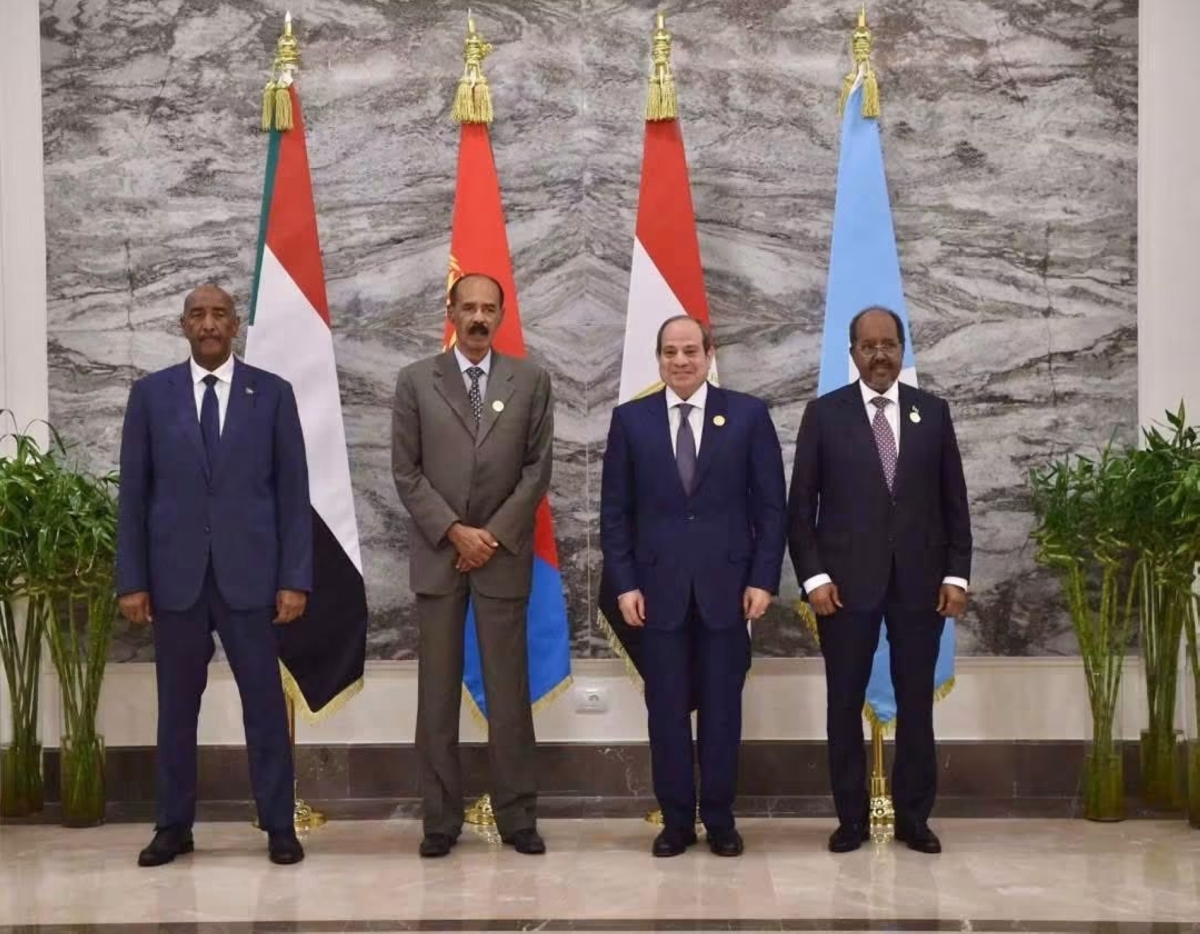
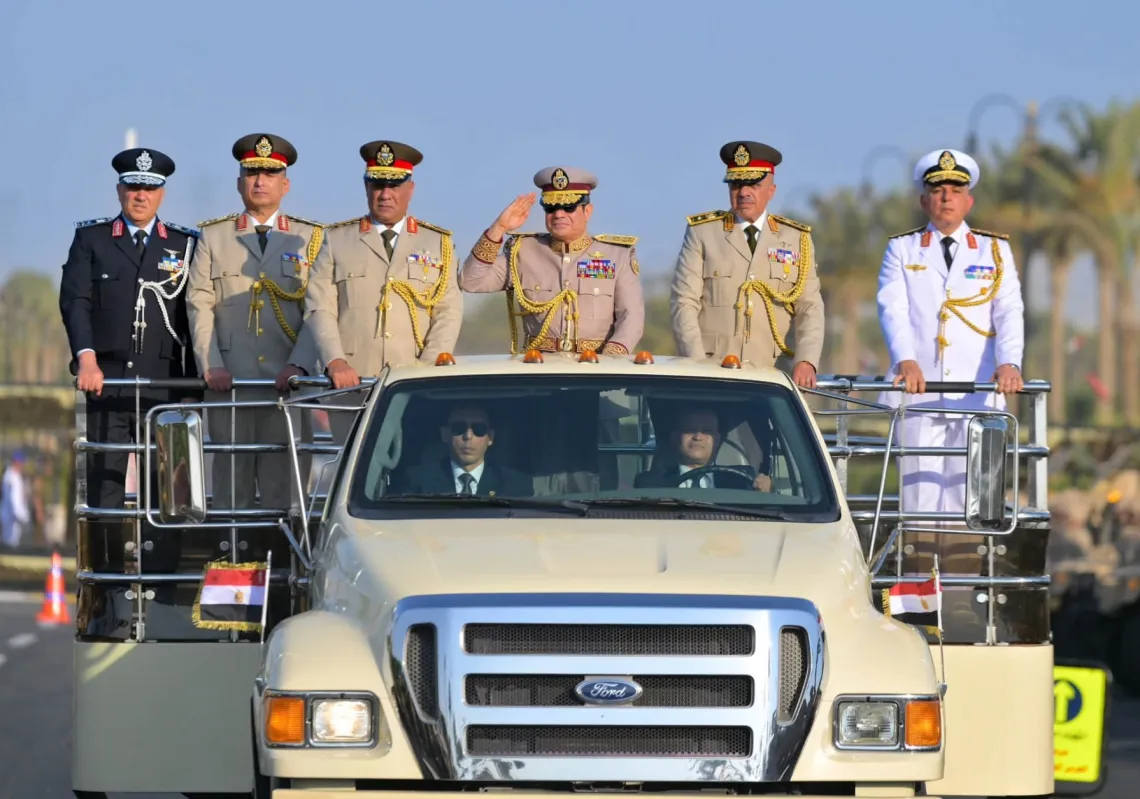
The leaders of Egypt, Somalia, Sudan and Eritrea met in Alamein Egypt on 4 October to discuss regional tensions.
Have Ethiopia's neighbours formed an alliance against it?
Egypt's President Abdel Fattah al-Sisi, head of the Sudanese Armed Forces and de facto leader Abdel Fattah al-Burhan, Somalia's President Hassan Sheikh Mohamud, and Eritrea's President Isaias Afwerki met on Sunday in the Egyptian city of Alamein, in what some are interpreting as the formation of a loose security alliance aimed at influencing the geopolitics of the Horn of Africa.
It came as Ethiopia’s armed forces appear to have pushed northern opposition militias back out of Mekelle, the capital of Tigray, after fighting resumed in recent weeks. Regional states such as Egypt, Sudan, and Eritrea have called for de-escalation, but Abiy, who has been in power since 2018, accuses Egypt, Sudan and Eritrea of supporting the northern militias, a charge they deny.
In Alamein, the joint statement issued late Sunday made no mention of Ethiopia, but it did mention that freedom of navigation and “governance” of the Red Sea is the exclusive responsibility of littoral nations, which appeared to be a reference to landlocked Ethiopia's attempts to gain a permanent foothold on the Red Sea, something Egypt and its allies oppose.
The statement also rejected recognition or support for “the so-called Somaliland”, while making no mention of Israel, which recognised the breakaway territory in December 2025 and also rejected paramilitary forces and mercenary groups operating in Sudan.
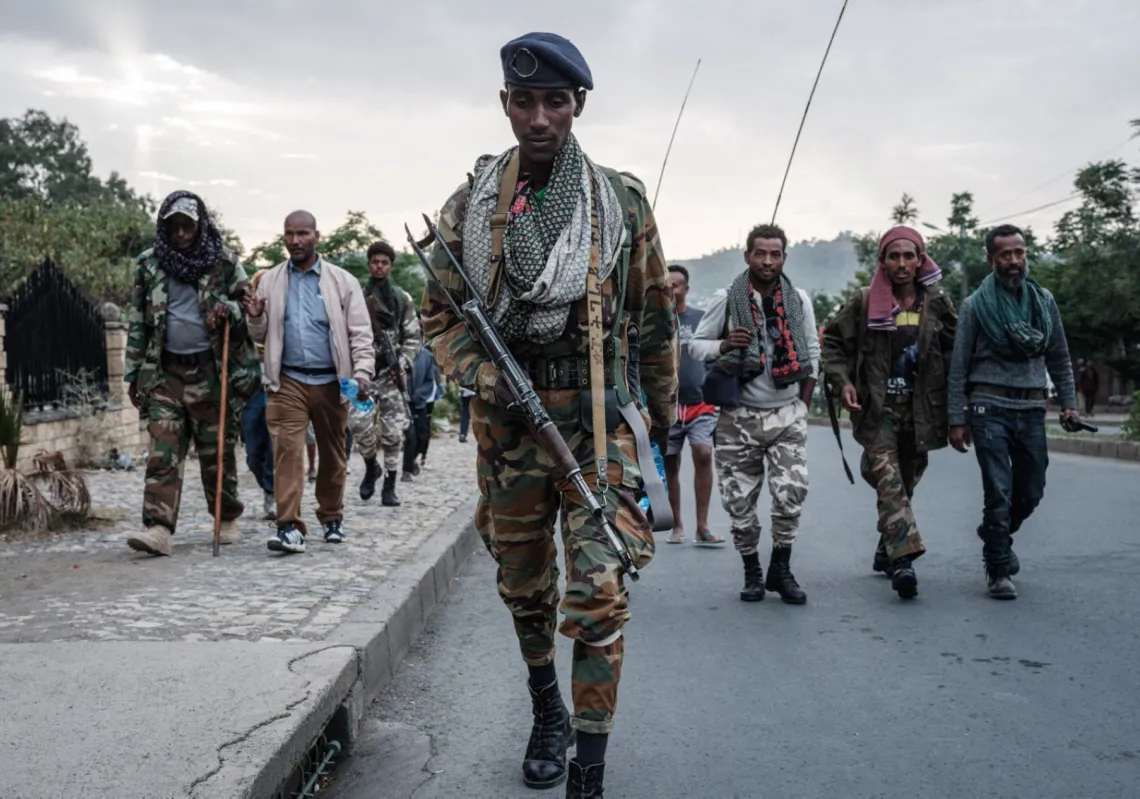
But given the recent turmoil in Ethiopia's Tigray region, the meeting of the four heads of state took on greater significance. The region has had a history of turmoil, but in 2022, a ceasefire was reached, which ended a brutal two-year civil war. But just last month, a coalition of armed groups vowed to oust Prime Minister Abiy Ahmed. He swiftly sent the national army into the restive provinces of Tigray, Afar, and Amhara. By early October, the army seemed to have the upper hand, as the Tigray People’s Liberation Front (TPLF) said it had pulled back.
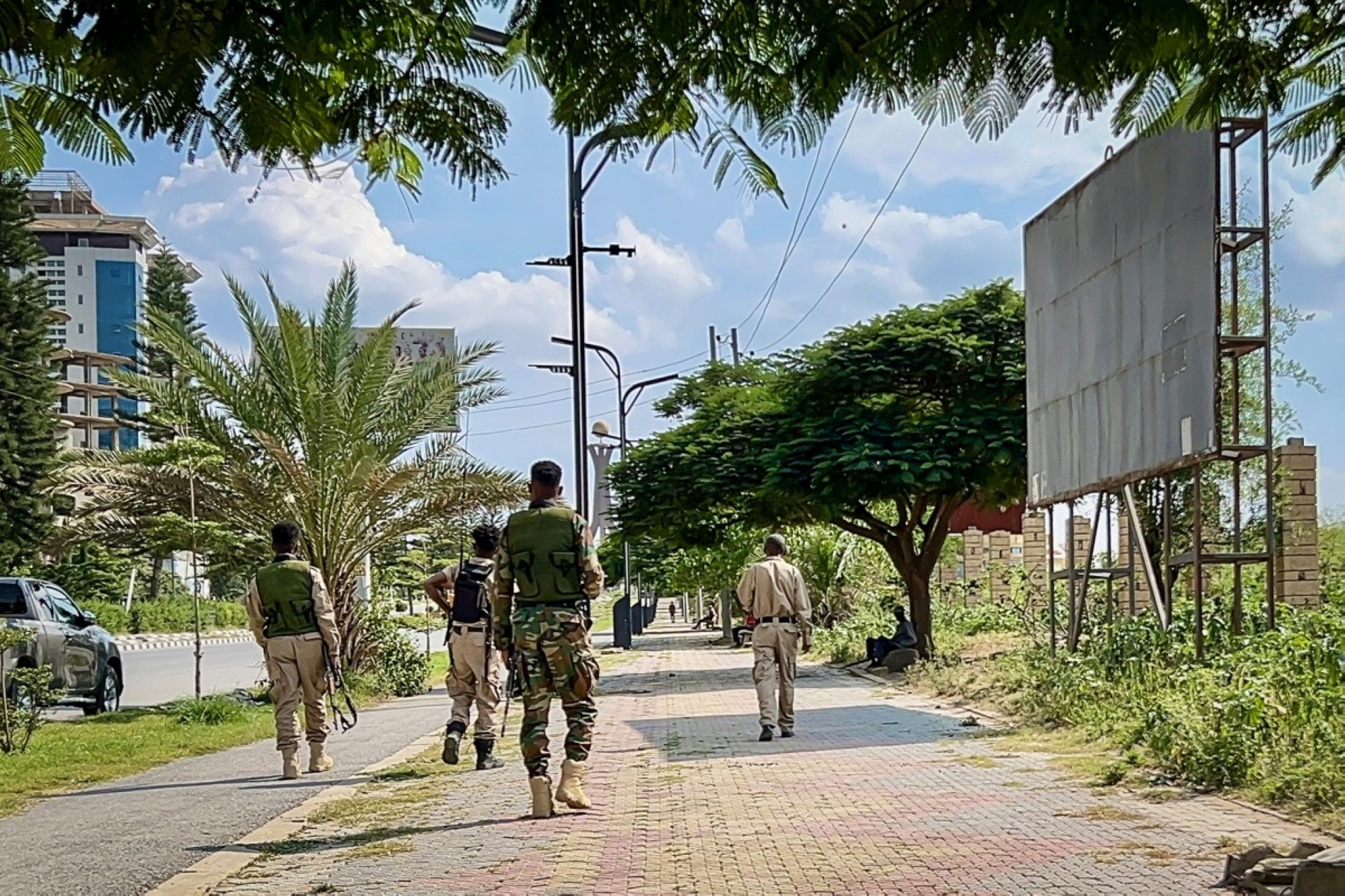
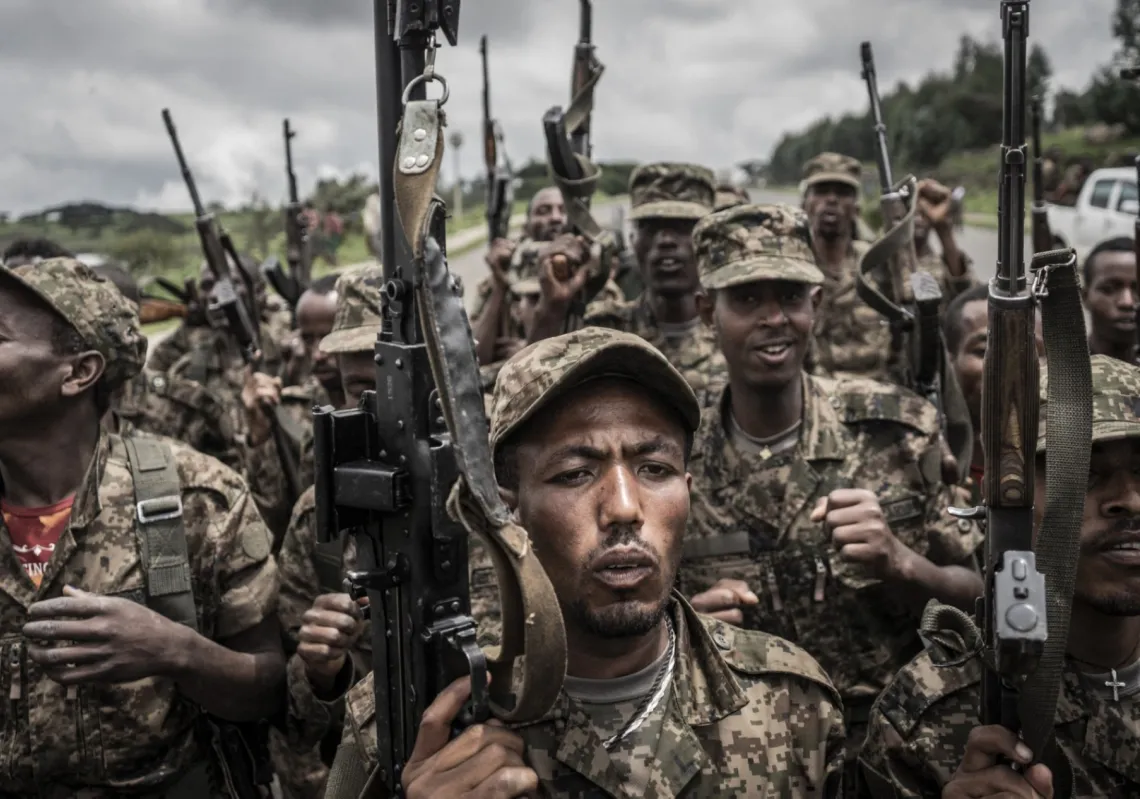
Members of the Tigray People's Liberation Front (TPLF) walk along a main road in Mekelle as tensions escalate in northern Ethiopia following the seizure of airports in the region by Tigrayan rebels on 23 September 2026.
While it is still too early to determine who will emerge victorious on the battlefield, rights groups are warning that the death toll could climb. The African Union estimated that the death toll from Ethiopia’s civil war from 2020-22 (during which Eritrea sided with the Ethiopian government) was 600,000. Militarily, the Ethiopian army is more powerful than the seven militias it is fighting, but a drone strike on 28 September against an Ethiopian airbase south-east of the capital, Addis Ababa, showed the rebels to have accurate long-range weapons of their own.
The war now covers nearly 40% of Ethiopia’s vast 1.1 million sq. km landmass, across territory bordering Sudan and Eritrea. Sudan is undergoing its own civil war, however, and the country is split between territory controlled by the Sudanese Armed Forces (SAF) and the west, which is controlled by the Rapid Support Forces (RSF), a paramilitary force based in Darfur, which is allegedly backed by the United Arab Emirates (a charge denied by the UAE). The SAF accuses Ethiopia of supporting the RSF.
The joint statement made no mention of Ethiopia, but it did describe Red Sea 'governance' as the exclusive responsibility of littoral nations
Initial optimism
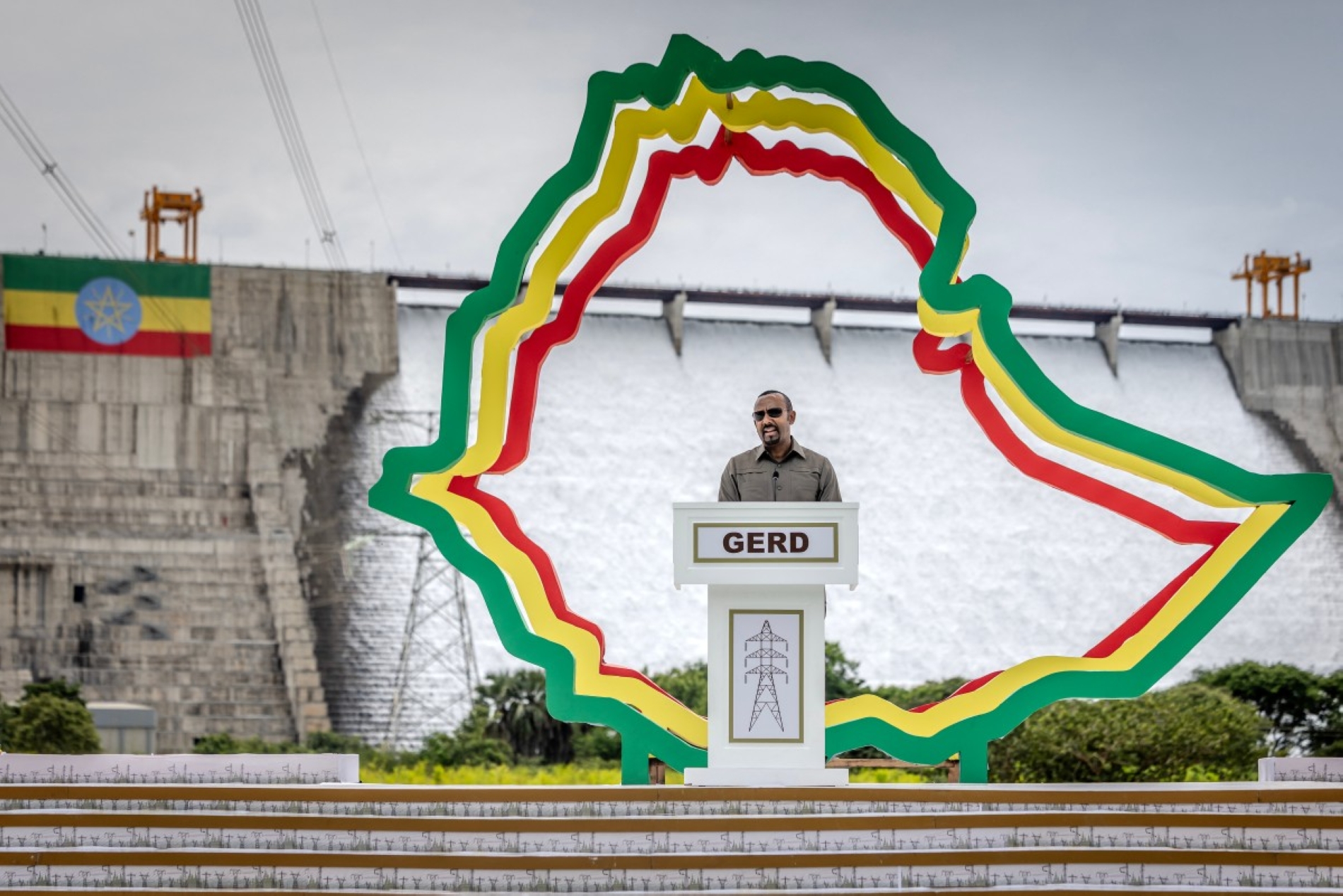
Ethiopia's neighbours were initially optimistic when Abiy took office in April 2018, but since then he has put relations under strain, not least by building a huge dam across the Nile River (which feeds Sudan and Egypt) and by seeking naval access to the Red Sea through agreements with local leaders in the breakaway region of Somaliland. All of this has left the Horn of Africa in a precarious position. Still, Ethiopia's neighbours are likely to avoid direct conflict, even though they may quietly help the militias fighting Abiy.
Eritrea and Ethiopia have had a troubled history, but in July 2018, three months into his rule, Abiy flew to Asmara to meet Eritrean President Isaias Afwerki and sign a joint declaration formally ending their 1998-2000 border war. Soon after, borders reopened, flights and phone connections resumed, and a follow-up agreement was sealed in Jeddah in September 2018. This helped Abiy win the 2019 Nobel Peace Prize.
In November 2020, that early warmth translated into a military partnership. When Ethiopia's Tigray war erupted, Eritrean troops fought alongside Ethiopian forces and Amhara militias against the TPLF, a long-standing enemy of Isaias. The fighting, which went largely unnoticed as the world battled the covid-19 pandemic, left swathes of destruction across northern Ethiopia and a staggering death toll.
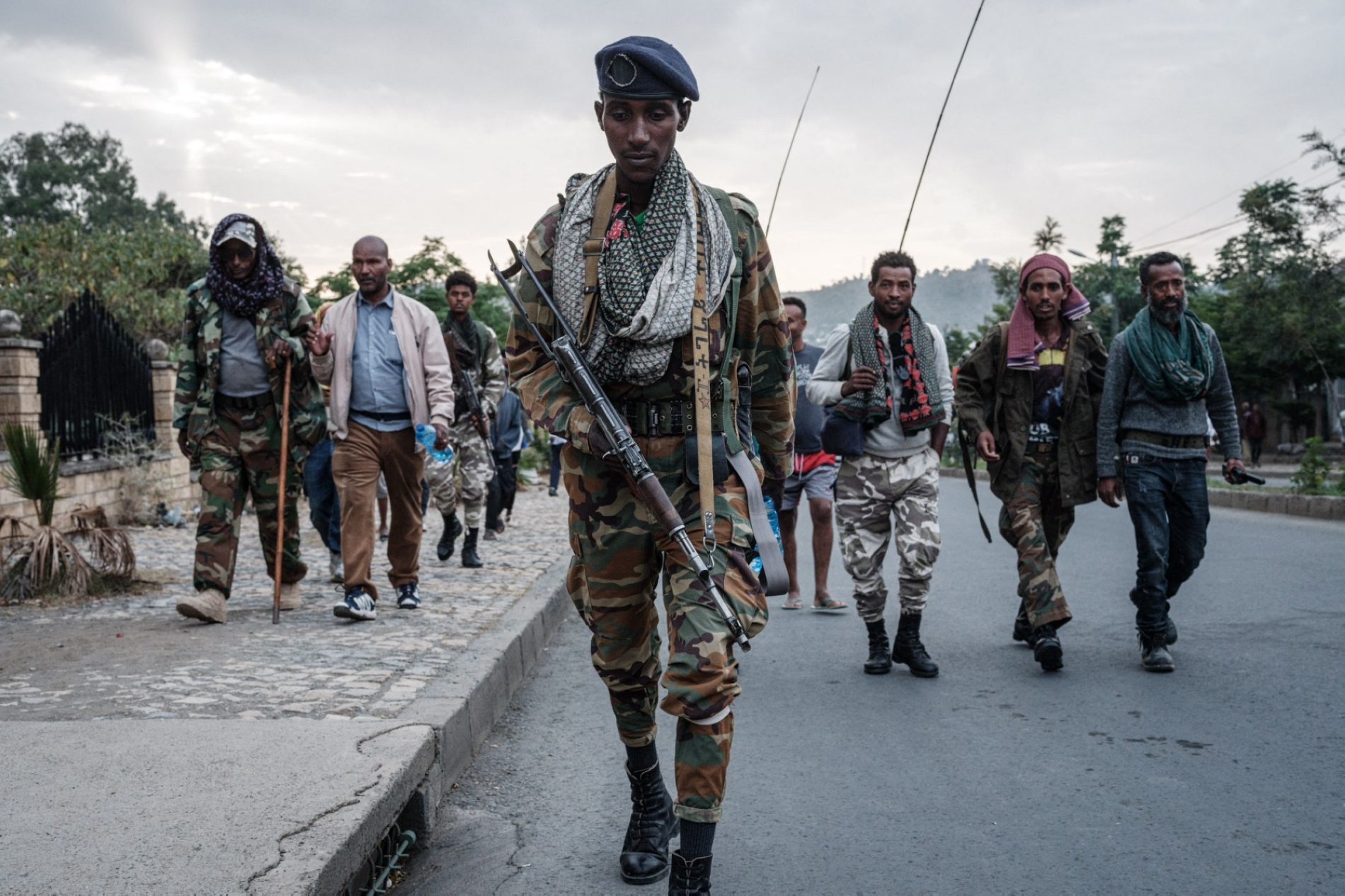
Tigray People's Liberation Front (TPLF) fighters arrive after eight hours of walking in Mekele, the capital of the Tigray region, Ethiopia, on 29 June 2021.
Ethiopia and the TPLF finally agreed to a ceasefire in Pretoria in November 2022, in a process that excluded Eritrea. Isaias felt cold-shouldered. The deal left the TPLF to fight another day. Furthermore, the Pretoria Agreement called for foreign forces to leave Ethiopia, including Eritrean troops. Within weeks, relations deteriorated further when Ethiopia accused Eritrea of arming the Fano militia in the Amhara region, which was still at odds with Abiy.
Conflicting interests
Landlocked Ethiopia currently uses Djibouti's port for its imports and exports, which confers an annual cost, whilst also leaving Addis Ababa vulnerable to a foreign state, so Abiy has put the issue of permanent Red Sea access at the top of his priority list, which has done nothing to mend relations with Eritrea, whose port of Assab is only 60km from the Ethiopian border. As cross-border tensions increased, Ethiopian and Eritrean soldiers moved towards Assab.
In 2018, shortly after he mended fences with Eritrea, Abiy arrived in Somalia's capital, Mogadishu, to do something similar. He and Somalia's then-president Mohamed Abdullahi Farmajo promised deeper cooperation on trade, ports, and infrastructure, establishing a joint commission to do so. For a period, the two states cooperated in the field of counterterrorism.
However, when Hassan Sheikh Mohamud returned to the Somali presidency in 2022, he took a harder line on sovereignty and federal unity, just as Abiy had begun to harden his stance on his country's Red Sea access quest.
In January 2024, Abiy signed a memorandum of understanding with the regional government of Somaliland, angering Mogadishu. The deal promised Ethiopia a 50-year lease over 20km of coastline near the Port of Berbera for commercial and military use, in return for Ethiopia recognising Somaliland. In response, Somalia recalled its ambassador from Addis Ababa, passed a law that rendered the deal null and void, and strengthened its security cooperation with Egypt, Ethiopia's main rival.
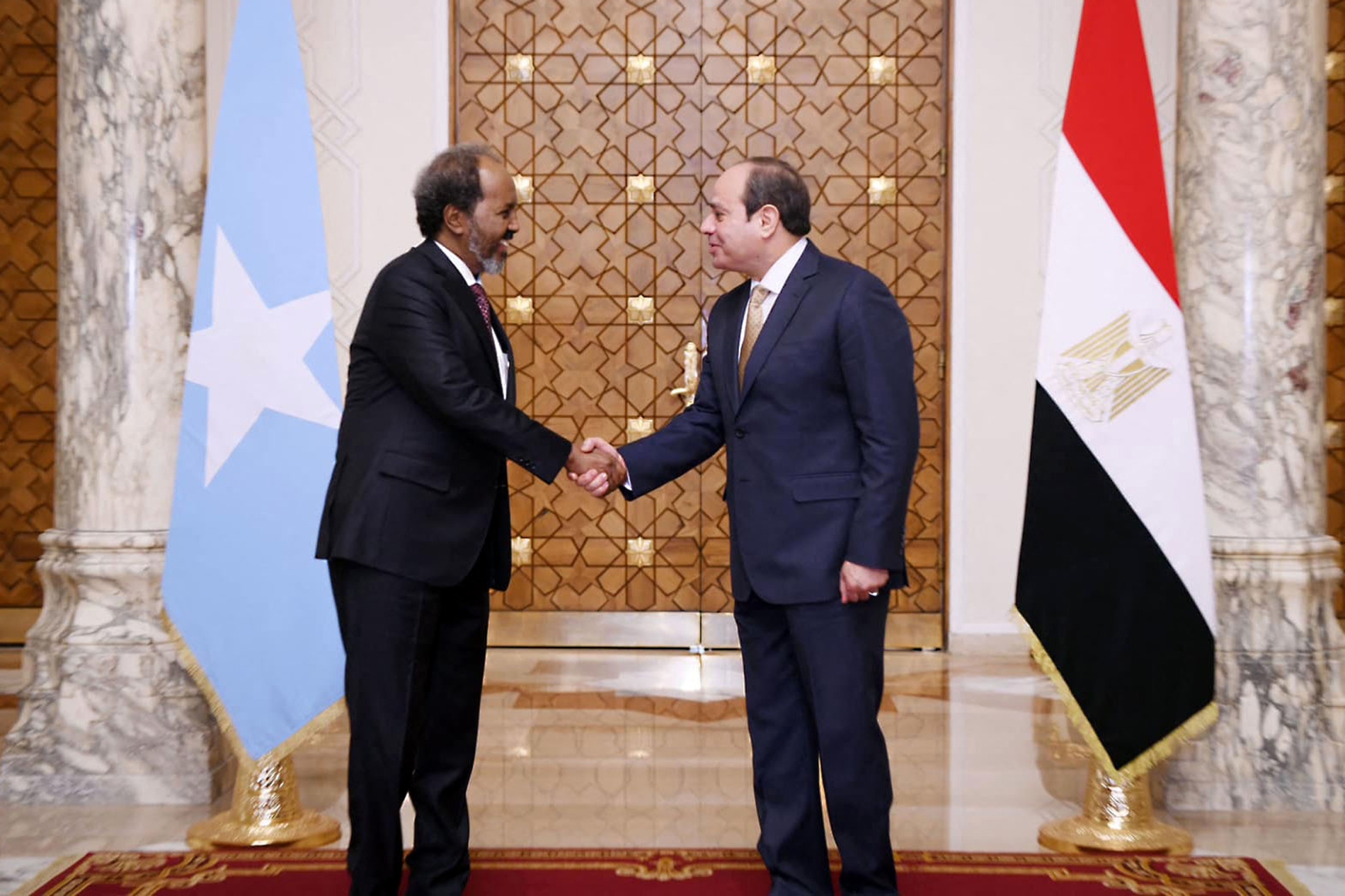
Egyptian President Abdel Fattah el-Sisi and Somali President Hassan Sheikh Mohamud, at the Ittihadiya Palace in Cairo, on 21 January 2024.
Just as Abiy's relations with Eritrea and Somalia began well, so too did they with Sudan. In 2019, Abiy mediated between Sudanese military and civilian leaders to agree on a power-sharing deal that created a transitional government. However, hope of a future alliance had begun to evaporate by the end of 2020, as tensions simmered over al-Fashaga, a fertile border triangle claimed by both Sudan and Ethiopia, and an area worked by Ethiopia's Amhara farmers under a 2008 pact between the two countries.
In November 2020, the eruption of the Tigray war changed the calculus. As Ethiopian and Eritrean forces were drawn to the north, the Sudanese army moved into al-Fashaga, pushing the farmers out. Ethiopia accused Sudan of taking advantage of its war in Tigray, but Sudan said it was simply recovering its own territory. Sudan also took in tens of thousands of Tigrayan refugees, which led Ethiopia to accuse it of giving a safe haven to the TPLF.
Ethiopia's decision to dam the Blue Nile to provide the country with hydroelectricity led Sudan to fear for its own freshwater supply downstream, but by 2023 Sudan's civil war had erupted, pitting the SAF against the RSF. Ethiopia initially professed neutrality and offered to help mediate, but its close relationship with the UAE (allegedly the RSF's main backer) led to concern. In 2025, the SAF accused Ethiopia of helping the RSF with logistics, training, and drone attacks launched from Ethiopian territory.
Prime Minister of Ethiopia Abiy Ahmed delivers his remarks during the official inauguration ceremony of the Grand Ethiopian Renaissance Dam (GERD) in Guba, on 9 September 2025.
A tactic worn thin?
Abiy has used tensions and antagonism with countries like Egypt and Eritrea to shore up support at home, but that tactic usually only works for a while, and now seems to be wearing thin. What once looked like clever diplomacy now risks rebounding. Ethiopia's neighbours seem unlikely to arm Ethiopian militias at odds with Addis Ababa, not least because of the destabilising effects Ethiopia's disintegration would have on the region, but several nearby states would nevertheless like to see Abiy's position weaken.
When Abiy met Somalia's Mohamud in Addis Ababa on 29 September, some saw it as a last-ditch attempt to secure at least one friendly neighbour. Critics point to Abiy's cosy ties with distant partners such as Israel and Abu Dhabi, hoping they may come to his rescue. Their interests align over the Red Sea, a maritime trade route whose importance has risen after Iran closed the Strait of Hormuz, but whether their support would rescue Abiy from the internal forces seeking to oust him, only time will tell.