The port of Assab and the risk of an Ethiopia-Eritrea war

Landlocked Ethiopia says sovereign access to the Red Sea is an ‘existential’ issue, and its troops are now massing on the border with its smaller neighbour, Eritrea. What next?

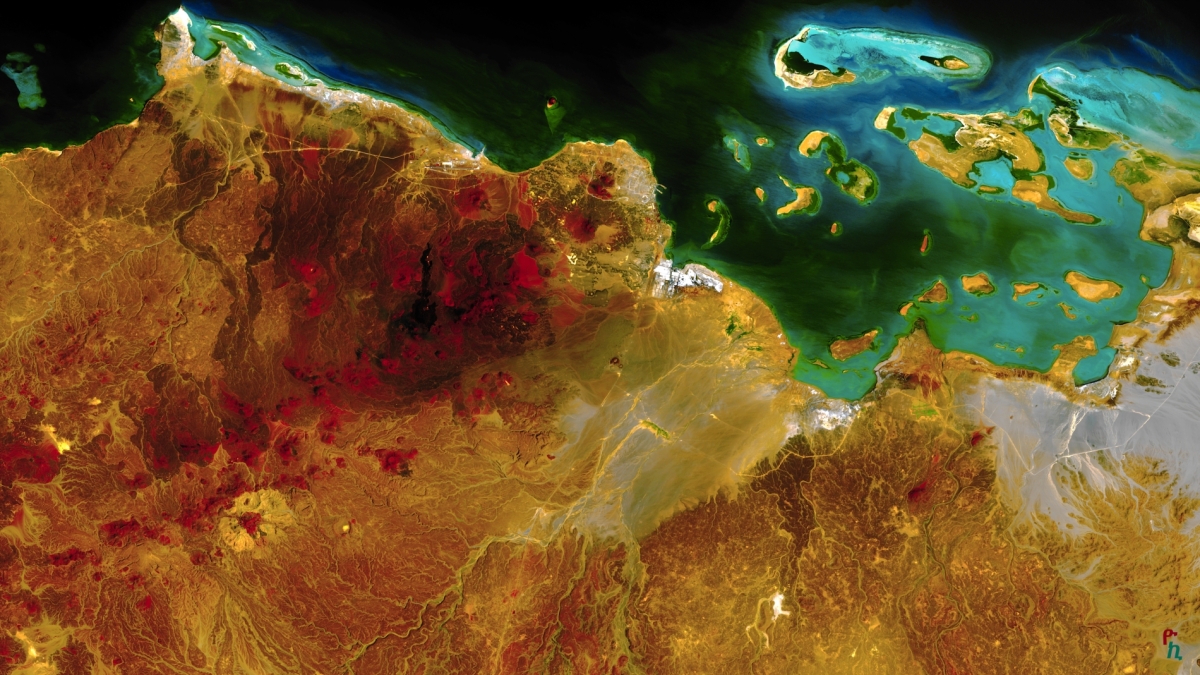
A false-color image of the area surrounding the coastal city of Assab and the Red Sea coast, based on satellite imagery data captured on 23 October 2019.
Wikimedia Commons
A false-color image of the area surrounding the coastal city of Assab and the Red Sea coast, based on satellite imagery data captured on 23 October 2019.

The port of Assab and the risk of an Ethiopia-Eritrea war

The dispute between Ethiopia and Eritrea over the Red Sea port of Assab now extends well beyond that of a maritime facility or outlet for international trade. It reflects a structural contradiction between two states with a shared history but divided on issues like sovereignty, security, borders, and the state itself.

For Ethiopia, Assab embodies its historical loss of direct access to the sea. This is a growing strategic concern, with the country’s population and economy both having expanded. For Eritrea, the port is a key and inseparable part of its sovereignty, won through a long war of independence. Thus, the port mixes economic interests with domestic power struggles, regional alliances, and foreign intervention, particularly in a region already afflicted by weak state institutions and protracted armed conflicts.

The modern roots of the crisis lie in Italian colonial expansion in the 19th century. Italian control of Assab began in 1869 through the Rubattino shipping company, which acquired the right to administer the port from local authorities. Administration passed to the Italian state in 1882, and Assab subsequently became part of Italian Eritrea, formally established as a colony in 1890. With the opening of the Suez Canal in 1869, this was a time of intensifying European competition for ports and trade routes through the Red Sea.

Italy lost control of East Africa in 1941, when Assab and the rest of Eritrea came under British occupation and administration. Following the Second World War, Eritrea’s future administration was debated. On 2 December 1950, the UN General Assembly adopted Resolution 390, recommending the establishment of a federation between Eritrea and Ethiopia. The arrangement came into effect in 1952. It recognised Ethiopia’s legitimate need for access to the sea, and granted autonomy to Eritrea (with its own legislative, executive and judicial institutions responsible for internal affairs) within a federation under the sovereignty of the Ethiopian Crown.

The resolution did not grant Ethiopia permanent ownership of Assab as a separate sovereign possession, but it went beyond a commercial agreement between two independent states by establishing a federation with sovereign authority at the federal level, defined powers, and Eritrean autonomy. These legal distinctions remain essential to assessing the competing claims surrounding Assab today.

Emperor Haile Selassie gradually undermined Eritrea’s autonomous institutions before abolishing the federal system and fully annexing the territory in 1962. A year earlier, Eritrea’s armed struggle for independence had already begun. The Ethiopian Empire fell in the revolution of 1974, and the military regime of Mengistu Haile Mariam reasserted centralised control through force.
Yasuyoshi Chiba / AFP
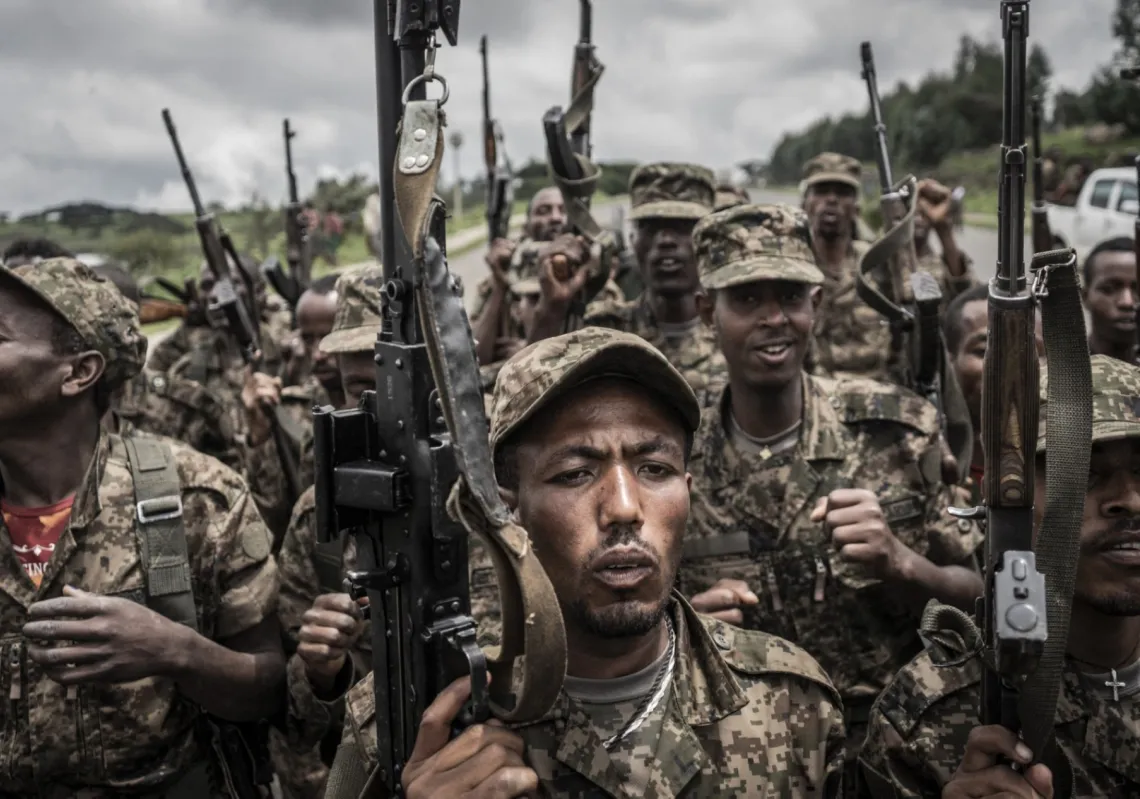
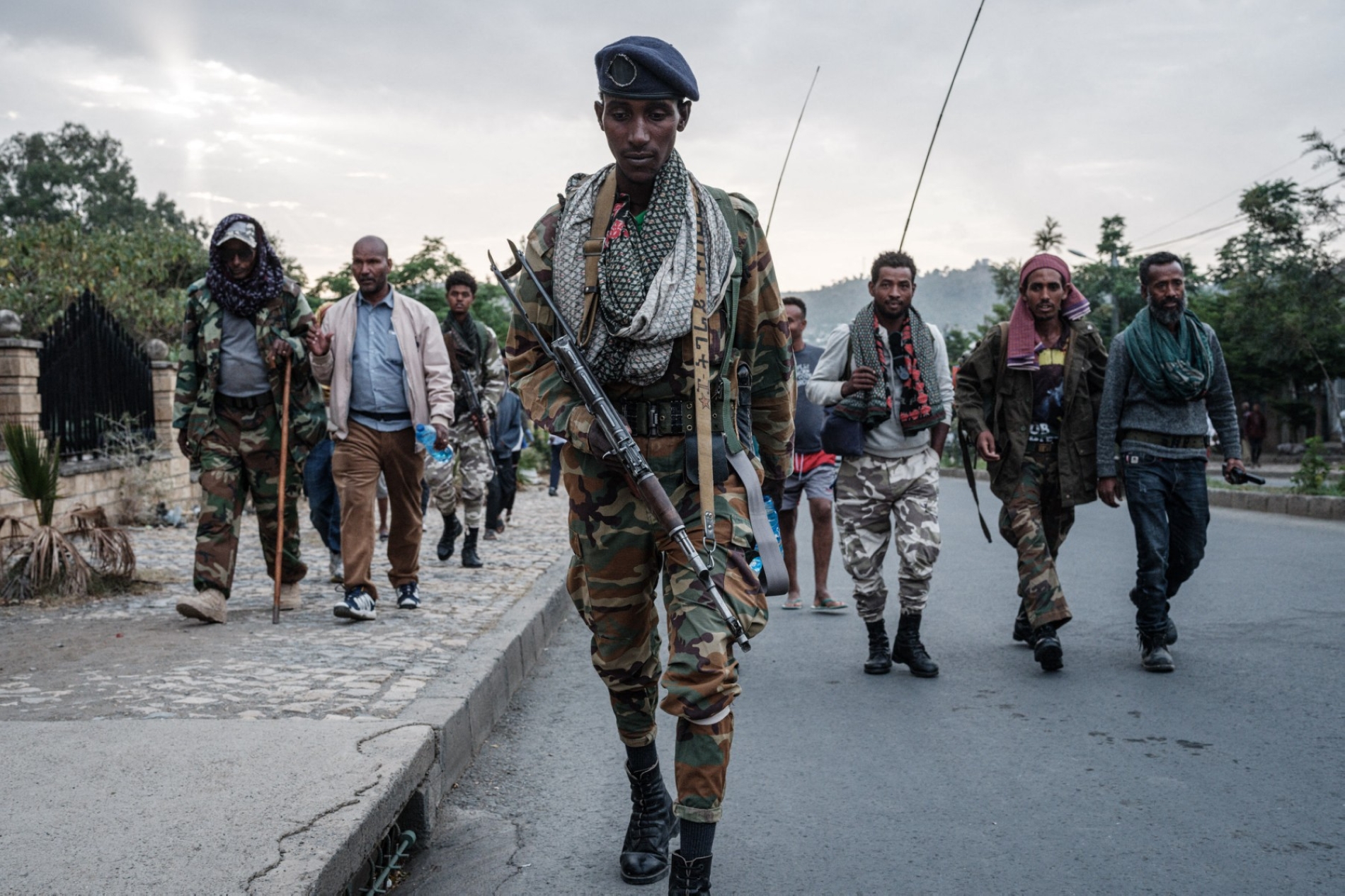
Tigray People's Liberation Front (TPLF) fighters arrive after eight hours of walking in Mekele, the capital of the Tigray region, Ethiopia, on 29 June 2021.

Alliances and interests

Opposition to his rule fostered cooperation between the Eritrean People’s Liberation Front (EPLF) and the Tigray People's Liberation Front (TPLF), which was waging a parallel campaign to overthrow the regime. Their common struggle contributed to Mengistu’s defeat in 1991, although the alliance concealed a fundamental difference between their political ambitions: the Eritrean movement sought to establish an independent state, while the Tigrayan movement aimed to overthrow the regime and restructure power within Ethiopia. A common enemy had united them, but victory exposed their conflicting visions of statehood.

Eritrea gained independence in 1993 following a popular referendum endorsed by Ethiopia’s new government, then led by Meles Zenawi, and it was recognised by the international community. Independence made Ethiopia landlocked, losing its direct access to the Red Sea. Yet this did not disappear overnight. The country continued to use Assab under arrangements agreed with Eritrea, until mounting economic, territorial and political disputes culminated in the 1998–2000 war. This ended with the Algiers Agreement, followed by the boundary commission’s ruling in 2002.

Relations between the two countries remained hostile and Ethiopia shifted almost all its maritime trade to Djibouti. Subsequent demographic and economic developments have sharpened the consequences. Ethiopia now has 135 million people, a growing industrial economy, and a thirst for international trade, but with almost all its foreign trade passing through Djibouti, it depends heavily on a single transit route. That dependence creates genuine economic vulnerabilities.
Ethiopia has 135 million people, a growing industrial base, and a thirst for international trade, but almost all trade depends on a single transit route through Djibouti

'Existential necessity'

It is not surprising that a country of Ethiopia's size should want to diversify its maritime outlets and secure reliable access to global markets, but however legitimate its economic needs may be, they confer no sovereign entitlement to another country's territory. The right of access to the sea is fundamentally different from the right to a coastline, just as facilitating trade is distinct from redrawing borders.

Since October 2023, Ethiopian Prime Minister Abiy Ahmed has increasingly presented access to the Red Sea as an existential necessity, bound up with the country's future and security. His rhetoric has extended beyond improving commercial transit arrangements to demands for sovereign maritime access and naval capabilities. He invoked history to portray the loss of Ethiopia's coastline as a historical wrong that now needed to be corrected. This rhetoric has coincided with severe domestic crises, particularly in the northern regions of Tigray, Amhara, and Oromia.

In January 2024, Ethiopia signed a memorandum of understanding with local authorities in Somaliland, a coastal region of Somalia that wants to break away. The proposed arrangement envisaged a stretch of coastline and the establishment of a naval facility in exchange for Ethiopian recognition of Somaliland's independence. Somalia's federal government rejected the agreement as a violation of its sovereignty, triggering tensions. Mediation by Türkiye produced the Ankara Declaration in December 2024, which acknowledged the possibility of Ethiopia securing sustainable commercial access to the sea under Somali sovereignty, without granting it a sovereign coastal outlet.

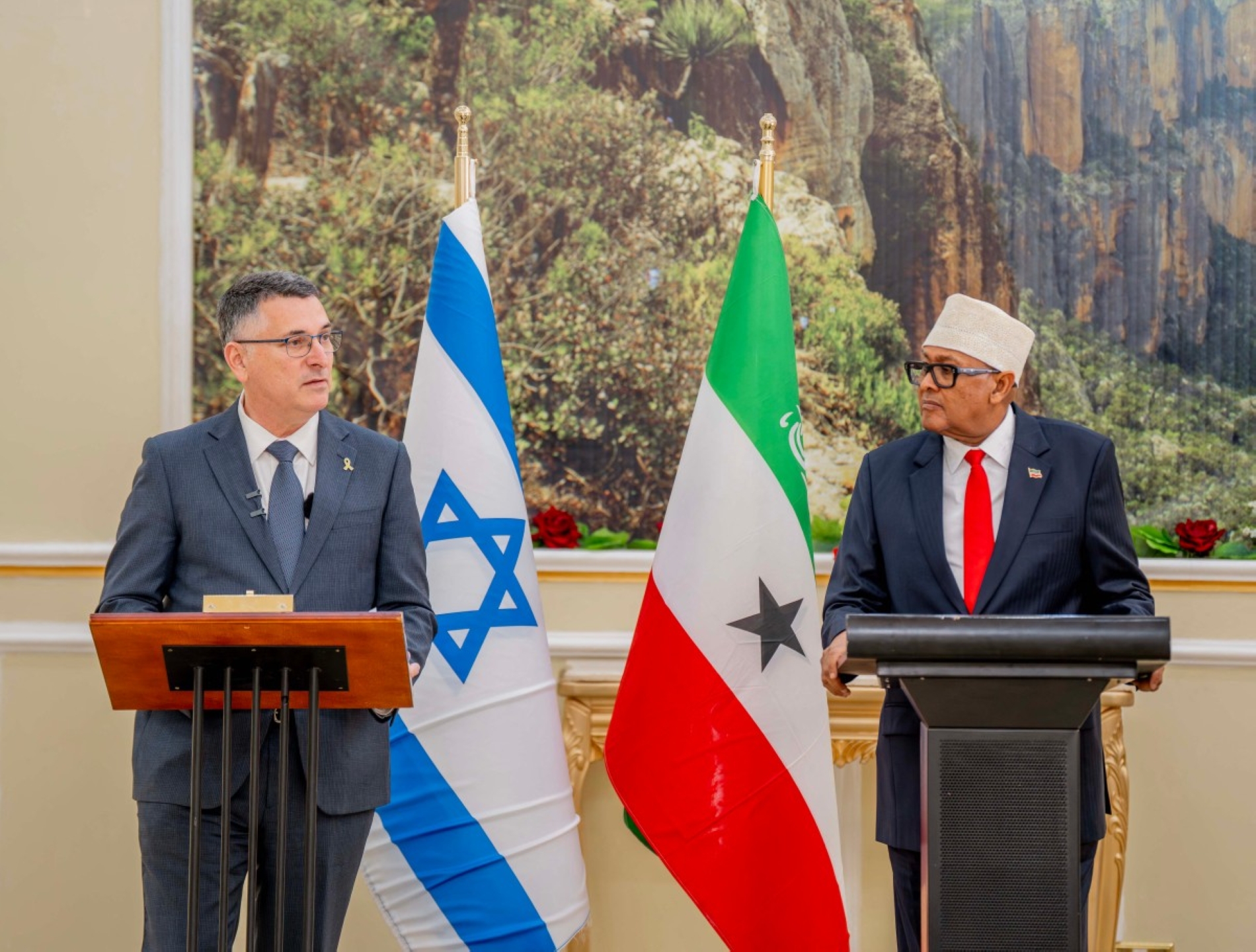
In December 2025, Israel (which also wants Red Sea access) became the first UN member state to recognise Somaliland. Ethiopia's attempt to obtain sovereign maritime access through the Somali coast stalled, which brought renewed attention to the port of Assab, which occupies a distinctive place in Ethiopia's political memory.

AFP
Somaliland President Abdirahman Abdullahi Mohamed during a press conference with Israeli Foreign Minister Gideon Sa'ar at the Presidential Palace in Hargeisa, 6 January 2026.

Collapsing rapprochement

The rapprochement between Ethiopia and Eritrea that began in 2018 was now collapsing. The reconciliation between Addis Ababa and Asmara had developed into a military alliance against the TPLF during the 2020-22 war, but the Pretoria Agreement, which ended that conflict, was subsequently signed without Eritrea's participation, creating a deep rift between the two countries.

With no lasting framework for shared economic interests and mutual security guarantees, relations depended on a convergence of interests and calculations regarding domestic adversaries. As the arrangements underpinning Pretoria unravelled, Eritrea developed ties to the TPLF, despite them having fought so bitterly just a few years earlier. In September 2026, large-scale fighting resumed in Tigray. Ethiopian soldiers advanced, capturing Mekelle, the regional capital, before moving towards the Eritrean border. Thus began the latest and most dangerous phase.

Addis Ababa and Asmara severed diplomatic relations and accused each other of military interference, support for armed groups, and aggression. Ethiopia invoked Article 51 of the UN Charter to justify measures it said it was taking in self-defence. Eritrea accused Ethiopia of using these claims as a pretext for seizing Assab. Military movements and mounting threats on both sides have now heightened the risk of war.

This escalation cannot be understood in isolation. Foreign states have an interest in the Horn of Africa and seek to exploit state weaknesses. Ethiopia maintains close ties with the United Arab Emirates, which has economic and military influence in the ports of the region and across regional supply networks. Israel's recognition of Somaliland also signalled support for Ethiopia's ambitions to secure maritime access there.

For Sudan, which has been ravaged by an ongoing civil war, the prospect of fighting between Ethiopia and Eritrea poses a direct threat. The Sudanese Armed Forces are fighting the Rapid Support Forces (RSF) militia, which now controls the giant Darfur region in western Sudan. The RSF supply network is said to include the UAE, but Abu Dhabi denies it.

The International Crisis Group cites reports that RSF forces are stationed in the Benishangul-Gumuz region near the border and launch attacks from there into Sudan's Blue Nile region. Should war break out, the militarisation of the border, the flow of weapons and fighters, and further waves of displacement would compound these dangers, adding to the burden on Sudan. Any Ethiopia-Eritrea confrontation would therefore draw in overlapping conflicts and foreign actors.

Mohamed Nureldin Abdallah / Reuters
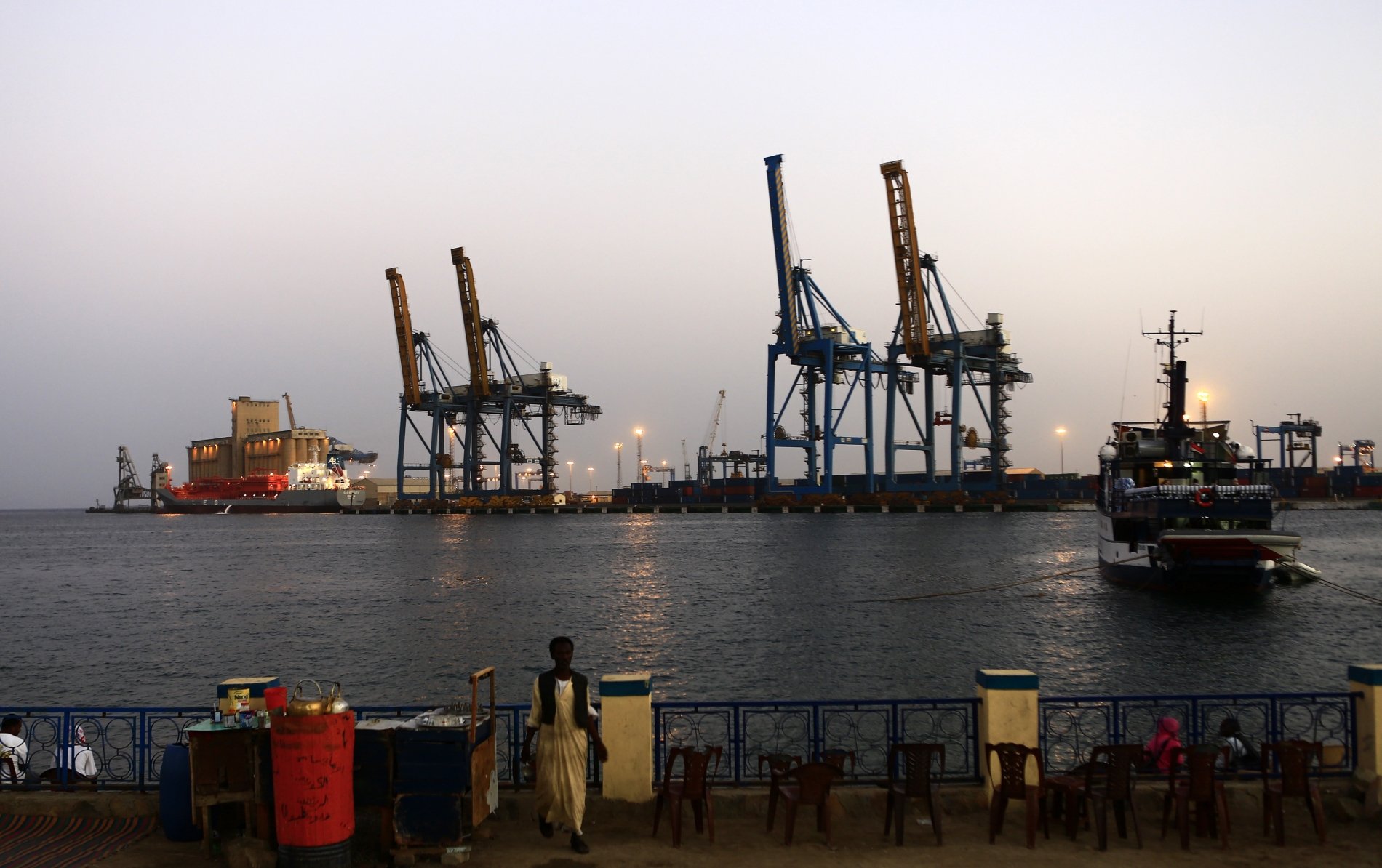
The harbour of Port Sudan on the Red Sea on 24 February 2014. It is Sudan's main seaport and source of 90% of its international trade.

Dangers of escalation

The maritime trade routes around the Horn of Africa are some of the world's busiest and most sensitive, as they intersect with the strategic interests of regional and global powers. Any extension of hostilities towards Eritrea's coastline would increase the risks to ports and shipping, drive up transport and insurance costs, and add more instability in a maritime corridor already suffering the repercussions of the civil war in Yemen.

The African Union has a particular responsibility to turn its calls for restraint into urgent diplomatic action. It could reopen communication channels between Addis Ababa and Asmara, establish verifiable arrangements to prevent military clashes along the border, and support the resumption of a political process to address the conflict in Tigray. Regional governments could likewise approach the crisis as a shared threat to stability, rather than an opportunity to alter the balance of power in their favour.

Saudi Arabia and Türkiye could help reduce tensions,  forge understandings, and safeguard security in the Red Sea, but foreign powers supplying weapons must also commit to ending any military and financial assistance that fuels confrontation. Some call for peace while supplying the means to wage war.

There is no inherent legal conflict between Ethiopia's right of access to the sea and Eritrea's sovereignty over its territory. International law recognises the legitimate interests and transit rights of landlocked states, while granting them no right to seize the territory of coastal countries. Respect for borders inherited at independence remains a cornerstone of the African regional order. Together with the prohibition on the use of force enshrined in the UN Charter, this principle places clear limits on territorial claims.

AFP
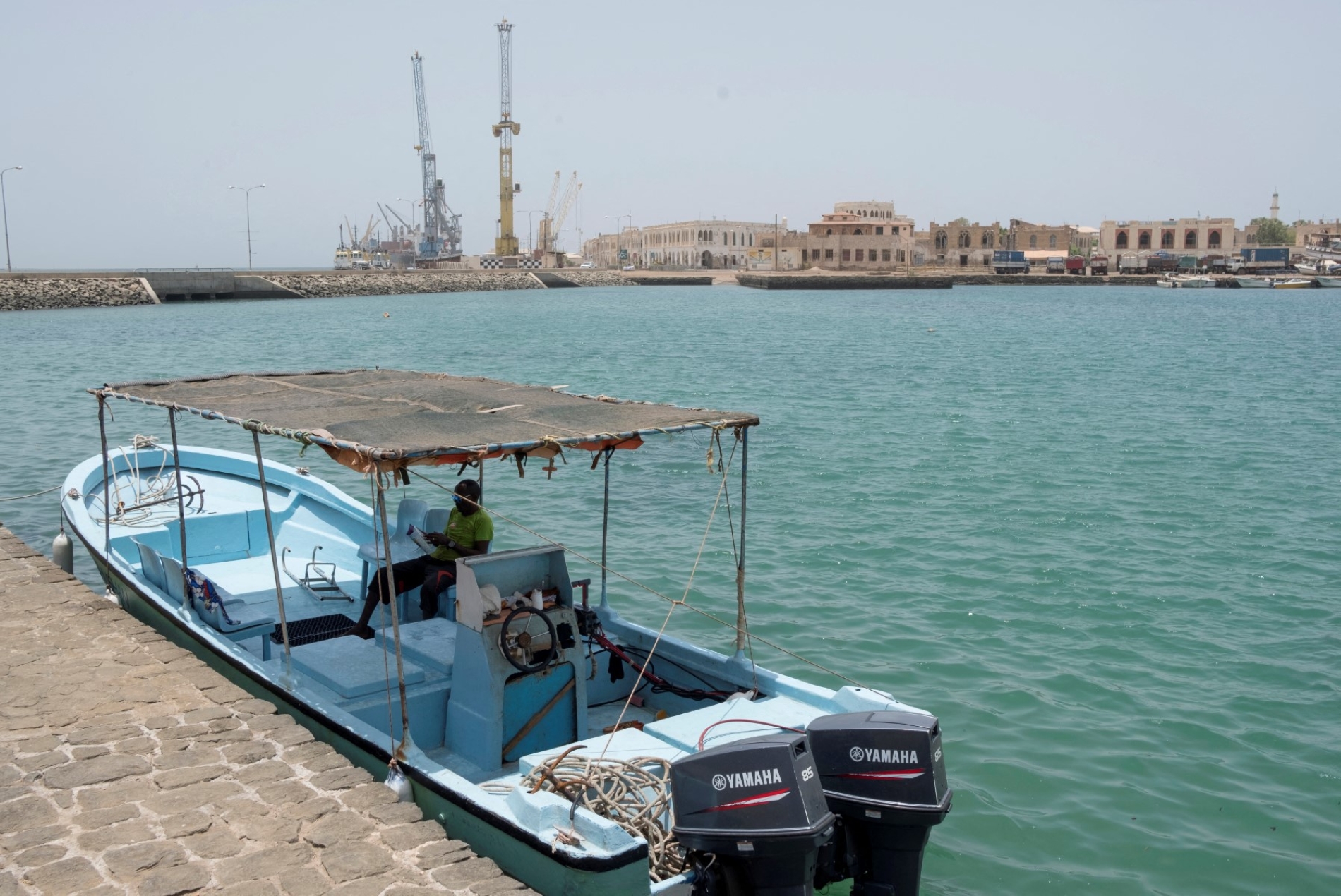
A boatman transports visitors along a shore near the old port of Massawa—located 60 kilometers from the Eritrean capital—including civilians arriving from Ethiopia to visit Eritrea's Dahlak Islands.

Contractual agreements, joint investments, and reciprocal security arrangements could provide practical solutions to the question of maritime access without reopening disputes over sovereignty. Ethiopia and Eritrea have already demonstrated that Eritrean independence can coexist with Ethiopian use of the port of Assab. Geography did not end that arrangement; it collapsed because political and security understandings between the two countries broke down. Renewing cooperation will require more than another port agreement; it will demand measures to address mutual security concerns, backed by international guarantees.

A region at stake

Assab represents a test of the future political and security order in the Horn of Africa, with implications far beyond the fate of a port. Ethiopia's need for maritime access is an economic and strategic reality, but turning that need into a claim to sovereignty is no remedy for the underlying economic problem and threatens to ignite a fresh dispute over borders and legitimacy. For Eritrea, defending independence and sovereignty is compatible with establishing good economic relations with its larger neighbour.

For the countries of the Horn of Africa, not least Sudan, preventing war is essential to protecting their own security and sovereignty. In a region exhausted by conflict and the collapse of state institutions, the greatest danger is that an attempt to change Ethiopia's landlocked status by force ignites another war, at a cost to all concerned far greater than any benefit its proponents hope to gain.

font change