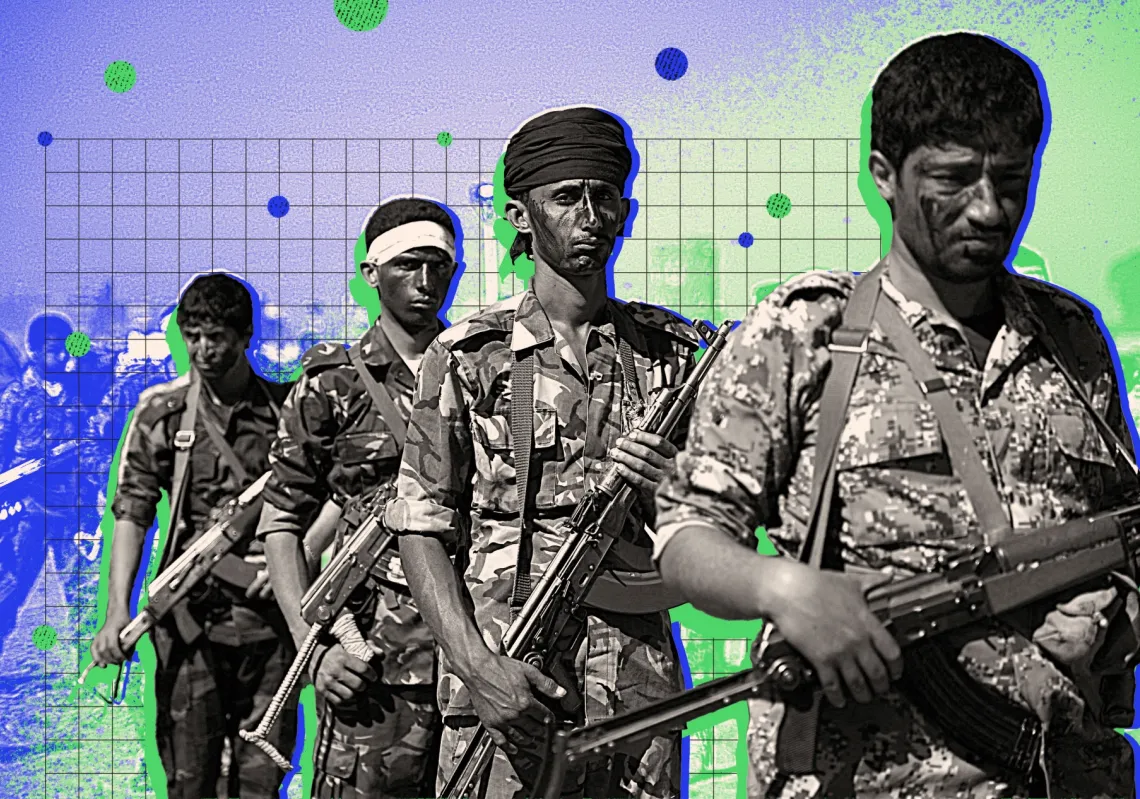

As Iran seeks to disrupt energy flow and the markets, the focal point of the fighting has for now shifted to Yemen, with the Iran-backed Houthi militia staging attacks on Saudi airports, cities, oil facilities, and infrastructure. A host of regional actors have come together to mediate, with most agreeing the issue cannot be fully resolved militarily.
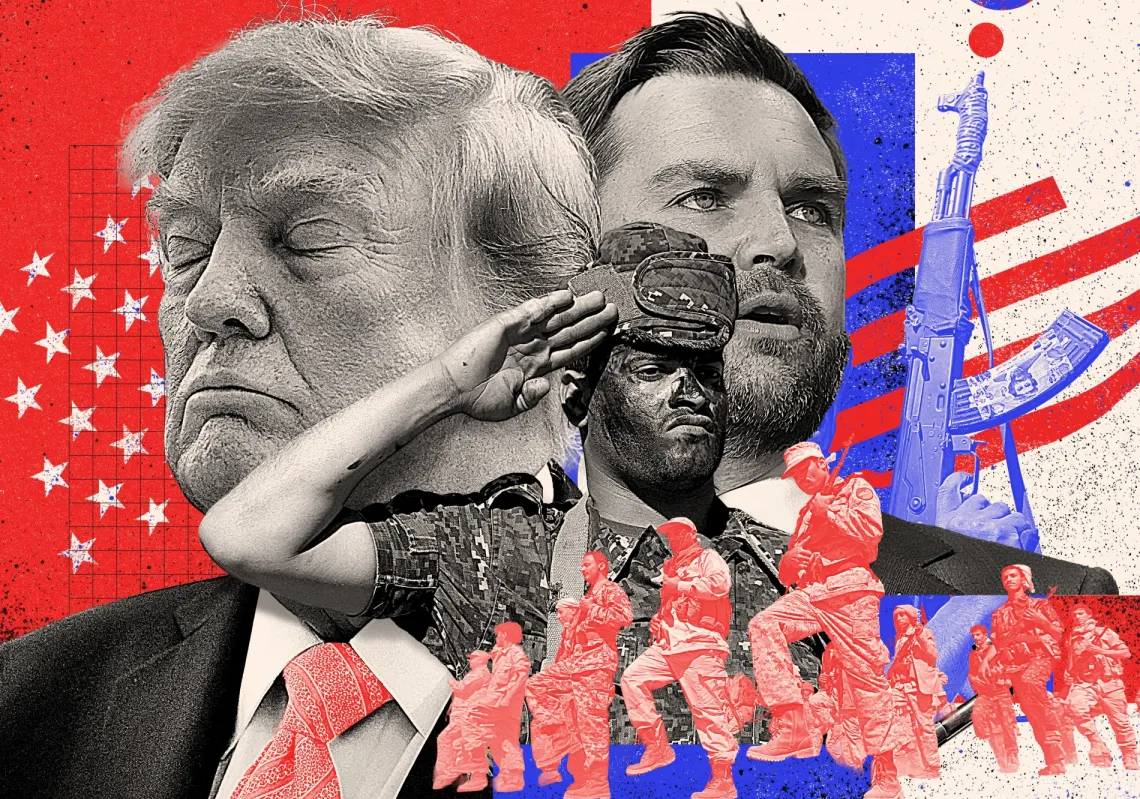
US President Donald Trump faces tough mid-term elections next month, so he is keenly sensitive to any Middle East flare-up and its domestic impact on fuel prices. Although he has pulled some troops out of Iraq and Syria, he has not been able to leave the Middle East, and the US is still locked in a war with Iran. Despite Trump’s claim of victory, Iran has not been defeated. Against this backdrop, Türkiye is navigating a regional landscape where multiple crises and lingering tensions intertwine. Below are three pressing issues Ankara faces.
War against the Houthis
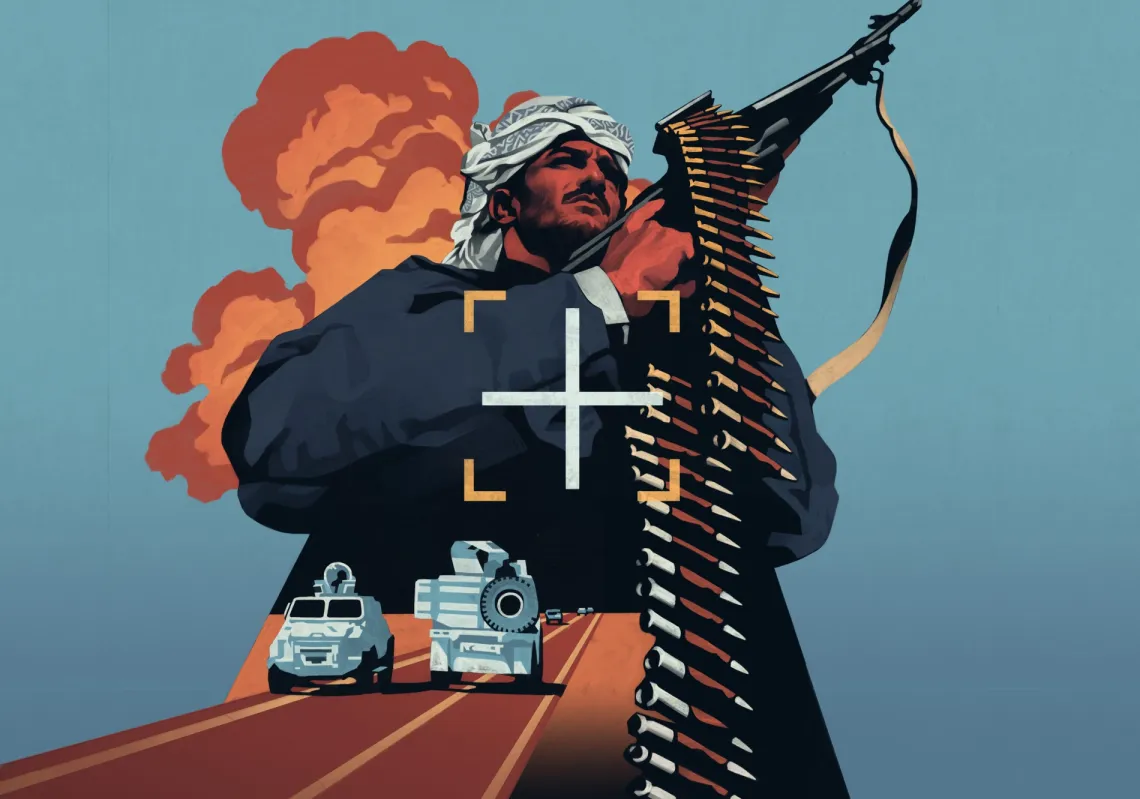
More recently, the Houthis began targeting Saudi interests both on land and at sea, but Trump has not ordered the US military to fight the Yemeni rebel group, as it has done in the past. Instead, he has said he will ask Turkish President Erdogan to intervene in support of Saudi Arabia. Ankara has yet to respond.
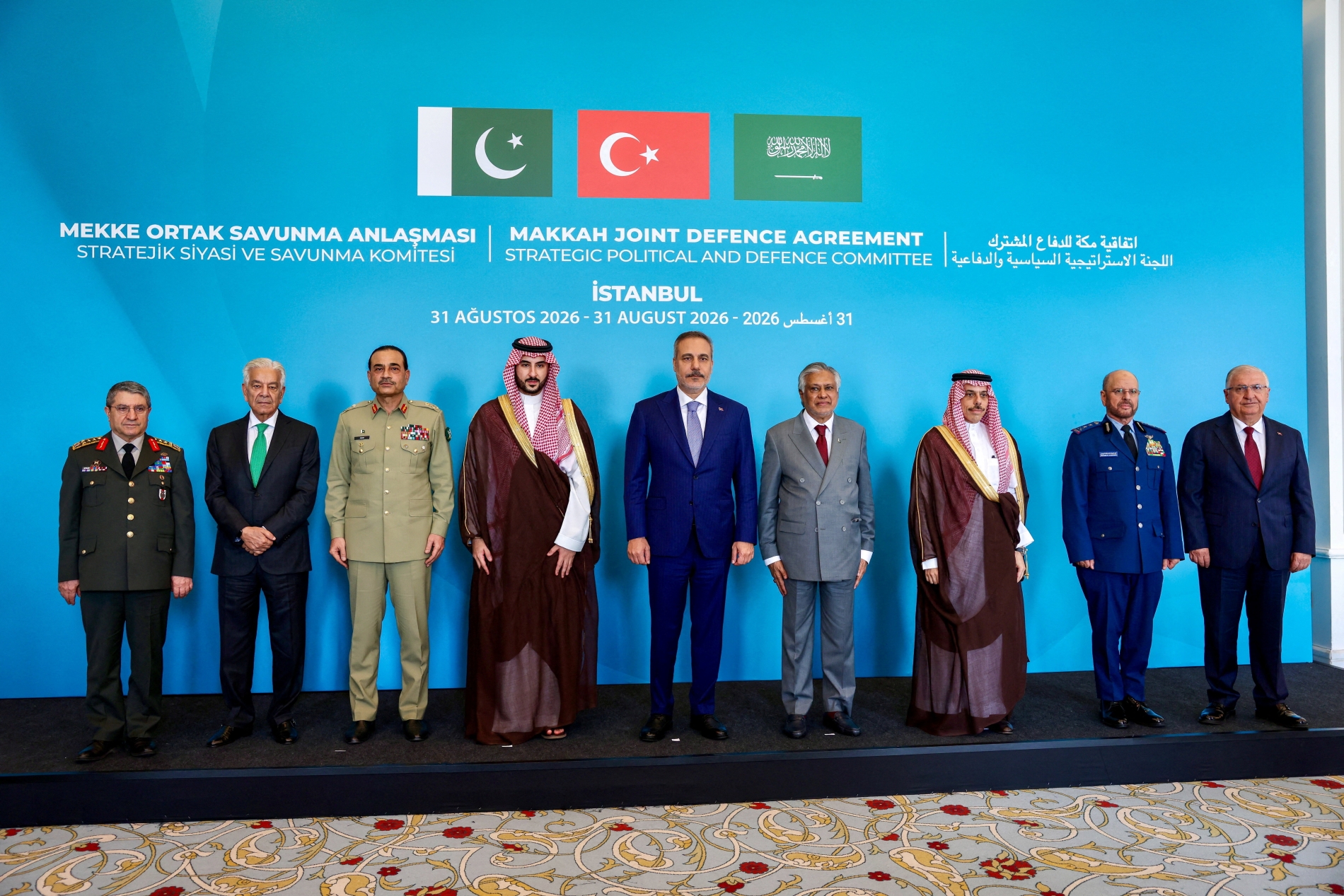
New regional alliances and forms of cooperation are already emerging amid a US security vacuum, but it remains unclear how they will take effect. A notable example is the tripartite Mecca Agreement, signed on 7 August by Türkiye, Saudi Arabia, and Pakistan. It is a mutual defence treaty, similar to NATO’s Article 5, which says that an attack on one is an attack on all.
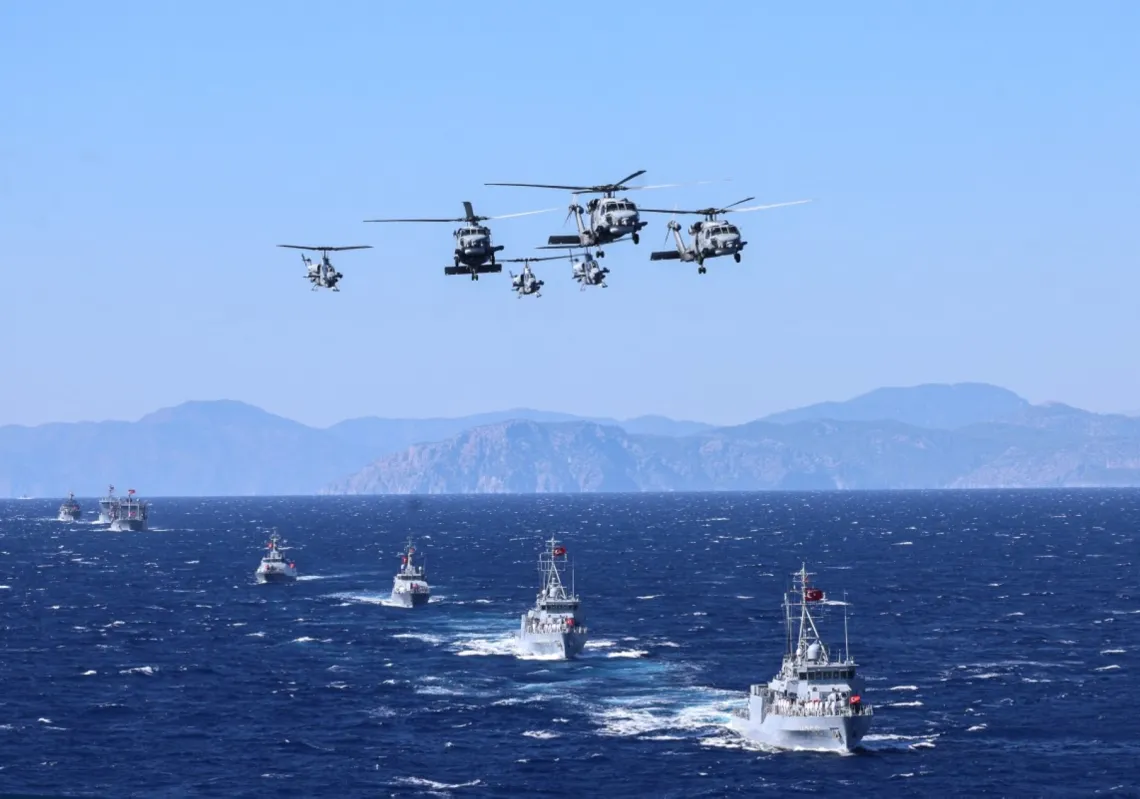
On Tuesday, the Mecca Joint Defence Agreement—a defence pact between Pakistan, Saudi Arabia and Türkiye—was sent to the Turkish parliament for ratification. Government sources told Al Majalla that Türkiye would more likely be asked to provide defensive support, such as helping protect holy sites and economic infrastructure in Saudi Arabia. Some Turkish military personnel and assets are said to have already been deployed for this purpose.
Tensions with Israel
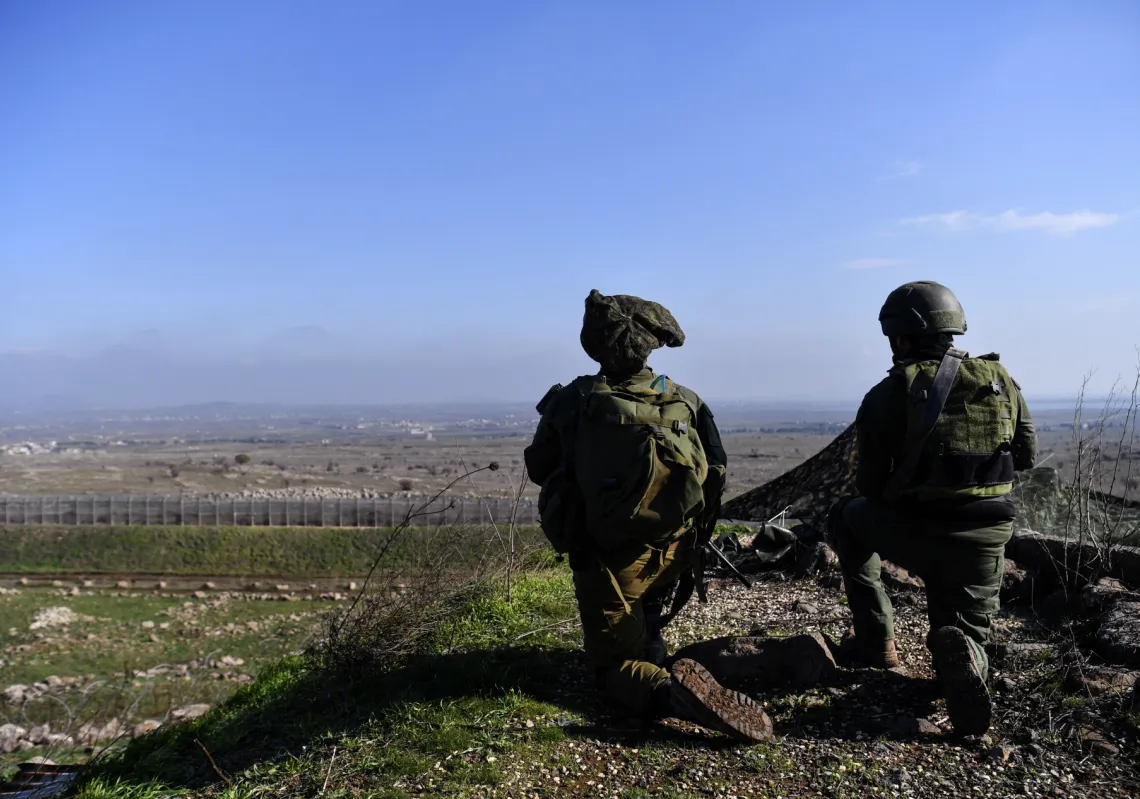
Approaching Israeli polls show a tight election race, the first since Hamas launched its now infamous October 7 attack. Netanyahu, who is running on a security ticket, is desperate to win, not least because he could face prison after a corruption trial if he doesn't. A former Shin Bet (Israel’s domestic intelligence agency) chief recently warned that Netanyahu may inflame border tensions on one of Israel’s security fronts ahead of the vote.
For years, Israel has wanted to establish diplomatic relations with Saudi Arabia, but Riyadh has laid out its conditions: a path to Palestinian statehood, enshrined in the Arab Peace Initiative. Some see the current situation as an opportunity to pursue their diplomatic objectives. Turkish-Israeli relations are a major factor in this context. Türkiye has criticised Israel’s “genocidal” actions. In turn, Netanyahu called Erdoğan an anti-Semite, a tyrant, and a host to Hamas leaders. Some worry that tensions between the two may escalate into war, but that possibility remains remote. Both have strong militaries, and direct confrontation would be highly damaging to each state. Still, a short-term softening in Türkiye-Israel relations seems unlikely.
Tensions with Azerbaijan
A new law in Azerbaijan prohibiting students and teachers from wearing clothing that contradicts the secular nature of education has negatively affected Türkiye-Azerbaijan relations. But relations were already somewhat strained, given Azerbaijan's closeness to Israel.
Azerbaijan has not criticised Israeli actions against the Palestinians and indeed has further strengthened relations with Tel Aviv, having found common cause over their mutual distrust of Iran, with whom the Azeris share a 690km border. Israeli President Isaac Herzog was invited to the Seventh Summit of the Conference on Interaction and Confidence Building Measures in Asia (CICA) in Baku last week, which caused an additional upset. Representatives of Türkiye, Saudi Arabia, and Egypt walked out of the hall in protest when Herzog took the floor.
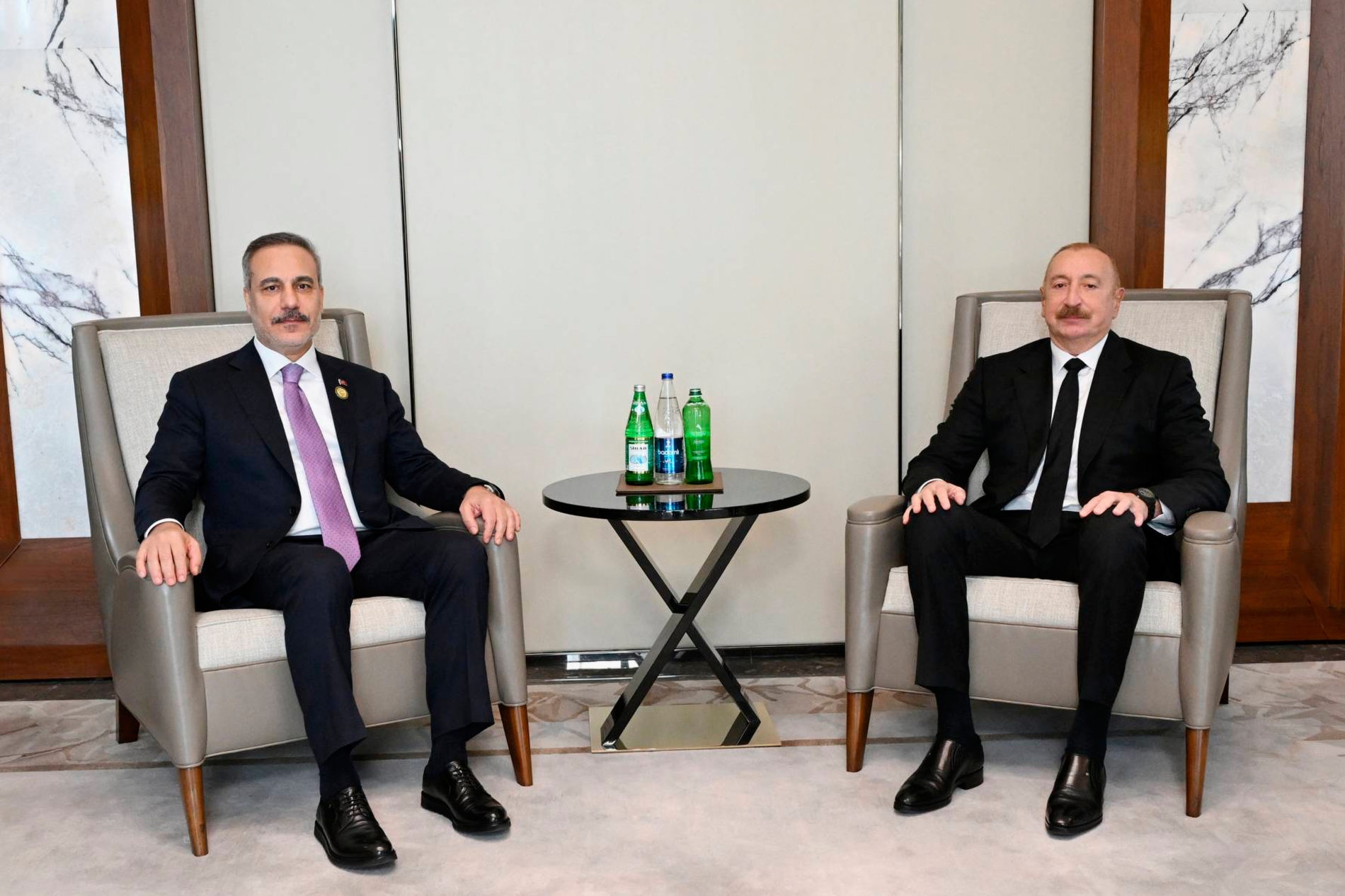
Statements by some Turkish officials and protests by conservative organisations in İstanbul in front of Azerbaijani diplomatic missions were poorly received in Azerbaijan, which responded in kind. Türkiye would like to defuse the situation. A meeting of the Organisation of Turkic States, to be held in Ankara at the end of October, may provide the opportunity. Azerbaijan’s President Ilham Aliyev is invited but may choose not to attend. Regardless, Ankara will read into his decision.
Good news from Libya
On 20 October, the Libyan House of Representatives in Tobruk ratified the Türkiye–Libya agreement on maritime zones, which was signed between Türkiye and Libya in 2019. This development represents a significant achievement in terms of Türkiye’s influence in the region and its foreign policy.
Türkiye, which until recently had sided with Tripoli against Tobruk and played a significant role in shaping the current situation in Libya, has in recent times also developed relations with Tobruk, hosting representatives from both sides together in Ankara.