Assertive US intervention needed to prevent Israeli-Turkish miscalculation

The potential for escalation between Tel Aviv and Ankara grows as Israeli election approaches

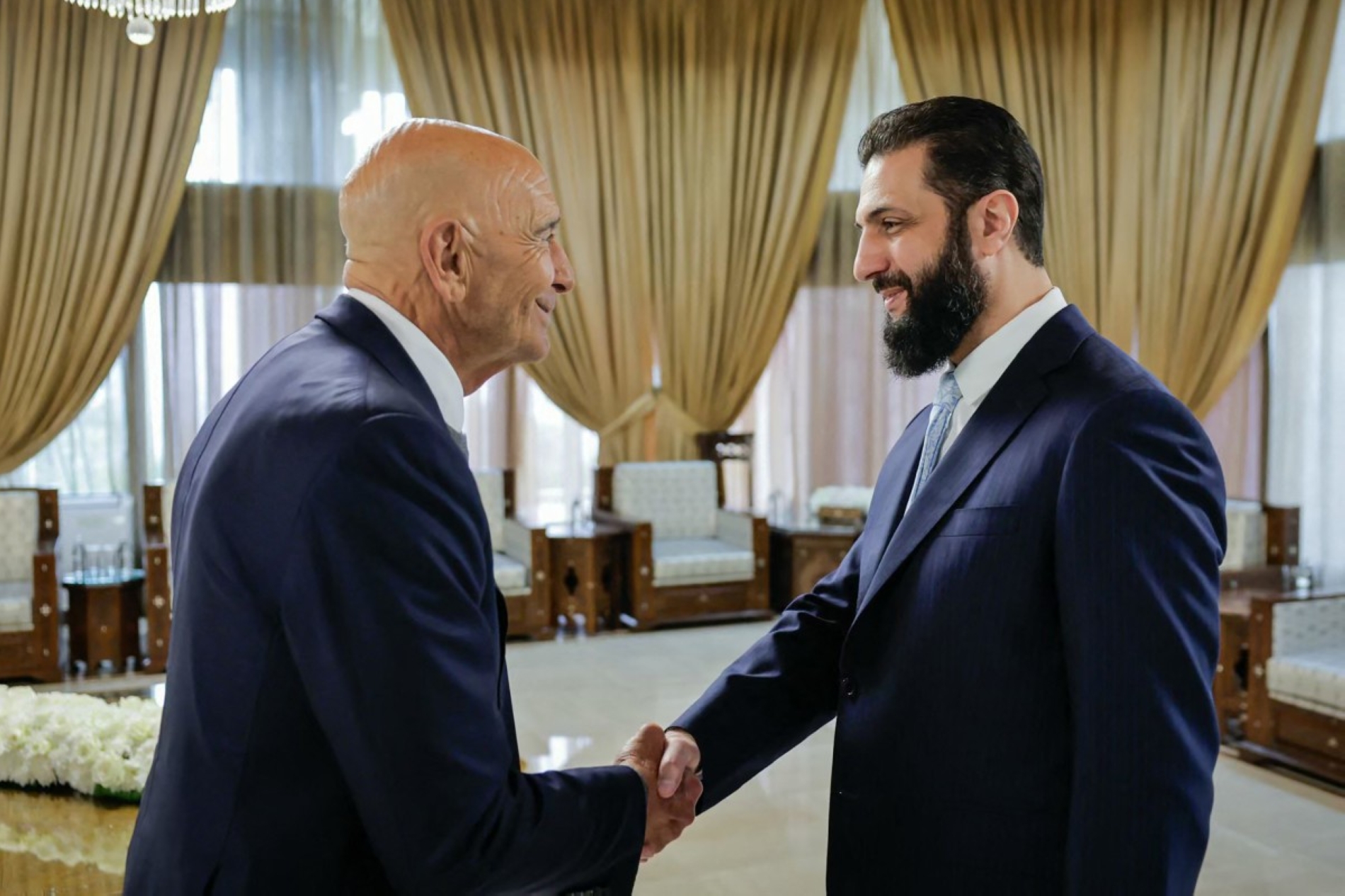
Photos of the new head of the Israeli intelligence agency (Mossad), Roman Gofman (right); Syrian Foreign Minister Asaad al-Shaibani; and the US Envoy to Syria, Tom Barrack.
Al Majalla
Photos of the new head of the Israeli intelligence agency (Mossad), Roman Gofman (right); Syrian Foreign Minister Asaad al-Shaibani; and the US Envoy to Syria, Tom Barrack.

Assertive US intervention needed to prevent Israeli-Turkish miscalculation

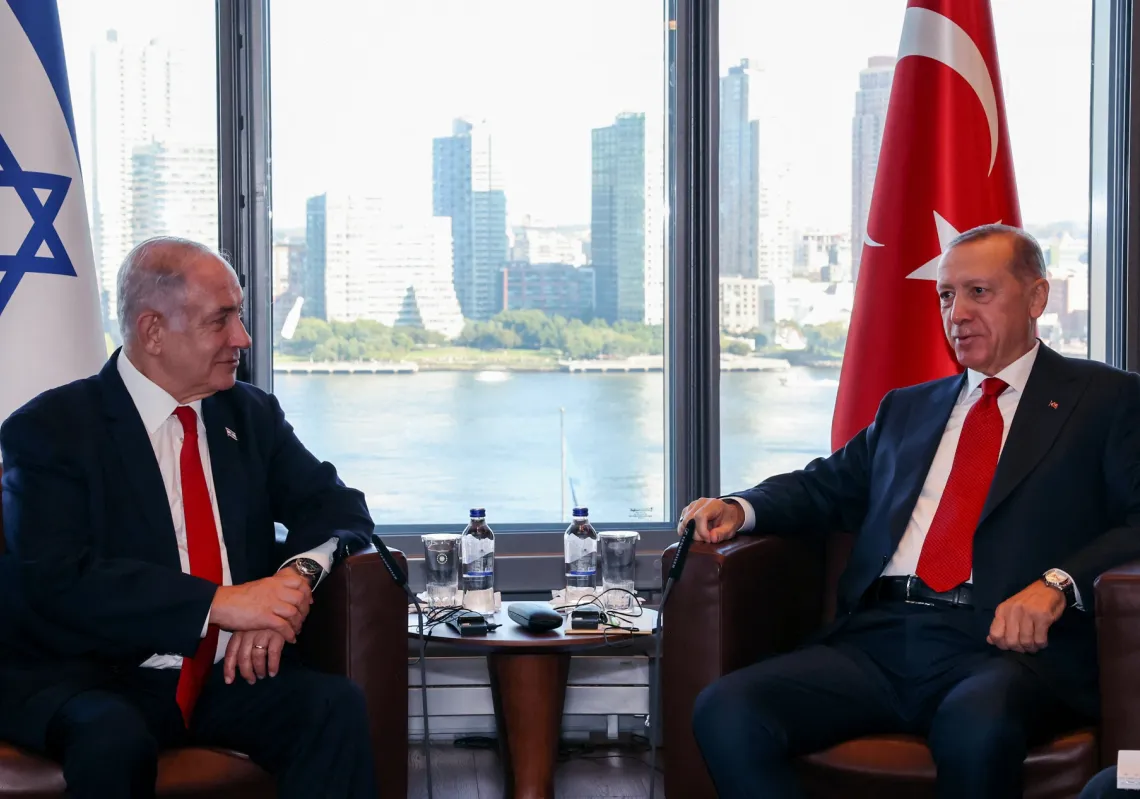
The recent Israeli strike on the Abu al-Duhur airbase in northwestern Syria has sharply raised tensions between Tel Aviv and Ankara. To prevent an intentional or inadvertent slide into direct confrontation, the first step is to clarify and map both actors' interests.

Israel does not seek a direct confrontation with Türkiye, but it seeks to preserve its freedom of action in Syrian airspace. This could be in anticipation of possible future contingencies involving Iran, or it could relate to Israel's deep suspicion of the new government in Damascus led by Ahmed al-Sharaa. But putting those two potential reasons aside, Israel generally wants to prevent Turkish influence in Syria from becoming too broad or deeply entrenched, and it especially does not want Ankara to expand its military presence further south, beyond its current stationing in northern Syria.

Türkiye likewise has no interest in a direct confrontation with Israel. It is, however, increasingly alarmed by what it perceives as Israel's "high-intensity activity" across multiple regional fronts, and is wary of Israel establishing supreme hegemony across the Middle East. Ankara is a staunch backer of the Sharaa government in Damascus and sees it as vital to protecting its interests in Syria, particularly on the Kurdish issue.
To prevent a slide into direct confrontation between the two countries, both sides need to clarify their red lines

For its part, Syria is caught in the middle. On the one hand, the Israeli strike serves Damascus politically by reinforcing its narrative of Israeli "aggressive intentions" and violations of Syrian sovereignty, potentially increasing international pressure on Israel to restrain its activities. On the other hand, the prospect of Syria becoming the arena for an escalating Israeli-Turkish confrontation directly undermines al-Sharaa's efforts to consolidate control over the country and address its severe economic challenges. 

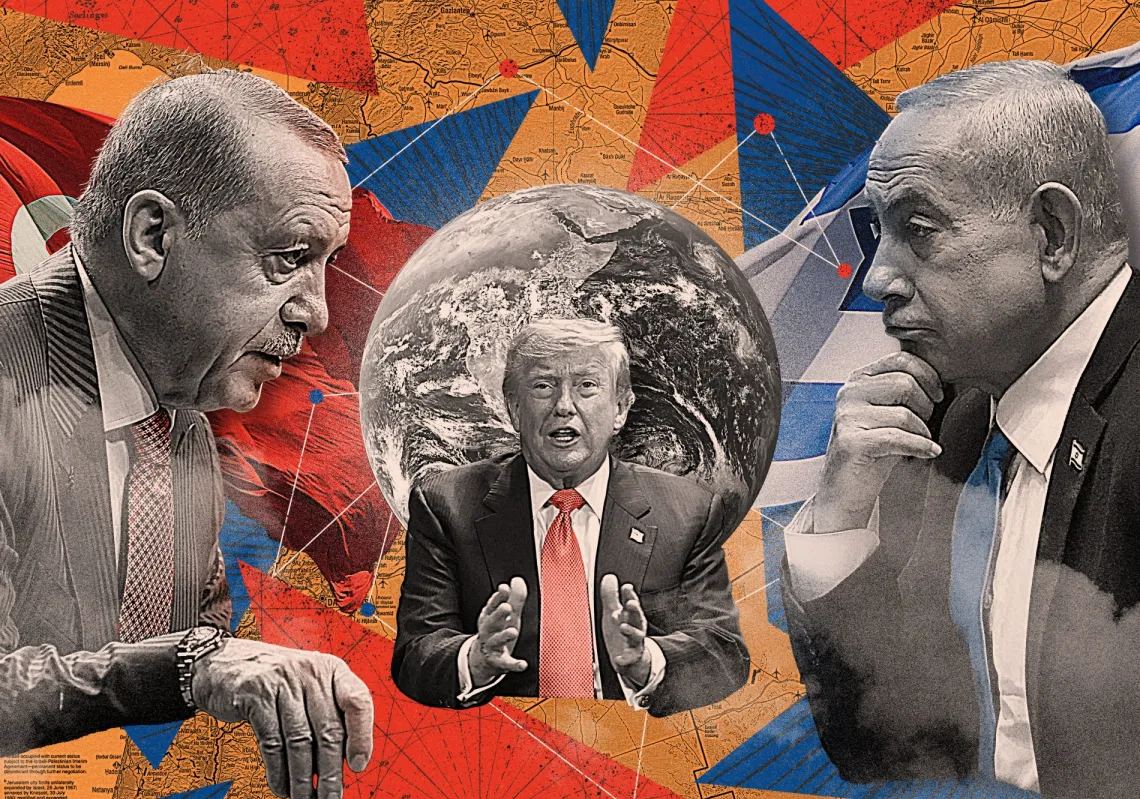
As is so often the case, and particularly in this arena, the key lies in Washington. The United States is dealing with two close regional partners, Israel and Türkiye, and a Syrian government in which it has invested considerable political capital, with a strategic focus on countering Iran.

AFP
Syrian President Ahmed al-Sharaa and US envoy Tom Barrack at the presidential palace in Damascus on 18 January 2026.

Trump's Special Envoy to Syria, Tom Barrack, firmly blamed Israel for the Abu al-Duhur strikes, affirming that the United States had dismissed an Israeli intelligence assessment that Türkiye was planning to establish a military presence at the airfield.

Testing red lines

Israel and Türkiye appear to be testing each other's "red lines" concerning their interests in Syria. Ankara prefers a strong central government in Damascus, whereas Israel prefers a weaker central authority and a more fragmented Syria. However, they share common ground when it comes to their desire to keep Iran out of Syria.

With the upcoming Israeli elections in October, the potential for escalation between Tel Aviv and Ankara grows, as Israeli Prime Minister Benjamin Netanyahu may want to appear tough to win votes. Israel and Türkiye should open a direct and discreet high-level channel to clarify their respective red lines in Syria. 

Therefore, the US needs to play a far more assertive role in preventing any miscalculation between the two. The accidental Turkish downing of a Russian aircraft in 2015, as well as the 2018 downing of another Russian aircraft by Syrian air defences over Latakia, should serve as stark reminders of how quickly crises can escalate.

font change