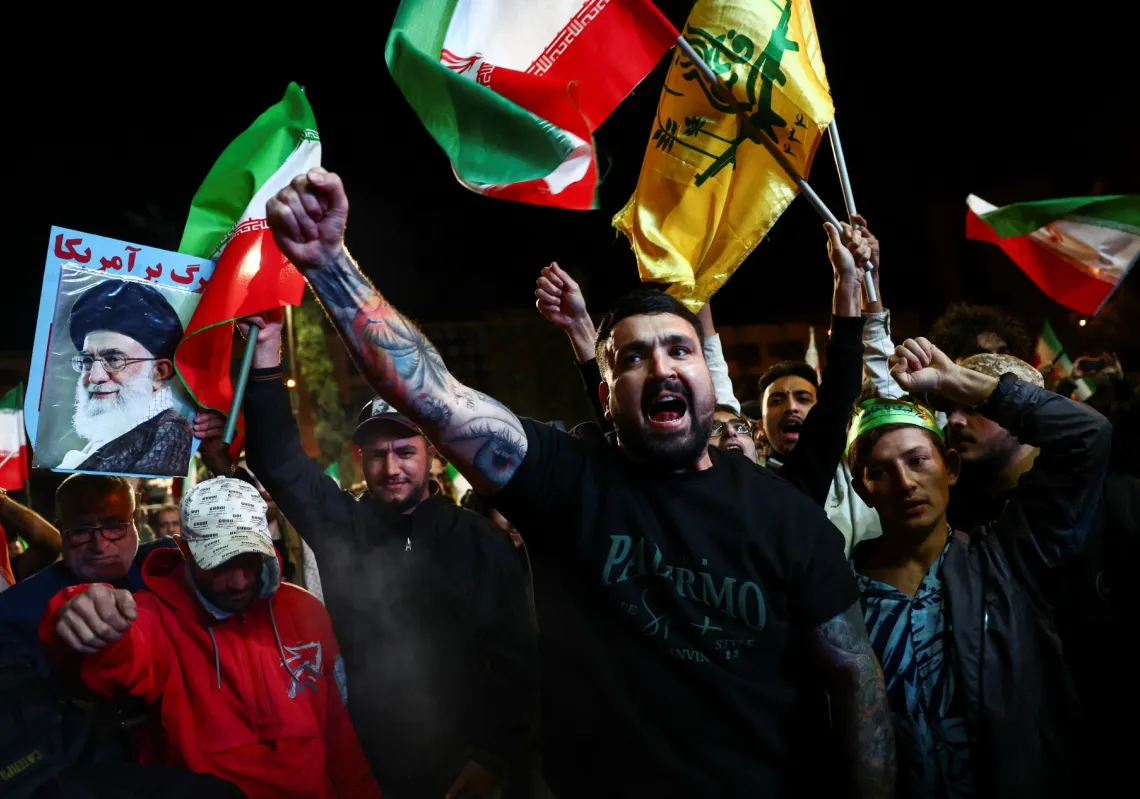

From the Strait of Hormuz to Bab al-Mandab, an Iranian-directed pressure arc has targeted both the world's energy needs and Saudi Arabia's alternative routes. Its pipelines, airports and energy assets have all been targeted. The campaign—spearheaded by the Houthis in July in the south, followed by attacks carried out by Iraqi militias in the north (particularly Kataib Hezbollah)—seeks to constrict every fallback position until Riyadh has none left.
By imposing multi-layered costs on Saudi Arabia and global energy markets, the IRGC-directed horizontal escalation strategy is designed to, first, corner and isolate Riyadh and, second, narrow its strategic options. But there are already signs that this strategy is backfiring.
The more Iran, the Houthis, and Iran-backed Iraqi militias fuse Hormuz, Bab al-Mandab, Saudi energy infrastructure and bypass alternatives, as well as freedom of navigation into a single battle, the more challenging it becomes for global powers to view each crisis separately or pretend this does not affect them.
This could rally international support for Saudi Arabia and the Yemeni government at a time when both are looking to mobilise forces to fight the Houthis and diversify their security relationships. This would draw in the external support that Iran and its ‘axis of resistance’ had hoped to neutralise.
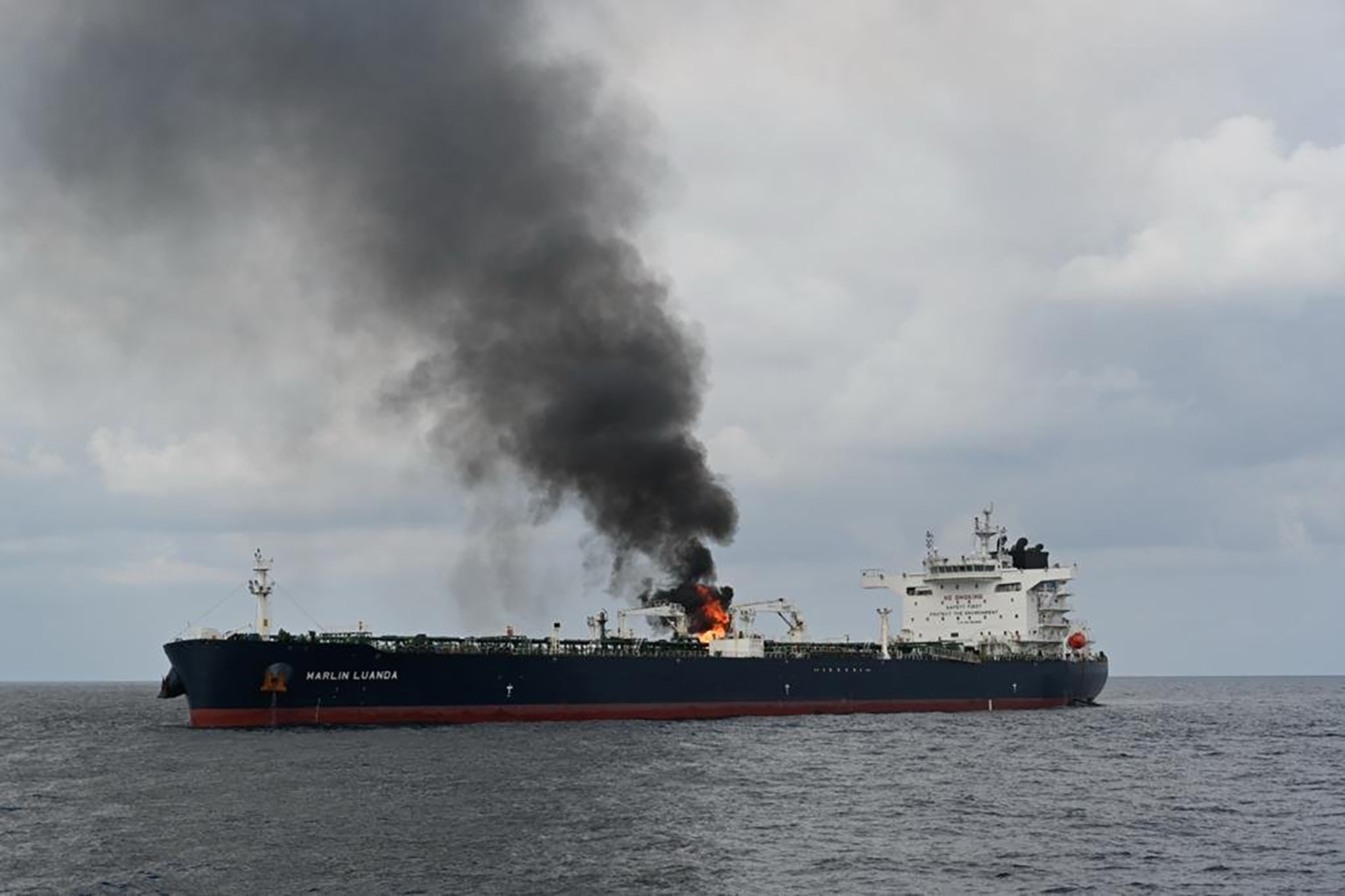
The Iran-backed Houthis sit at the heart of this escalation architecture. In July, they began targeting Saudi Arabia's southern Jizan and Abha regions. By September, attacks on Taif, Mecca and Riyadh were recorded. Meanwhile, at sea, the Houthis have placed a “maritime embargo” on Saudi Arabia since mid-July, striking ten ships, sinking one, and killing and injuring a total of 16 seafarers and rescuers. The renewed attacks have naturally increased the threat level along the Red Sea, driving up insurance and shipping prices and delaying delivery timelines.
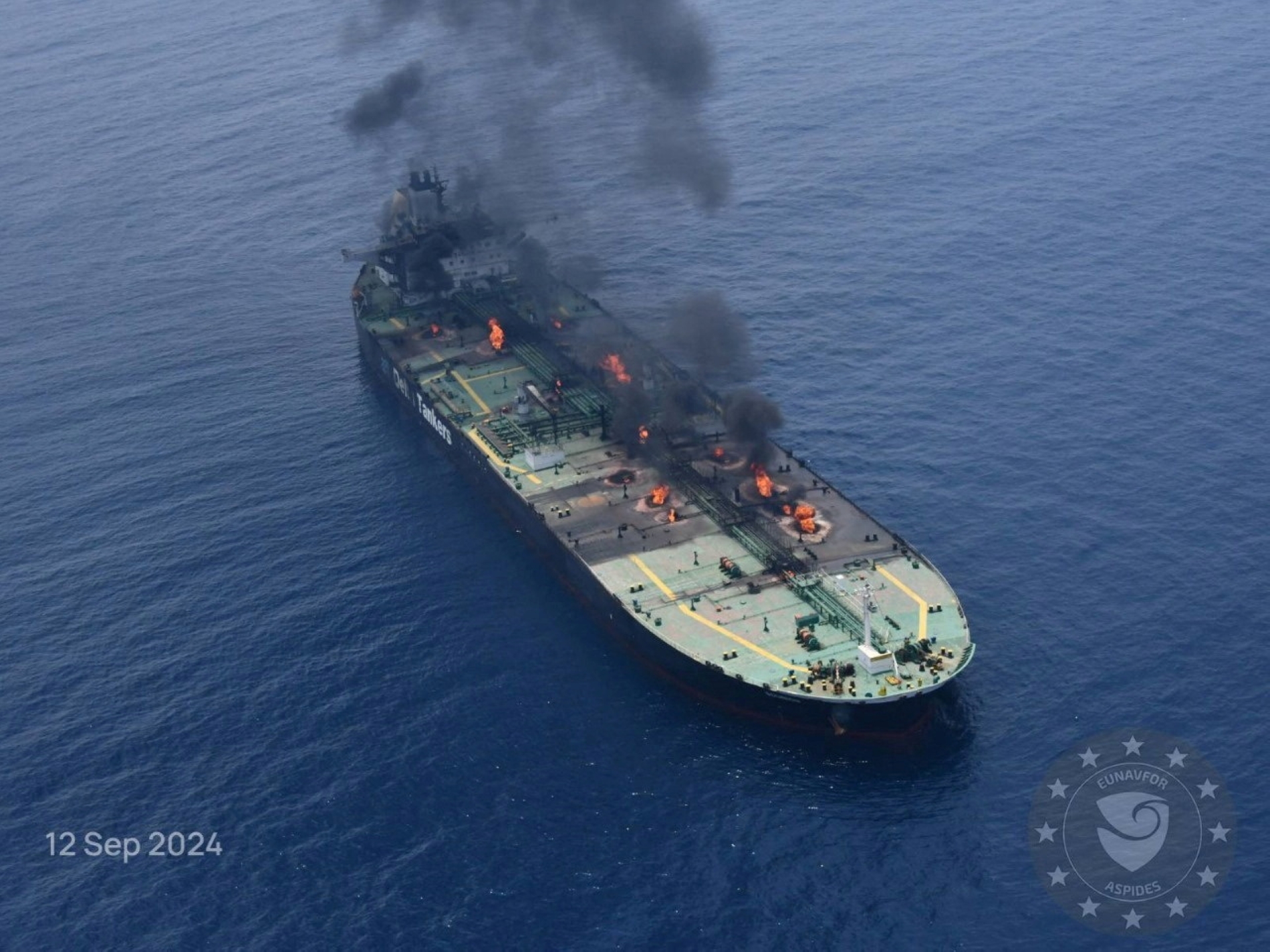
Between 3 July and 26 September, at least 37 sites were hit in Saudi Arabia, 33 of which are believed to have been carried out by the Houthis and four came from Iraq, according to Horizon Brief. Between July and September, Houthi attacks on Saudi Arabia rose by 333%.
The Iraq-based 9 September drone strikes damaged three pumping stations, temporarily disrupting the East–West Pipeline, which transports approximately 4-5 million b/d, or 4-5% of global crude supply, 1,200 kilometres from Saudi eastern fields to Yanbu on the Red Sea, enabling exports to bypass Hormuz. The strikes were designed to maximise disruption, stretch air defences, and shrink Riyadh's support for the Yemeni government.