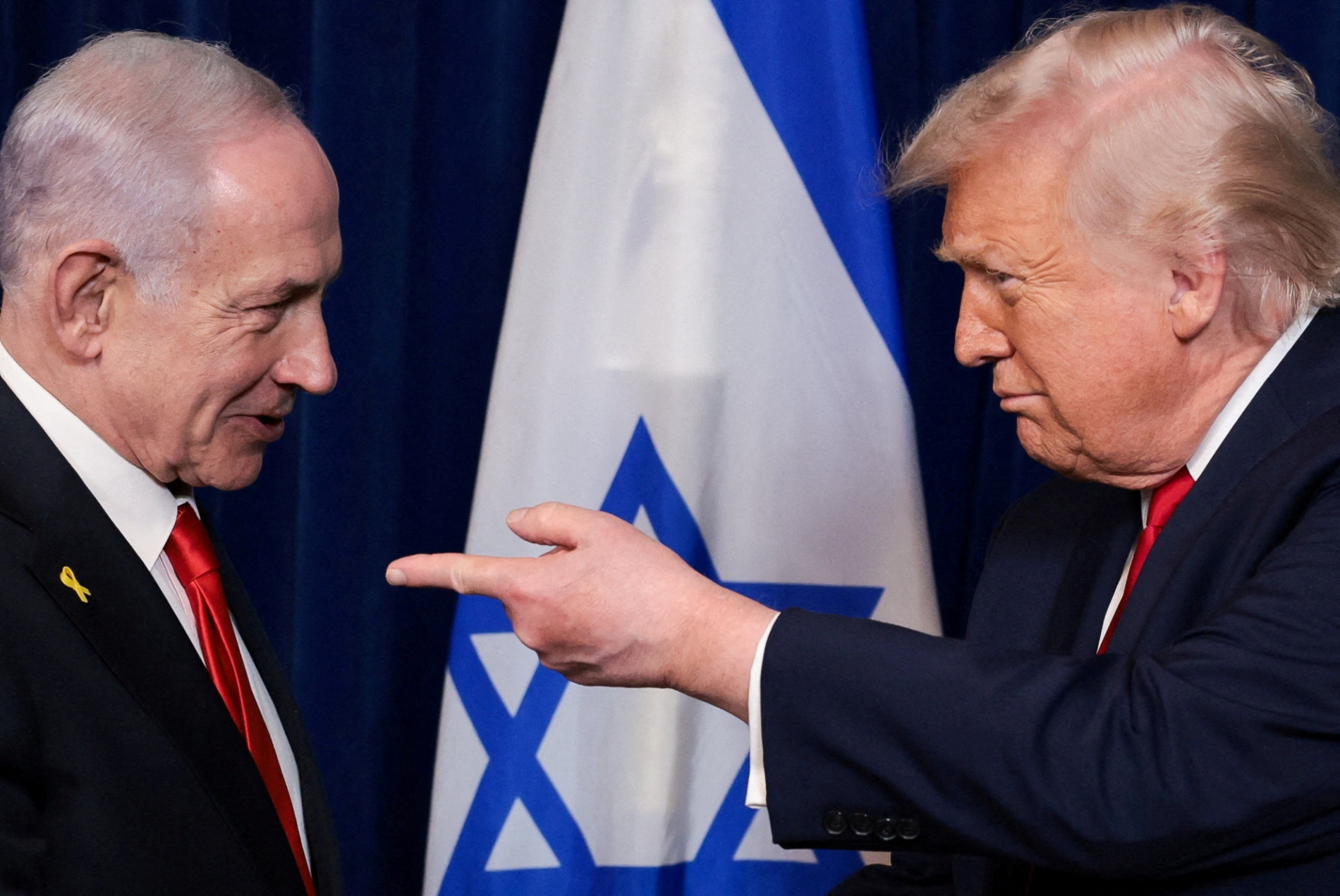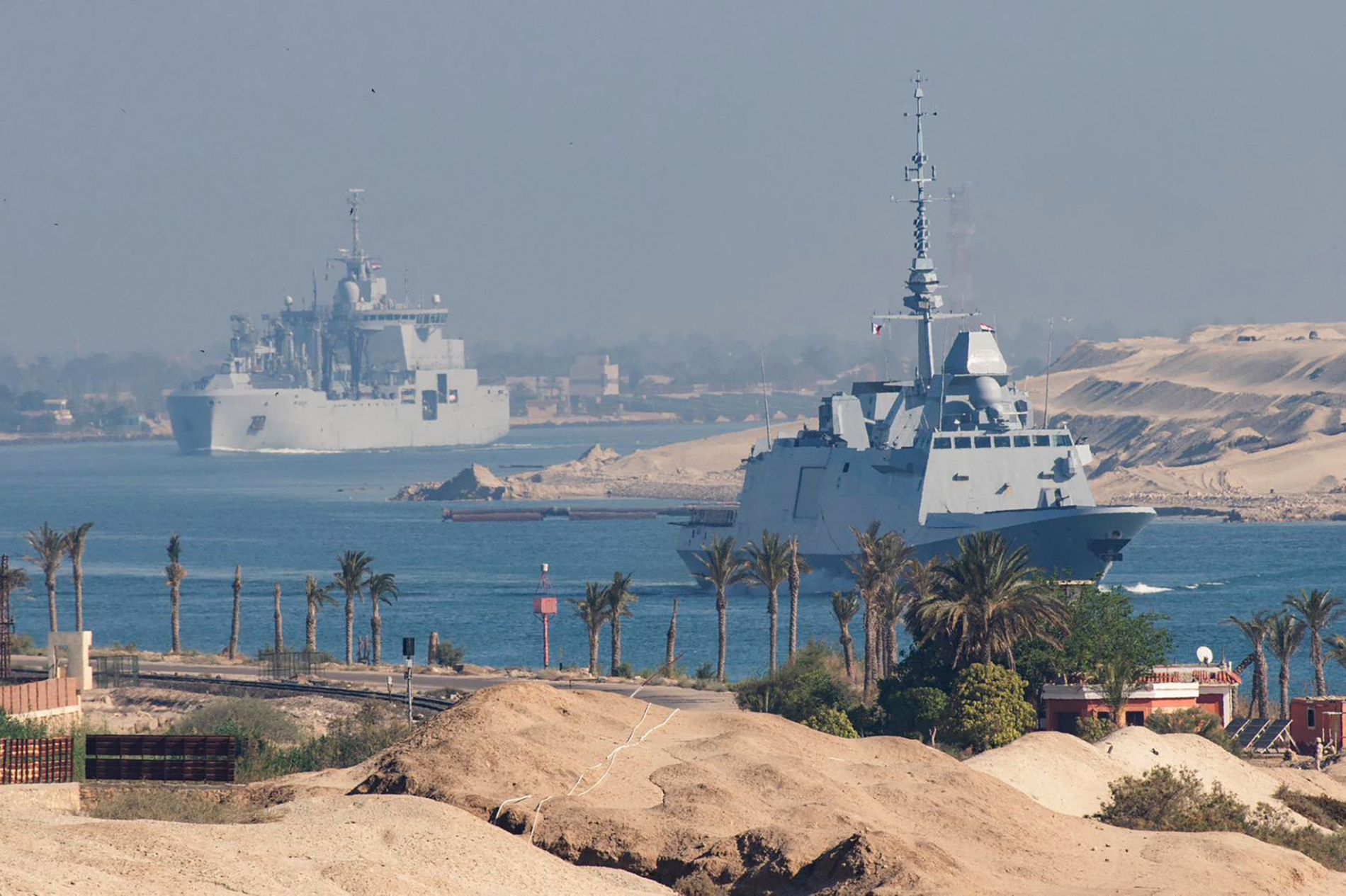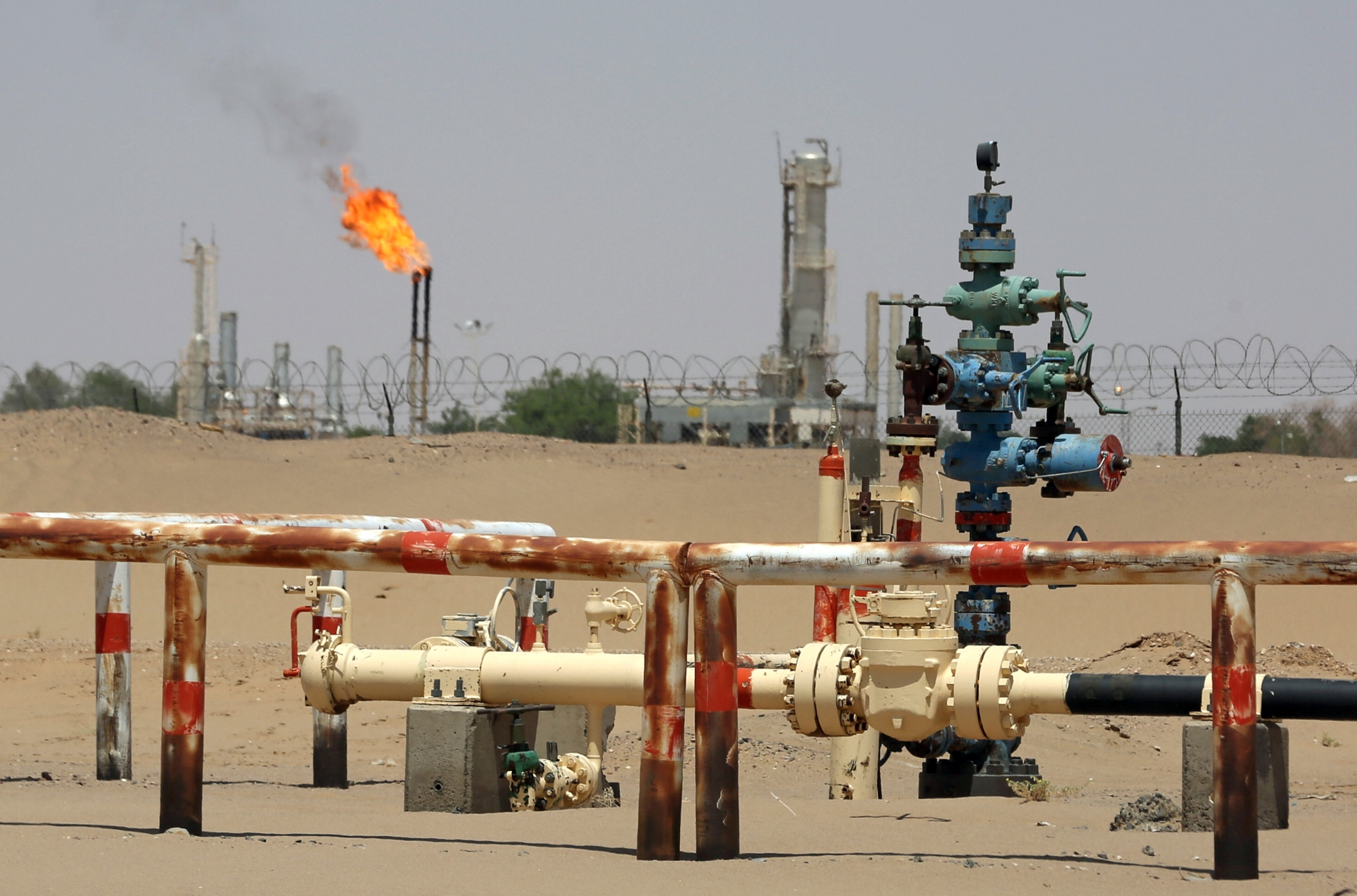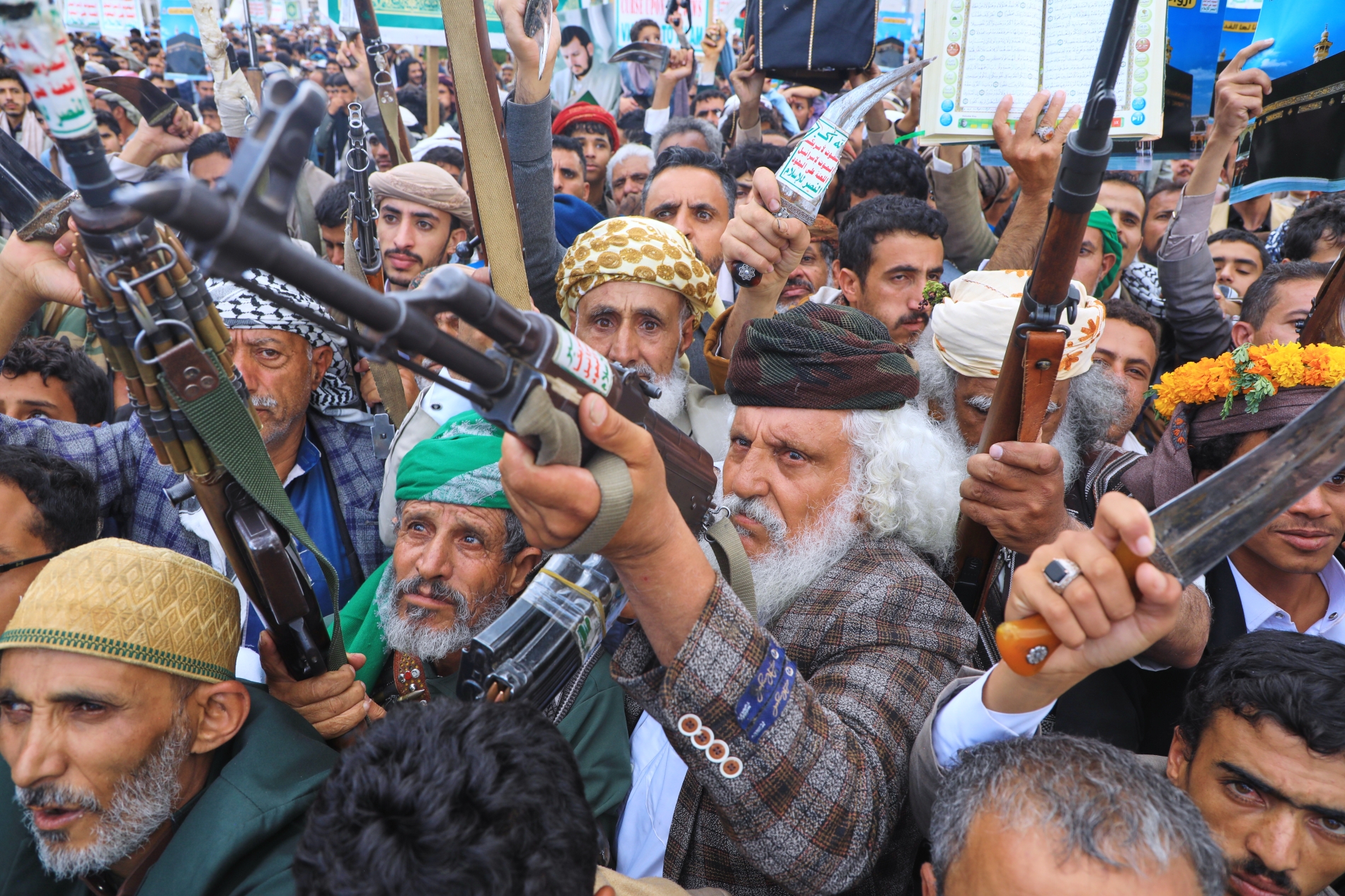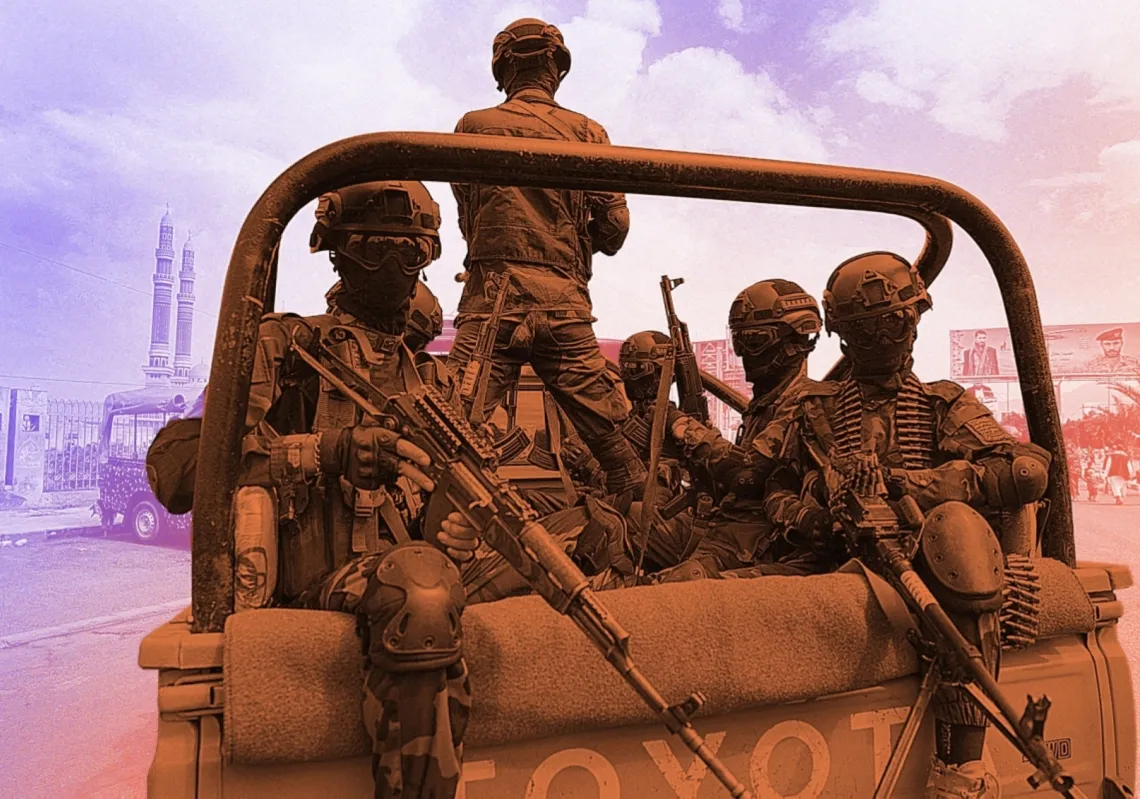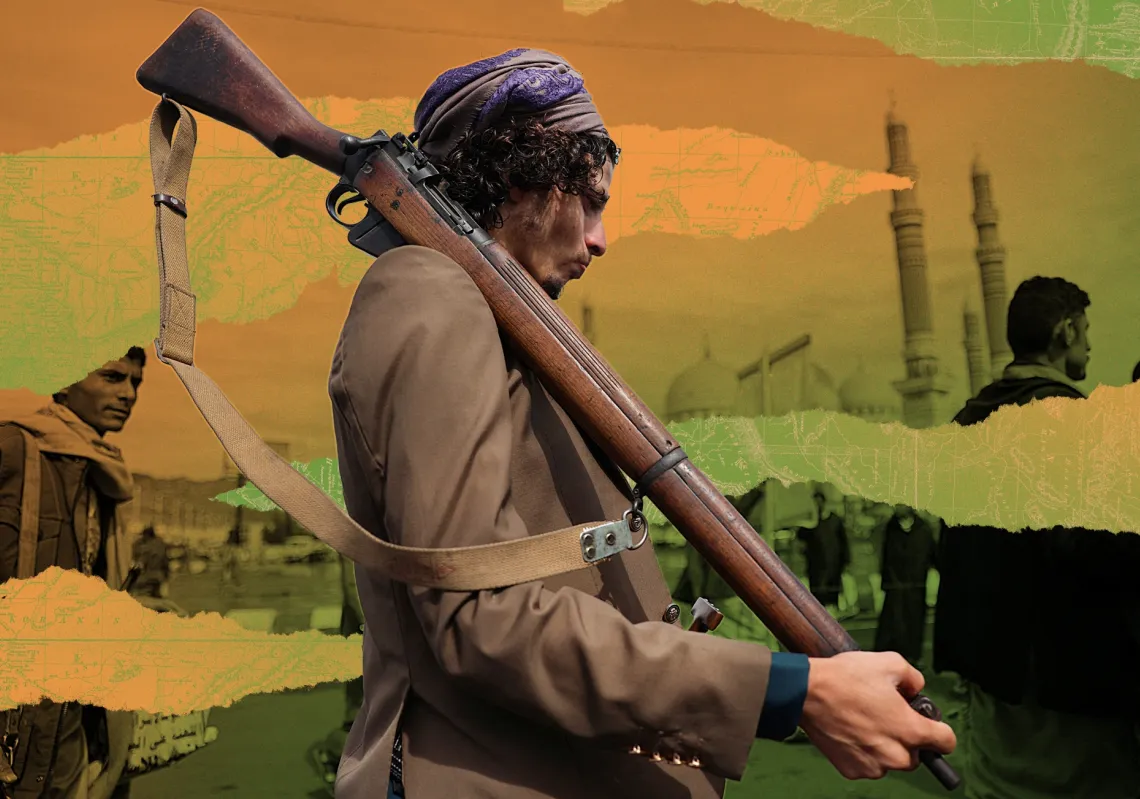

At first glance, Washington's decision not to fight the Houthis is puzzling. After all, it was US President Donald Trump who decided to put the Yemeni rebel group back on the US list of Foreign Terrorist Organisations, launched a sweeping air campaign against them in 2025, and threatened them with “overwhelming” force just days ago. Yet when the group advanced along the Red Sea coast, moved closer to the Bab al-Mandab Strait, and struck Saudi targets, Trump surprised observers by declining to join Saudi Arabia and Yemen’s internationally recognised government in the war.
The surprise deepened with the disclosure of a secret meeting, reported by Reuters, between US officials and a Houthi delegation at the US embassy in Muscat. The delegation included Mohammed Abdulsalam, the group’s chief negotiator, who is under US sanctions. At the heart of the meeting was a consequential bargain: the Houthis would refrain from targeting American vessels if the US would stay out of the war.
At the same time, reports circulated that Trump had received a Saudi request for direct US strikes against the Houthis. According to Al Majalla sources, however, that account appears inaccurate. The communication concerned developments in the crisis more generally and efforts to determine the nature of US involvement.
Saudi Arabia possesses a formidable air force, the second strongest in the region, while Yemen’s recognised government retains offensive forces on the ground. Although those forces suffered heavy losses on the Mocha front, they remain the only viable Yemeni force capable of confronting the Houthis without relying on Saudi or US troops.
Trump also spoke with Rashad al-Alimi, chairman of Yemen’s Presidential Leadership Council, and explained the nature of the US role without committing to direct military intervention. So how should these latest developments be read?
The Muscat meeting seems to have been more than just a discreet back channel. In effect, it separated two conflicts that had previously been linked. The first was Washington's confrontation with the Houthis over the security of US vessels and freedom of navigation. The second was the Saudi-Yemeni confrontation with the Houthis over territory, borders, influence, and the future of the Yemeni state.
A Houthi official acknowledged to the Associated Press that the group had informed the Trump administration that it would refrain from targeting the US, American vessels, and Israel, and that its confrontation in the strait would be confined to what it called the "Saudi enemy".
Vice President JD Vance, keen to bring the US war with Iran to an end before it could affect the midterm elections or his own presidential prospects, confirmed that Washington had remained in continuous contact with the Saudis and had also held "direct talks with the Houthis".
A US official said Central Command had established a task force to strengthen intelligence sharing and operational planning with Saudi forces. For its part, Riyadh said that since the signing of the Islamabad Memorandum in June, it had not expected direct US participation, although it did anticipate intelligence and logistical cooperation. This was particularly important given that the present conflict is one of the consequences of the US war with Iran.
New engagement terms
Washington has therefore remained engaged, but on newly defined terms. It negotiates with the Houthis to protect US interests, assists Saudi Arabia in confronting Houthi and Iraqi attacks, but does not fight in Yemen's internal war.