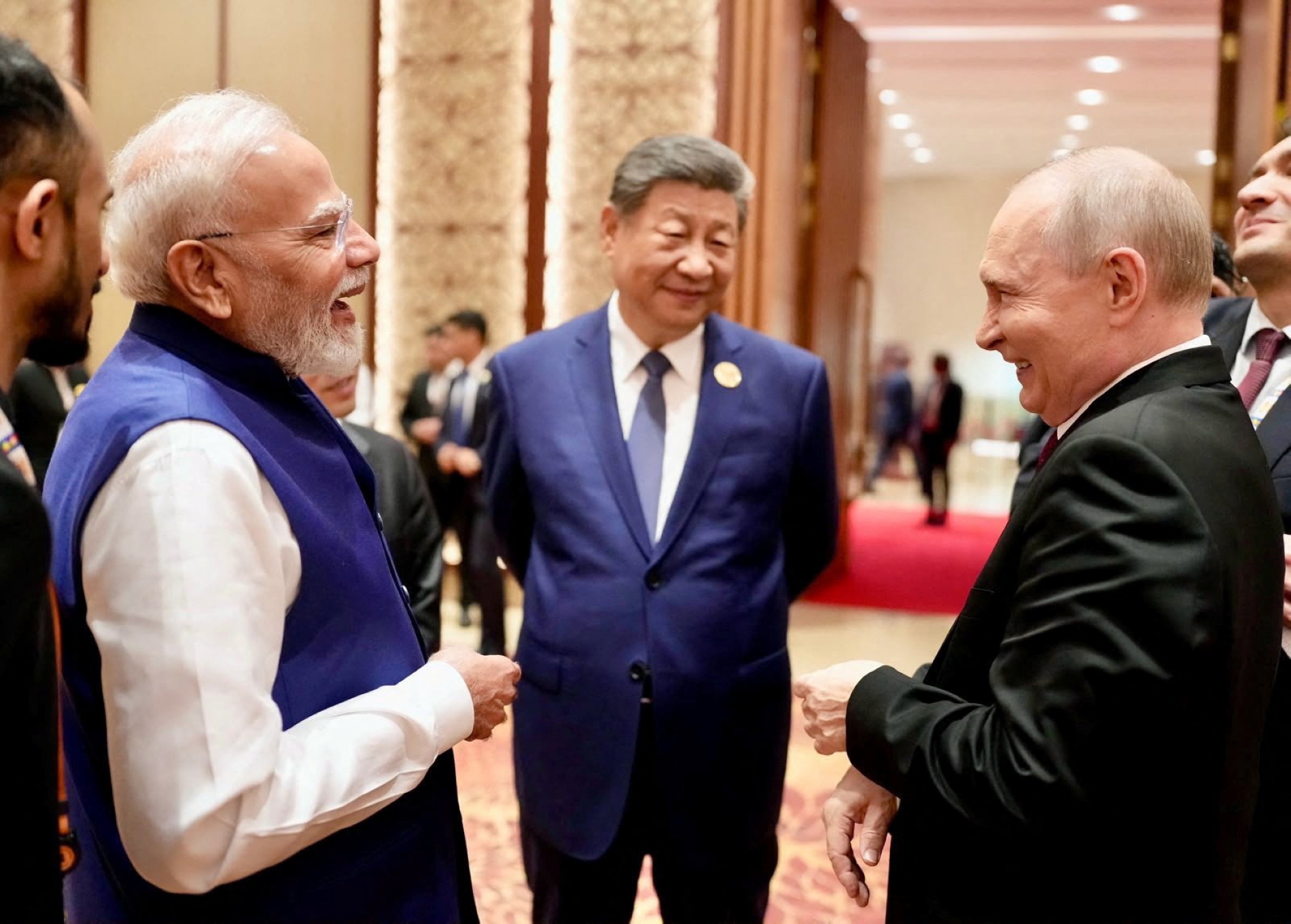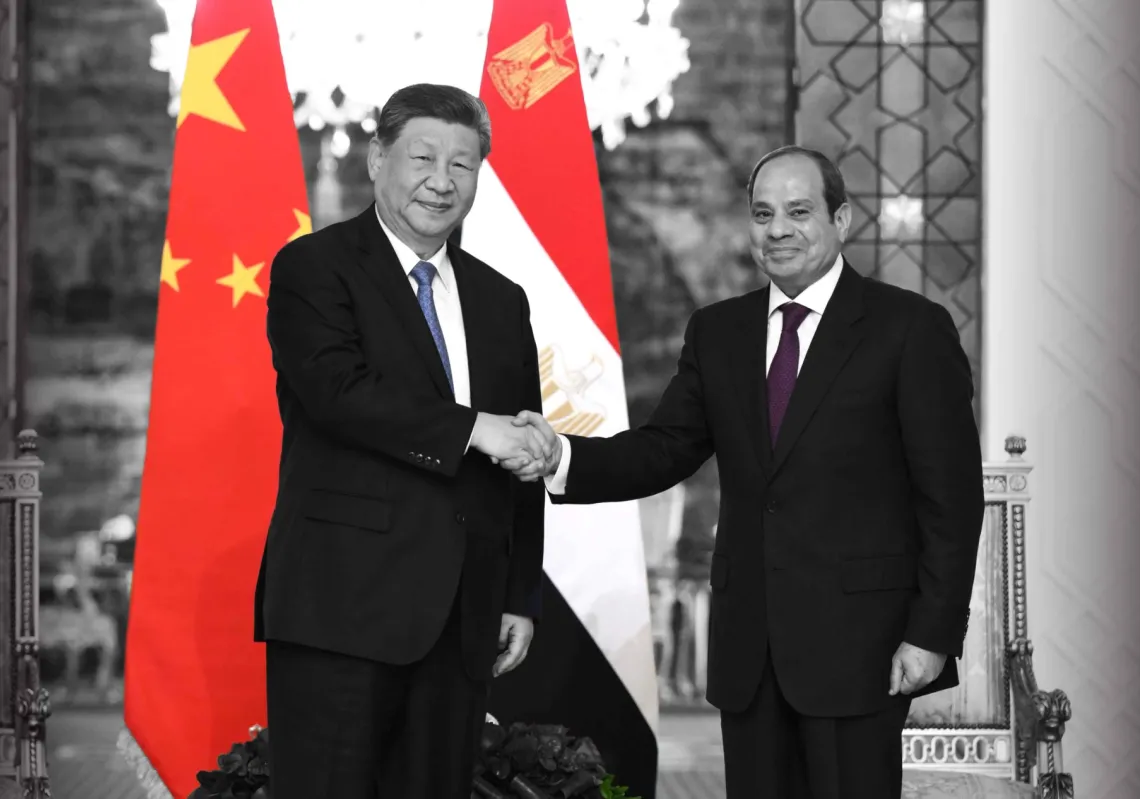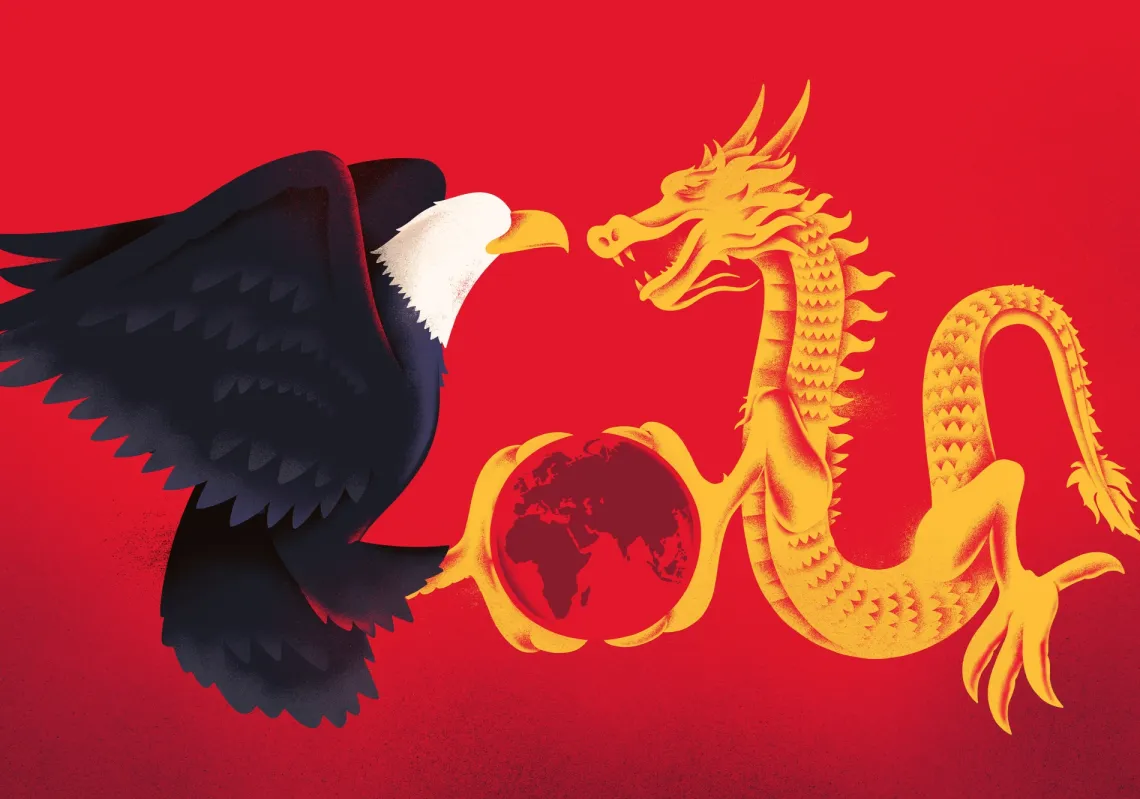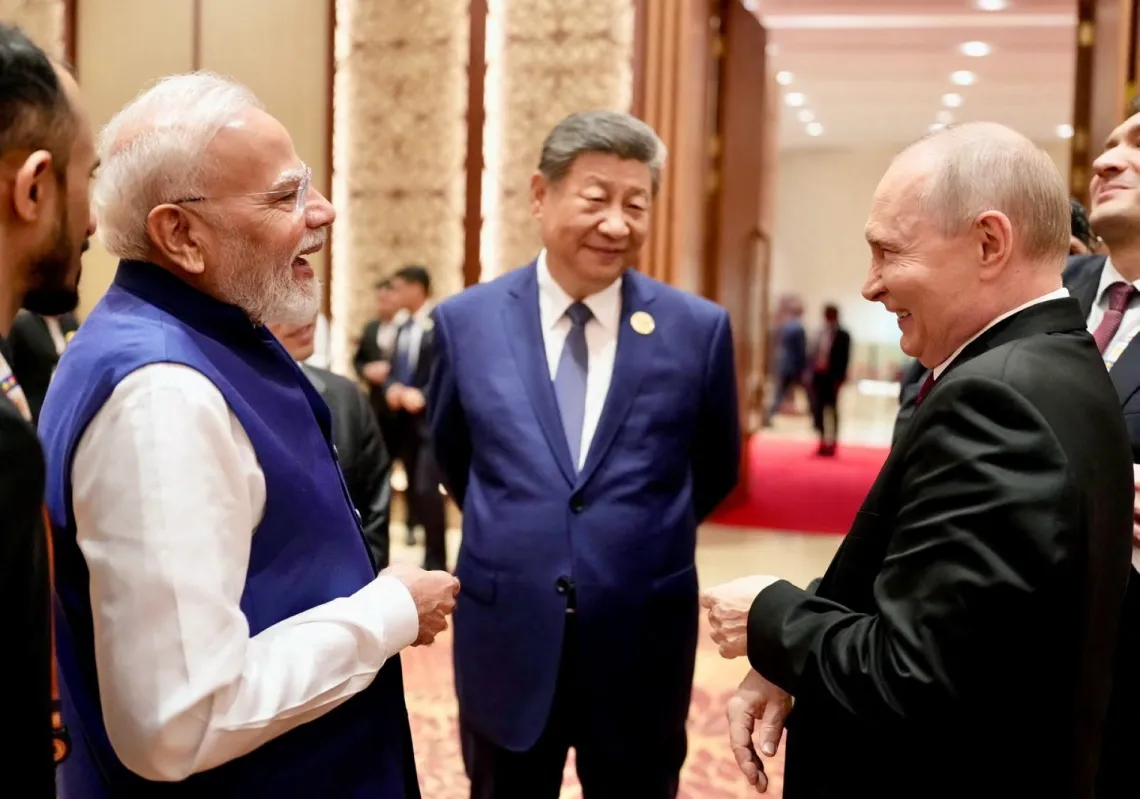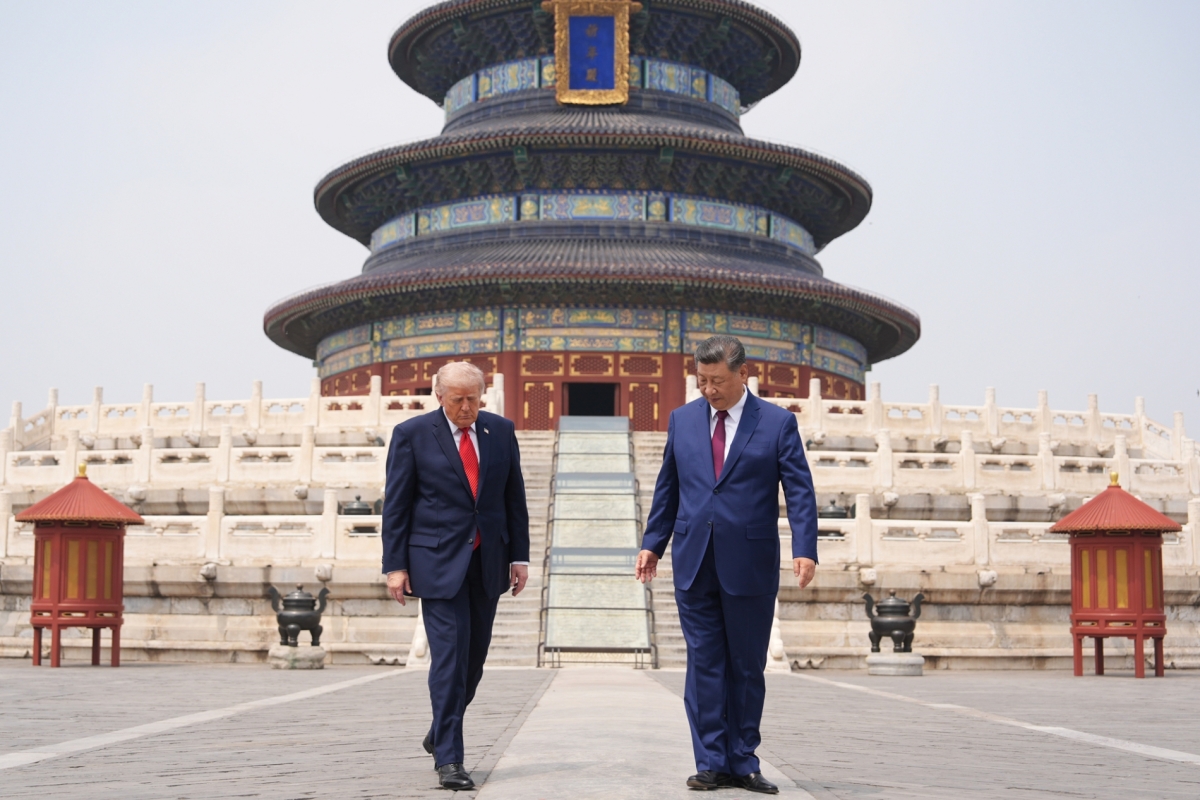

During his visit to Beijing last May, US President Donald Trump could not resist asking Xi Jinping whether he had received other presidents there, as the Chinese leader escorted him through Zhongnanhai, a former imperial garden adjacent to the Forbidden City in Beijing. “We very rarely receive presidents here,” said Xi, then added that the only invited president was Russian premier Vladimir Putin.
The reply may have seemed incidental, but it captures something of the relationship between the two men. While Trump insists on describing Xi as a “friend,” Beijing is reluctant to reciprocate, keeping the tone professional. This week, Trump returns the gesture, hosting Xi in Washington, meeting his Chinese counterpart at the aircraft steps before hosting a lavish dinner for him in the capital.
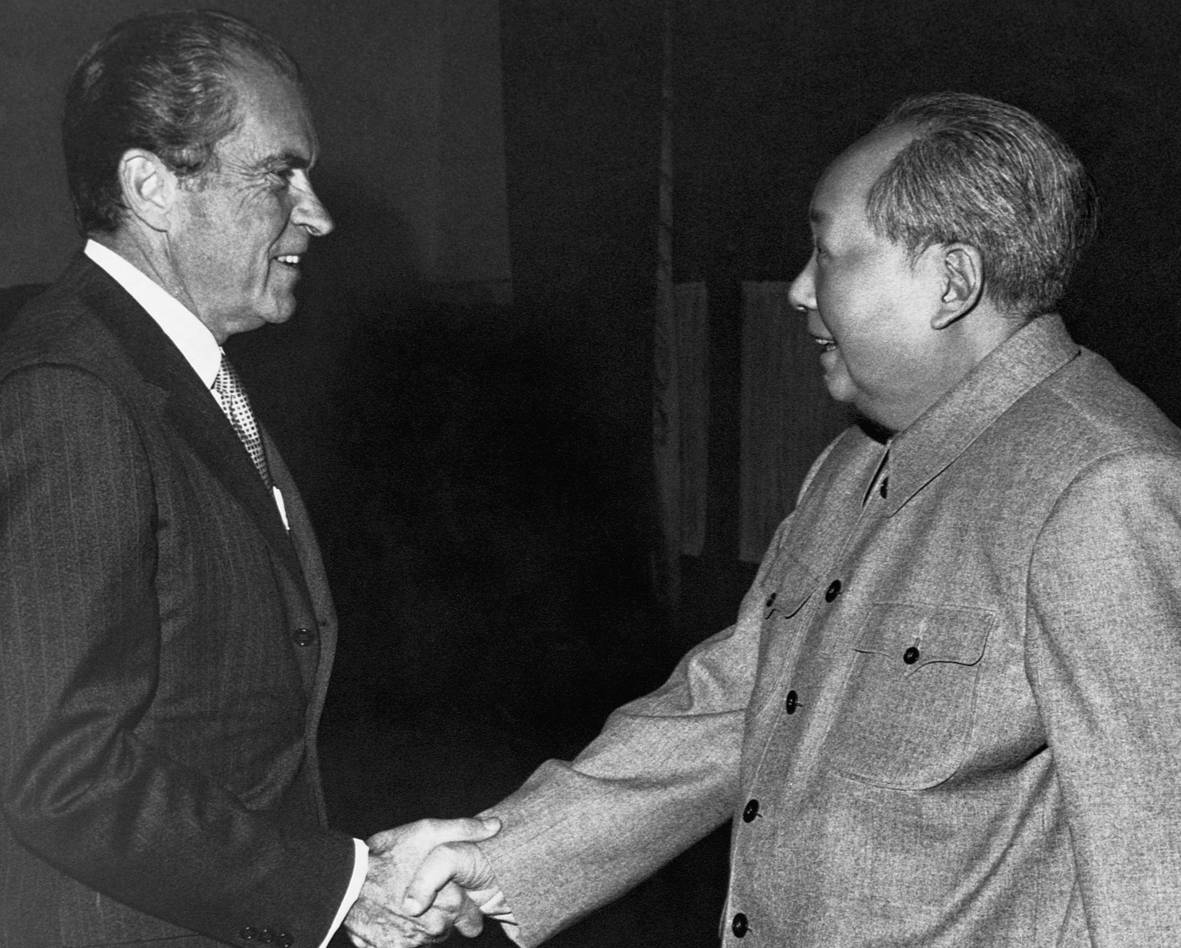
Diplomats often say that leaders’ personal relationships, summits, and visits play an important role at pivotal moments in the US-China relationship. This began in 1972, when American diplomat Henry Kissinger visited Beijing and established a close relationship with Chinese Premier Zhou Enlai, paving the way for US President Richard Nixon’s historic visit later that year to meet Mao Zedong. Seven years later, President Jimmy Carter opened the White House doors to Chinese Premier Deng Xiaoping.
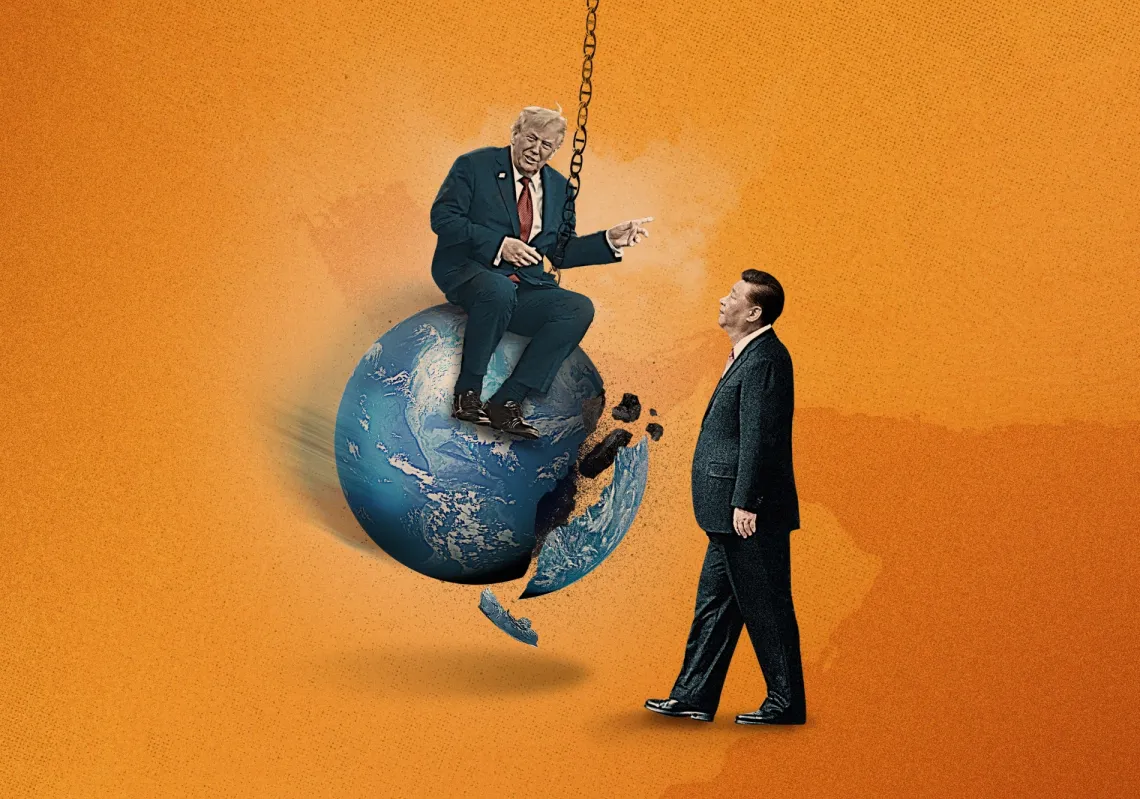
Repeated meetings between Xi and Trump during Trump’s two presidential terms have shown that relying on personal chemistry between the two leaders has not produced the same kind of transformation in bilateral relations as occurred in the 1970s. This is not simply about Xi Jinping’s personality and his preference for a more institutional and methodical relationship; it is also about Trump, who has not proven to be a man of grand bargains and sweeping settlements in the way he likes to present himself.
Writing in Foreign Affairs, Orville Schell, former director for China affairs at the US National Security Council, said Trump was no Harry Truman (who founded NATO in 1949), John F. Kennedy (who managed the Cuban Missile Crisis in 1962 through secret diplomacy) or Ronald Reagan (who negotiated arms control treaties with the Soviets). He is certainly no Richard Nixon, who reshaped the course of the Cold War by the China thaw.
Most of Trump’s diplomatic achievements to date remain unfinished or open to interpretation. His summit with North Korean leader Kim Jong Un failed to produce a lasting political agreement, his claim to have halted the war between India and Pakistan was rejected by New Delhi, and he has repeatedly failed to persuade Putin to end Russia’s war in Ukraine, despite saying he could do so in 24 hours.
Clear conclusion
Beijing has drawn a clear conclusion from this record: that Trump is not a man of grand bargains. Still, that does not mean that he can be taken lightly. The unpredictability of his actions makes him more dangerous at the negotiating table. In recent years, Chinese diplomats have learned to take advantage of both Trump’s pragmatism and the fluctuations in his foreign policy, sometimes without doing much at all.
With that in mind, Beijing left nothing to chance ahead of Xi’s visit to the White House. Provoking, underestimating, or putting Trump in a position where he appears to have lost could all backfire. China believes that his policies have pushed it to expand its international presence, showing the world that Beijing is the more stable partner, or at least a necessary counterweight to American policy. Still, Chinese planners have worked hard to avoid miscalculations in Washington.
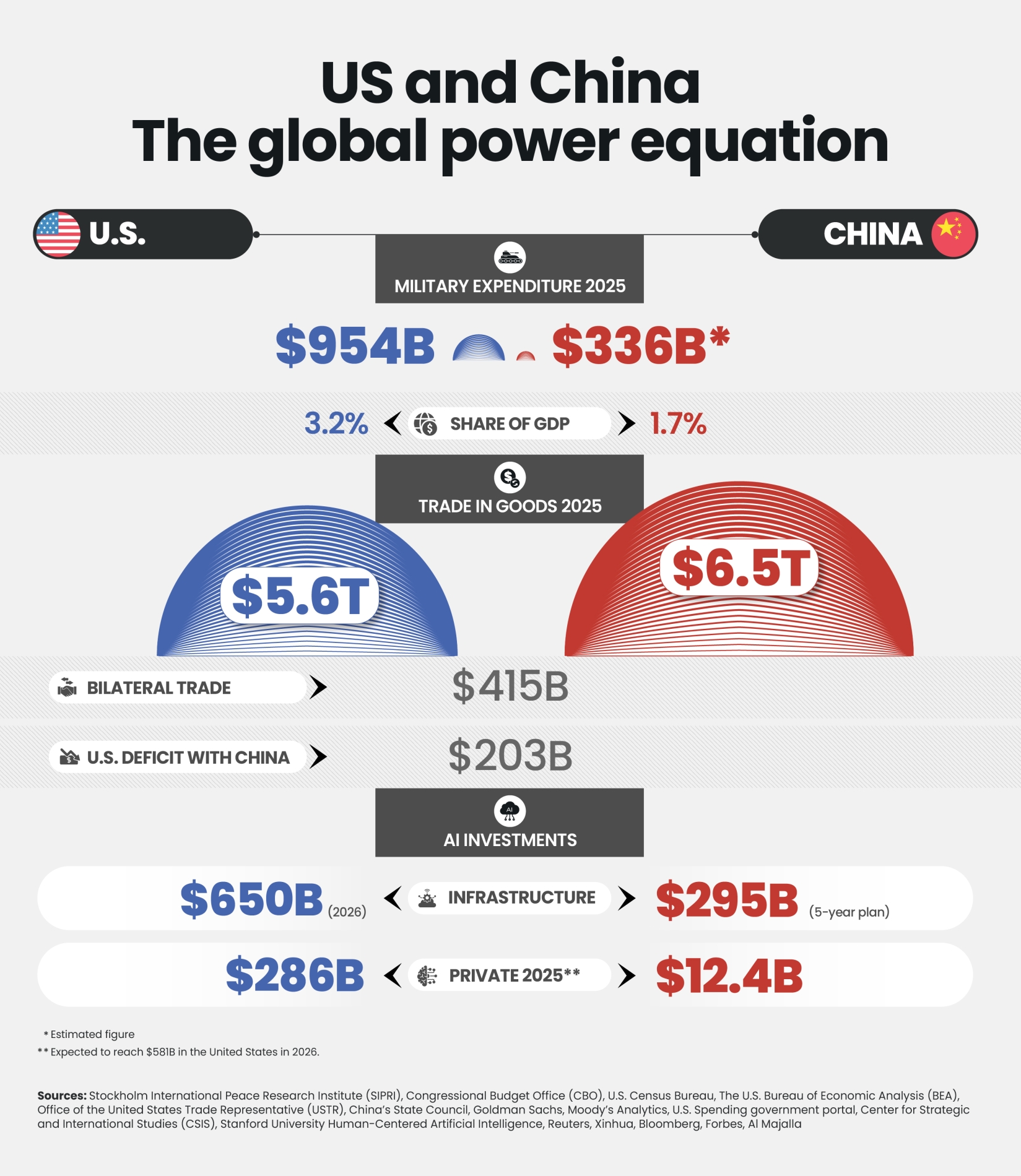
Preparations were cautious and deliberate. They identified areas of leverage and opportunity. Chinese Vice Premier He Lifeng travelled to Washington to lead a Chinese delegation and put the finishing touches on the summit agenda. Trade and tariffs, the war with Iran, and artificial intelligence (AI) are all on the table.