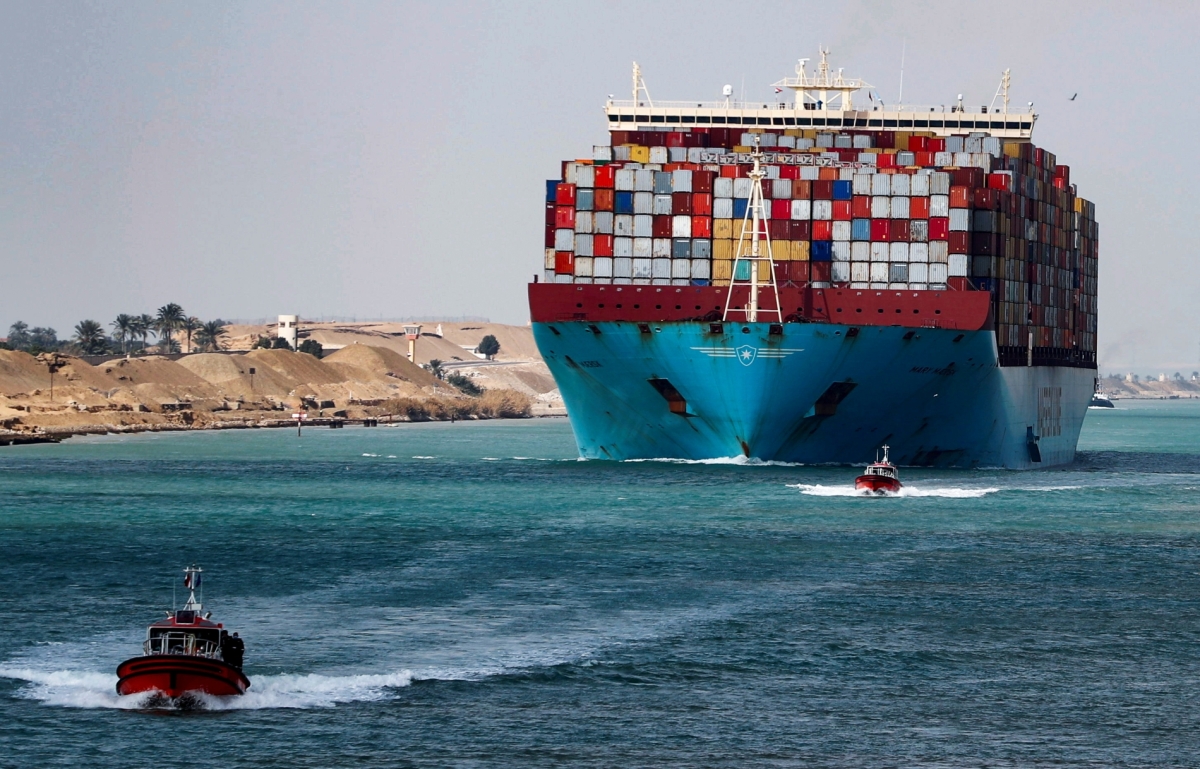

Egypt has set itself the ambitious target of doubling the value of its non-oil exports from today’s $48bn to $100bn by 2030, but there is a problem: to reach that target would require imports of around $130bn, which would further widen an already perilous national trade deficit.
Industry Minister Khaled Hashim is aware of the issues. “We urgently need a clear strategy to grow exports without simply inflating our import bill,” he said in June, noting that 12 of Egypt’s 13 local export councils already run negative trade balances, with heavy reliance on imports.
The $100bn export goal was first envisaged by Egyptian President Abdel Fattah al-Sisi in July 2020 and is now integrated into the country’s broader industrial development and production plans, with legislative amendments aiming to attract more industrial investment.
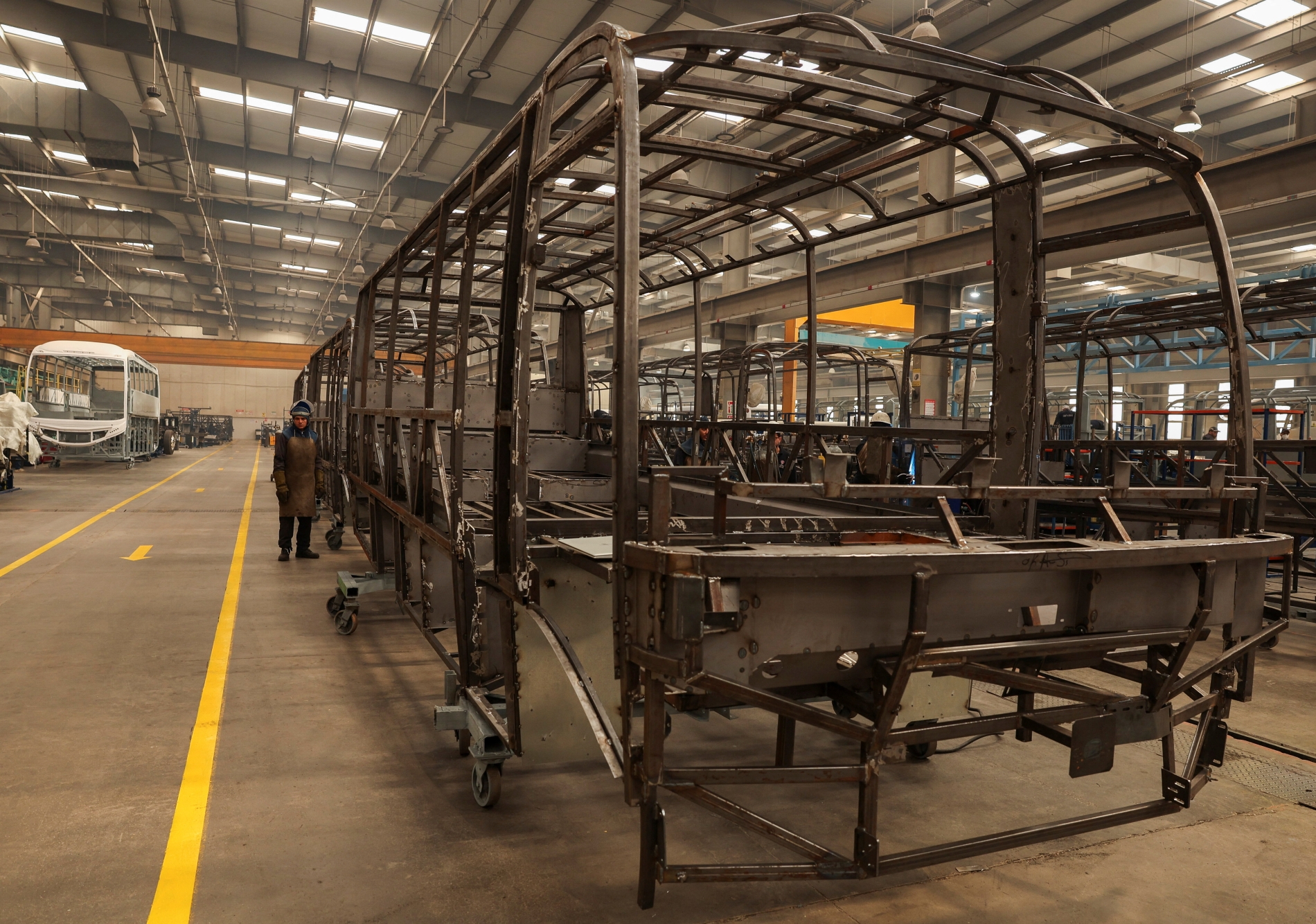
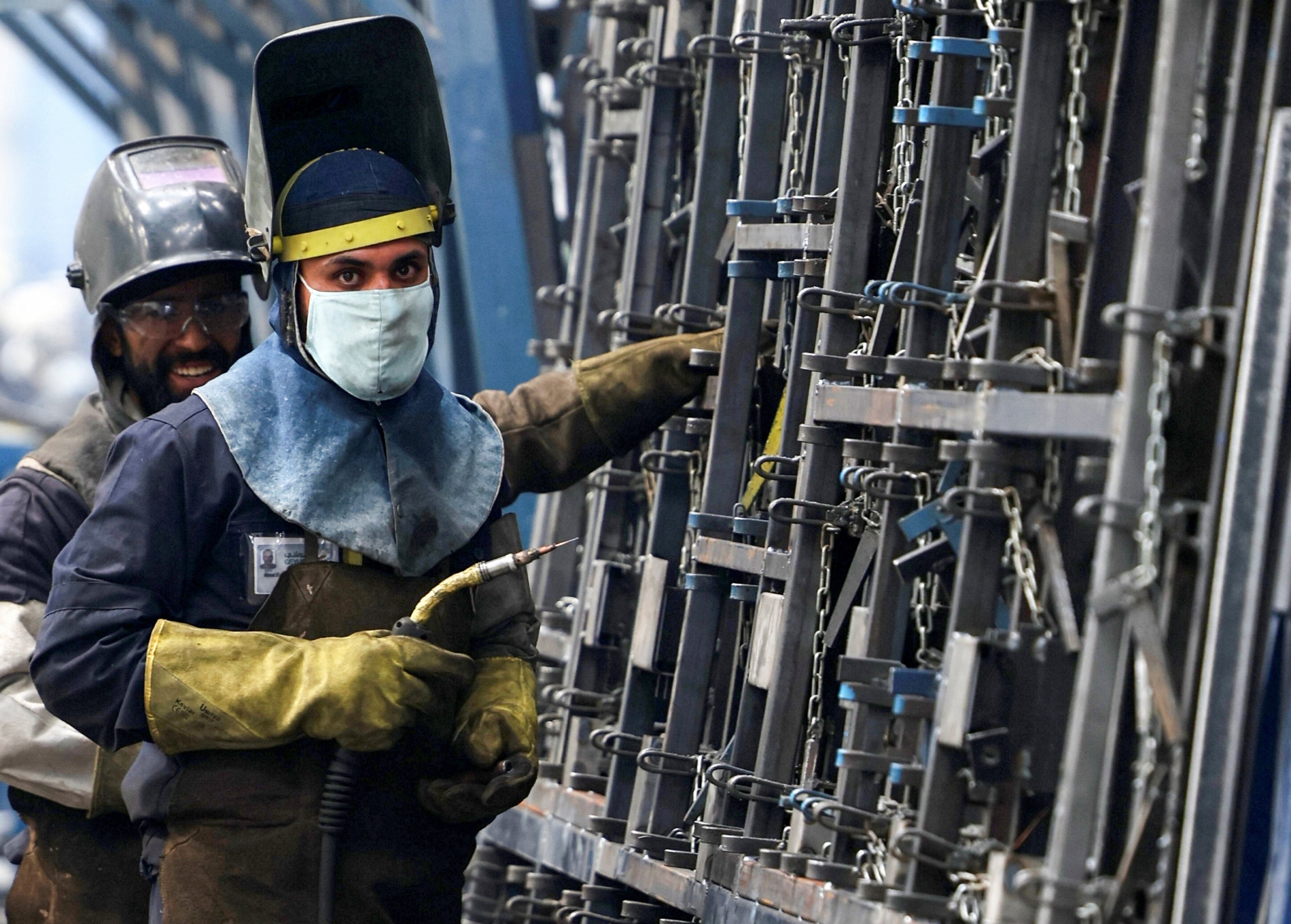
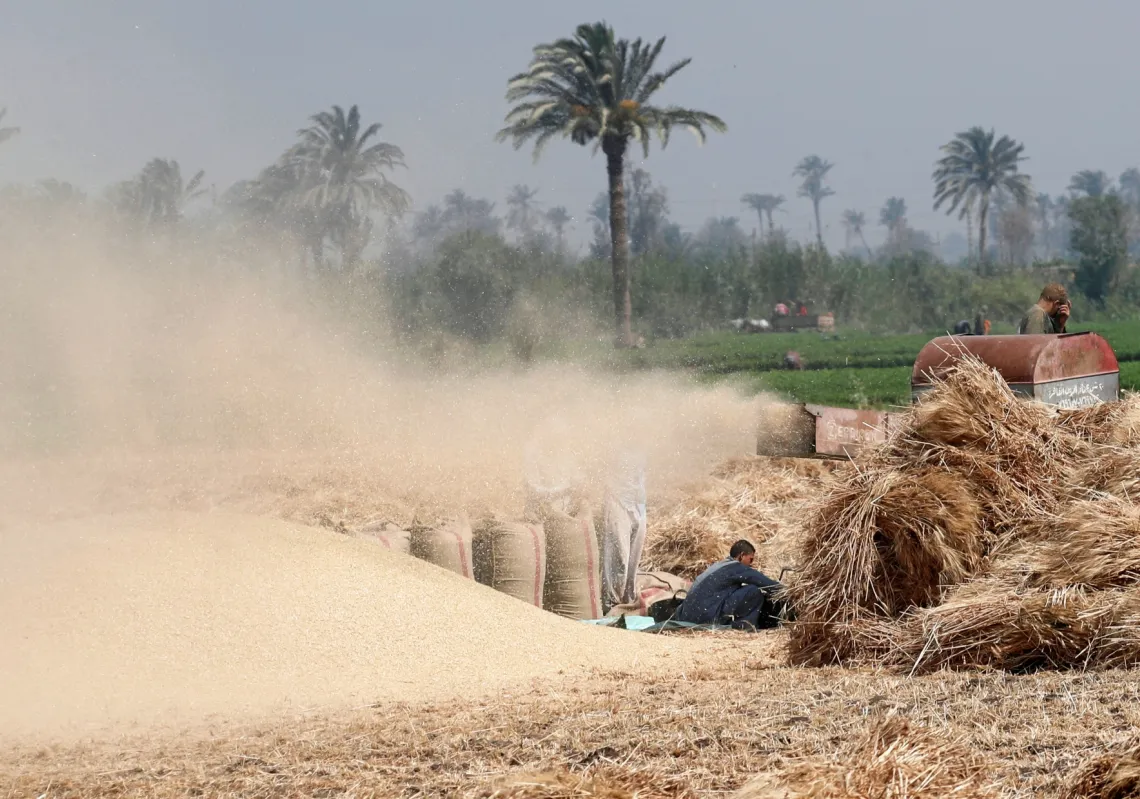
Egyptian leaders want to encourage an industrial revolution in a country that for long seen itself as an agricultural production hub. To this end, the Ministry of Industry has eased the allocation of land for industrial investors, resolved energy supply problems for industrial facilities, and created a one-window shop for the issuance of factory licenses. While this progress helps, it will take more to increase non-oil exports to foreign markets.
Economic priority
Sisi’s target came from his understanding that higher exports are essential to Egypt’s economic survival, and in this he is not wrong. Economists describe it as a ‘do-or-die’ priority for the country, so delaying is not an option. Waleed Gaballah, an independent economist, said exports are inseparable from Egypt’s economic stability, directly affecting its sustainable development. “It is no exaggeration to call exports an economic survival issue,” he said.
Gaballah explained that increasing exports would bring in foreign currency, reduce dependence on foreign loans, and affect state budget allocations, ultimately improving Egyptians’ living conditions. The welfare of Egyptians is therefore linked to the success or otherwise of Egyptian goods and services in foreign markets.
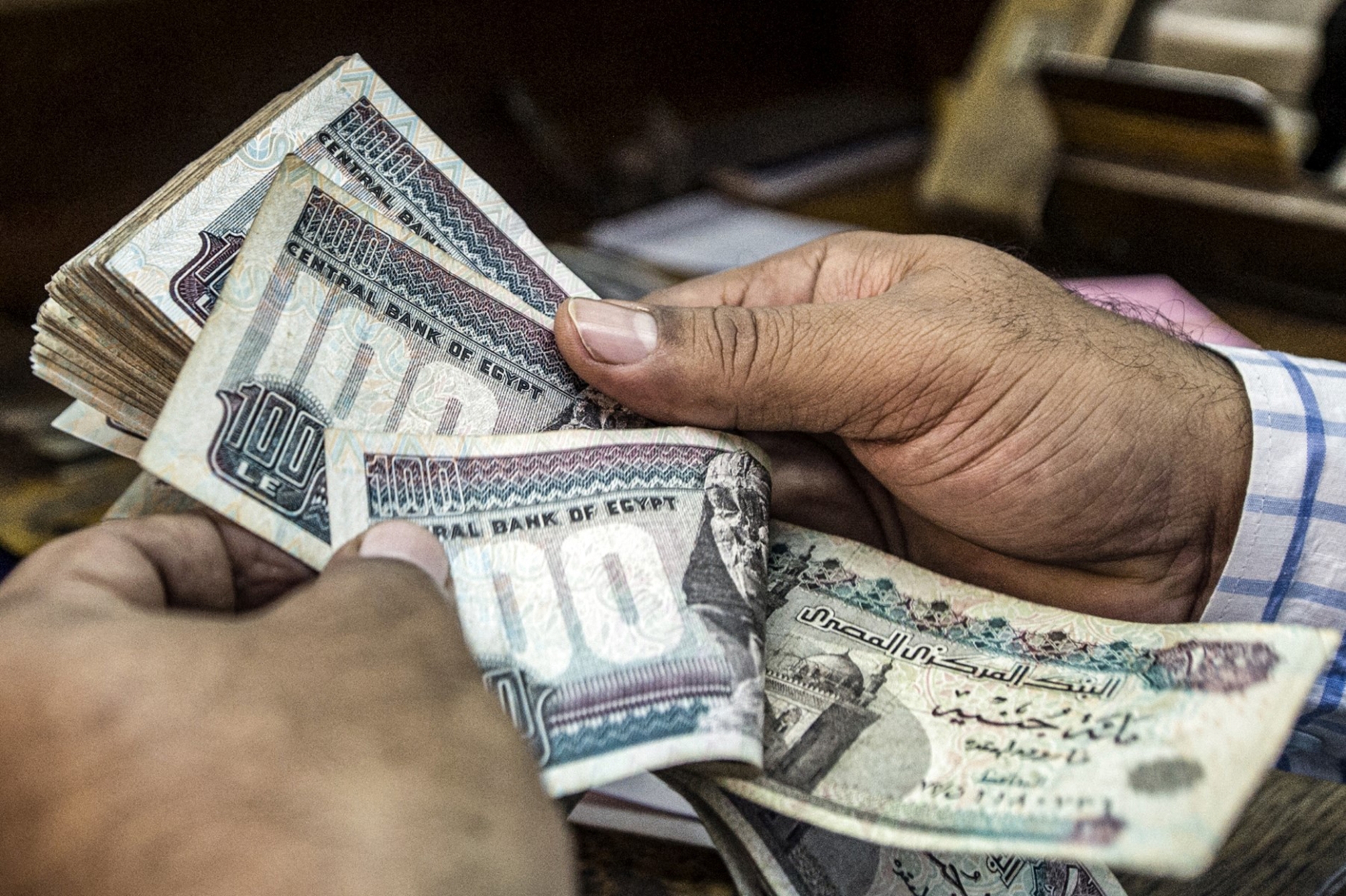
Increasing foreign currency inflows is a prerequisite for stabilising the exchange rate of the Egyptian pound, especially against the US dollar, Egypt's main import and export currency. The strength of the pound is closely linked to the price of commodities in the local market. This affects Egyptians’ purchasing power, which has hit rock bottom in recent years after several devaluations.
Exports are also important for job creation. Around 6% of Egypt’s workforce of 34.8 million were out of work in the first quarter of 2026, according to government data, but independent estimates put the figure much higher. Around 1.3 million Egyptians enter the labour market each year, but only half a million jobs are created, the World Bank says.