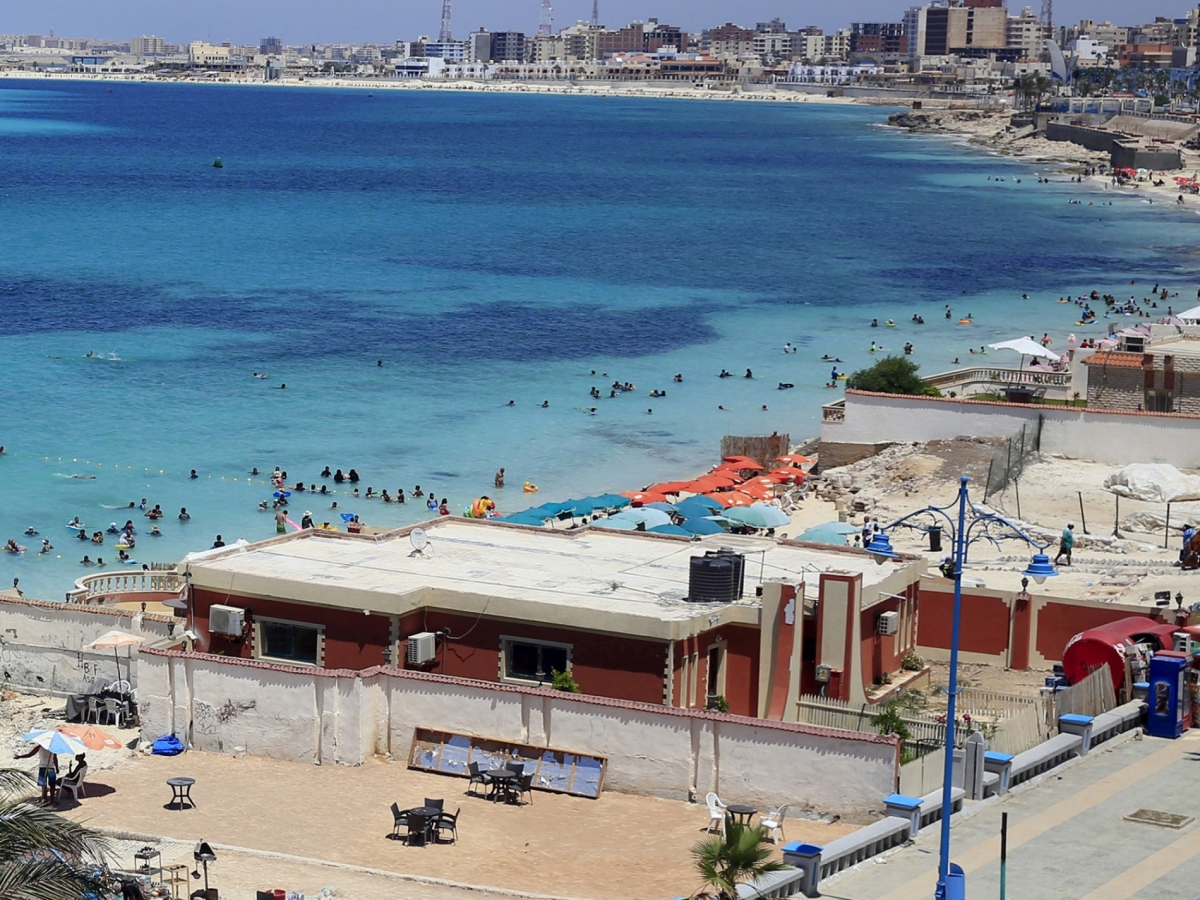

From New Alamein to Ras El Hekma and Alam Al Roum, Egypt’s northwest coast is transitioning from a strip of resorts that fills up in the summer to a Mediterranean hub combining tourism, residential living, business, services, education, healthcare, and entertainment. The idea behind the shift is that land value lies partly in the economic activity it can generate on and around it.
A hotel creates jobs and attracts foreign visitors; a marina stimulates yacht tourism; a university attracts students; a hospital appeals to permanent residents; and restaurants, shops, transportation and services establish a community. In this sense, Alam Al Roum and Ras El Hekma are more than property developments; they test Egypt’s ability to transform its northwest coast into a year-round economy that can attract foreign direct investment (FDI), expand hotel capacity, and increase tourism and foreign currency revenues.
Alam Al Roum
On 9 August 2026, the real estate company QatariDiar launched the first phase of the Alam Al Roum project in Matrouh Governorate as part of an investment partnership with the New Urban Communities Authority. The total expected investment is $29.7bn, including $3.5bn in cash. The project covers 20.58 million square metres (sq.m.) with a seafront stretching 7.2km.
It is designed not as a cluster of summer homes but as an integrated coastal city comprising residential, hotel, commercial, cultural, leisure, educational, and healthcare facilities. Al Majalla was told that the aim is no longer to build tourist villages that operate for a few months a year, but cities that cater for residents and tourists year-round.
The first phase of Alam Al Roum covers four million sq.m., including about 1.4 million sq.m. of buildings. It features a 2km seafront and beach, lagoons connected to the sea that are suitable for swimming and yachts, and about 195,000 sq.m. of artificial lagoons. Open space accounts for around 85% of the total area. The first phase, which will cost around $4.3bn, includes four hotels offering more than 1,000 rooms, a marina for up to 50 yachts, sports centres, shops, and restaurants. It will create an estimated 30,000 jobs, both directly and indirectly.
The project’s overall masterplan includes more than 3,500 hotel rooms across a group of internationally-branded hotels and resorts, an international marina for up to 370 yachts, another local marina accommodating 120 yachts, and an 18-hole golf course over 980,000 sq.m. The overall project also includes 22km of lagoons connected to seawater, 850,000 sq.m. of artificial lagoons, pedestrian and cycling routes, and a smart transport and water management system. The first phase is scheduled to begin in 2030.
Under the Alam Al Roum agreement, which is expected to generate returns of at least $1.8bn, the state retains a 15% share of the project’s profits once investment costs have been recovered. Economist Yasser Al-Alam believes the importance of this model “is not limited to the size of the incoming funds but extends to the way public assets are managed”.
He said: “Land, however high its value may rise, remains a dormant asset if it does not enter an economic cycle that generates jobs and drives tourism, services, construction, transport, energy, water, education, and healthcare.” Under this model, the state provides the land, infrastructure, and regulatory framework, while the investor brings financing as well as technical and marketing expertise. The state also gets an immediate cash return and shares in future revenues.
Al-Alam said the success of the project “should not be measured only by the size of the announced investment, but by its ability to employ Egyptian companies, increase demand for local contractors and suppliers, train workers, and provide genuine opportunities for people from Matrouh and the surrounding areas”. Tourism projects increase demand for transport, restaurants, retail, and entertainment, creating a knock-on effect. In this way, FDI shifts from being a temporary financial inflow to a driver of local economic activity that can continue for years.
Ras El Hekma
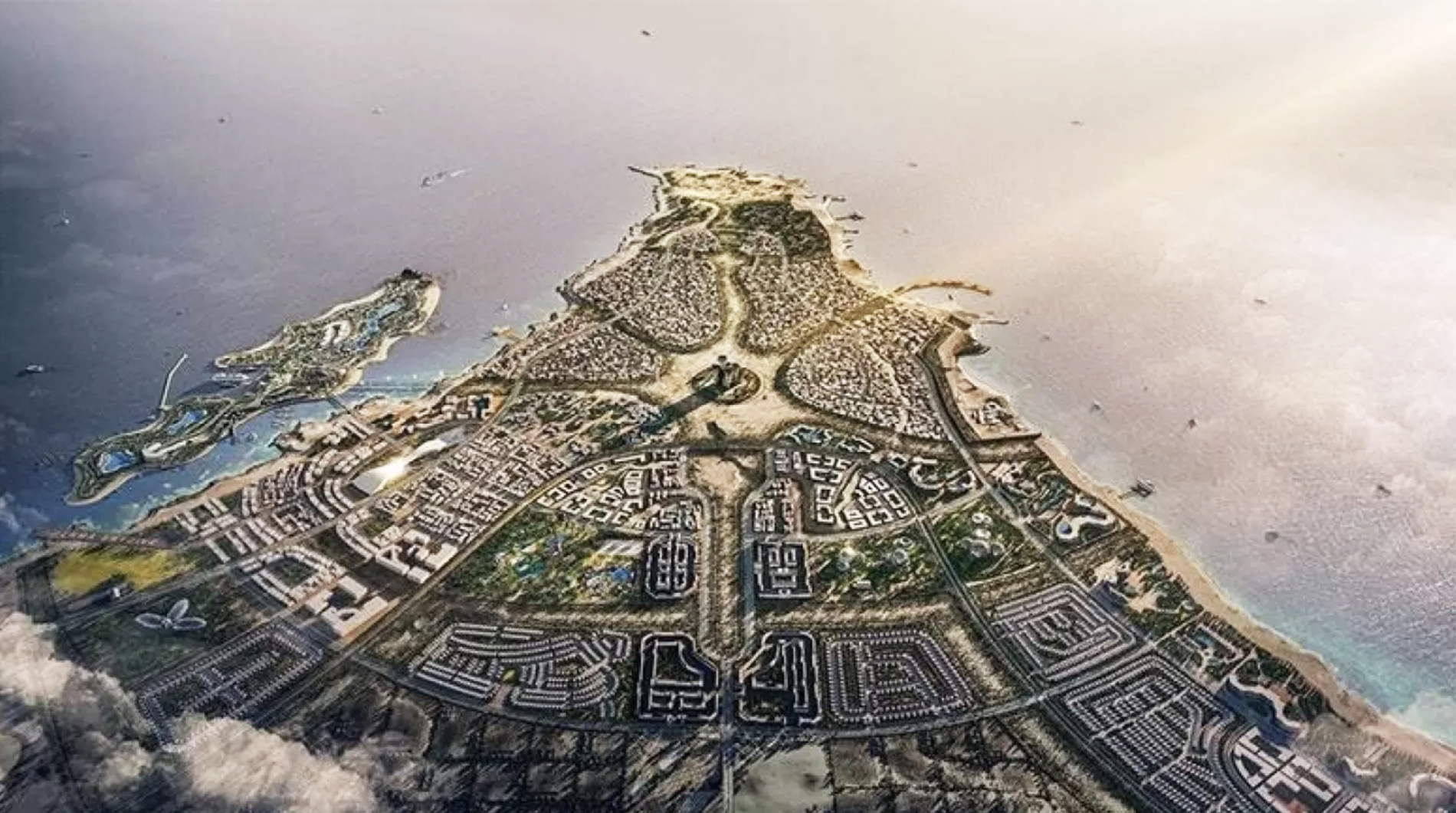
The Alam Al Roum project stemmed from the 170 million sq. m. Ras El Hekma deal in 2024. The United Arab Emirates agreed to invest $35bn, including $24bn for development rights to the area and $11bn in deposits to be converted into investments in Egypt. The Egyptian government retains a 35% stake. The masterplan includes residential, tourism, commercial, and leisure districts, a free zone, a financial centre, hotels, marinas, an international airport and new roads.
Emirati sovereign investor ADQ appointed Modon Holding as the project’s master developer. Cumulative investment could hit $110bn by 2045. The entry of Emirati and Qatari capital, alongside international companies and brands, reveals the coast’s shift from a market based mainly on Egyptians buying summer homes to a long-term regional and international investment space, according to observers.